Posted on — Leave a comment

Smart Switch: Types, Wiring and How to Choose

A Smart switch replaces the ordinary switch on your wall and puts the light, the fan or the heater behind it on your phone, on a schedule, and on voice command. It is the least glamorous device in a Smart home and the one people end up using every single day, because it needs no new habits: you still walk up and touch the wall.

What a smart switch actually is

Behind the plate there are two parts. A relay does the switching, exactly like the mechanism in a normal switch. A radio module — WiFi, Zigbee, Bluetooth or Thread — keeps the device on your network so it can receive commands. Add a touch or push-button surface on the front and, on many models, a small LED indicator, and that is the whole device.

What that buys you over a normal switch:

  • Remote control: turn things off from bed, from the office, or after you have left the house.
  • Schedules: hallway lights on at dusk, towel rail on at 6 am, everything off at midnight.
  • Scenes: one button or one tap that sets a whole room — lights, curtains, sockets together.
  • Voice control: once the account is linked, Alexa and Google Home can switch anything by name.
  • Measurement on some models or on the matching socket: what that appliance costs to run.

Four ways to make a switch smart

Not every “Smart switch” is the same product, and picking the wrong category is the most common disappointment:

  • Smart switch panel: replaces the plate entirely. Cleanest result, works with any fitting, needs wiring work. This is what most people mean by a smart switch.
  • Relay module: hides behind your existing switch or in the ceiling rose. Keeps the decorator look, adds app control. Best when you like the switches you have.
  • Smart socket or plug: controls what is plugged into it rather than what is wired to it. No wiring at all, ideal for lamps, heaters and appliances, and the easiest way to start.
  • Smart bulb: keeps the wall switch as a physical isolator and controls the lamp itself. Cheapest entry point, but the wall switch must stay on, which visitors will switch off.

Protocol: WiFi, Zigbee, Matter or Bluetooth

  • WiFi: connects straight to your router, no hub, and is the simplest to understand. Each device is on your network, so a crowded 2.4 GHz band is the main risk in a house with many devices.
  • Zigbee: needs a gateway, but builds a mesh where each powered device relays for the next — more robust at scale and far less load on the router. Good for whole-house installs.
  • Matter: the newer cross-brand standard. A Matter device can join Apple, Google, Amazon and SmartThings ecosystems without a per-brand app, which is the direction the market is moving.
  • Bluetooth: fine for setup and for a handful of devices near the phone, not for a whole house.

For most homes the practical answer is: WiFi panels for a few rooms, Zigbee panels plus a gateway if you are doing the whole house, and Matter if you want to stay ecosystem-independent.

What to check before you buy

  1. Neutral wire. Most panels need one to power the radio. Older houses often have only a switch loop. Deciding this first avoids the most common return.
  2. Gangs. One, two, three or four switches on one plate — count what the plate controls today.
  3. Plate size and standard. 86 mm square in most of Europe and Asia, 120 mm or 147×86 for more gangs, 118×72 in the US, BS 1363 in the UK.
  4. Load rating. 10 A covers lighting; 16 A is the figure to look for on sockets, heaters and anything that runs for hours.
  5. Load type. LED, fluorescent, inductive (fans, pumps) and resistive (heaters) behave differently — check the switch is specified for yours.
  6. Panel finish. Glass, acrylic or metal frame, and whether it matches the other plates in the room.
  7. App ecosystem. If you already run switches, sockets, sensors or a Doorbell, staying in one app is worth more than any single feature.
  8. Certification. CE, FCC, RoHS, UKCA or CCC as your market requires — and for project work, ask for the test reports.

Room by room: what to install where

  • Living room and bedroom: a 1-2 gang touch panel, optionally with a dimmer channel for the main light.
  • Kitchen: a wider plate (147×86 or 3-gang) so task lighting, extractor and worktop sockets are controlled in one place.
  • Bathroom: a panel with a fan or curtain channel; a heater or towel rail belongs on a 16 A circuit, not on a lighting switch.
  • Hallway and stairs: two-way switching with a scene button by the door — “everything off” is the scene people use most.
  • Home office: a socket with energy monitoring, so you can see what the desk actually costs to run.
  • Air conditioning and water heating: a load-rated switch, or better, a temperature controller — the thermostat saves more than the schedule does.

Installation essentials

  • Isolate at the breaker and test twice — once at the consumer unit, once at the plate. Never trust the label alone.
  • Photograph the existing wiring before disconnecting anything.
  • Label live, neutral and each load as you identify them.
  • Pair the device near the router first, then move it to its final position.
  • Use 2.4 GHz for pairing; a merged SSID usually works, but a 5 GHz-only network will not.
  • Test the physical button before you screw the plate back on.
  • No neutral, shared neutrals, no earth, or a consumer unit without RCD protection: stop and call an electrician.

Six mistakes that cost people money

  • Buying before checking for neutral. Everything else follows from this.
  • Putting a heater on a 10 A lighting switch. Size the switch to the load, with headroom for motors.
  • WiFi-only in a house with 40 devices. Use Zigbee for scale, or at least check the router’s device limit.
  • Expecting a dimmer to control a fan. Fan speed control is a different channel.
  • Mixing three brands. Three apps, three notification feeds, no shared scenes.
  • Skipping the scene setup. A smart switch that is only a phone-controlled switch gets used for a week.

Smart switch or something else?

  • Fixed ceiling lights, renovation planned: a smart switch panel.
  • Renting, or the existing switches must stay: a relay module behind the plate.
  • Lamp, heater, coffee machine, anything with a plug: a smart socket or plug, no wiring at all.
  • Colour or brightness effects: smart bulbs, and leave the wall switch alone.
  • Heating and hot water: a temperature controller rather than any switch.

Go deeper on each part

XingLiao smart switches and sockets

Frequently Asked Questions

What is a smart switch?

A wall switch with a radio inside. It replaces your existing plate, controls the circuit the old switch controlled, and adds app control, schedules, scenes and voice commands without changing how anyone physically uses the room.

Do smart switches need WiFi?

WiFi models do. Zigbee and Matter models talk to a gateway instead, which then connects to your network — that is the option for large houses, because it keeps dozens of devices off the WiFi band.

Do I need a neutral wire?

Most panels do, because the radio needs a permanent supply. Older homes often have only a switch loop at the plate. No-neutral versions exist, and a smart socket or a relay module at the fitting are the usual workarounds.

Can I install one myself?

If you can replace a normal switch and you are comfortable testing for dead before touching wires, yes — budget 30 to 60 minutes for the first one. If the box has shared neutrals, no earth, or aluminium wiring, use an electrician.

Are smart switches worth it?

For fixed lighting and appliances you already switch by hand, yes — it is the one smart device that needs no behaviour change. For a single bedside lamp, a smart plug does the same job for less money and no wiring.

What is the difference between a smart switch and a smart plug?

A switch is wired into the wall and controls a fixed circuit; a plug goes into an outlet and controls whatever is plugged in. Switches are permanent and invisible, plugs are portable and reversible — see the full comparison.

Can a smart switch dim lights?

Only models with a dimming channel, and only with dimmable lamps. A standard on/off switch will not dim, and a dimmer channel will not control a fan speed.

How many can I have in one house?

As many as circuits you have. On WiFi, watch the router’s device limit and the 2.4 GHz band; past roughly 20 devices a Zigbee or Matter setup with a gateway is the steadier choice.

Will the lights still work if the internet is down?

Yes. The physical switch always works, and schedules stored on the device keep running. App control and voice control are the only things that pause.

What should a project or hotel specify?

Plate standard and size per market, gang count per room type, load rating per circuit, panel finish, protocol and gateway capacity, plus certification documents for the destination market — then order one series so every room matches.

Related guides

Browse all smart switches and sockets · Send us your room list and we will quote the matching series

Related Articles

You Might Also Like

Posted on — Leave a comment

How to Choose a Security Camera for Your Home

A home security camera is the One Smart home device people buy first and keep the longest, because it answers a simple question: what is happening at home right now? But the shopping guides rarely explain the trade-offs. Should you get a plug-in indoor camera or a battery one? Is 2MP enough or do you need 4MP? Does an outdoor camera need solar? This guide walks through every decision in plain terms, so the camera you order is the camera you actually keep using.

Start with the location, not the camera

Every camera is designed around a placement, so decide where it will watch before deciding what to buy:

  • Indoor monitor: a room, a pet, a baby, the front hallway. Any camera works; comfort features matter most.
  • Entry watch: the front door or driveway. Weatherproofing and motion detection matter most.
  • Whole-property watch: yard, parking, outbuildings. Battery life or solar charging becomes the deciding factor.

Buying an indoor camera and mounting it under the eaves “temporarily” is how people end up with a dead camera in month two. Match the camera to the spot and the rest of the choices follow. M3 Pro Foldable 3-Axis Gimbal Stabilizer, Professional Handheld Gimbal for Smartphones

Power: plug-in, battery, or solar

Plug-in cameras (USB or adapter) never run flat and can stream continuously. Put them wherever a socket is within reach — a shelf, a countertop, near the crib. Their one limit is placement freedom: you are tied to the socket.

Battery cameras Install anywhere in minutes with no drilling and no wiring, which is exactly why landlords and renters love them. The trade-off is that they wake on motion rather than streaming all day, so a busy street can drain a battery in a week and a quiet room can run three months. Check whether the battery is rechargeable and how it charges.

Solar cameras are battery cameras with a panel that tops them up daily. For outdoor spots with reasonable sun, they effectively remove charging from your chore list forever. A few cloudy weeks are fine; a permanently shaded north wall is not — put a plug-in or wired model there instead.

Resolution: what 2MP, 3MP and 4MP actually mean

Resolution is the most oversold number in the market. The honest version:

  • 2MP (1080p): plenty for seeing a person, a pet, or whether the door was left open. Fine for small rooms.
  • 3MP: a comfortable middle ground — wider view, sharper detail, still light on bandwidth.
  • 4MP and above: worth it when you need to read a license plate at the gate, recognize a face across a yard, or crop into recordings and still see detail.

Two features matter more than megapixels in practice: night vision quality and motion detection accuracy. Basic infrared night vision shows grey shapes; full-color night vision keeps usable detail after dark. And a camera that alerts on every passing cat will get its notifications muted within a week — human detection or PIR-based detection is what keeps alerts useful long-term.

Framing: fixed, pan/tilt, or dual-lens

A fixed camera watches one angle. Simple, cheap, and nothing to mechanically wear out.

A pan/tilt (PTZ) camera turns and tilts on command from your phone, covering a whole room from one corner. Ideal as a single indoor watcher — one camera, every angle.

A dual-lens camera combines a wide fixed lens with a zooming lens: the wide one detects, the tele one zooms in automatically. For driveways and gates this is the current best value, because you get context and detail from one device.

Storage and what happens when you need the footage

  • TF card (microSD): records locally in the camera, works without any subscription, footage stays in your house. Most home users should insist on this option.
  • Cloud storage: convenient and survives a stolen or smashed camera, but usually a recurring fee.
  • Both: the comfortable answer — card for everyday, cloud as backup for the events that matter.

WiFi and app reality checks

Nearly every consumer camera in this class uses 2.4 GHz WiFi. If your router merges 2.4 and 5 GHz into one network name, pairing usually still works, but a weak signal at the far end of the garden is the number-one cause of “my camera keeps going offline.” Check the signal where the camera will hang before you blame the camera. The app side matters too: a camera running the Tuya or Smart Life ecosystem can sit in the same app as your switches, sockets and sensors, which is worth a lot once your Smart home grows past three devices.

A quick buying checklist

  • Where exactly will it hang, and is there power or sun there?
  • Indoor comfort or outdoor weatherproofing (IP65 or better)?
  • Do I need to identify faces and plates (4MP, dual-lens) or just see what’s happening (2-3MP)?
  • Full-color night vision if the area matters after dark.
  • Human or PIR detection, so alerts stay useful.
  • TF card slot, cloud, or both.
  • Does it join the same app as my other devices?

XingLiao security cameras

Frequently Asked Questions

How many cameras do I need for a house?

One well-placed camera per priority area beats four covering random corners. Typical starters: one indoor main-area watcher, one at the main entry. Add a solar outdoor unit for the driveway when the first two prove their value.

Do security cameras need WiFi?

WiFi cameras do — that is how you get live view and alerts on your phone. If the camera spot has no usable WiFi, options include cameras with local TF recording and screen-based Doorbell systems that run their own wireless link, no router required.

What resolution should I choose?

For rooms and general awareness, 2MP is fine. For entries, driveways or anything you might need as evidence, choose 3MP or 4MP. Beyond that, lens quality and night vision matter more than extra pixels.

Are battery cameras reliable?

Yes, with realistic expectations. They wake on motion rather than streaming continuously, so battery life depends on how busy the spot is. In a quiet indoor spot a charge lasts months; on a street with constant traffic it can be weeks. Solar panels solve this outdoors.

Can I use a security camera as a baby or pet monitor?

Indoor cameras with two-way audio and pan/tilt do this well — you can talk, listen and follow movement. Look for color night vision so the room stays visible without lights.

What is the difference between a security camera and a video doorbell?

A doorbell is a camera with a button and a chime, designed for the door and two-way conversation with visitors. A security camera is a general watcher. Many homes end up with one of each — the doorbell handles people, the camera handles everything else.

Do I need to pay a monthly fee?

Not with TF-card cameras — recording is local and free. Cloud plans are optional extras for off-site backup, typically a few dollars a month per camera.

Related guides

Browse all security cameras · Tell us where you want coverage and we will recommend the right model

Related Articles

You Might Also Like
Posted on — Leave a comment

How to Choose a Zigbee Touch Switch for a 86 Wall Box — DS-1011ZC Series

DS-1011ZC Series WiFi Touch Switch (1 Gang / 2 Gang / 3 Gang)
How to Choose a Zigbee Touch Switch for a 86 Wall Box — DS-1011ZC Series

Replacing a Wall Switch looks simple until you open the box. The plate size, whether a neutral is present, and which radio the switch uses decide whether the job takes ten minutes or a visit from an electrician. The DS-1011ZC Series is built around single-fire and zero-fire Wiring and Zigbee 3.0, and it ships in 1 Gang / 2 Gang / 3 Gang — so the same look can run through a whole flat or hotel floor.

This guide walks through the four things to settle before you order, with the numbers that matter for European Standard / British standard / China national standard installations.

1. Match the wall box first

The DS-1011ZC plate is made for the 86 × 86 mm square wall box (EU / UK / China), which is the standard box in European standard / British standard / China national standard installations. Measure the box, not the old plate: a cover frame can hide a smaller opening, and a plate that is a few millimetres out will not sit flush against the wall.

2. Check whether you have a neutral

This unit works in both single-fire (no neutral) and zero-fire (with neutral) boxes. If your box has no neutral, the switch still works — fit the supplied capacitor across the first lamp port of L1 to stop LED lamps glowing or flickering when off. With a neutral present, skip the capacitor.

3. Pick the radio for the project

A Zigbee gateway is required (our wired / wireless gateway covers it) — in return you get mesh coverage and much lower standby power. On a site with dozens of switches, Zigbee also keeps the router free of dozens of extra clients. Smart Home Beginner's Guide 2026: 8 Practical Devices Worth Starting With

4. Count the gangs per plate

DS-1011ZC covers 1 Gang / 2 Gang / 3 Gang. Fewer plates means fewer boxes to chase into the wall and one clean frame instead of three, which is usually the reason people move to multi-gang Touch plates in the first place.

Specifications

Quantity pricing

Indicative unit prices ($11.00–$12.49 depending on gang and finish):

FAQ

Is a neutral wire required?
No, but if there is no neutral you fit the supplied capacitor on L1.
Does it work with Alexa and Google Home?
Yes — through the Tuya / Smart Life skill for Alexa and Google Home.
Can I order mixed gangs and colors in one shipment?
Yes. Gang sizes and finishes can be mixed within one order; tell us the split at checkout.

Ready to specify it? Full specifications, gang options, colors and quantity pricing are on the DS-1011ZC series product page — OEM logo, manual and packaging are available from the first order.

Posted on — Leave a comment

Smart Door Lock: How to Choose the Right One

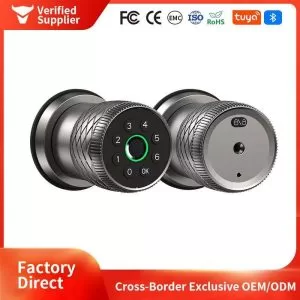
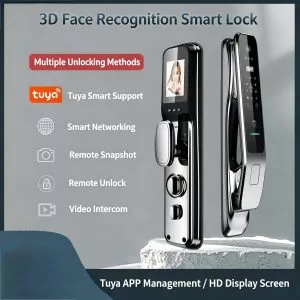
A Smart door lock replaces the key with a credential — a fingerprint, a face, a PIN, a phone or a card — while keeping a physical key or a mechanical thumb-turn as the backup. Electrically it is a lock body, a reader, a motor that throws the bolt, and a battery pack; mechanically it must still meet the same strength standard as the lock you are replacing.

That second half is where most buying mistakes happen. A lock with an excellent fingerprint sensor and a weak latch is still a weak lock. Read the mechanical grade first, then the credential list, then the electronics.

The four credentials, and who each is for

Credential How it works Strengths Watch out for
Fingerprint Capacitive or optical sensor reads the ridge pattern Fast, nothing to carry, cheap to add Dry, wet or worn fingerprints fail; enrol from several angles
3D face recognition Structured-light or ToF depth mapping Truly hands-free — groceries in both hands; depth data resists photo spoofing Height range matters for children and wheelchair users; needs some ambient light
Palm vein Near-infrared reads the subcutaneous vein pattern Highest anti-spoofing; contactless; works with gloves off Fewest models; users must learn the gesture distance
PIN / password Touch keypad Works for guests and cleaners; easy to revoke Wear marks reveal the code — use models with a scrambled/random prefix
App / Bluetooth / card Phone, fob or NFC card Remote unlocking, temporary codes, audit trail Phone flat or Bluetooth off = lockout; always keep the backup

Buying rule: any lock you install on a main entrance should have at least two independent ways in — one biometric and one non-biometric (PIN or mechanical key). Fingerprint sensors fail on cold, dry hands, and that is exactly when you are standing outside at 11 pm.

Grade the mechanics before the electronics

Standard Grade Typical use
ANSI/BHMA A156.13 (US, deadbolts) Grade 1 / 2 / 3 Grade 1 commercial, Grade 2 residential (the sensible Home choice), Grade 3 light duty
EN 12209 / EN 15685 (Europe) Classification codes for durability, fire, corrosion, security Ask the supplier for the full 8-digit code, not just “CE”
BS 3621 (UK) Insurance-approved for mortice locks Many insurers require it; check your policy before replacing

Cycle testing is the number that separates a real lock from a gadget: Grade 1 is tested to hundreds of thousands of operations, Grade 3 to a fraction of that. If a listing does not state a grade or a cycle count, assume it is untested.

Fit: the measurements that decide whether it will fit your door

  1. Door thickness — most residential locks fit 35–55 mm. Measure the door, not the frame.
  2. Backset — the distance from the door edge to the centre of the bore hole. 60 mm and 70 mm are the common sizes.
  3. Bore hole diameter — usually 54 mm for the main hole, 25 mm for the latch.
  4. Latch / mortise type — a tubular latch is a retrofit; a mortise lock body needs a pocket cut into the door. Check which one your door already has, because converting between them is carpentry.
  5. Handing — whether the lock is for a left- or right-handed door. Many modern locks are reversible, but confirm.
  6. Door material — solid wood, composite and metal doors behave differently with RF; a metal door can block the Wi-Fi or Bluetooth signal to the outside unit.

Power, and the failure mode that locks people out

  • Battery life — typically 6–12 months on 4–8 AA cells for a fingerprint lock, shorter for locks with Video intercom or always-on Wi-Fi.
  • Low-battery warning — the lock should warn you in the app and audibly, at least two weeks before it dies. If it does not, set a calendar reminder.
  • Emergency power — a USB-C or Micro-USB contact on the outside lets you jump-start the lock from a power bank. This single feature resolves most “locked out” cases.
  • Mechanical key override — keep one key outside the house (with a neighbour, not under the mat).
  • Cold weather — alkalines lose capacity below freezing; lithium cells are worth it for exposed doors.

Connectivity: Bluetooth, Wi-Fi or Zigbee

Link Range Remote unlock from anywhere? Battery impact
Bluetooth A few metres No, unless paired with a gateway Lowest
Wi-Fi (Tuya / Smart Life) Router coverage Yes Highest — shortens battery life noticeably
Zigbee Mesh via hub Yes, through the hub Low, and the mesh is reliable

For a front door, Bluetooth plus a nearby Zigbee or Wi-Fi gateway is the balanced choice: the lock itself sips power, and the gateway handles remote access and automations (“unlock → turn on the hallway light”).

Security practices that matter more than features

  • Never rely on the app alone. Keep the mechanical key accessible outside the property.
  • Use temporary codes for guests and delete them afterwards — do not share your master code.
  • Turn off auto-unlock if the lock supports proximity unlocking; it is the most commonly abused convenience feature.
  • Check the audit log — a lock that records entries is genuinely useful for rentals and small offices.
  • Update firmware, and change the default admin PIN before the first night.
  • Do not install a Smart lock on a fire escape route without checking local rules; some jurisdictions restrict electronic locks on exit doors.
Frequently Asked Questions

What happens if the battery dies?

You can normally power the lock temporarily from a power bank through the emergency USB contact on the outside, then use your fingerprint or PIN and replace the cells. Every lock should also have a mechanical key override — if the one you are considering does not, do not buy it.

Can a smart lock be hacked?

The realistic risks are weak PINs, unpatched firmware and Bluetooth relay attacks, not Hollywood remote hacking. Mitigations are boring but effective: a long non-obvious admin code, firmware updates, no proximity auto-unlock, and a lock from a vendor that publishes its security updates.

Do I need Wi-Fi for a smart lock?

Not for everyday use — Bluetooth locks work fully offline for fingerprints and PINs. You need Wi-Fi or a hub only for remote unlocking, notifications and integration with the rest of the home.

Will it work on my existing door?

Usually yes if your door already has a standard tubular latch or mortise pocket. Check door thickness, backset (60/70 mm) and bore-hole diameter against the lock’s specification; glass doors and very thin metal doors generally need a different fitting.

Can I keep my existing keys?

Almost never — the cylinder changes with the lock. Some models can be keyed to match an existing cylinder; ask before ordering if you want one key for the whole house.

What should a wholesale or project buyer check?

Mechanical grade and cycle-test certificate for the destination market (ANSI in the US, EN in Europe, BS 3621 where insurers require it), credential mix per region, door-thickness and backset range, battery type and emergency power, app platform (Tuya or private), certifications (CE / FCC / RoHS, plus local requirements), and minimum order quantities — typically 500 pieces for standard models.

Related products

Related guides

Related Articles

You Might Also Like
Posted on — Leave a comment

Zigbee Smart Switch: How It Works and When to Choose It

A Zigbee Smart Switch is a wall switch that talks to your home over a Zigbee mesh network instead of over Wi-Fi. Every mains-powered Zigbee switch also acts as a signal repeater, so the more switches you install, the stronger and more reliable the network becomes — and automations keep running locally on the hub even when your broadband is down.

That last point is the reason professionals choose Zigbee for whole-home projects. A Wi-Fi switch stops responding to the app the moment the internet drops; a Zigbee switch keeps its scenes, its sensor triggers and its schedules, because the logic lives on the hub in the house, not in a data centre.

How a Zigbee switch installation is put together

  1. A Zigbee hub (gateway). This is mandatory. It is the translator between the Zigbee mesh and your Wi-Fi router, and it is where automations are stored.
  2. The switches themselves. Each one joins the hub at install time, usually by holding a button until the indicator blinks.
  3. Sensors and other devices. Door/window contacts, PIR motion sensors, temperature and leak sensors all join the same mesh, which is what makes “if the bathroom door opens after sunset, turn on the light at 30 %” possible.
  4. The app and voice assistants. The hub’s app (Tuya / Smart Life, or a Matter controller) is the user interface; Alexa and Google Home connect to the hub, not to each switch.

Zigbee vs Wi-Fi: the decision that matters

Factor Zigbee Wi-Fi
Hub required Yes No
Works during internet outage Yes (local automations) Button only
Load on your router None — one hub on Wi-Fi One IP address per switch
Practical device count 50–100+ per hub Limited by router DHCP and airtime
Response to button press Fast, local Fast local, cloud round-trip for app echo
Sensor automations Native and local Usually cloud-dependent
Setup complexity One extra step (pair hub) Simplest
Cost for 1–3 switches Higher (hub cost) Lower
Cost for 20+ switches Lower per point, far more stable Router strain, more dropouts

Break-even rule: Wi-Fi is cheaper and simpler up to roughly six controlled points. Above that, or the moment you want sensors to trigger lights, Zigbee is the better engineering choice. M2 Foldable 3-Axis Gimbal Stabilizer, Portable Handheld Gimbal for Smartphones

The mesh advantage, explained without jargon

Wi-Fi devices all shout at one router, and the router answers each one. Add forty devices and the airtime is gone — this is why large Wi-Fi installs develop “device not responding” errors. M1 Foldable 3-Axis Gimbal Stabilizer, Portable Handheld Gimbal for Smartphones

Zigbee devices whisper to their neighbours. A switch at the far end of the house does not need to reach the hub directly; it passes the message to the nearest powered device, which passes it on. Because every mains-powered Zigbee switch is a repeater, coverage improves as you install more. Battery sensors sleep and do not repeat, which is why a hub plus a handful of wired switches is the backbone of a healthy mesh. M2 Pro Foldable 3-Axis Gimbal Stabilizer, Advanced Handheld Gimbal for Smartphones

Practical consequences: Video Doorbell Without Subscription

  • Put the hub centrally, and off the floor.
  • Do not put the hub inside a metal cabinet.
  • Keep at least two powered Zigbee devices within range of each other across long distances.
  • Zigbee shares the 2.4 GHz band with Wi-Fi — set Wi-Fi to channels 1, 6 or 11 and Zigbee to a non-overlapping channel to avoid interference.

Binding: the feature Wi-Fi switches do not have

Zigbee supports direct binding — you can bind a switch, a button or a sensor directly to a light or a group, with no hub logic and no cloud in the path. A wireless scene button stuck to the wall beside the bed can be bound to “everything off” and will work even if the hub is unplugged. This is the single most requested feature in hotel and elderly-care installations, and it is native to Zigbee.

Matter and Zigbee

Matter does not replace Zigbee; it sits above it. Most current Zigbee hubs are also Matter controllers or Matter bridges, which means:

  • Zigbee devices can be exposed to Apple Home, Google Home and Alexa through the hub.
  • A Matter-over-Zigbee bridge lets one physical network serve multiple ecosystems at once.
  • Thread is Matter’s own mesh radio and is the natural successor for new sensor deployments, but Zigbee 3.0 hardware installed today will remain serviceable for years.

Specification checklist for a Zigbee switch project

  1. Hub capacity — devices per hub, and whether multiple hubs can be combined in one app.
  2. Zigbee version — insist on Zigbee 3.0; older Zigbee HA 1.2 profiles do not interop reliably.
  3. Repeater behaviour — confirm the switch repeats, not just joins.
  4. Neutral requirement — most Zigbee switches want a neutral; check no-neutral variants for older housing stock.
  5. Plate standard — 86 × 86 mm, 147 × 86 mm or 118 × 72 mm to match the destination country.
  6. Load type — lighting, curtain motor, or fan; each needs a different output module.
  7. Local automation support — confirm scenes run on the hub, not only in the cloud.
  8. Certification — CE / UKCA, FCC, RoHS; CCC or PSE where required.
Frequently Asked Questions

Do I need a hub for every brand?

You need a hub that speaks Zigbee 3.0. A Tuya-compatible Zigbee hub covers Tuya-ecosystem switches, sensors and remotes in one app; mixing vendors is possible in principle but in practice you should keep one ecosystem per project.

Will a Zigbee switch work if my internet is down?

Yes for everything local: button presses, bound remotes and hub-stored automations keep working. Only remote access from outside the home and voice control stop.

How many Zigbee devices can one hub handle?

Typically 50 to 100 devices, of which battery sensors should be a minority. The binding factor is not the count but the number of powered repeaters — plan at least one mains device per room for a stable mesh.

Can I mix Zigbee switches with Wi-Fi switches?

Yes, through an app that covers both (Tuya / Smart Life does). Automations that cross the two groups run through the hub or the cloud rather than locally, so keep time-critical automations inside one protocol.

Is Zigbee being replaced by Matter?

Matter is a standard that runs over Wi-Fi and Thread; Zigbee remains the widest-deployed low-power mesh in installed homes. Buying Zigbee 3.0 today is safe — hubs bridge Zigbee into Matter ecosystems.

What should a bulk buyer confirm before ordering?

Hub and switch firmware compatibility, whether the switch repeats, the plate standard and gang mix for the destination market, local-automation support, certifications for the target country, and minimum order quantities (typically 500 pieces per colour for standard models).

Related products
Related guides

Related Articles

You Might Also Like
Posted on — Leave a comment

How to Choose the Right Smart Switch for Your Home

Foldable Solar Power Bank 20000mAh Waterproof Outdoor Charger ... - view 5

Why Smart Switches Are the Foundation of Home Automation

However, Smart switches are often the first device people install when building a Smart home. They are affordable, easy to install, and immediately useful. But with so many options on the market, how do you choose the right smart switch for your needs?

smart home products

Consumer Reports smart switch guide Video Doorbell Review 2026: What to Look For, Smart Features Compared, and Buyer’s Guide P10 Mini WiFi Security Camera: Compact 24/7 Indoor Surveillance for Home & Pets

>>

Smart home wall switch installation

5 Key Factors When Choosing a Smart Switch

1. Therefore, Number of Gangs (Channels)

Therefore, Smart switches come in 1-gang, 2-gang, 3-gang, 4-gang, 6-gang and 8-gang configurations. Count how many lights or devices you want to control from a single switch location. A hallway might need 1-gang, while a living room might need 3-gang or more.

2. For example, WiFi Protocol

Moreover, Most smart switches use WiFi 2.4GHz. This is the most common and compatible option. Make sure your home router supports 2.4GHz (most do). In addition, Some premium models also support 5GHz or Zigbee. Smart Home Market Trends 2026: What Distributors Must Know About Modular Security, Voice Control and Energy-Saving Devices

3. Voice Assistant Compatibility

In addition, Check if the switch works with Amazon Alexa, Google Home, or Apple HomeKit. Tuya-based switches support Alexa and Google Home out of the box, giving you flexible voice control options. Smart Home Wholesale FAQ: 15 Questions Every Buyer Asks Before Ordering in Bulk M8 Dopamine Color Wireless Lavalier Microphone: Get Clear Studio Audio For Vlogging & Live Streaming

4. Moreover, Touch vs Button

For example, Touch panel switches offer a modern, sleek look with tempered glass surfaces. Traditional Button switches are more familiar and may be preferred in commercial settings or by older family members.

5. Certification

Therefore, Always look for CE, FCC, and RoHS certifications. Furthermore, These ensure the switch meets international safety and environmental standards. Never compromise on safety when wiring into your home’s electrical system.

Installation Tips

Most smart switches require a neutral Wire. If your home does not have neutral wires in the switch boxes, look for no-neutral wire models (though they are less common). As a result, Always turn off the breaker before installation.

Ready to Upgrade?

Choosing the right smart switch doesn’t have to be complicated. Browse our collection of CE-certified smart switches at odmhome.com, or contact us via WhatsApp: +86 176 6666 9273 for personalized recommendations.

Smart home lighting control panel

Related Articles

You Might Also Like

Pick a smart switch that matches your wiring

Short version: check whether your wall box has a neutral wire, then choose frame size, then gang count. These four cover most homes and project specs.

Frequently Asked Questions

Is Choose Right Switch worth buying?

Based on the breakdown in this article, Choose Right Switch offers a solid mix of features and value. If your main goal matches the key benefits described above, it is a practical choice for everyday use.

How do I choose the right choose right switch for my needs?

Start with your core use case, then compare Battery life, compatibility, and build quality as covered above. Choosing the right choose right switch comes down to matching specs with how you actually use it.

Does choose right switch require a companion app?

Most devices of this type pair with a free companion app for setup and firmware updates. A few advanced features may sit behind a paid plan, so check the official specs page before buying.

Posted on — Leave a comment

How to Choose a Smart Home in China: A Buyer’s Checklist

Smart home device factory production line in China

However, Quick answer: Verify that the supplier actually manufactures (ask for the business licence scope and a live Video walkthrough of the SMT line), confirm the certifications your Market requires before you discuss price, check who owns the firmware and whether protocol support such as Zigbee or Matter is in-house, insist on a pre-production sample plus a retained golden sample, and only then negotiate cost. Buyers who reverse that order consistently pay more in the long run.

<figure class="wp-block-image size-large">Smart home device factory production line in China

A real production line is the single thing a catalogue cannot fake.

Step 1: Establish Whether You Are Talking to a Factory

Therefore, A large share of the “manufacturers” listed on B2B platforms are trading companies, which is not automatically bad — traders can consolidate small orders across categories — but you should know. This one you are dealing with. This is because it determines your cost floor and how quickly a technical change can be made. Smart Home Automation Guide 2026: 7 Practical Scenes That Save Time, Money and Energy

  • Check the business licence. The registered business scope on a Chinese business licence states whether manufacturing is permitted. Ask for a copy and read the scope, not just the name.
  • Ask for a live video walkthrough. Not a promotional film. Therefore, Ask to see the SMT line, the assembly floor and the ageing test rack, live, with a specific request such as “show me the board being tested”.
  • Ask a technical question only engineering could answer. Something like “which Zigbee module is on this board, and can it be swAPPed for a different chipset?” A trader has to go and ask; a factory answers on the call.
  • Count the assembly lines and ask about monthly capacity. Vague answers about capacity usually mean the work is subcontracted.

Step 2: Settle Certifications Before You Discuss Price

Moreover, This is where most first orders go wrong. Prices Get agreed, samples get approved, and only then does someone discover the unit is not certified for the destination market — at. This point certification becomes a several-month delay.

Market Commonly required Notes
European Union CE (RED for radio devices), RoHS, REACH Radio equipment needs RED, not just the CE mark
United Kingdom UKCA, RoHS Separate from CE; check the current transition rules
United States FCC (Part 15 for radio), UL/ETL where mains powered Retailers often require UL even where law does not
Canada ISED, CSA or cUL Often bundled with US approvals
Australia / NZ RCM Requires a local responsible supplier
Battery shipments UN38.3, MSDS Needed for air and sea freight of lithium cells

In addition, Ask specifically: do you already hold these certificates, and do they cover the exact model I am buying? A test report for a similar product is not the same as a certificate for your SKU. Best Smart Home Starter Kit for 2026: Switches, Doorbells, Cameras, Sensors and Pet Feeders Compared

Smart home products assembly and testing facility
Ask which certificate covers. This exact model number — approximations cause delays.

Step 3: Ask Who Owns the Firmware

For example, Smart home hardware is a software product wearing a plastic case. The questions that predict whether a supplier will be useful in year two are all about firmware: Q81 Wireless Button Microphone – Mini Invisible Lapel Mic for Vlogging, Interview & Live Streaming

  • Is firmware developed in-house? If it is outsourced, a bug fix depends on a third party’s schedule.
  • Which protocols are supported, and can they be changed? Wi-Fi, Zigbee, Z-Wave and Matter each have different implications for your market. For example, Our protocol comparison covers the trade-offs in detail.
  • Who hosts the cloud, and what happens if you change supplier? Being locked to a supplier’s cloud is a real commercial risk.
  • Can the app be branded? White-label app availability is often the difference between a product line and a commodity.
  • How are OTA updates delivered? Devices in the field need Security patches.
Smart control panel production and quality inspection
Firmware ownership determines how fast you can respond to a problem in the field.

Step 4: Understand the Real Cost Structure

Therefore, Unit price is one line in a much longer calculation. Before comparing quotes, make sure every supplier is quoting on the same basis: Smart Home Wholesale FAQ: 15 Questions Every Buyer Asks Before Ordering in Bulk

  • Incoterms — EXW, FOB and CIF are not comparable numbers. Standardise on one before comparing.
  • Tooling and mould charges — who owns the tool, and does it transfer if you move production?
  • MOQ per variant — a Low headline MOQ that applies per colour or per SKU is not a Low MOQ.
  • Packaging and printing plates — custom retail packaging carries its own setup cost and lead time.
  • Certification modifications — changing an antenna or a power supply can invalidate an existing certificate.
  • Spare parts policy — agree a defect rate and a spares allocation up front.

Step 5: Sample Properly — The Three-Sample Rule

One sample is not enough. In addition, Order three, from separate production runs where possible:

  1. Engineering sample — to confirm the specification and test the app.
  2. Pre-production sample — built with production tooling, to confirm fit, finish and packaging.
  3. Retained golden sample — signed off and kept by both sides as the reference for inspecting bulk shipments.

Then test the samples in conditions that resemble real use, not a bench: weak Wi-Fi, cold mornings, a fully charged and a nearly flat battery, and several days of continuous operation. Most field failures are environmental, and a bench test will not surface them.

Zigbee gateway devices prepared for shipment
Test samples the way customers will use them — not on a bench next to the router.

Step 6: Inspect Before Shipment

Whatever the relationship, pay for a third-party pre-shipment inspection on the first three orders at minimum. It is a small cost relative to a container of returns. Moreover, Specify:

  • AQL level — the acceptable quality limit, agreed in writing.
  • Function testing — a defined percentage powered on and paired.
  • Packaging and labelling check — barcodes, country of origin, warning text, manual language.
  • Drop-test and carton check — export packaging failures cause damage nobody insures.

Red Flags Worth Walking Away From

  • Refusal to do a live factory walkthrough, or a walkthrough that never shows the production floor.
  • Certificates that do not match the model number being quoted.
  • Pressure to skip the pre-production sample.
  • Firmware questions answered only by sales staff, repeatedly.
  • Quotes that change after the deposit is discussed.
  • No written warranty or defect-rate commitment.
Smart video doorbell units packed for bulk export
Consistent packing and documentation is what makes repeat orders uneventful.

How Xingliao Works With Buyers

Xingliao Smart Home manufactures video doorbells, control panels, cameras, sensors and gateways on its own production lines, which means the conversation can start at the engineering level rather than the catalogue level. OEM branding, custom packaging, protocol configuration and firmware adjustments are handled in-house. Take a look at the factory to see the assembly and testing process, or review the current product range.

Frequently Asked Questions

What is a realistic MOQ for OEM smart home devices?

It depends on whether you change the tooling. Using an existing mould with your own branding usually starts in the hundreds; a new enclosure design moves to the thousands. Furthermore, Ask which applies rather than accepting a single headline number.

How long does certification take?

If the supplier already holds certification for the exact model, it is immediate. A new radio certification typically runs several weeks to a few months depending on the market and the test house backlog — which is why it should be settled before pricing.

Can I use my own app?

Often yes, if the supplier documents the device API or supports a standard platform. Ask whether the cloud is supplier-hosted or whether a local API is available.

What warranty terms are normal?

Twelve months is typical for smart home hardware, with an agreed defect-rate allowance and spare parts supplied against confirmed failures. As a result, Get both the period and the remedy in writing.

Start the Conversation

Send us your target market, the categories you want and your volume range, and we will tell you honestly whether we are the right fit. Contact the team with your requirements.

Related Articles

You Might Also Like
Posted on — Leave a comment

How to Choose the Right Video Doorbell for Your Market: A Distributor’s Guide

However, Video Doorbells have moved from a nice-to-have gadget to a core product in the Smart Home security lineup. For distributors, importers and private-label brands, choosing the right model is no longer only about price — it determines return rates, customer satisfaction and how fast your brand gains trust in a new market. In short, Choose right video doorbell

1. Start with the installation reality of your target market

Therefore, Before comparing specs, look at how people actually live in the region you sell to. Therefore, In European apartment buildings, tenants often cannot drill into door frames. This makes battery-powered or peephole-style doorbells far more Practical. In North American and Australian suburbs, detached houses with existing low-voltage wiring make wired replacements attractive.

Moreover, If your market is mixed, stock both. A battery model with a 5000 mAh cell and a wired model that replaces an existing chime gives your sales team an answer for every customer.

2. For example, The specifications that actually matter

3. Do not treat certification as paperwork

In addition, CE, FCC and RoHS are not optional checkboxes. Customs clearance, Amazon and marketplace listings, and insurance claims all depend on them. Moreover, Ask your supplier for test reports that carry your own company name where possible, and confirm the radio module certification covers the countries you ship to.

4. Plan your private label from day one

For example, OEM and ODM work is much cheaper when it is planned before production rather than added later. Typical customisation includes: Smart WiFi Pet Feeder: Automated Pet Care with APP Control Smart Home Market Trends 2026: What Distributors Must Know About Modular Security, Voice Control and Energy-Saving Devices

  • Logo on the device housing and the welcome screen of the app
  • Retail packaging, manuals and multi-language quick-start guides
  • Firmware tweaks: default language, ringtone set, cloud region server
  • Accessory bundles: chime, angle bracket, spare battery

However, Working directly with the manufacturer keeps minimum order quantities flexible and lets you test a market with a small trial order before committing to a full container. Smart Home Wholesale FAQ: 15 Questions Every Buyer Asks Before Ordering in Bulk

5. Furthermore, Evaluate the supplier, not just the sample

A good sample is easy. A stable supply chain is not. Before scaling up, confirm: in-house R&D capability, patent coverage on the industrial design, spare-parts availability, firmware update policy, and how warranty claims are handled. As a result, Factory-direct sourcing removes the middleman markup and, more importantly, gives you a direct line to the engineers who can fix a bug before it becomes a recall.

Ready to build your doorbell line?

Xingliao manufactures a full range of smart home devices including WiFi and peephole video doorbells with PIR detection, IR night vision and Tuya compatibility — all CE / FCC / RoHS certified and available for OEM / ODM customisation with flexible MOQs. contact our team to request specifications, samples and a factory-direct quotation.

Related Articles

You Might Also Like
Frequently Asked Questions

Is Choose Right Video Doorbell worth buying?

Based on the breakdown in this article, Choose Right Video Doorbell offers a solid mix of features and value. If your main goal matches the key benefits described above, it is a practical choice for everyday use.

How do I choose the right choose right video doorbell for my needs?

Start with your core use case, then compare battery life, compatibility, and build quality as covered above. Choosing the right choose right video doorbell comes down to matching specs with how you actually use it.

Does choose right video doorbell require a companion app?

Most devices of this type pair with a free companion app for setup and firmware updates. A few advanced features may sit behind a paid plan, so check the official specs page before buying.

Posted on — Leave a comment

How to Choose Between Wired and Wireless Zigbee 3.0 Gateway for Your Smart Home

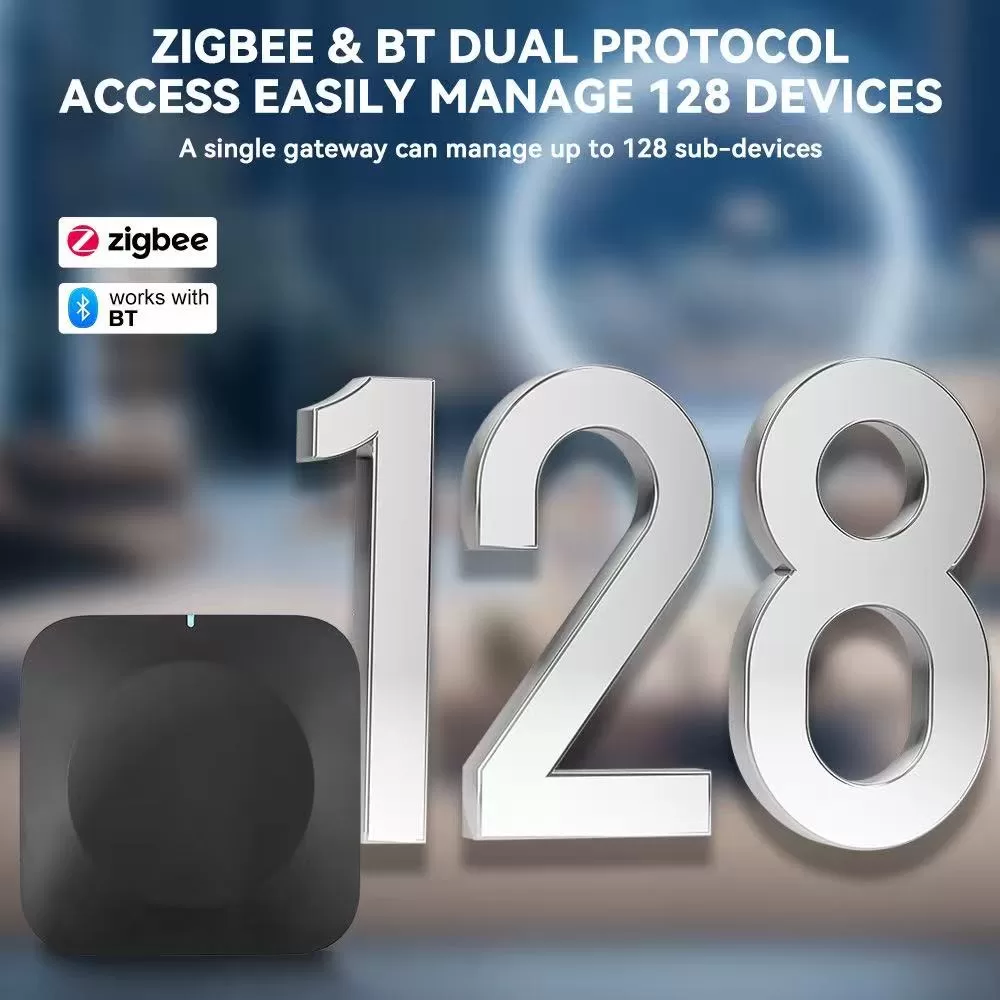
Zigbee 3.0 smart gateway hub supports 128 devices dual protocol access

Why Your Gateway Choice Matters

Wired vs Wireless Zigbee 3.0 Gateway
Zigbee 3.0 Smart Gateway Hub with mobile APP Control interface” width=”300″ height=”300″> Xingliao Zigbee 3.0 Smart gateway hub connected to mobile app for home automation control
Your smart home gateway is the brain of your entire system. Every light, sensor, lock, and switch connects through it. Pick the wrong one, and you’ll face dead zones, lag, or constant re-pairing headaches. Pick the right one, and your home runs like magic. Zigbee 3.0 is the gold standard for smart home connectivity. It’s fast, secure, and uses so little power that battery devices last for years. But here’s the decision most buyers miss: wired or wireless gateway?


Wired Gateway: The Powerhouse

A wired Zigbee 3.0 gateway connects via Ethernet cable. It’s the heavy-duty option built for serious smart homes.

Best for:

  • Large homes with 50+ devices
  • Users who want maximum stability
  • Smart home enthusiasts expanding their ecosystem

The numbers: Supports up to 130 connected devicesThat’s enough for every room, every sensor, every switch in a multi-story house.

Pros:

  • Rock-solid connection. No Wi-Fi interference, no dropouts.
  • Faster response times. Commands travel through cable, not air.
  • Handles massive device loads without slowing down.
  • Works even if your Wi-Fi router acts up.

Cons:

  • Needs an Ethernet port nearby.
  • Less flexible placement. You’re tied to the cable.

Wireless Gateway: The Flexible Starter

A wireless Zigbee 3.0 gateway connects through Wi-Fi. It’s the plug-and-play option for getting started fast.

Best for:

  • Apartments and small homes
  • Renters who can’t run cables
  • Beginners testing smart home waters

The numbers: Supports 30-40 connected devicesPerfect for a few rooms of automation.

Zigbee 3.0 gateway hub front view compact design
Compact palm-sized Zigbee 3.0 gateway hub with minimalist design

Pros:

  • Place it anywhere. No cable restrictions.
  • Setup in minutes. Plug in, connect to Wi-Fi, done.
  • Easy to relocate if you rearrange your space.

Cons:

  • Wi-Fi.

1-2,30
3,30,
()
Wi-Fi

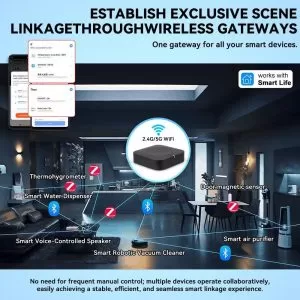
Zigbee mesh network multiple smart devices connected
Zigbee 3.0,

Zigbee 3.0:

  • AES-128—
  • —,
  • —,
  • —
  • —,

odmhome.com?WhatsApp+86 176 6666 9273xingliaoshop@gmail.comxingliaotech.com


?

Zigbee gateway hub package contents unboxing
USB-C,

odmhome.com —,


odmhome.com?WhatsApp +86 176 6666 9273,xingliaoshop@gmail.com.xingliaotech.com.

Related Articles

You Might Also Like
Frequently Asked Questions

Is Choose Between Wired Wireless worth buying?

Based on the breakdown in this article, Choose Between Wired Wireless offers a solid mix of features and value. If your main goal matches the key benefits described above, it is a practical choice for everyday use.

How do I choose the right choose between wired wireless for my needs?

Start with your core use case, then compare battery life, compatibility, and build quality as covered above. Choosing the right choose between wired wireless comes down to matching specs with how you actually use it. Smart Fingerprint Door Lock: Keyless Security with Tuya Smart

Does choose between wired wireless require a companion app?

Most devices of this type pair with a free companion app for setup and firmware updates. A few advanced features may sit behind a paid plan, so check the official specs page before buying. Video Doorbell Review 2026: What to Look For, Smart Features Compared, and Buyer's Guide

Posted on — Leave a comment

Smart Door Sensor: How to Choose the Best WiFi Door & Window Sensor

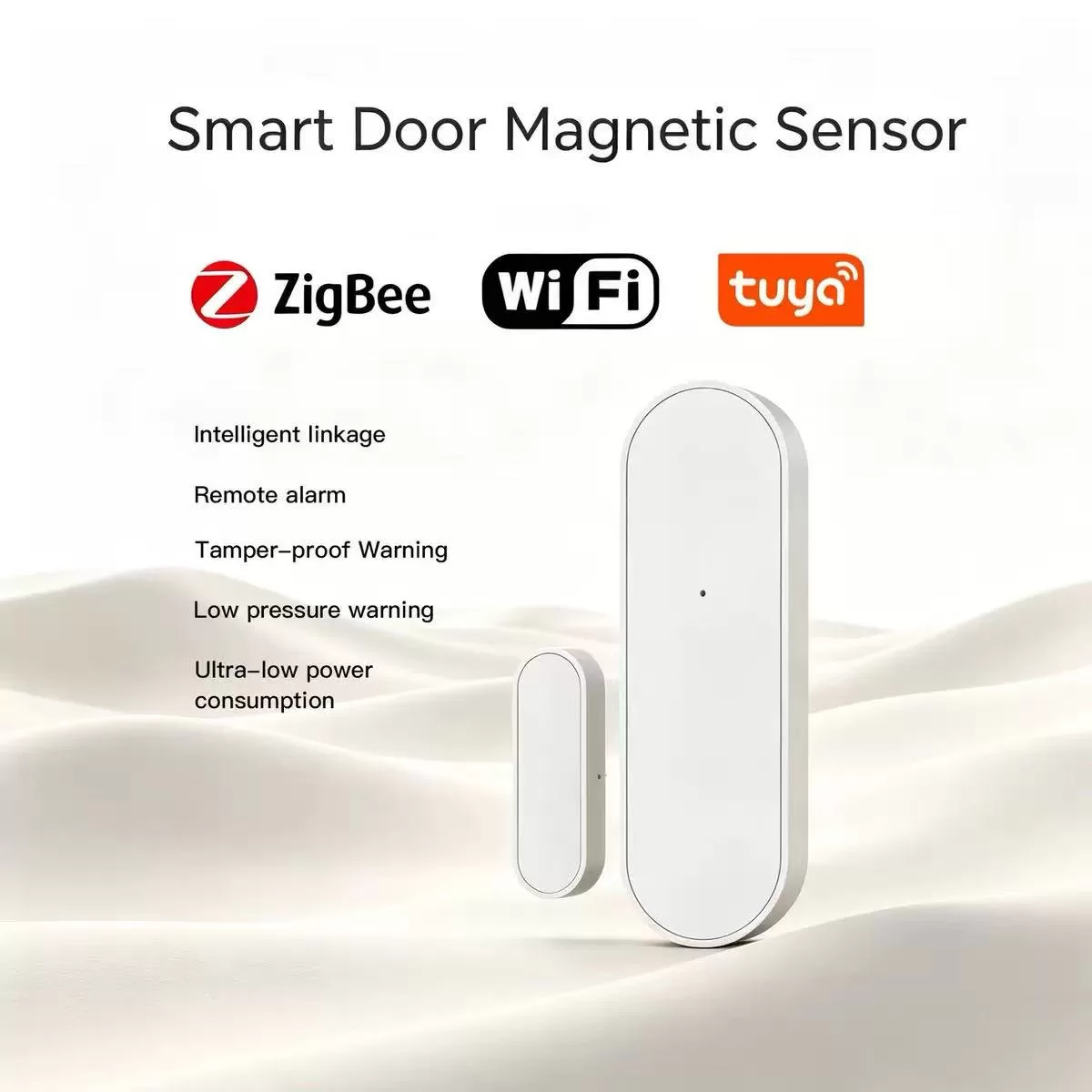
Tuya Zigbee smart door magnetic sensor for home security system
Tuya Smart door magnetic sensor featuring Zigbee and WiFi connectivity. Wireless door/window sensor for smart home security systems. Compatible with Tuya Smart Life app and major smart home platforms.

How to Choose a Smart Door Sensor in 2026: The Tiny Device That Secures Everything

However, A smart door sensor is an essential device for home security.>One opening. One alert. One line of defense you never knew you needed.

How to Choose a Smart Door Sensor

home security guide
smart door sensor products


Wait — Is Your Home Actually Protected When You’re Away?

Let’s start with a Simple test.

Therefore, You’re at work. Your kids are at school. Your front door is locked, windows closed, garage secured. You check your security camera app — everything looks fine. But here’s the question: Video Doorbell Review 2026: What to Look For, Smart Features Compared, and Buyer’s Guide

Moreover, How would you know if someone opened a window on the second floor? Best Smart Home Starter Kit for 2026: Switches, Doorbells, Cameras, Sensors and Pet Feeders Compared

In addition, Your camera covers the driveway. Your doorbell watches the porch. But what about the back window? The basement entry? The sliding door to the patio? Smart WiFi Pet Feeder: Automated Pet Care with APP Control Smart Home Market Trends 2026: What Distributors Must Know About Modular Security, Voice Control and Energy-Saving Devices

For example, In 2026, 60% of break-ins happen through unsecured entry points — not the front door, but the window you left cracked for air, the side door you forgot to check, the garage door that didn’t quite close. Smart Home Wholesale FAQ: 15 Questions Every Buyer Asks Before Ordering in Bulk Q81 Wireless Button Microphone – Mini Invisible Lapel Mic for Vlogging, Interview & Live Streaming

Consequently, A security camera sees what happens. A door sensor tells you something is happening — instantly

So before you buy another camera that watches your driveway, let’s talk about the unsung hero of home security: the smart door and window sensor.


The 2026 Smart Sensor Checklist: What Really Matters

1. Response Speed: Every Second Counts

When a door opens unexpectedly, you have a 3-second window to respond before an intruder is inside. Not 30 seconds. Not a minute. Three seconds.
2026 response time standards:

  • Excellent< 1 second from trigger to alert
  • Good1-2 seconds
  • Acceptable2-3 seconds
  • Unacceptable> 3 seconds

Why speed matters:

  • Faster alert = faster reaction
  • Instant sirens deter intruders immediately
  • Real-time notifications let you call authorities while the event is happening, not after

The technology behind speed:

  • WiFi 6 direct connection — no hub delay
  • Local processing — alert generated on-device, not in the cloud
  • Push notification priority — bypasses Do Not Disturb for security alerts

2. Connectivity: WiFi vs. Zigbee vs. Z-Wave

In 2026, sensors connect three ways. Each has trade-offs:

Protocol Pros Cons Best For
WiFi No hub needed, direct to router, long range Higher power use, network congestion Standalone installations, renters
Zigbee 3.0 Low power, mesh network, reliable Requires hub/gateway Integrated smart homes
Z-Wave Dedicated frequency, less interference Requires hub, declining ecosystem Legacy installations
Matter/Thread Universal standard, local-first Still rolling out in 2026 Future-proof builds

Our recommendation for 2026: WiFi 6 sensors for simplicity, Zigbee 3.0 for integrated systems. Matter-compatible if you’re building for 2027+.

3. Battery Life: Set It and Forget It

Nothing kills security faster than a dead sensor you forgot to check.

2026 battery life benchmarks:

  • Poor3-6 months (constant replacement hassle)
  • Average6-12 months (acceptable but annoying)
  • Good1-2 years (set and forget)
  • Excellent2+ years or USB-C rechargeable

What drains battery fast:

  • Frequent false alarms (vibration sensitivity too high)
  • Weak WiFi signal (sensor works harder to maintain connection)
  • Cold temperatures (lithium batteries lose capacity below 0°C)
  • Excessive polling (hub constantly asking for status)

Pro tip: Look for sensors with battery level alerts — notification when power drops below 20%, not sudden death.

4. Detection Accuracy: No More False Alarms

The #1 reason people disable security sensors? False alarms.

Common false alarm triggers:

  • Wind rattling windows
  • Heavy trucks passing by
  • Temperature expansion/contraction
  • Pets bumping doors
  • Vibrations from appliances

2026 accuracy features:

  • Adjustable sensitivity — dial in the perfect threshold
  • Vibration filtering — distinguishes between door opening and door shaking
  • Tamper detection — knows if someone tries to remove or block the sensor
  • Temperature compensation — maintains accuracy from -10°C to 60°C

The 5-second rule: A quality sensor should distinguish between “door opened” and “door vibrated” within 5 seconds of analysis.

5. Integration: Does It Play Well With Others?

A sensor that only beeps is a doorbell, not a security device.

2026 integration must-haves:

  • Smart home platformsAlexaGoogle HomeApple HomeKitSmartThings
  • Security systemsTrigger cameras, sirens, lights automatically
  • Automation enginesIf door opens, then turn on lights + start recording + send alert
  • IFTTT/ZapierConnect to non-smart devices and services

Real-world automation examples:

  • Front door opens at 11 PM → All lights turn on + Camera starts recording + Alert sent
  • Window opens while away → AC turns off + Push notification + Siren arms after 30 seconds
  • Garage door opens unexpectedly → Interior cameras activate + Phone call initiated

6. Installation: Magnetic vs. Mechanical

Magnetic sensors (most common):

  • Two pieces: sensor body + magnet
  • Install on door/window frame and moving part
  • Gap tolerance: 2-3cm typical
  • ProsEasy install, no moving parts, reliable
  • ConsVisible, can be bypassed if gap is too large

Mechanical sensors (advanced):

  • Single unit with internal accelerometer
  • Detects vibration, tilt, or position change
  • ProsHidden installation, harder to bypass
  • ConsMore expensive, complex calibration

2026 recommendationMagnetic for 90% of installations. Mechanical for high-security scenarios.

7. Form Factor: Invisible Security

The best security is security you don’t see.

2026 design trends:

  • Ultra-thin< 10mm thickness, blends with door frame
  • Neutral colorsWhite, black, silver — matches any decor
  • Flexible mountingAdhesive, screws, or magnetic attachment
  • Indoor/outdoor ratedIP54 minimum for exterior doors/windows

Size matters: A sensor the size of a pack of gum is better than one the size of a smartphone. Smaller = more placement options = better security coverage.

8. Notification Options: More Than Just a Beep

When something happens, how do you want to know?

2026 notification methods:

  • Push notification — phone buzz, instant awareness
  • SMS text — works even without internet
  • Phone call — automated call with voice alert
  • Email — detailed log with timestamps
  • Smart speaker — “Front door opened” announced throughout house
  • Strobe light — visual alert for hearing-impaired
  • Siren — 110dB deterrent, programmable delay

The best sensors offer tiered alerts:

  • Immediate: Push notification
  • 30 seconds: SMS if not acknowledged
  • 60 seconds: Phone call if still not acknowledged
  • 120 seconds: Siren activates, authorities notified

The Hidden Costs of Cheap Sensors

That $9 sensor on Amazon looks tempting. Here’s the real cost:

Cost Factor Cheap Sensor Quality Sensor
Purchase price $9 $25-40
Battery replacements (3 years) $15 (6 changes) $0 (2+ year life)
False alarm stress High Low
Failed detection risk Real Minimal
App subscription $3/month $0
3-year total $132 $25-40

The $9 sensor isn’t cheaper. It’s just more expensive in frustration.


So, What’s the Answer? One Sensor. One Network. Total Awareness.

After installing sensors in hundreds of homes, the pattern is clear: security isn’t about cameras watching — it’s about knowing instantly when something changes.

A camera records the break-in. A sensor prevents it.

This is where the Tuya WiFi smart door sensor approach stands out in 2026. It’s not just a magnetic switch with a WiFi chip — it’s a complete entry-point awareness system.

The technical foundation:

  • WiFi 6 direct connection — no hub, no bridge, no delay. Connects straight to your router
  • < 1 second alert speed — from door opening to phone notification
  • 2+ year battery life — set it and genuinely forget it
  • Adjustable sensitivity — dial in the perfect balance of detection vs. false alarms
  • Tuya Smart Life app — one app for sensors, cameras, lights, locks, everything
  • Voice assistant ready — “Alexa, is the back door closed?”

But the real power? The ecosystem.

This sensor doesn’t work alone — it works with:

  • Smart cameras — door opens, camera starts recording instantly
  • Smart lights — entry detected, pathway illuminates automatically
  • Smart plugs — trigger any device: siren, radio, TV
  • Smart displays — show door status on kitchen or bedroom screens
  • Other sensors — create zones: “If any ground-floor sensor triggers, activate all defenses”

Real-world scenario:

It’s 2 AM. You’re asleep. A window in the guest bedroom opens.

Without sensors: Nothing. Maybe the camera catches something. Maybe not. You’ll find out in the morning.

With Tuya sensors:

  • 0.5 seconds: Sensor detects opening
  • 1 second: Push notification hits your phone
  • 2 seconds: Bedroom smart display shows “Guest bedroom window OPEN”
  • 3 seconds: Hallway lights turn on at 10% brightness
  • 5 seconds: Camera in guest bedroom starts recording
  • 10 seconds: If not acknowledged, siren begins soft warning beep
  • 30 seconds: If still not acknowledged, full 110dB alarm activates

You wake up informed, not surprised.


Final Verdict: What Should You Buy in 2026?

If you live in an apartment:
Start with front door + main window. Two sensors cover 80% of entry points. Add balcony door if applicable.

If you have a house:
Minimum six sensors: front door, back door, garage door, and three ground-floor windows. Add basement entry if you have one.

If you have a business:
Every entry point + stock room + cash handling area. Integrate with existing alarm system. Consider mechanical sensors for high-value areas.

If you want maximum security:
Sensors on every door and window, plus glass-break detectors, motion sensors, and cameras. Create layered zones with escalating responses.

If you want simplicity:
WiFi sensors, no hub, Tuya Smart Life app. Install in 5 minutes per sensor. Works with everything.


The Bottom Line

Choosing a smart door sensor in 2026 isn’t about finding the cheapest device or the most features. It’s about reliable awareness — knowing, instantly and accurately, when something in your home changes.

Ask the hard questions:

  • Will this alert me before an intruder is inside?
  • Will it work when my internet is slow?
  • Will I remember to change the battery?
  • Will it integrate with the devices I already own?
  • Will my family actually use it?

Get those answers right, and that tiny sensor becomes the silent guardian of everything you care about.

One opening. One alert. One decision that keeps everything safe.


What’s your current home security setup? Do you rely on cameras alone, or have you added sensors? Share your experience in the comments — I’d love to hear what’s working (and what isn’t) in your home.


Ready to secure every entry point? Explore the full range of Tuya WiFi smart door and window sensors and find your perfect fit.

Contact Xingliao () today:

  • WhatsApp/WeChat+86 17666669273
  • Websitexingliao.com
  • Emailinfo@xingliao.com
  • LocationShenzhen, China — Global shipping available

From single door sensors to complete home security systems — all built on the Tuya ecosystem with One Screen One System integration.


About the author: Smart home security consultant with 12 years of experience designing entry-point protection systems for residential and commercial properties. Currently maintaining a 24-sensor network across two locations — zero false alarms in 18 months.

Related Articles

You Might Also Like
Frequently Asked Questions

Is Door Sensor Choose Wifi worth buying?

Based on the breakdown in this article, Door Sensor Choose Wifi offers a solid mix of features and value. If your main goal matches the key benefits described above, it is a practical choice for everyday use.

How do I choose the right door sensor choose wifi for my needs?

Start with your core use case, then compare battery life, compatibility, and build quality as covered above. Choosing the right door sensor choose wifi comes down to matching specs with how you actually use it.

Does door sensor choose wifi require a companion app?

Most devices of this type pair with a free companion app for setup and firmware updates. A few advanced features may sit behind a paid plan, so check the official specs page before buying.

Recommended Products