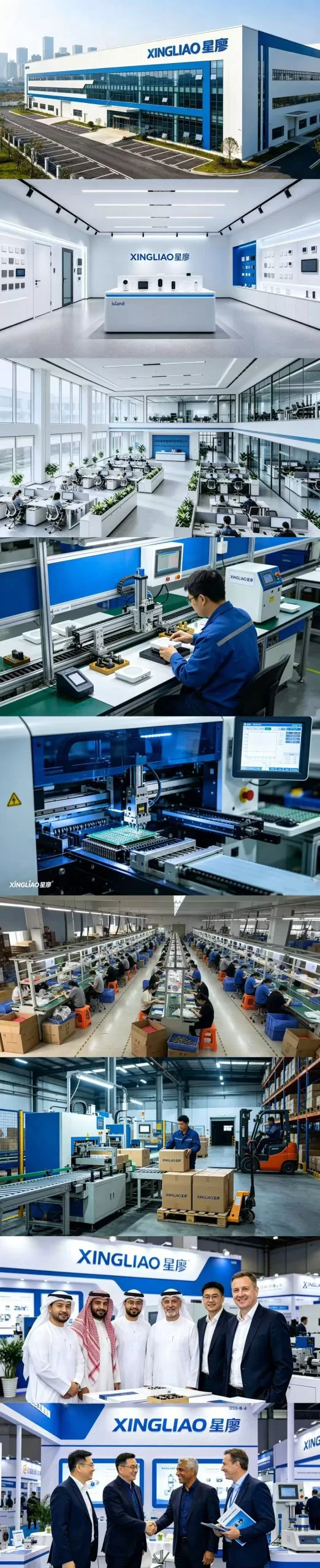
However, Quick answer: Verify that the supplier actually manufactures (ask for the business licence scope and a live Video walkthrough of the SMT line), confirm the certifications your Market requires before you discuss price, check who owns the firmware and whether protocol support such as Zigbee or Matter is in-house, insist on a pre-production sample plus a retained golden sample, and only then negotiate cost. Buyers who reverse that order consistently pay more in the long run.
<figure class="wp-block-image size-large">
Step 1: Establish Whether You Are Talking to a Factory
Therefore, A large share of the “manufacturers” listed on B2B platforms are trading companies, which is not automatically bad — traders can consolidate small orders across categories — but you should know. This one you are dealing with. This is because it determines your cost floor and how quickly a technical change can be made. Smart Home Automation Guide 2026: 7 Practical Scenes That Save Time, Money and Energy
- Check the business licence. The registered business scope on a Chinese business licence states whether manufacturing is permitted. Ask for a copy and read the scope, not just the name.
- Ask for a live video walkthrough. Not a promotional film. Therefore, Ask to see the SMT line, the assembly floor and the ageing test rack, live, with a specific request such as “show me the board being tested”.
- Ask a technical question only engineering could answer. Something like “which Zigbee module is on this board, and can it be swAPPed for a different chipset?” A trader has to go and ask; a factory answers on the call.
- Count the assembly lines and ask about monthly capacity. Vague answers about capacity usually mean the work is subcontracted.
Step 2: Settle Certifications Before You Discuss Price
Moreover, This is where most first orders go wrong. Prices Get agreed, samples get approved, and only then does someone discover the unit is not certified for the destination market — at. This point certification becomes a several-month delay.
| Market | Commonly required | Notes |
|---|---|---|
| European Union | CE (RED for radio devices), RoHS, REACH | Radio equipment needs RED, not just the CE mark |
| United Kingdom | UKCA, RoHS | Separate from CE; check the current transition rules |
| United States | FCC (Part 15 for radio), UL/ETL where mains powered | Retailers often require UL even where law does not |
| Canada | ISED, CSA or cUL | Often bundled with US approvals |
| Australia / NZ | RCM | Requires a local responsible supplier |
| Battery shipments | UN38.3, MSDS | Needed for air and sea freight of lithium cells |
In addition, Ask specifically: do you already hold these certificates, and do they cover the exact model I am buying? A test report for a similar product is not the same as a certificate for your SKU. Best Smart Home Starter Kit for 2026: Switches, Doorbells, Cameras, Sensors and Pet Feeders Compared

Step 3: Ask Who Owns the Firmware
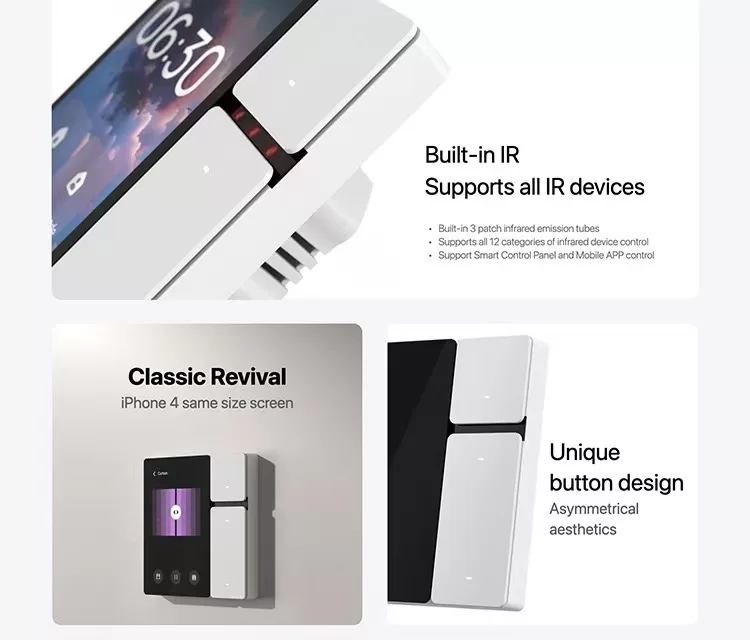
For example, smart home hardware is a software product wearing a plastic case. The questions that predict whether a supplier will be useful in year two are all about firmware: Q81 Wireless Button Microphone – Mini Invisible Lapel Mic for Vlogging, Interview & Live Streaming
- Is firmware developed in-house? If it is outsourced, a bug fix depends on a third party’s schedule.
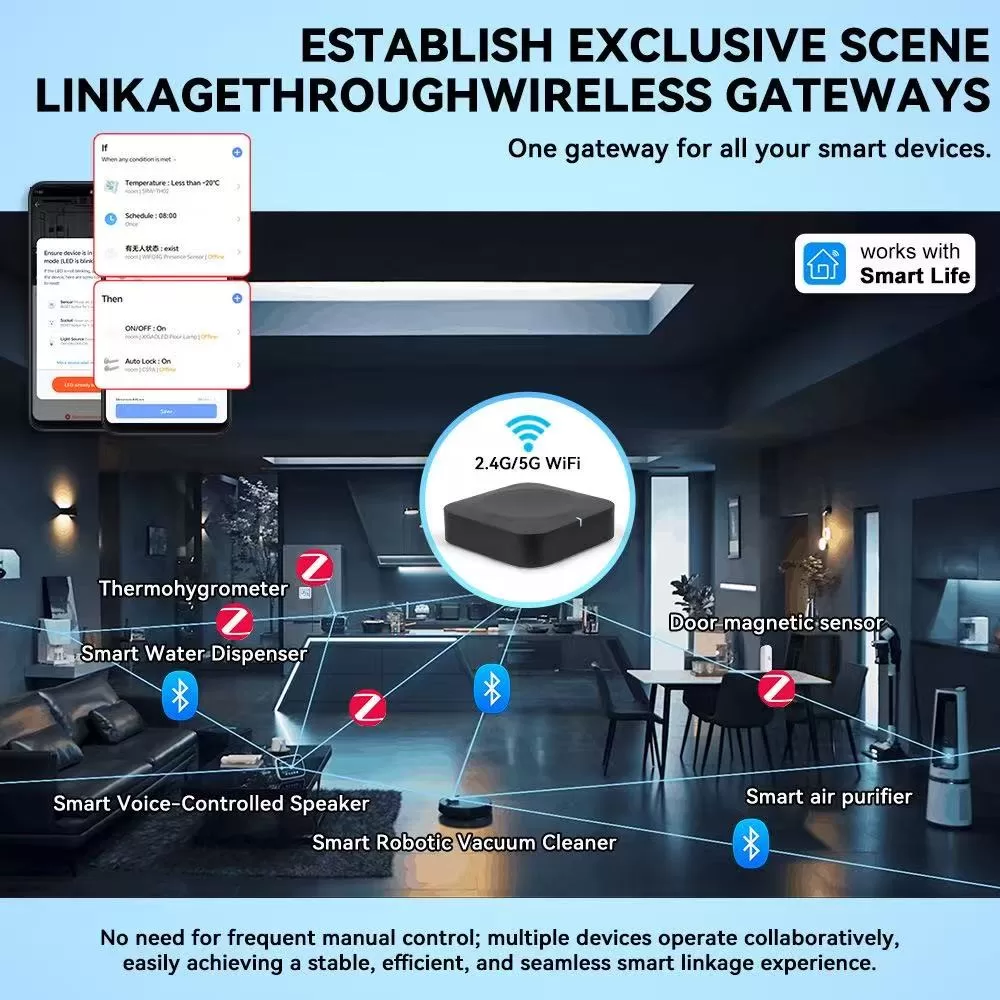
- Which protocols are supported, and can they be changed? Wi-Fi, Zigbee, Z-Wave and Matter each have different implications for your market. For example, Our protocol comparison covers the trade-offs in detail.
- Who hosts the cloud, and what happens if you change supplier? Being locked to a supplier’s cloud is a real commercial risk.
- Can the app be branded? White-label app availability is often the difference between a product line and a commodity.
- How are OTA updates delivered? Devices in the field need Security patches.
Step 4: Understand the Real Cost Structure
Therefore, Unit price is one line in a much longer calculation. Before comparing quotes, make sure every supplier is quoting on the same basis: Smart Home Wholesale FAQ: 15 Questions Every Buyer Asks Before Ordering in Bulk
- Incoterms — EXW, FOB and CIF are not comparable numbers. Standardise on one before comparing.
- Tooling and mould charges — who owns the tool, and does it transfer if you move production?
- MOQ per variant — a Low headline MOQ that applies per colour or per SKU is not a Low MOQ.
- Packaging and printing plates — custom retail packaging carries its own setup cost and lead time.
- Certification modifications — changing an antenna or a power supply can invalidate an existing certificate.
- Spare parts policy — agree a defect rate and a spares allocation up front.
Step 5: Sample Properly — The Three-Sample Rule
One sample is not enough. In addition, Order three, from separate production runs where possible:
- Engineering sample — to confirm the specification and test the app.
- Pre-production sample — built with production tooling, to confirm fit, finish and packaging.
- Retained golden sample — signed off and kept by both sides as the reference for inspecting bulk shipments.
Then test the samples in conditions that resemble real use, not a bench: weak Wi-Fi, cold mornings, a fully charged and a nearly flat battery, and several days of continuous operation. Most field failures are environmental, and a bench test will not surface them.
Step 6: Inspect Before Shipment
Whatever the relationship, pay for a third-party pre-shipment inspection on the first three orders at minimum. It is a small cost relative to a container of returns. Moreover, Specify:
- AQL level — the acceptable quality limit, agreed in writing.
- Function testing — a defined percentage powered on and paired.
- Packaging and labelling check — barcodes, country of origin, warning text, manual language.
- Drop-test and carton check — export packaging failures cause damage nobody insures.
Red Flags Worth Walking Away From
- Refusal to do a live factory walkthrough, or a walkthrough that never shows the production floor.
- Certificates that do not match the model number being quoted.
- Pressure to skip the pre-production sample.
- Firmware questions answered only by sales staff, repeatedly.
- Quotes that change after the deposit is discussed.
- No written warranty or defect-rate commitment.
How Xingliao Works With Buyers
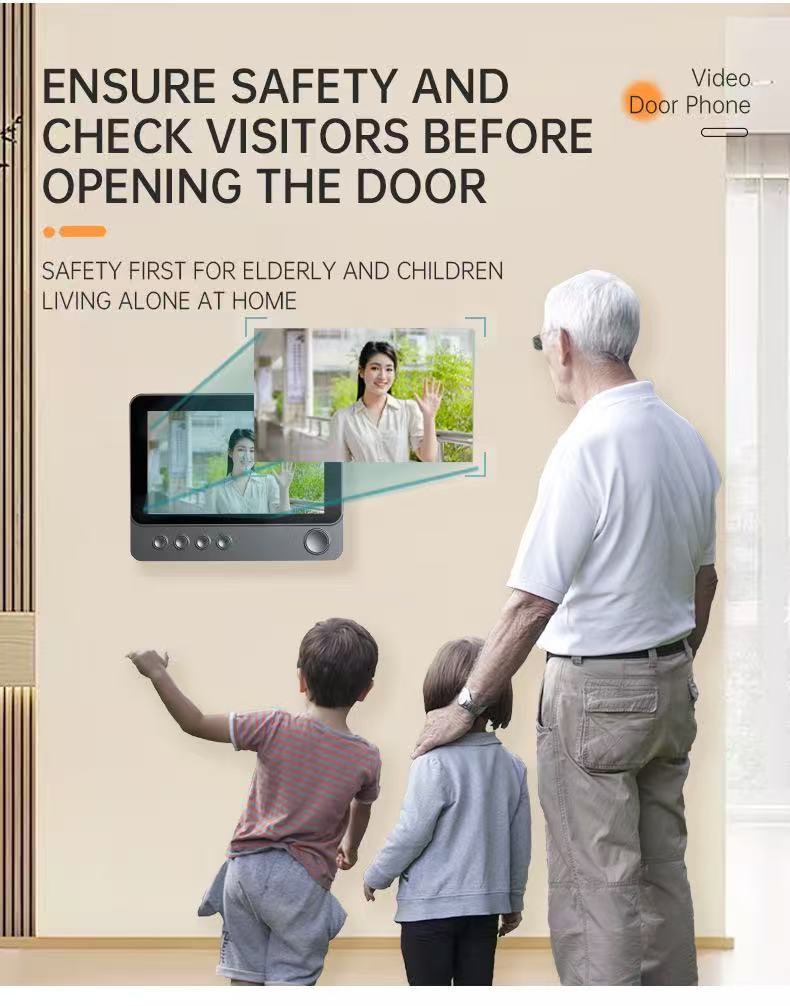
Xingliao Smart Home manufactures video doorbells, control panels, cameras, sensors and gateways on its own production lines, which means the conversation can start at the engineering level rather than the catalogue level. OEM branding, custom packaging, protocol configuration and firmware adjustments are handled in-house. Take a look at the factory to see the assembly and testing process, or review the current product range.
Frequently Asked Questions
What is a realistic MOQ for OEM smart home devices?
It depends on whether you change the tooling. Using an existing mould with your own branding usually starts in the hundreds; a new enclosure design moves to the thousands. Furthermore, Ask which applies rather than accepting a single headline number.
How long does certification take?
If the supplier already holds certification for the exact model, it is immediate. A new radio certification typically runs several weeks to a few months depending on the market and the test house backlog — which is why it should be settled before pricing.
Can I use my own app?
Often yes, if the supplier documents the device API or supports a standard platform. Ask whether the cloud is supplier-hosted or whether a local API is available.
What warranty terms are normal?
Twelve months is typical for smart home hardware, with an agreed defect-rate allowance and spare parts supplied against confirmed failures. As a result, Get both the period and the remedy in writing.
Start the Conversation
Send us your target market, the categories you want and your volume range, and we will tell you honestly whether we are the right fit. Contact the team with your requirements.
Related Articles
- Smart Home Protocols Compared: Wi-Fi vs Zigbee vs Z-Wave vs Matter (2026 Buyer’s Guide)
- How to Choose the Right Video Doorbell for Your Market: A Distributor’s Guide
- smart_home_panel_guide_2026
- blog-essential-smart-home-devices-v2
You Might Also Like
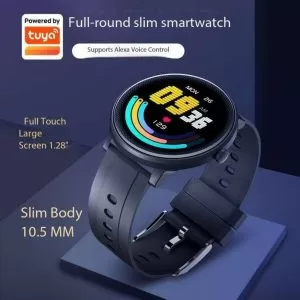 Tuya Smart Watch 1.28 Inch Full Round HD – Alexa Voice Control Blood Oxygen Heart Rate Pressure Monitor Original price was: $69.96.$52.99Current price is: $52.99.
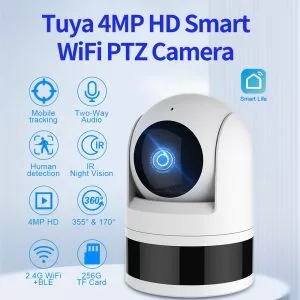 Tuya 4MP Indoor WiFi Smart Camera – HD Night Vision Pan-Tilt Remote Home Monitor with Two-Way Audio Original price was: $39.96.$29.98Current price is: $29.98.
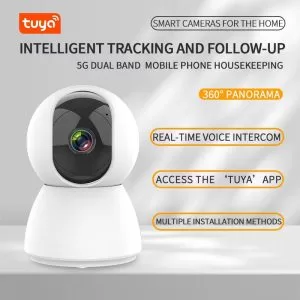 Tuya 2MP 4MP Indoor PTZ Smart Camera – 360° Panoramic WiFi Pan-Tilt Home Monitor with Two-Way Audio Price range: $21.69 through $25.96
