Posted on — Leave a comment

Battery Camera vs Plug-In Camera: Choosing Each Room’s Camera

Buying one Camera for the whole house usually means compromising somewhere. A Battery Camera can go anywhere but sleeps between events; a plug-in camera can record continuously but only where there is a socket. Most homes end up with a mix, and the trick is knowing which rooms justify which.

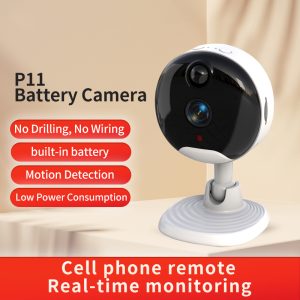
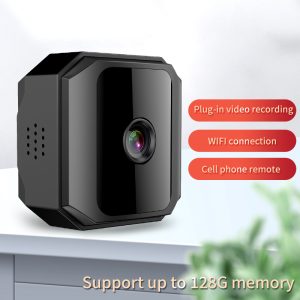
The models below are all in our security camera range: the battery-powered P9 and P11, and the plug-in P10 mini.

The core trade-off

Battery Camera Plug-in Camera
Placement Any surface, no wiring Within reach of a socket
Recording Clips on motion Continuous or on motion
Resolution headroom Limited by battery budget Higher bitrate and frame rate
Upkeep Recharge every few months None
Best for Hallways, shelves, rentals, garages Nurseries, living rooms, anywhere with 24/7 value

Room by room

  • Entrance hallway. Battery. You want it at head height near the door, and there is rarely a socket there. Motion clips catch whoever comes in.
  • Living room. Plug-in if you want continuous coverage of a large open space; battery if you only care about motion while you are out.
  • Nursery or pet area. Plug-in. Continuous recording and two-way audio matter more here, and a socket is usually available — see our baby monitor range for dedicated units with their own screens.
  • Garage or shed. Battery, unless there is mains. A solar panel model removes the charging trip entirely.
  • Flat or rental. Battery, mounted with an adhesive pad so nothing is drilled.

What “low power” actually costs you

A battery Camera stays asleep and wakes when its PIR sensor fires. Two consequences follow. First, there is a short delay between someone entering the frame and the clip starting — a second or two, sometimes more if the sensor is pointed away from the approach path. Second, the Camera cannot record what it never woke for.

Both are acceptable for “who came through the hallway” and unacceptable for “I need the whole afternoon”. If the second sentence describes you, plug it in.

WiFi matters more than power

Every one of these cameras needs a usable 2.4 GHz signal where it sits. The usual failure is a camera mounted in a garage or at the far end of a hallway where the phone shows one bar. Test at the exact spot before you commit — hold a phone there, force 2.4 GHz, and run a speed check. A camera on a marginal link produces constant disconnects, missed clips and a battery that drains faster because it keeps re-associating.

Night vision and where you point it

Indoor cameras use infrared LEDs for night viewing. Two practical notes: infrared reflects off glass, so do not point a camera through a window at night (you will film the room, not the street) — for that job use a dedicated window camera. And infrared does not travel far, so a camera at the far end of a long room will show a bright foreground and a dark background.

FAQ

How long does a battery camera last per charge?
Typically weeks to a few months, depending on how often motion fires and how much live viewing you do. Busy hallways drain faster than spare rooms.
Can a battery camera record continuously if I leave it plugged in?
Some models will run while connected, but they are designed around motion events. If you want continuous footage, buy a plug-in model.
Do I need a subscription?
No. Local card storage covers clips, and cloud storage is optional on most models.
Can one app show several cameras?
Yes — the Tuya / Smart Life app handles multiple cameras in one account, which is why mixing battery and plug-in models is practical.
Will it work without internet?
Local recording to a card continues, but remote viewing and notifications need the internet.
Is one camera enough for a flat?
Usually yes for a one-bedroom, covering the entrance. See how many cameras a 3-bedroom home needs for larger layouts.

Related Articles

You Might Also Like

Frequently Asked Questions

Is Battery Camera Plug worth buying?

Based on the breakdown in this article, Battery Camera Plug offers a solid mix of features and value. If your main goal matches the key benefits described above, it is a practical choice for everyday use.

How do I choose the right battery camera plug for my needs?

Start with your core use case, then compare battery life, compatibility, and build quality as covered above. Choosing the right battery camera plug comes down to matching specs with how you actually use it.

Does battery camera plug require a companion app?

Most devices of this type pair with a free companion app for setup and firmware updates. A few advanced features may sit behind a paid plan, so check the official specs page before buying.

Does battery camera plug work with both iPhone and Android?

Yes, in most cases this type of device ships with iOS and Android apps, and standard Bluetooth protocols keep cross-platform pairing simple.

Posted on — Leave a comment

Battery vs Wired Video Doorbell: Power, WiFi and Mounting Compared

The battery-versus-wired decision shapes everything else about a Video doorbell: Where you can mount it, whether it can record continuously, and how often you think about it afterwards. Almost every other spec — resolution, field of view, night vision — matters less than this one.

Here is the comparison in plain terms, with the models in our video doorbell range as reference points: the AA-battery and rechargeable models such as the AA-powered WiFi doorbell and U9 rechargeable kit, against wired systems like the 2-wire intercom with a 7-inch monitor.

What each one needs at the door

Battery Doorbell Wired doorbell
Power Internal battery, charged off the Door Bell wires or a low-voltage transformer
Mounting Anywhere — adhesive pad or two screws Where the wires reach
Rental friendly Yes, fully reversible Usually not
Recording On motion / button press Can record continuously
Upkeep Recharge every few months None
Best at Flats, rentals, doors with no wiring Owned homes, high-traffic doors

Recording behaviour is the hidden difference

A battery doorbell sleeps and wakes on a trigger — a button press or a PIR detection. That is what makes a battery last months, and it is also why battery models can miss the moments between triggers. A wired unit can afford to stream and record continuously, which matters on a street-facing door where the interesting event might be a car, not a visitor.

If catching everything matters more than easy installation, wired wins. If you want a doorbell that simply works when someone presses it, battery is fine and far easier to fit.

WiFi is the other constraint, and it applies to both

App-based battery and WiFi doorbells both need a usable 2.4 GHz signal at the door. That is where installations usually fail, not at the power stage. Test before you buy: stand at the door with your phone, switch to 2.4 GHz, and check the signal. A thick external wall or a metal door can turn a strong indoor network into nothing at the doorstep.

If the signal is poor, the options are a WiFi extender nearer the entrance, or a kit that does not use your network at all — the monitor-based kits in our wireless doorbell comparison run their own link between camera and screen.

Choosing for a rental

Battery, every time. You can mount it with an adhesive bracket, take it with you when you leave, and refit the original bell. Avoid drilling into a frame unless your tenancy allows it, and keep the original chime wiring untouched so the next tenant inherits what you found.

Choosing for an owned home with existing bell wires

If there is already a working chime, you have free power at the door and a wired doorbell is the low-effort, high-reliability choice. A 2-wire Video intercom system also gives you a large indoor monitor and a properly loud ring — worth considering if the household includes people who will not check a phone notification.

FAQ
Can a battery doorbell record 24/7?
No, not practically. Continuous streaming would flatten the battery in days. Battery models record clips on motion or button presses.
Does a wired doorbell keep working during a power cut?
The doorbell loses power with the house, same as a wired chime. A battery model keeps running, though its WiFi usually goes with the router.
How often will I charge a battery doorbell?
Typically every two to six months depending on traffic, temperature and how often you view live Video. Cold winters shorten it.
Can I use the existing chime?
Some wired models can drive the existing chime; battery kits usually ship with their own indoor chime or rely on phone notifications. Check the product page for the specific model.
Is 2.4 GHz WiFi enough for Video?
Yes — doorbell Video is low-bitrate. The issue is signal strength at the door, not bandwidth.
Which is better for a door that gets strong afternoon sun?
Either works, but avoid direct sun on the lens and consider a model with an IP rating for exposed doors. Heat also ages batteries faster.

Related Articles

You Might Also Like
Frequently Asked Questions

Is Battery Wired Video worth buying?

Based on the breakdown in this article, Battery Wired Video offers a solid mix of features and value. If your main goal matches the key benefits described above, it is a practical choice for everyday use.

How do I choose the right battery wired video for my needs?

Start with your core use case, then compare battery life, compatibility, and build quality as covered above. Choosing the right battery wired video comes down to matching specs with how you actually use it.

Does battery wired video require a companion app?

Most devices of this type pair with a free companion app for setup and firmware updates. A few advanced features may sit behind a paid plan, so check the official specs page before buying.

Posted on — Leave a comment

Video Doorbell Without Subscription

A video doorbell Without a subscription is entirely possible: the camera writes to its own memory card and the clips stay in your house instead of a data centre. What you give up is convenience, not Security — and once you know exactly what a plan actually buys, choosing is straightforward.

Why the subscription exists

Every time a doorbell uploads a clip, it costs the brand storage and bandwidth, so most brands charge monthly for cloud history. The marketing rarely separates the two things bundled in that fee:

  • Event history: recordings stored for 30 to 180 days so you can scroll back to Tuesday afternoon.
  • Smarter alerts: person, package and vehicle detection, plus thumbnails in the notification itself.

Detection usually runs whether you pay or not on modern Models; the history is the part you lose. If you only need “who is at the door right now” plus a record of what happened today, local storage covers it. Smart Socket vs Smart Plug: Which to Buy?

Three ways to record without paying monthly

1. A memory card in the doorbell

The simplest path. A microSD card in the doorbell records every event, costs nothing per month, and keeps working when the internet does not. The clip is retrievable from the app as long as the doorbell is online, and you can pull the card if you ever need the footage on a computer. The limitation is physical: if someone takes the doorbell, the card goes with it. Smart Switch for Water Heater and AC

2. An indoor monitor or chime with a screen

Doorbell kits with an indoor screen store recordings inside the house, which solves the theft problem neatly — the camera may go, the footage stays. Several kits also run their own 2.4 GHz wireless link between camera and monitor, so no router and no app are involved at all. That makes them the best option when the WiFi at the front door is unreliable, or when the person using it does not want a smartphone app.

3. A recorder on the network

If you already run cameras, an NVR or a Home hub with storage can pull the doorbell stream alongside everything else. This is the most work to Set up and the most robust once it is running, and it is what most people with four or more cameras end up doing.

Power: battery, wired, or solar

  • Battery doorbells install in minutes with no drilling and no transformer, and they are the right answer for rented homes. They wake on motion rather than streaming, so battery life depends on how busy your door is.
  • Wired doorbells replace the existing bell Wiring and never need charging, but they need a transformer with enough capacity — check the rating before you connect one.
  • Solar doorbells top themselves up through a small panel and effectively remove charging from your list, provided the door gets reasonable daylight.

Doorbells that need no WiFi at all

Worth knowing if your router does not reach the front door: some kits use their own 2.4 GHz link between the outdoor camera and an indoor monitor. There is no app, no cloud, no account — you press the button, the screen lights up inside, and the event is written to the card in the monitor. For a household that wants a video doorbell and nothing else connected, that is often the calmest option.

Renting: the peephole option

A peephole doorbell replaces the existing door viewer and clamps in place — no drilling, no holes, and it comes off when you move. It sees the landing and whoever is standing at the door, and it records to its own card. Battery capacity matters here, so look for a large cell if the door gets a lot of traffic.

What to check before buying

  • Storage: does it take a card, and what is the maximum size?
  • Chime: is one included, or will you reuse the existing mechanical chime?
  • Power: battery, existing bell wiring, or solar — and is the transformer rated for it?
  • WiFi: 2.4 GHz and a usable signal at the door; test on your phone before you buy.
  • Features without a plan: two-way audio, night vision, live view and motion alerts should all work with no subscription.
  • Placement rules: in flats and leased buildings, check what you are allowed to fit on the door.

XingLiao video doorbells

Frequently Asked Questions

Do video doorbells work without a subscription?

Yes. Live view, two-way audio, motion alerts and local recording all work with no plan. What a subscription adds is cloud history — the ability to scroll back weeks — and sometimes smarter notification thumbnails.

What do I actually lose by not paying?

Off-site history. If the doorbell is stolen or destroyed, local recordings go with it, so serious users pair a card with either an indoor monitor that stores footage or a cloud plan on the one camera that matters most.

How much storage do I need?

A 32 to 128 GB card covers weeks of motion clips for a typical front door, because only events are written, not continuous video. Continuous recording needs considerably more.

Can I watch it when I am away from home?

Yes, as long as the doorbell and your phone both have internet. Local storage affects where clips are kept, not whether you can connect.

Will a battery doorbell work in winter?

It will, but cold reduces battery capacity and a busy door shortens charge life further. A wired or solar model is the better choice for a door that sees constant traffic.

Do I need existing doorbell wiring?

Not for battery, solar or peephole models — they mount with adhesive or a bracket. Wired models replace an existing bell and need a transformer with adequate output.

Is a peephole doorbell good enough for a flat?

Yes, and it is usually the only option a lease allows, because nothing is drilled. It sees the landing and the person at the door, which is what a flat needs.

Related guides

Browse all video doorbells · Describe your doorway and we will recommend a doorbell that records locally

Related Articles

You Might Also Like
Posted on — Leave a comment

How to Choose a Security Camera for Your Home

A home security camera is the One Smart home device people buy first and keep the longest, because it answers a simple question: what is happening at home right now? But the shopping guides rarely explain the trade-offs. Should you get a plug-in indoor camera or a battery one? Is 2MP enough or do you need 4MP? Does an outdoor camera need solar? This guide walks through every decision in plain terms, so the camera you order is the camera you actually keep using.

Start with the location, not the camera

Every camera is designed around a placement, so decide where it will watch before deciding what to buy:

  • Indoor monitor: a room, a pet, a baby, the front hallway. Any camera works; comfort features matter most.
  • Entry watch: the front door or driveway. Weatherproofing and motion detection matter most.
  • Whole-property watch: yard, parking, outbuildings. Battery life or solar charging becomes the deciding factor.

Buying an indoor camera and mounting it under the eaves “temporarily” is how people end up with a dead camera in month two. Match the camera to the spot and the rest of the choices follow. M3 Pro Foldable 3-Axis Gimbal Stabilizer, Professional Handheld Gimbal for Smartphones

Power: plug-in, battery, or solar

Plug-in cameras (USB or adapter) never run flat and can stream continuously. Put them wherever a socket is within reach — a shelf, a countertop, near the crib. Their one limit is placement freedom: you are tied to the socket.

Battery cameras Install anywhere in minutes with no drilling and no wiring, which is exactly why landlords and renters love them. The trade-off is that they wake on motion rather than streaming all day, so a busy street can drain a battery in a week and a quiet room can run three months. Check whether the battery is rechargeable and how it charges.

Solar cameras are battery cameras with a panel that tops them up daily. For outdoor spots with reasonable sun, they effectively remove charging from your chore list forever. A few cloudy weeks are fine; a permanently shaded north wall is not — put a plug-in or wired model there instead.

Resolution: what 2MP, 3MP and 4MP actually mean

Resolution is the most oversold number in the market. The honest version:

  • 2MP (1080p): plenty for seeing a person, a pet, or whether the door was left open. Fine for small rooms.
  • 3MP: a comfortable middle ground — wider view, sharper detail, still light on bandwidth.
  • 4MP and above: worth it when you need to read a license plate at the gate, recognize a face across a yard, or crop into recordings and still see detail.

Two features matter more than megapixels in practice: night vision quality and motion detection accuracy. Basic infrared night vision shows grey shapes; full-color night vision keeps usable detail after dark. And a camera that alerts on every passing cat will get its notifications muted within a week — human detection or PIR-based detection is what keeps alerts useful long-term.

Framing: fixed, pan/tilt, or dual-lens

A fixed camera watches one angle. Simple, cheap, and nothing to mechanically wear out.

A pan/tilt (PTZ) camera turns and tilts on command from your phone, covering a whole room from one corner. Ideal as a single indoor watcher — one camera, every angle.

A dual-lens camera combines a wide fixed lens with a zooming lens: the wide one detects, the tele one zooms in automatically. For driveways and gates this is the current best value, because you get context and detail from one device.

Storage and what happens when you need the footage

  • TF card (microSD): records locally in the camera, works without any subscription, footage stays in your house. Most home users should insist on this option.
  • Cloud storage: convenient and survives a stolen or smashed camera, but usually a recurring fee.
  • Both: the comfortable answer — card for everyday, cloud as backup for the events that matter.

WiFi and app reality checks

Nearly every consumer camera in this class uses 2.4 GHz WiFi. If your router merges 2.4 and 5 GHz into one network name, pairing usually still works, but a weak signal at the far end of the garden is the number-one cause of “my camera keeps going offline.” Check the signal where the camera will hang before you blame the camera. The app side matters too: a camera running the Tuya or Smart Life ecosystem can sit in the same app as your switches, sockets and sensors, which is worth a lot once your Smart home grows past three devices.

A quick buying checklist

  • Where exactly will it hang, and is there power or sun there?
  • Indoor comfort or outdoor weatherproofing (IP65 or better)?
  • Do I need to identify faces and plates (4MP, dual-lens) or just see what’s happening (2-3MP)?
  • Full-color night vision if the area matters after dark.
  • Human or PIR detection, so alerts stay useful.
  • TF card slot, cloud, or both.
  • Does it join the same app as my other devices?

XingLiao security cameras

Frequently Asked Questions

How many cameras do I need for a house?

One well-placed camera per priority area beats four covering random corners. Typical starters: one indoor main-area watcher, one at the main entry. Add a solar outdoor unit for the driveway when the first two prove their value.

Do security cameras need WiFi?

WiFi cameras do — that is how you get live view and alerts on your phone. If the camera spot has no usable WiFi, options include cameras with local TF recording and screen-based Doorbell systems that run their own wireless link, no router required.

What resolution should I choose?

For rooms and general awareness, 2MP is fine. For entries, driveways or anything you might need as evidence, choose 3MP or 4MP. Beyond that, lens quality and night vision matter more than extra pixels.

Are battery cameras reliable?

Yes, with realistic expectations. They wake on motion rather than streaming continuously, so battery life depends on how busy the spot is. In a quiet indoor spot a charge lasts months; on a street with constant traffic it can be weeks. Solar panels solve this outdoors.

Can I use a security camera as a baby or pet monitor?

Indoor cameras with two-way audio and pan/tilt do this well — you can talk, listen and follow movement. Look for color night vision so the room stays visible without lights.

What is the difference between a security camera and a video doorbell?

A doorbell is a camera with a button and a chime, designed for the door and two-way conversation with visitors. A security camera is a general watcher. Many homes end up with one of each — the doorbell handles people, the camera handles everything else.

Do I need to pay a monthly fee?

Not with TF-card cameras — recording is local and free. Cloud plans are optional extras for off-site backup, typically a few dollars a month per camera.

Related guides

Browse all security cameras · Tell us where you want coverage and we will recommend the right model

Related Articles

You Might Also Like