Posted on — Leave a comment

Smart Home Wholesale FAQ: 15 Questions Every Buyer Asks Before Ordering in Bulk

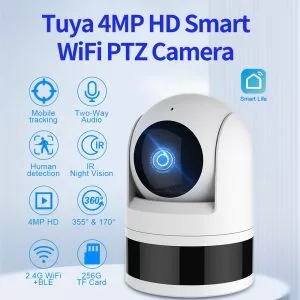
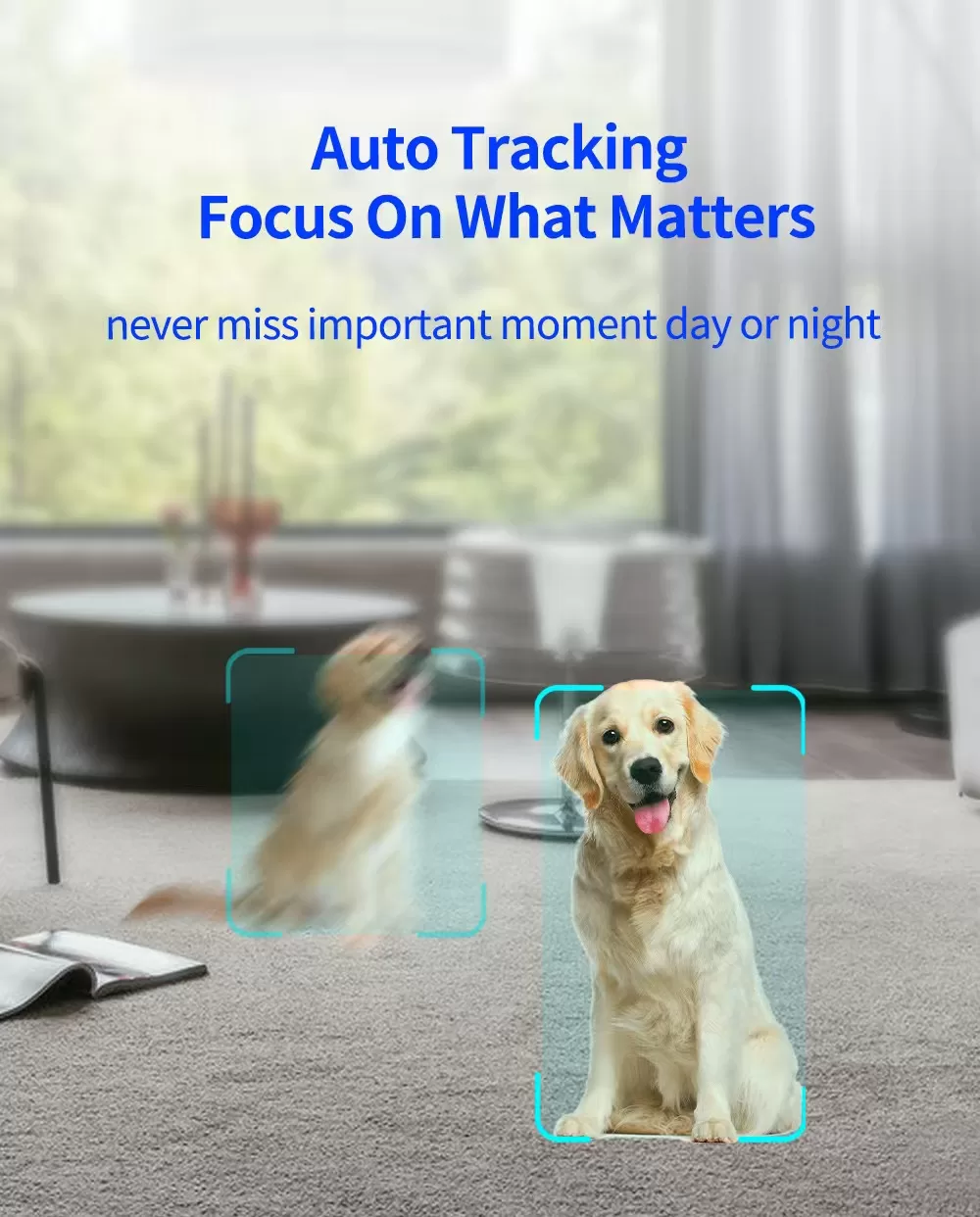
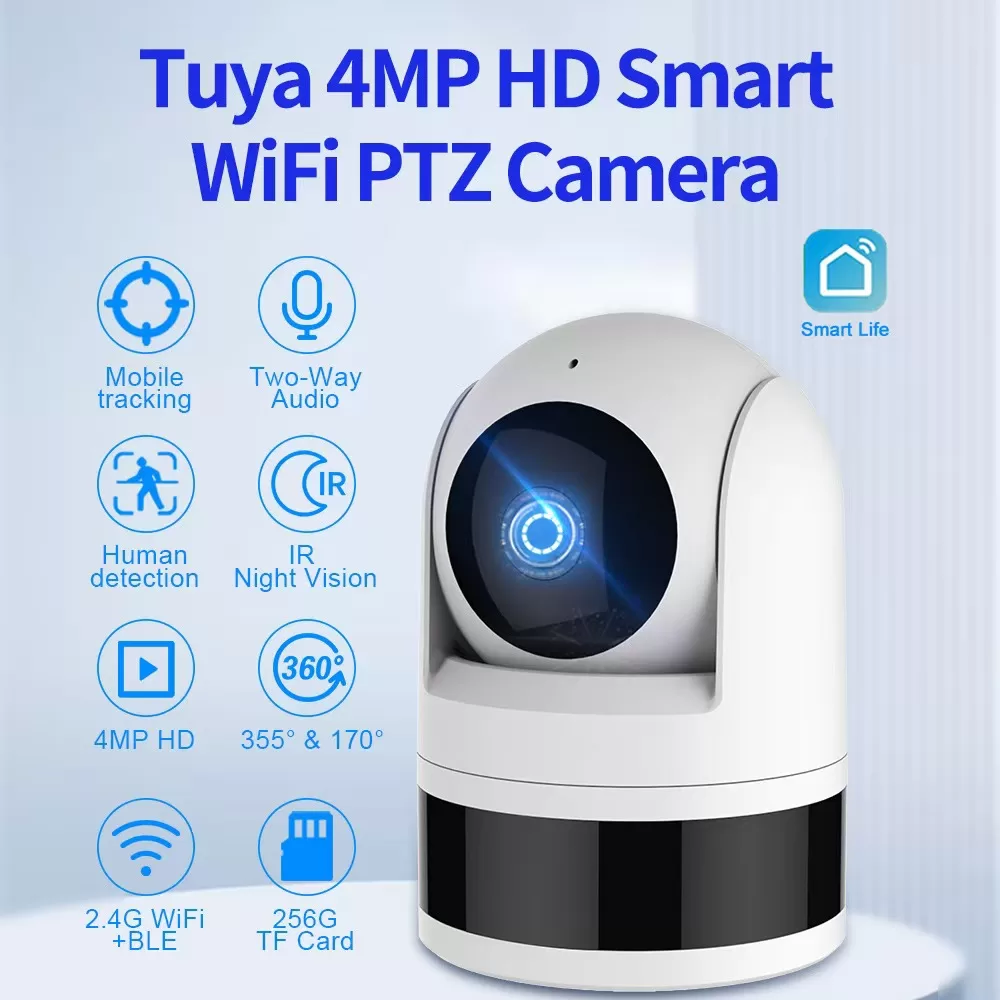
Tuya 4MP Indoor WiFi Smart Camera - HD Night Vision Pan-Tilt Remote Home Monitor with Two-Way Audio
Smart Home Wholesale FAQ: 15 Questions Every Buyer Asks Before Ordering in Bulk

However, Buying Smart home devices in bulk is very different from buying a single unit for yourself. Margins, lead times, certifications, custom branding and after-sales support all change once you start ordering containers instead of cartons. This FAQ answers the 15 questions every B2B buyer asks before their first bulk order of Smart switches, doorbells, security cameras, sensors and pet feeders. In short, Smart home

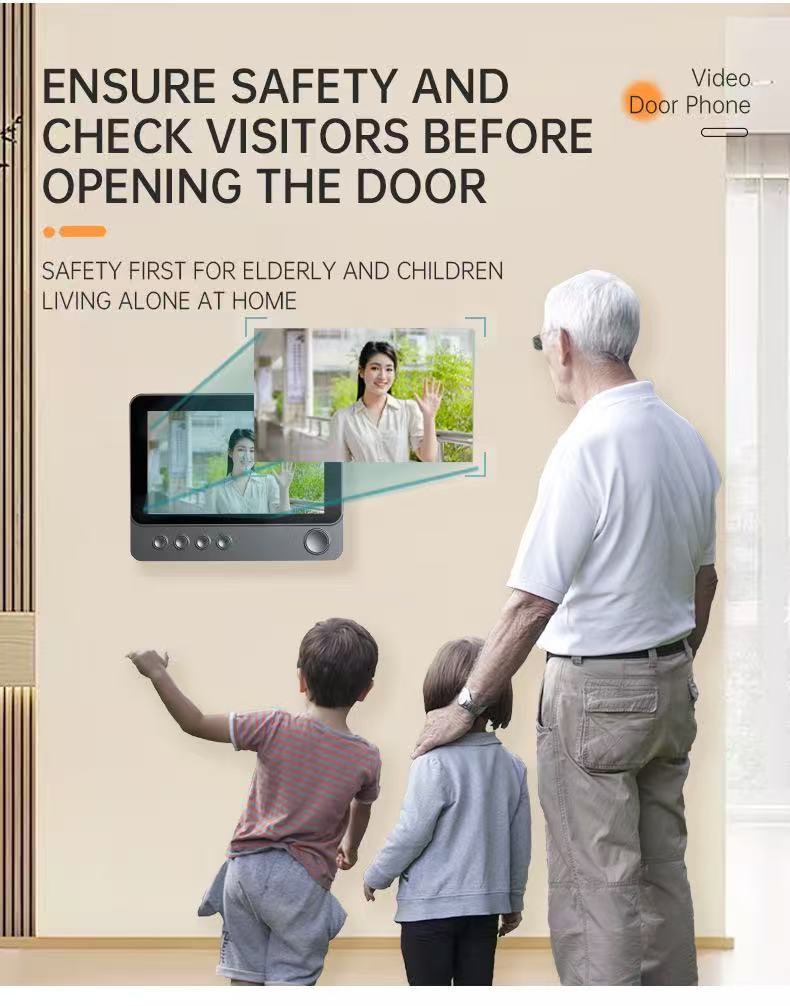
Wholesale smart doorbell with camera for B2B distribution

1. What is the minimum order quantity (MOQ)?

Therefore, MOQ depends on the product. For standard smart plugs switch modules and sensors, MOQ is usually 200–500 units per model. For larger items such as Video doorbells and pet feeders, MOQ is typically 100–300 units per model. Mixed-model orders are welcome; ask your sales manager for a price list by quantity.

2. Can you do OEM and ODM?

Moreover, Yes. OEM means we print your logo on existing designs. ODM means we adjust firmware, app name, packaging and features for your brand. Most distributors start with OEM, then move to ODM once sales volumes justify the tooling cost.

3. What certifications do your products have?

In addition, Export models generally carry CE, RoHS and FCC where applicable. For target markets we can also advise on UL, PSE or SAA variants. Certificates are provided with the shipping documents, and specific certification requests can be discussed at quotation stage.

4. What is the typical lead time?

For example, In-stock models ship within 7–15 days after payment. OEM orders with new packaging usually take 20–30 days. Fully custom ODM runs with new firmware take about 35–50 days, depending on complexity.

5. What payment terms do you accept?

Consequently, We accept T/T bank transfer, and for verified partners we can discuss flexible terms on repeat orders. For new accounts we typically ask for a 30% deposit and 70% balance before shipment, or 100% against a signed proforma invoice.

6. Can I get samples before I order?

Yes, samples are available for every product in the range. Sample shipping takes 3–7 days and sample costs are usually deducted from your first bulk order. We recommend testing at least the doorbell, camera and switch you plan to feature most.

7. How do you handle after-sales and warranty?

Standard warranty is 12 months from shipment, with replacement units for DOA (dead on arrival) defects. Our after-sales team works directly with your support staff to minimize friction for your end customers.

8. Does firmware support multiple languages?

The Tuya-based app supports dozens of languages out of the box, which is why our range is popular in both European and North American markets. Custom language packs are available for ODM projects.

9. Can my end customers use the products without a subscription?

Yes. Our cameras and pet feeders support local SD card storage, so recording and playback work without any monthly fee. This is a major selling point to highlight in your product descriptions.

10. Do you drop-ship for online sellers?

Yes, for established sellers we can set up drop-shipping agreements, direct dispatch with neutral or private packaging, and shipping labels under your brand. Volume and order flow conditions apply.

11. What is your packaging standard?

Retail-ready color boxes are standard, with foam or cardboard dividers for protection. For cross-border logistics we recommend adding custom outer cartons; we can also design gift-box or combi-kit packaging for OEM buyers.

12. Do you support co-branding and private label?

Absolutely. Co-branding, private-label stickers, custom manuals and localized QR code landing pages are all available. Minimum quantities for private label start from the same MOQ with a small design setup fee.

13. How do you ship internationally?

We ship by sea (LCL/FCL), air and express courier depending on order size and urgency. Most bulk orders go by sea freight with full documentation provided: packing list, commercial invoice and bill of lading.

14. What happens if a batch has a quality problem?

Every batch is inspected before dispatch. If an issue is confirmed after arrival, we honor the warranty and work on a replacement plan. Dispute-free quality control is the reason distributors stay with us for years.

15. Can you build a custom starter kit for my program?

Yes. Many retail programs want a ready-to-sell starter kit: one switch, one sensor, one doorbell and one camera in a single box. We can engineer the kit, print your content on the box and manage the whole bundle as one SKU.

Ready to plan your first bulk order?

Contact our B2B team for a detailed price list, free samples and a tailored quotation for smart switches, doorbells, cameras, sensors and pet feeders. We help you build the exact product range your market needs.

Related Articles

You Might Also Like

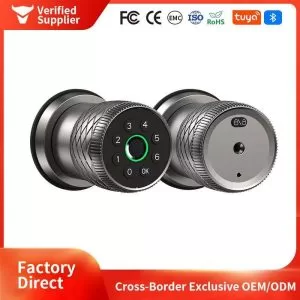
4-in-1 Tuya Bluetooth smart knob lock, fingerprint keyless entry round door lockTuya Bluetooth Smart Knob Lock|Fingerprint Password Keyless Entry Round Door Lock Original price was: $45.00.Current price is: $37.00.Tuya smart watch full round 1.28 inch HD touch screen Alexa voice control blood oxygen SpO2 dynamic heart rate pressure detection 10.5mm slim metal body black silicone sport bandTuya Smart Watch 1.28 Inch Full Round HD – Alexa Voice Control Blood Oxygen Heart Rate Pressure Monitor Original price was: $69.96.Current price is: $52.99.

Frequently Asked Questions

Is Smart Home Faq worth buying?

Based on the breakdown in this article, Smart Home Faq offers a solid mix of features and value. If your main goal matches the key benefits described above, it is a practical choice for everyday use.

How do I choose the right smart home faq for my needs?

Start with your core use case, then compare battery life, compatibility, and build quality as covered above. Choosing the right smart home faq comes down to matching specs with how you actually use it.

Does smart home faq require a companion app?

Most devices of this type pair with a free companion app for setup and firmware updates. A few advanced features may sit behind a paid plan, so check the official specs page before buying.
Posted on — Leave a comment

How to Choose a Smart Home in China: A Buyer’s Checklist

Smart home device factory production line in China

However, Quick answer: Verify that the supplier actually manufactures (ask for the business licence scope and a live Video walkthrough of the SMT line), confirm the certifications your Market requires before you discuss price, check who owns the firmware and whether protocol support such as Zigbee or Matter is in-house, insist on a pre-production sample plus a retained golden sample, and only then negotiate cost. Buyers who reverse that order consistently pay more in the long run.

<figure class="wp-block-image size-large">Smart home device factory production line in China

A real production line is the single thing a catalogue cannot fake.

Step 1: Establish Whether You Are Talking to a Factory

Therefore, A large share of the “manufacturers” listed on B2B platforms are trading companies, which is not automatically bad — traders can consolidate small orders across categories — but you should know. This one you are dealing with. This is because it determines your cost floor and how quickly a technical change can be made. Smart Home Automation Guide 2026: 7 Practical Scenes That Save Time, Money and Energy

  • Check the business licence. The registered business scope on a Chinese business licence states whether manufacturing is permitted. Ask for a copy and read the scope, not just the name.
  • Ask for a live video walkthrough. Not a promotional film. Therefore, Ask to see the SMT line, the assembly floor and the ageing test rack, live, with a specific request such as “show me the board being tested”.
  • Ask a technical question only engineering could answer. Something like “which Zigbee module is on this board, and can it be swAPPed for a different chipset?” A trader has to go and ask; a factory answers on the call.
  • Count the assembly lines and ask about monthly capacity. Vague answers about capacity usually mean the work is subcontracted.

Step 2: Settle Certifications Before You Discuss Price

Moreover, This is where most first orders go wrong. Prices Get agreed, samples get approved, and only then does someone discover the unit is not certified for the destination market — at. This point certification becomes a several-month delay.

Market Commonly required Notes
European Union CE (RED for radio devices), RoHS, REACH Radio equipment needs RED, not just the CE mark
United Kingdom UKCA, RoHS Separate from CE; check the current transition rules
United States FCC (Part 15 for radio), UL/ETL where mains powered Retailers often require UL even where law does not
Canada ISED, CSA or cUL Often bundled with US approvals
Australia / NZ RCM Requires a local responsible supplier
Battery shipments UN38.3, MSDS Needed for air and sea freight of lithium cells

In addition, Ask specifically: do you already hold these certificates, and do they cover the exact model I am buying? A test report for a similar product is not the same as a certificate for your SKU. Best Smart Home Starter Kit for 2026: Switches, Doorbells, Cameras, Sensors and Pet Feeders Compared

Smart home products assembly and testing facility
Ask which certificate covers. This exact model number — approximations cause delays.

Step 3: Ask Who Owns the Firmware

For example, Smart home hardware is a software product wearing a plastic case. The questions that predict whether a supplier will be useful in year two are all about firmware: Q81 Wireless Button Microphone – Mini Invisible Lapel Mic for Vlogging, Interview & Live Streaming

  • Is firmware developed in-house? If it is outsourced, a bug fix depends on a third party’s schedule.
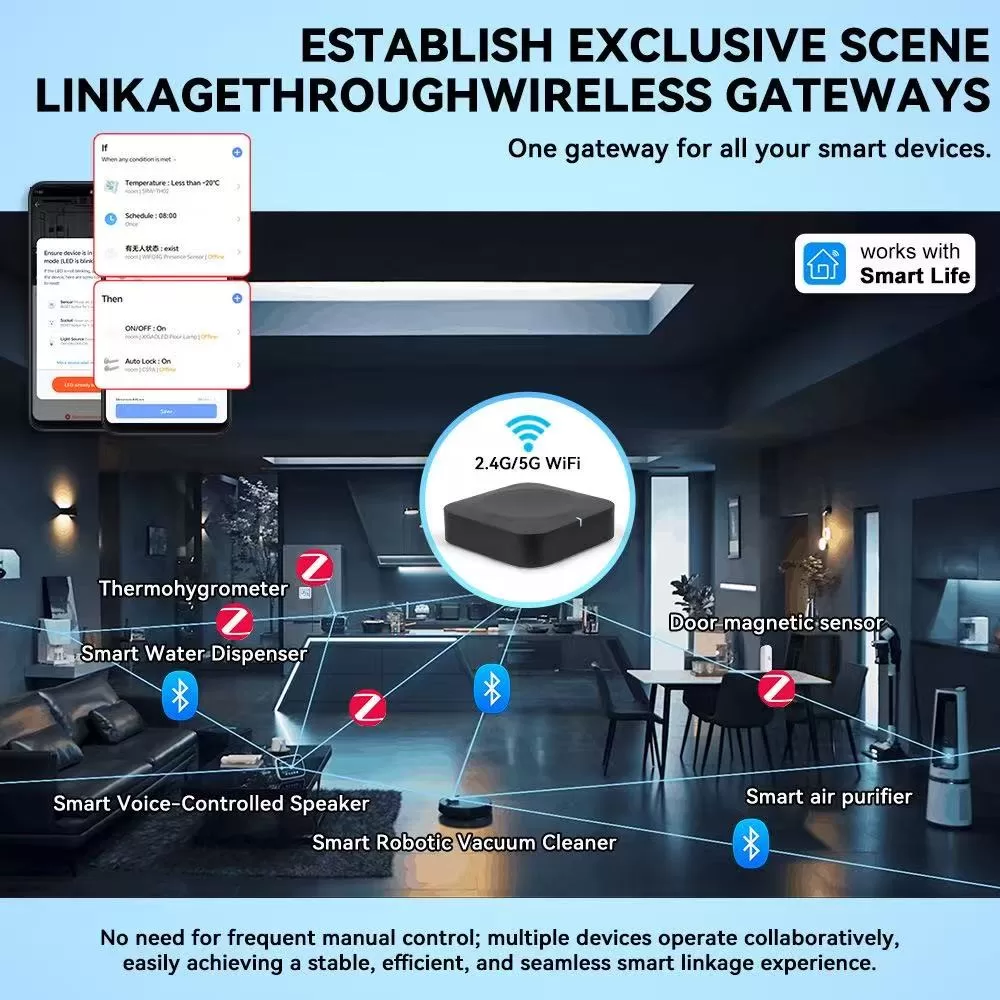
  • Which protocols are supported, and can they be changed? Wi-Fi, Zigbee, Z-Wave and Matter each have different implications for your market. For example, Our protocol comparison covers the trade-offs in detail.
  • Who hosts the cloud, and what happens if you change supplier? Being locked to a supplier’s cloud is a real commercial risk.
  • Can the app be branded? White-label app availability is often the difference between a product line and a commodity.
  • How are OTA updates delivered? Devices in the field need Security patches.
Smart control panel production and quality inspection
Firmware ownership determines how fast you can respond to a problem in the field.

Step 4: Understand the Real Cost Structure

Therefore, Unit price is one line in a much longer calculation. Before comparing quotes, make sure every supplier is quoting on the same basis: Smart Home Wholesale FAQ: 15 Questions Every Buyer Asks Before Ordering in Bulk

  • Incoterms — EXW, FOB and CIF are not comparable numbers. Standardise on one before comparing.
  • Tooling and mould charges — who owns the tool, and does it transfer if you move production?
  • MOQ per variant — a Low headline MOQ that applies per colour or per SKU is not a Low MOQ.
  • Packaging and printing plates — custom retail packaging carries its own setup cost and lead time.
  • Certification modifications — changing an antenna or a power supply can invalidate an existing certificate.
  • Spare parts policy — agree a defect rate and a spares allocation up front.

Step 5: Sample Properly — The Three-Sample Rule

One sample is not enough. In addition, Order three, from separate production runs where possible:

  1. Engineering sample — to confirm the specification and test the app.
  2. Pre-production sample — built with production tooling, to confirm fit, finish and packaging.
  3. Retained golden sample — signed off and kept by both sides as the reference for inspecting bulk shipments.

Then test the samples in conditions that resemble real use, not a bench: weak Wi-Fi, cold mornings, a fully charged and a nearly flat battery, and several days of continuous operation. Most field failures are environmental, and a bench test will not surface them.

Zigbee gateway devices prepared for shipment
Test samples the way customers will use them — not on a bench next to the router.

Step 6: Inspect Before Shipment

Whatever the relationship, pay for a third-party pre-shipment inspection on the first three orders at minimum. It is a small cost relative to a container of returns. Moreover, Specify:

  • AQL level — the acceptable quality limit, agreed in writing.
  • Function testing — a defined percentage powered on and paired.
  • Packaging and labelling check — barcodes, country of origin, warning text, manual language.
  • Drop-test and carton check — export packaging failures cause damage nobody insures.

Red Flags Worth Walking Away From

  • Refusal to do a live factory walkthrough, or a walkthrough that never shows the production floor.
  • Certificates that do not match the model number being quoted.
  • Pressure to skip the pre-production sample.
  • Firmware questions answered only by sales staff, repeatedly.
  • Quotes that change after the deposit is discussed.
  • No written warranty or defect-rate commitment.
Smart video doorbell units packed for bulk export
Consistent packing and documentation is what makes repeat orders uneventful.

How Xingliao Works With Buyers

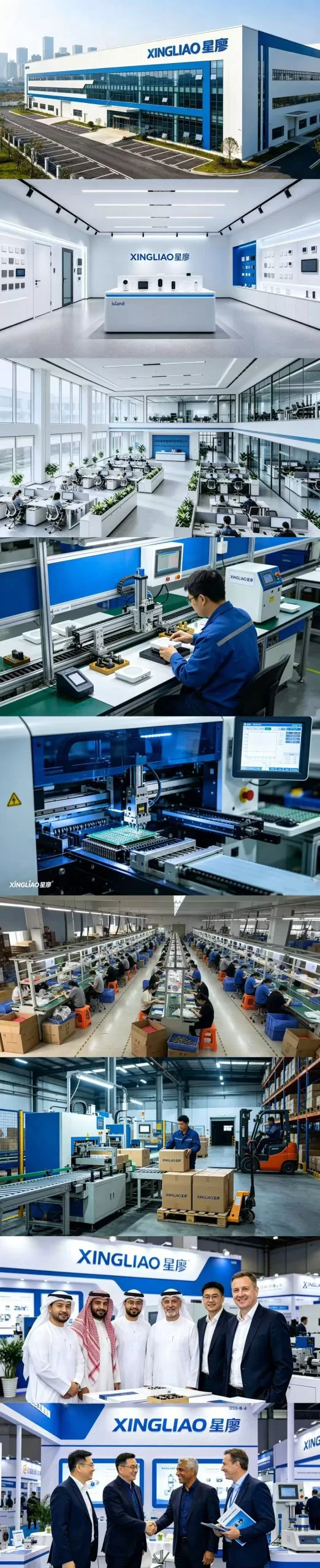
Xingliao Smart Home manufactures video doorbells, control panels, cameras, sensors and gateways on its own production lines, which means the conversation can start at the engineering level rather than the catalogue level. OEM branding, custom packaging, protocol configuration and firmware adjustments are handled in-house. Take a look at the factory to see the assembly and testing process, or review the current product range.

Frequently Asked Questions

What is a realistic MOQ for OEM smart home devices?

It depends on whether you change the tooling. Using an existing mould with your own branding usually starts in the hundreds; a new enclosure design moves to the thousands. Furthermore, Ask which applies rather than accepting a single headline number.

How long does certification take?

If the supplier already holds certification for the exact model, it is immediate. A new radio certification typically runs several weeks to a few months depending on the market and the test house backlog — which is why it should be settled before pricing.

Can I use my own app?

Often yes, if the supplier documents the device API or supports a standard platform. Ask whether the cloud is supplier-hosted or whether a local API is available.

What warranty terms are normal?

Twelve months is typical for smart home hardware, with an agreed defect-rate allowance and spare parts supplied against confirmed failures. As a result, Get both the period and the remedy in writing.

Start the Conversation

Send us your target market, the categories you want and your volume range, and we will tell you honestly whether we are the right fit. Contact the team with your requirements.

Related Articles

You Might Also Like