Posted on — Leave a comment

US-Standard Smart Wall Switches: A B2B Selection Guide to the DS-121 / DS-122 / DS-123 Range

Selling Smart switches into North America is not a specification problem, it is a catalogue problem. A US-standard wall box takes a 118 mm plate, the market expects a rocker or a Touch panel depending on the room, and a single-family home may need one-gang, three-gang and a 3-way stairwell circuit in the same order. Distributors who carry one model run out of answers at the second room; distributors who carry a structured range can quote the whole house.

This guide maps the US-standard 118 mm range model by model, explains which control surface belongs in which room, and sets out how to build the range into something a contractor or an Amazon listing can Actually sell.
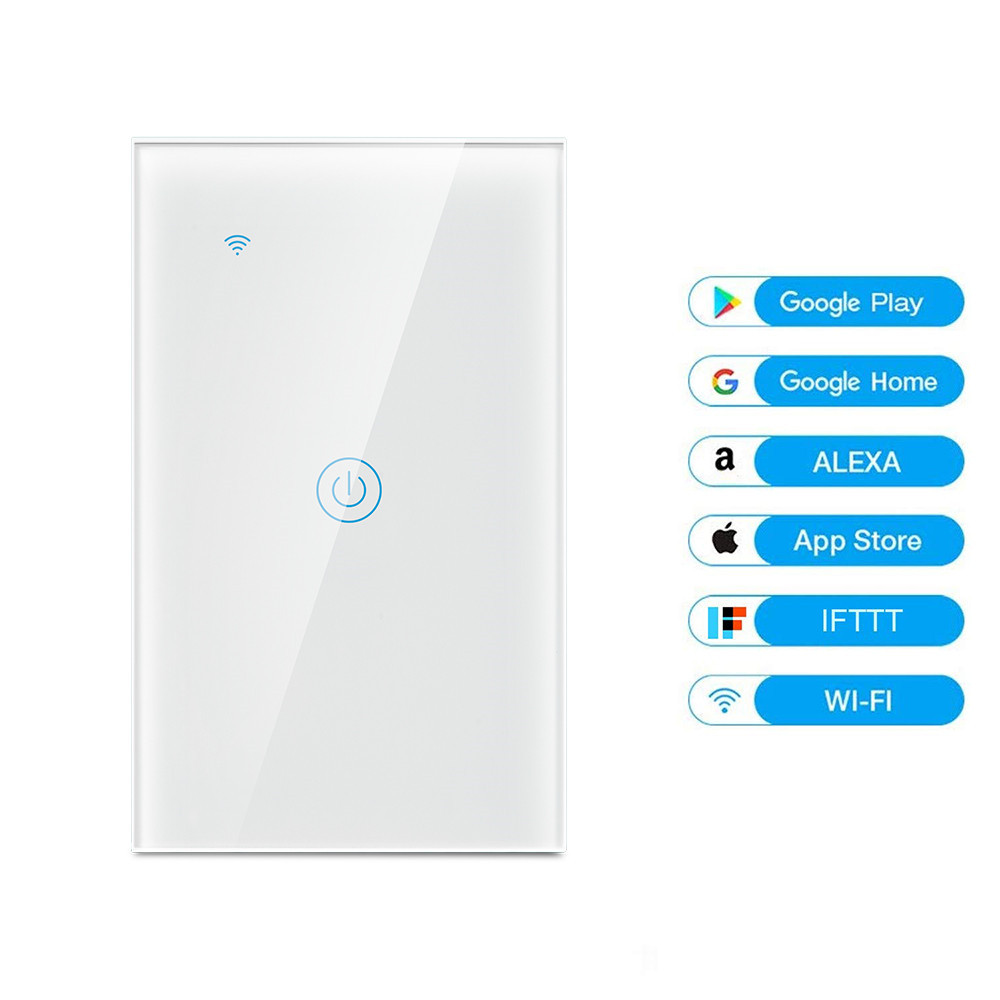
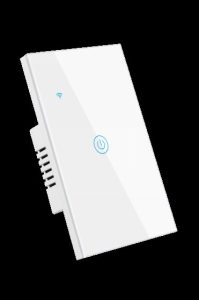
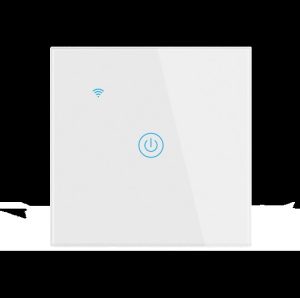
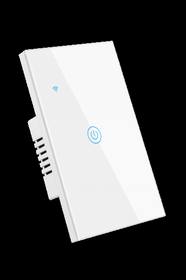
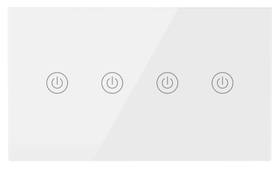
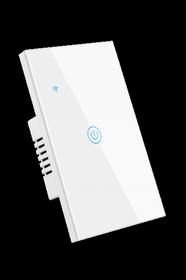
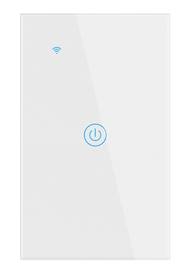
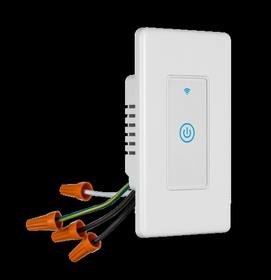
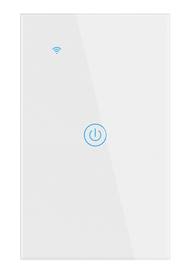
DS-121 US-standard touch wall switch, front view

The range in one table

Family Control surface Configuration Typical placement
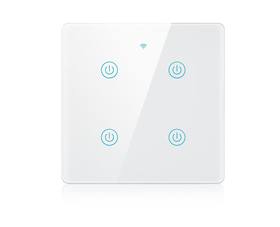
DS-121 series Tempered Glass touch panel Single gang, with dedicated 4-gang variant artwork Living rooms, master bedrooms, hotel guest rooms
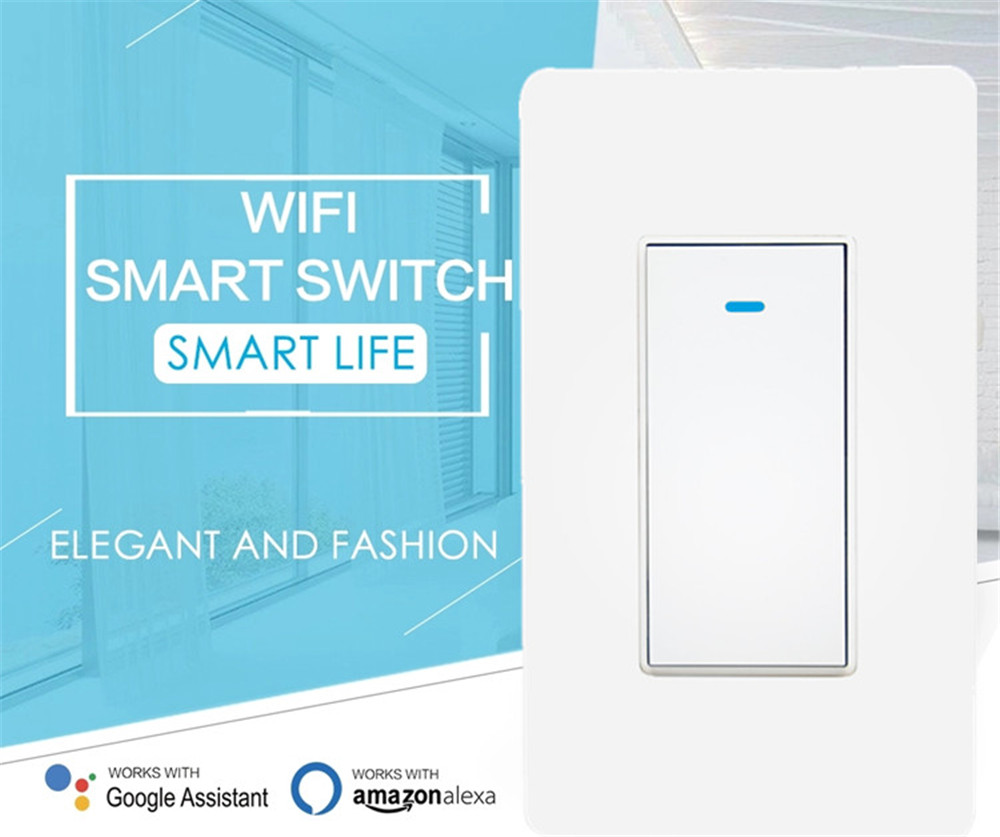
DS-122 series Mechanical push-button (rocker feel) Single gang Hallways, utility rooms, rental units, retrofit projects
DS-123-1 series Glass touch panel, variant 1 Single gang Bedside, study, bathrooms
DS-123-2 series Glass touch panel, variant 2 Single gang Kitchens, open-plan areas, feature walls
DS-122-S / DS-122-T Push-button, multi-gang 2-gang and 3-gang Wi-Fi panels Whole-house lighting banks, contractor packages
DS-123-1S / 1T, DS-123-2S / 2T Glass touch, multi-gang 2-gang and 3-gang Wi-Fi panels Premium residential, hospitality suites
DS-122-3WAY / DS-123-3WAY Push-button and glass touch 3-way (two-point) switching pairs Stairwells, corridors, rooms with two entrances
DS-128 (LS01) Glass touch panel Single gang, separate artwork set Projects requiring a distinct design line

Electrical ratings, gang counts and certification markings must be taken from the datasheet of the specific model you order. This guide covers the commercial structure of the range; it deliberately does not restate ratings that vary by variant — ask for the specification sheet of the exact SKU before publishing a listing.
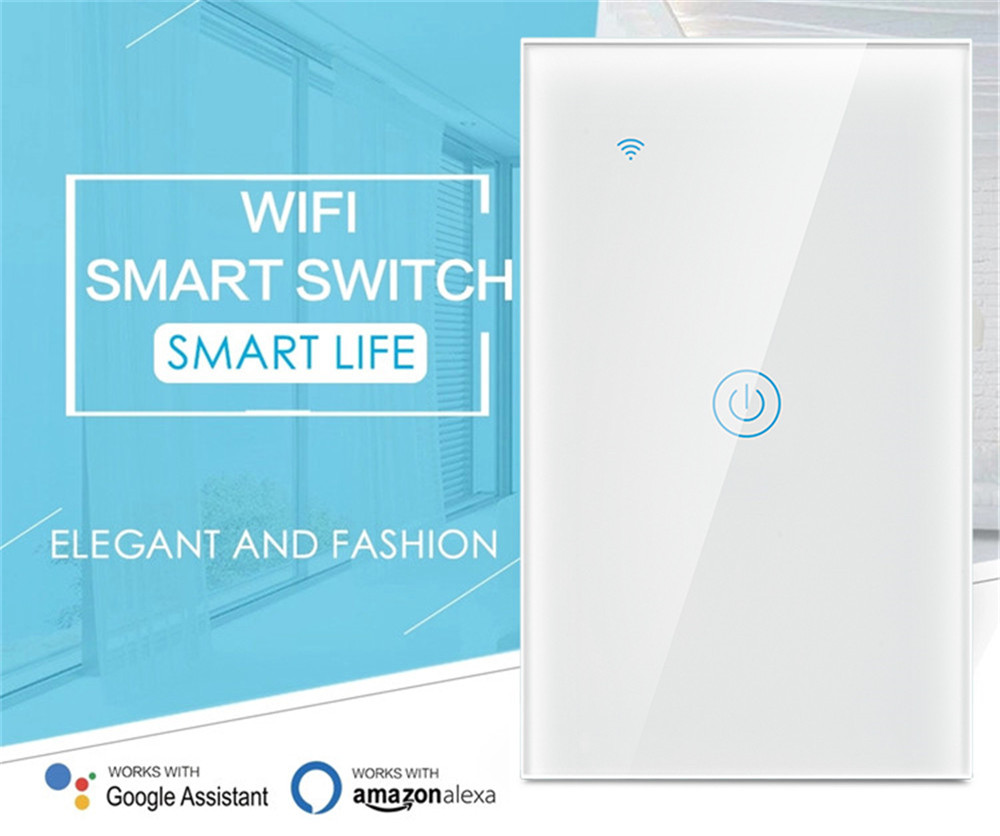
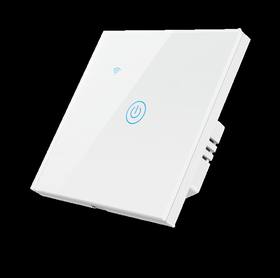
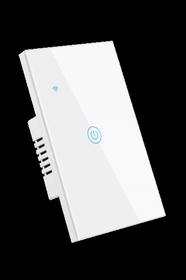
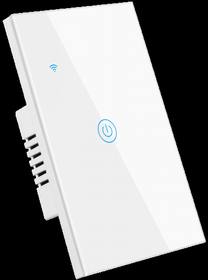
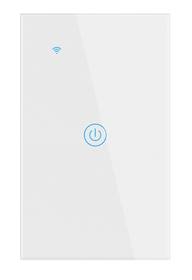
DS-121 touch control detail view

First decision: touch or push-button?

The case for glass touch (DS-121, DS-123-1, DS-123-2)

Touch panels win the visual argument. A flush glass front sits level with the wall, cleans with a single wipe, and photographs well — which matters more than most distributors admit, because the hero image is what converts on a marketplace listing. In hospitality and premium residential, the touch panel is also the expected format: it reads as an upgrade in a way that a tactile rocker does not.

The case for push-button (DS-122 series)

Push-button panels win the operational argument. There is tactile feedback, the state is readable in the dark by feel alone, and the mechanism survives being pressed by someone wearing gloves, carrying boxes, or operating a switch for the first time in a rental property. In utility rooms, garages and short-let units, that robustness is worth more than the aesthetics.

For a distributor building a first US-standard range, the honest recommendation is to lead with one touch family and one push-button family rather than stocking four near-identical touch variants. Let the buyer Choose the interface first, then the configuration.
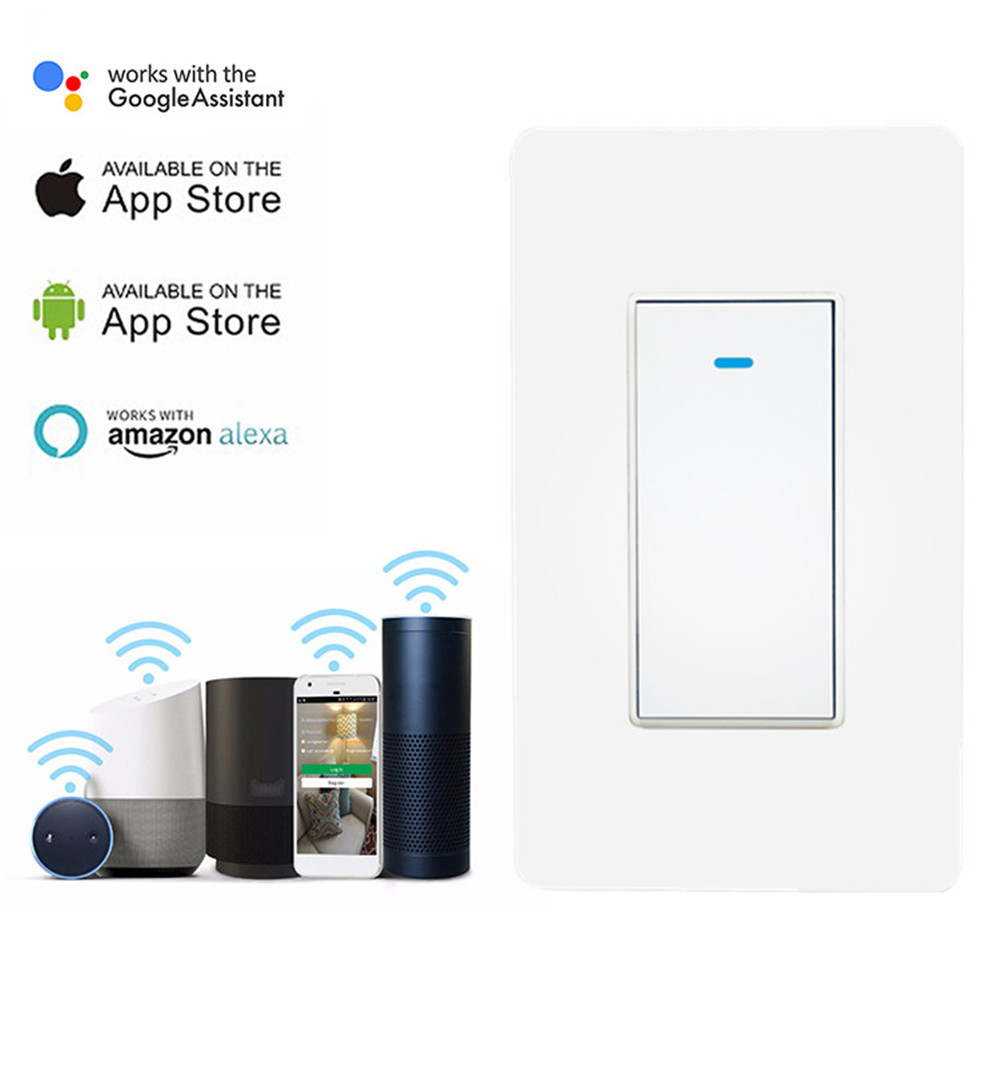
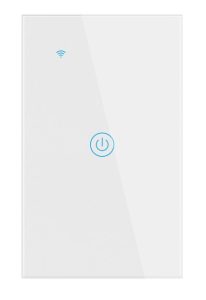
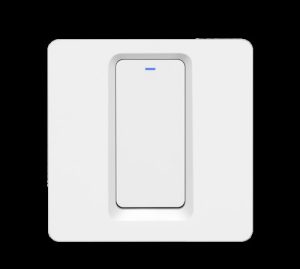
DS-122 US-standard push-button wall switch, front view
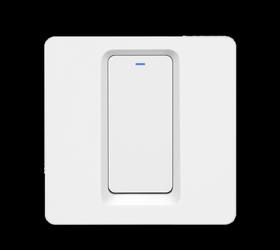
DS-122 push-button detail view

Second decision: how many gangs

US residential lighting is gang-heavy. A kitchen may want four circuits on one plate; a hallway wants two. The range covers this with dedicated multi-gang models rather than by asking the customer to buy several single panels:

  • 2-gang (-S) and 3-gang (-T) versions exist in both the push-button family (DS-122-S / DS-122-T) and the glass touch family (DS-123-1S / 1T and DS-123-2S / 2T).
  • Each multi-gang panel is a single Wi-Fi device controlling several circuits, which is what the customer actually wants: one tile in the app per plate, not three.
  • Generic multi-gang main-image artwork is also supplied, so you can build a single listing that covers the 2-gang and 3-gang options with a variant selector instead of maintaining separate listings.

There is a commercial point buried here. Multi-gang panels raise average order value without raising shipping volume per unit, because the carton is one box, not three. If you are optimising a container for value density, that is the lever.
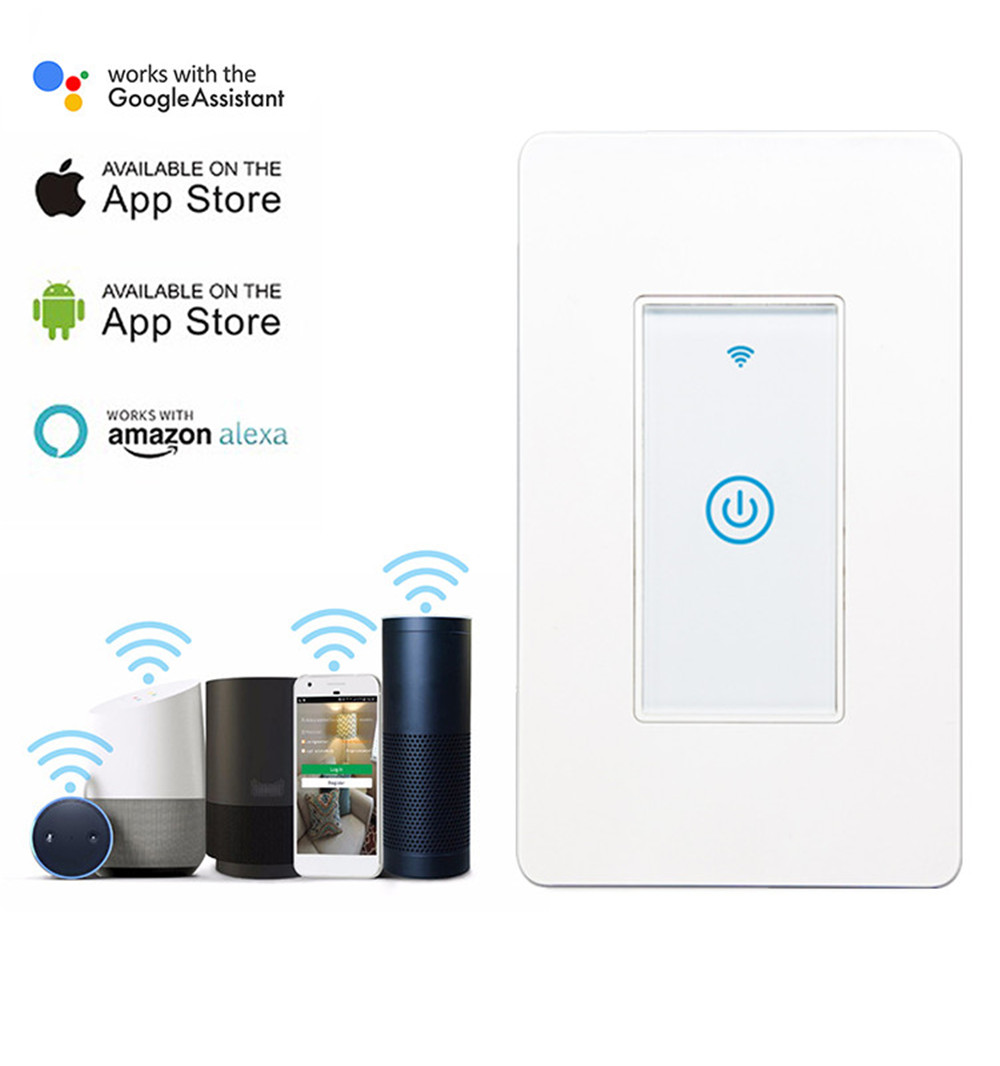
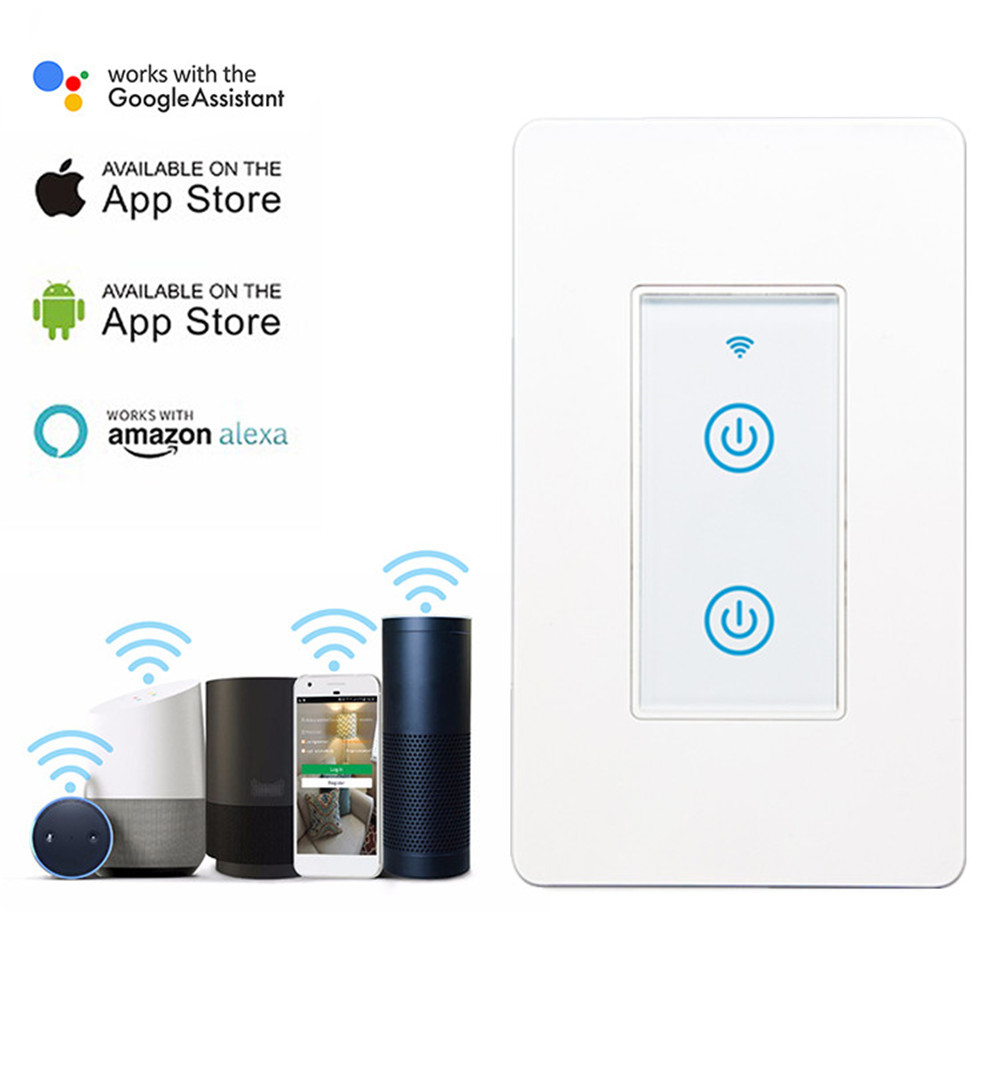
DS-123-1 US-standard touch wall switch
DS-123-2 US-standard touch wall switch

Third decision: 3-way circuits

A 3-way circuit — one light controlled from two positions, such as the bottom and top of a staircase — is where most Smart switch ranges quietly fail. The customer buys a single Smart switch, discovers that the second switch position no longer works, and returns the product.

The range includes dedicated 3-way models in both interfaces: DS-122-3WAY for the push-button line and DS-123-3WAY for the glass touch line. Each is supplied with its own English main-image and detail-image set, which means the pairing configuration can be explained visually in the listing instead of in a support email.

Practical advice for your listing copy: state clearly and early that 3-way installation requires the matching 3-way model and describe how the two units are paired. The returns you avoid are worth more than the words cost.

Ecosystem and app expectations

The English marketing assets for these models document compatibility with the major voice platforms, including Amazon Alexa, Google Assistant and IFTTT, along with app-based remote control. For a US buyer, that combination is table stakes: Alexa and Google for the mass market, IFTTT for the enthusiast segment that reviews products loudly.

Because these panels are Wi-Fi based, they do not need a proprietary hub. That is a genuine selling point in North America, where the buyer has usually already been burned by a hub that was discontinued. Put it in the bullet list.
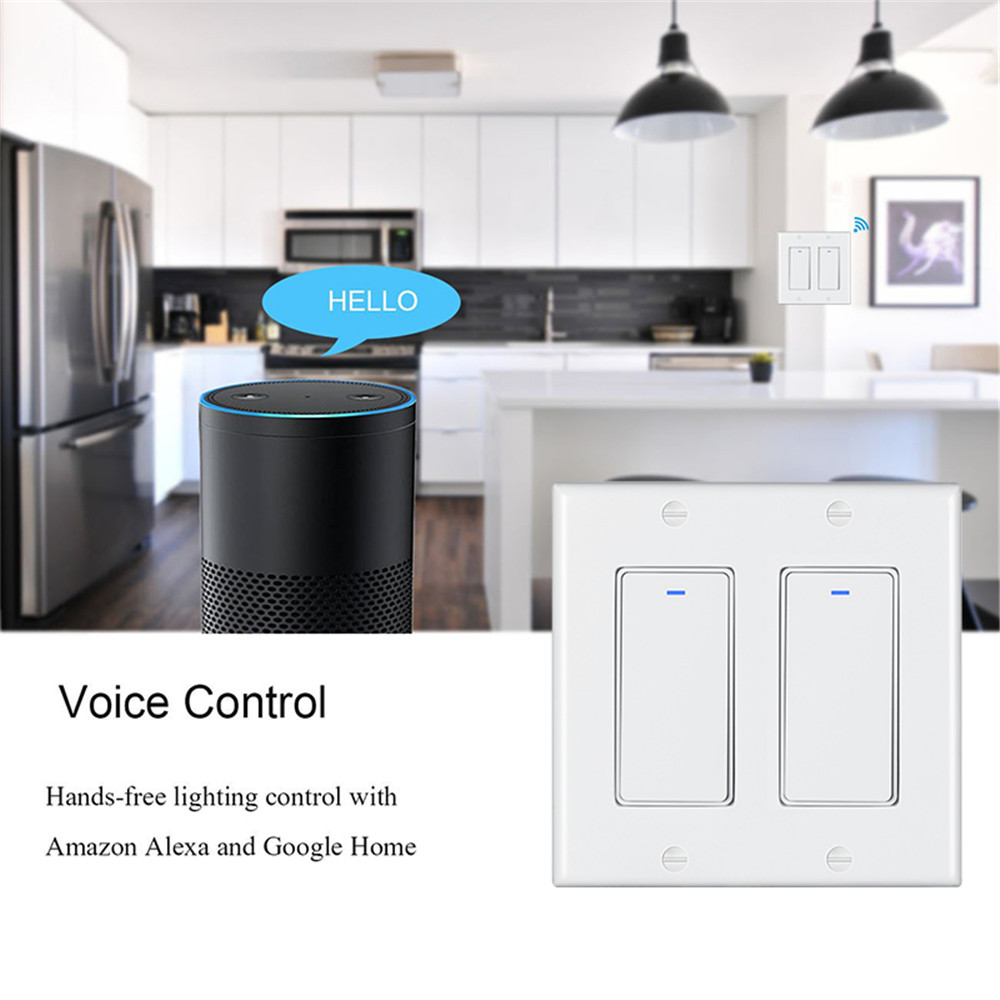
DS-122-S multi-gang US-standard wall switch

What ships with the product

Every model in the range is supported by a complete English asset set, prepared for marketplace and independent-store upload:

Asset type What it is used for
English main images Marketplace hero and gallery images, several per model
English detail images A+ style long-form description blocks, feature callouts, wiring diagrams
Front-view renders Category thumbnails and comparison charts
Multi-gang generic artwork One listing covering 2-gang and 3-gang variants
3-way dedicated artwork Explaining two-point pairing without support tickets

This matters more than it sounds. A distributor’s real cost is not the unit price, it is the six hours of design work needed to build a listing for each new SKU. Arriving with English copy already laid out on the image compresses that to an afternoon.
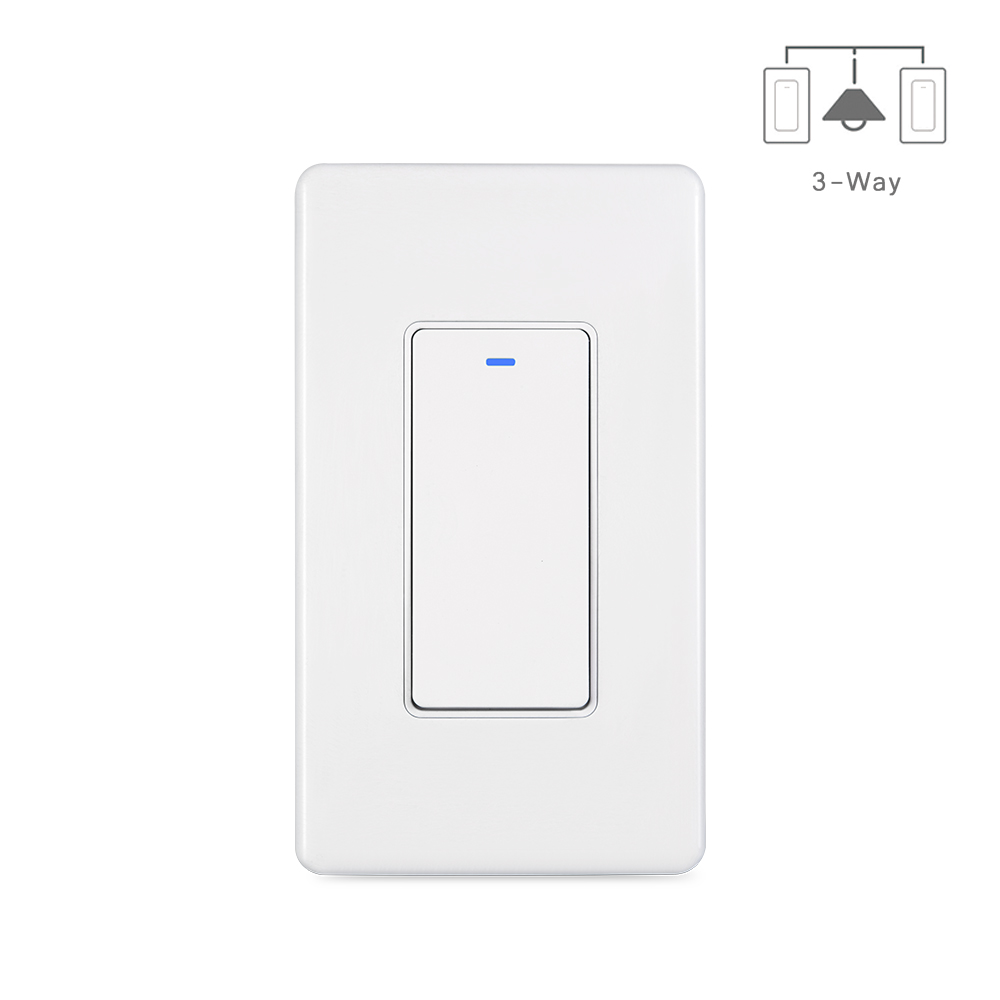
3-way pairing push-button wall switch

OEM and ODM options

  • Panel and finish — plate colour and glass finish can be aligned to your own design language across the whole family, so the one-gang, multi-gang and 3-way models look like one product line rather than three.
  • Branding — logo printing on the panel, custom legend text, and retail-ready packaging with your artwork and barcodes.
  • App identity — the Wi-Fi platform can be delivered under your own app with your onboarding screens, so the product is yours rather than a white-label of someone else’s.
  • Range assembly — order a curated mix (for example: touch single-gang, push-button single-gang, 2-gang, 3-gang, 3-way pair) as one container instead of five separate purchases.
  • Documentation pack — English specification sheets and image assets supplied in upload-ready format for Amazon, Alibaba and your own store.

Building the range for your market

Channel Recommended opening mix Why
Amazon US / retail marketplace Touch single-gang + push-button single-gang + 3-way pair Covers the three searches that actually convert: Smart switch, smart light switch 3-way, and the value alternative
Electrical distributors and contractors Push-button single-gang + 2-gang + 3-gang Contractors buy configurations, not hero images
Hospitality and multi-family projects Touch single-gang + touch 2-gang + 3-way touch Consistent visual language across hundreds of rooms
Own-brand independent store Full touch family under your own app identity Positioning and margin control

Frequently asked questions

Do these panels work in a standard US wall box?

The range is built on the 118 mm US plate standard, so the plate matches the box opening. Confirm plate depth against your specific box before ordering, since multi-gang panels sit deeper than a mechanical switch.

Can I mix touch and push-button panels in one installation?

Yes, and this is common: touch in guest-facing rooms, push-button in service areas. Both are managed from the same app, so the user experience stays consistent even though the interfaces differ.

Do multi-gang panels require multiple neutral wires?

Wiring depends on the specific model. Request the wiring diagram for the exact SKU before the electrician begins; do not generalise from a single-gang installation.

Are the image assets in English?

Yes. Each model in this guide is supported by English main images, English detail images and front-view renders, which is why we can describe the range at this level of detail without translating anything for you.

Request the range sheet

Send us the configurations you want to open with — interface, gang count, 3-way requirement, plate colour — and we will return a range quotation with the matching English asset set for each model, plus a sample plan.

Ask for the US-standard smart switch range quotation and the English listing asset pack.

This guide describes the commercial structure of the US-standard range. Ratings, gang configurations and certification details vary by model and must be confirmed on the datasheet of the exact SKU before publication or installation.

Related Articles

You Might Also Like

Posted on — Leave a comment

Touch-Free by Design: The 400 W Wave-Sensor Wi-Fi Wall Switch for Hotels, Clinics and High-Traffic Projects

Every wall Switch in a commercial building gets touched hundreds of times a day. In hotel bathrooms, clinic corridors, factory canteens and public washrooms, that single square of Glass is where fingerprints, soap residue and cross-contact accumulate fastest. Buyers who source Switches for these environments are no longer only asking about price per unit — they are asking whether the Switch can be operated without being touched at all.

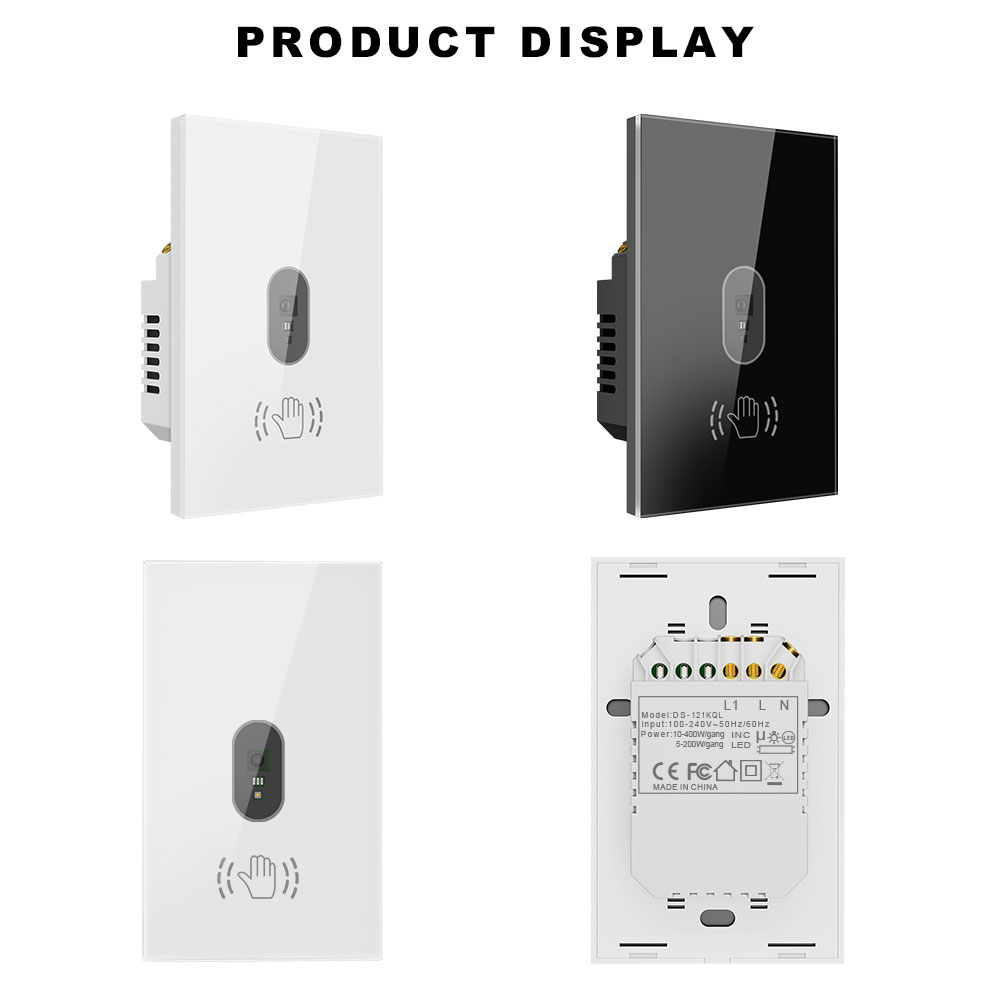
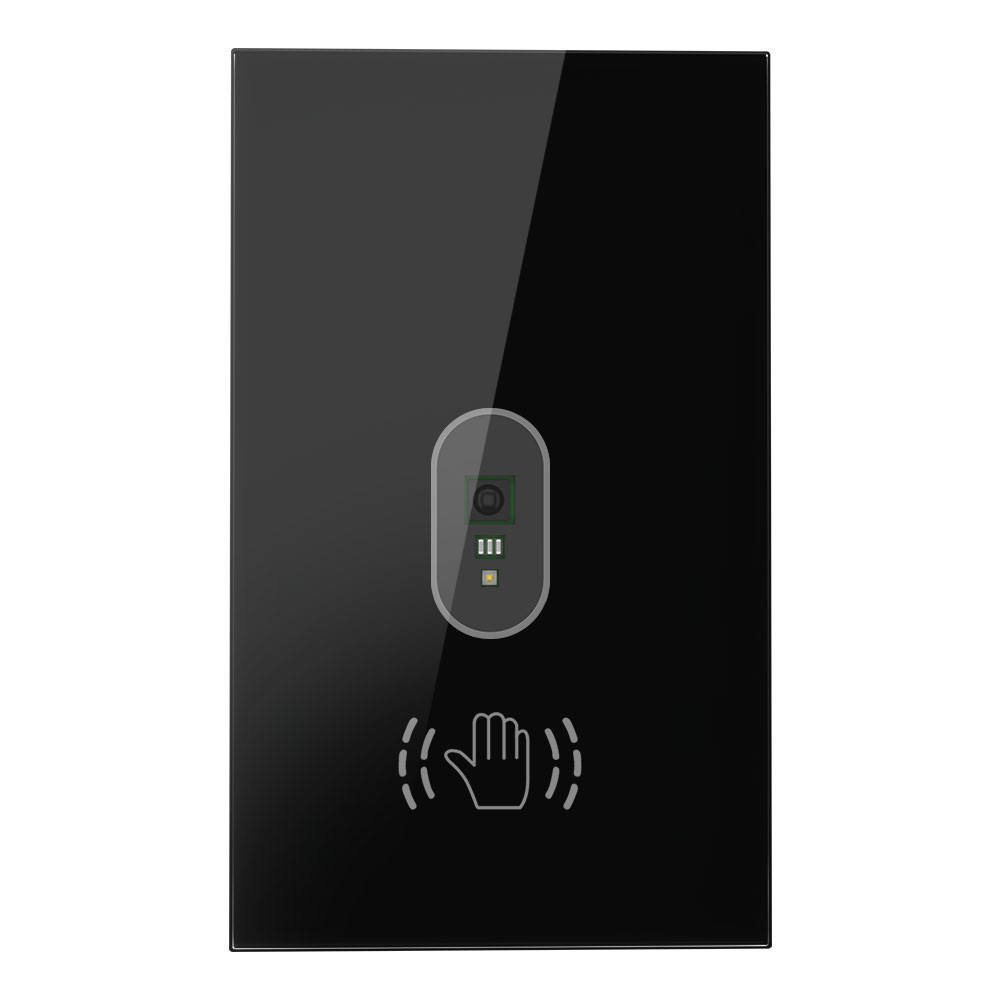
121KWL wave-sensor WiFi wall switch front panel black and white
121KWL wave-sensor Wi-Fi wall switch – a single hand gesture within 10 cm toggles the load

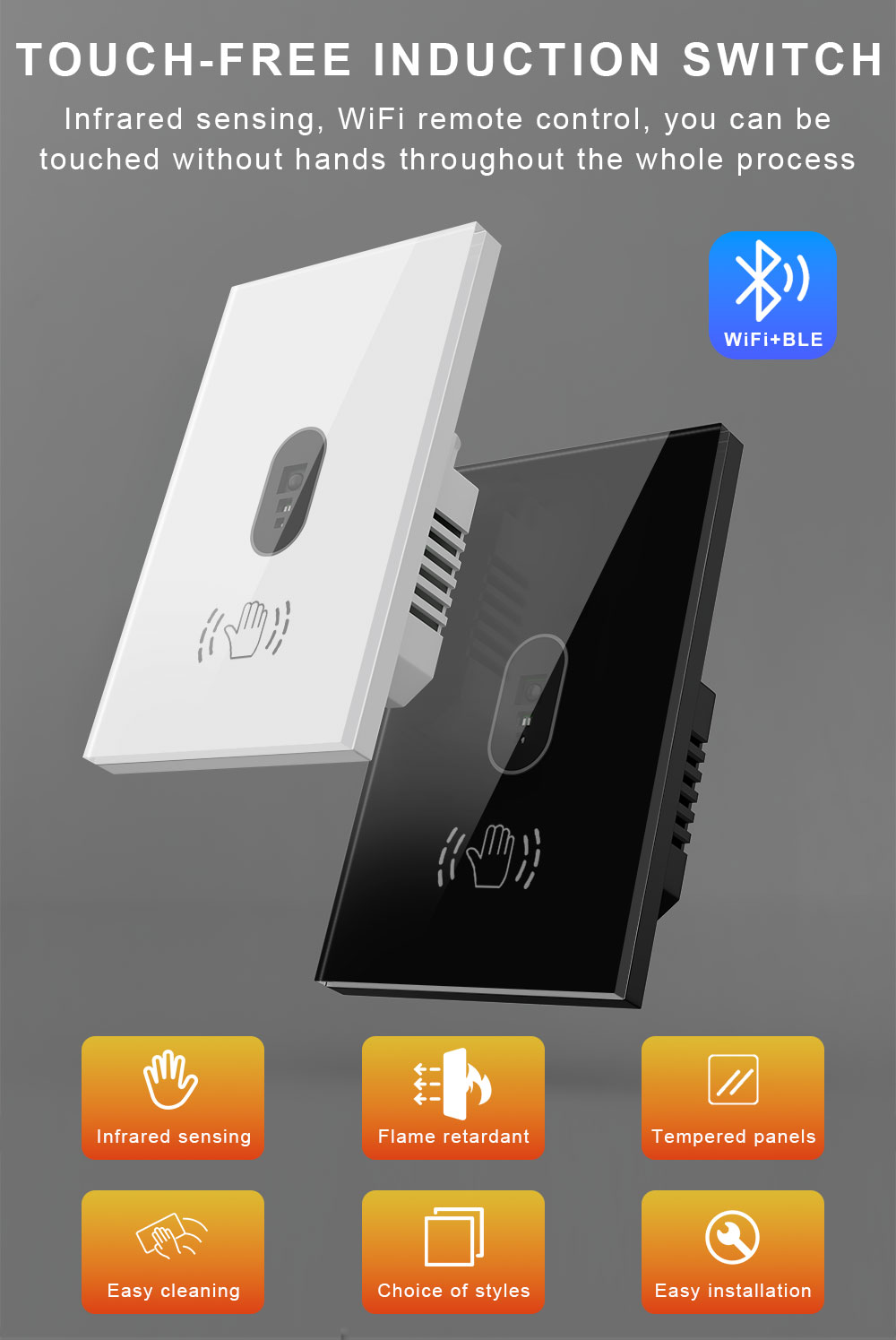
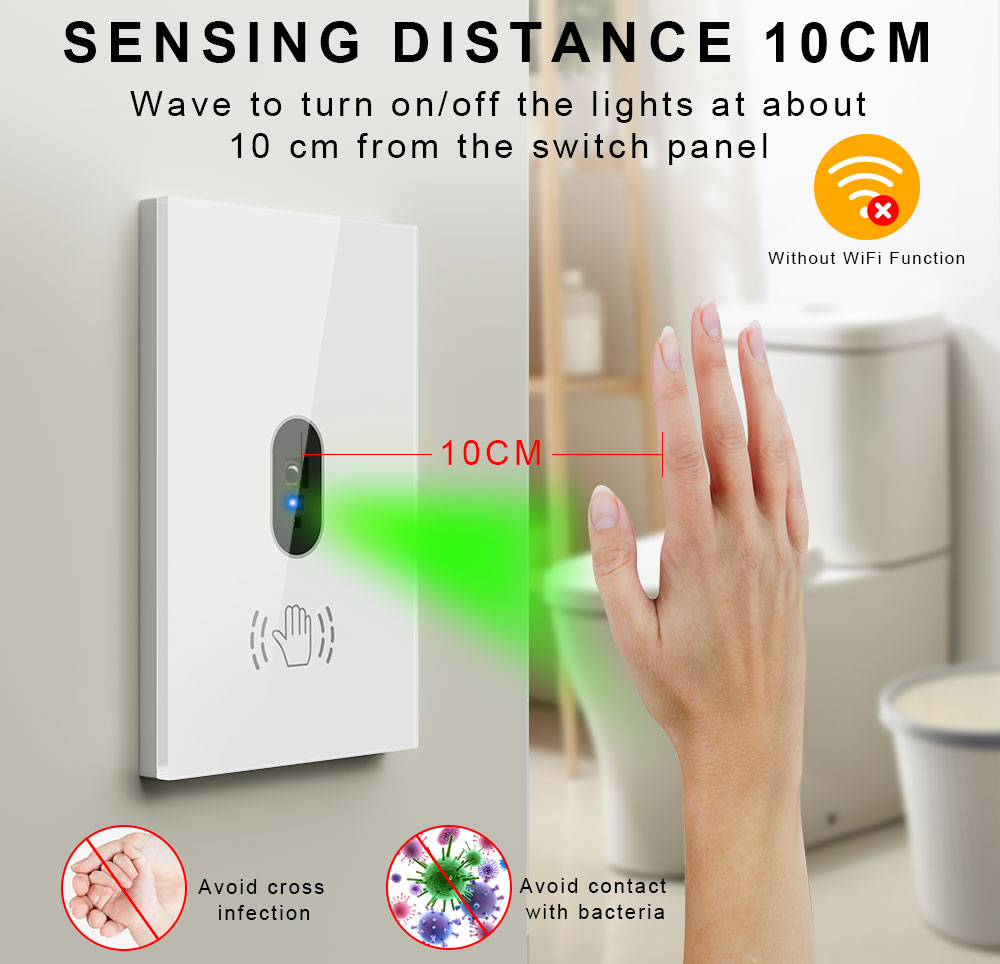
The wave-sensor Wi-Fi wall switch answers that question with a hand gesture. Move your palm within 10 cm of the panel and the load toggles; there is nothing to press, nothing to wipe down, and nothing for a guest to figure out at 2 a.m. ZigBee vs ZigBee 3.0: What Actually Changed

What is a wave-sensor wall switch?

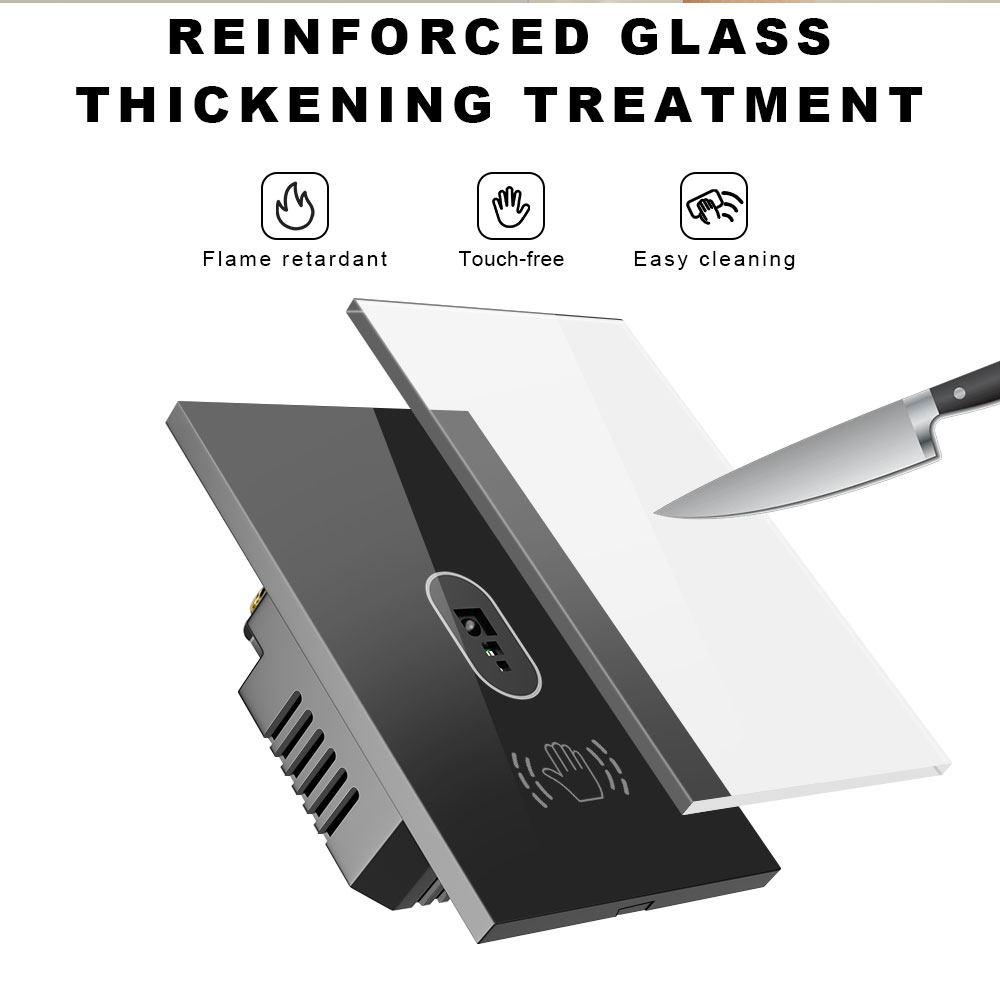
A wave-sensor switch is a Standard wall switch that carries an infrared gesture sensor behind its glass front. Instead of a mechanical rocker or a capacitive Touch pad, the trigger is proximity motion: the panel detects a hand entering its sensing field and cycles the relay between on and off. The physical panel stays sealed, so the surface never collects the greasy fingerprint film that capacitive touch panels develop in kitchens and hotel bathrooms.

Two variants are available in this platform, and the difference matters when you build a price ladder for your market:

  • Wave + Wi-Fi version — gesture control plus full app control: remote on/off, app timers with weekday repeat, OTA firmware upgrades, device sharing, and SmartConfig pairing on both Android and iOS.
  • Wave-only version — gesture control and nothing else. No app, no cloud, no pairing. Ideal for corridors, storage rooms and public washrooms where a network connection adds cost without adding value.
wave sensor wifi wall switch app control and gesture sensing
Wave-only and wave + Wi-Fi versions share one platform; the gesture relay replaces the mechanical rocker

Technical specifications

The figures below are taken directly from the product specification sheet. EU and US versions share the same electrical platform; only the wall-plate geometry differs.

Parameter EU version (86 mm) US version (118 mm)
Model series 101KWL (Wi-Fi) / 101KQL (wave-only) 121KWL (Wi-Fi) / 121KQL (wave-only)
Panel dimensions 86 × 86 × 35 mm 118 × 72 × 35 mm
Output channels 1 gang 1 gang
Input voltage AC 100–240 V AC 100–240 V
Input frequency 50/60 Hz 50/60 Hz
Maximum load 400 W 400 W
Wireless frequency 2.4 GHz Wi-Fi 2.4 GHz Wi-Fi
Operating temperature -20 °C to 45 °C -20 °C to 45 °C
Operating humidity < 80 % RH < 80 % RH
Colours White / Black White / Black
Gesture range ≤ 10 cm ≤ 10 cm

Model-to-market mapping should be confirmed on quotation; the EU and US plates are not interchangeable, and the 400 W rating refers to resistive lighting loads such as LED panels, downlights and filament lamps rather than motor or heating loads.

wave sensor switch 400W 86mm and 118mm dimensions
EU 86 mm and US 118 mm plate geometry, 35 mm depth behind the wall plate

How the gesture sensing actually behaves

One gesture, one state change

The sensor uses a cycling logic rather than a toggle-on-motion rule. Each detected wave flips the current state — on becomes off, off becomes on — so the panel behaves exactly like the rocker it replaces. There is no ambiguity about whether the light was already on, and there is no need to hold the hand in place.

Ten centimetres is the sweet spot

A 10 cm sensing envelope is deliberately short. It is long enough that a person walking past with wet hands can trigger the switch with an open palm, and short enough that nobody in the corridor outside a bathroom door switches the light on by accident. For installers, this also means the sensor does not need a cut-out or a separate aperture — it sits behind the same glass as the legend.

wave sensor switch gesture sensing range 10cm
The 10 cm sensing envelope: long enough for a wet hand, short enough to avoid corridor false triggers

Touch still works

The panel remains a functional wall switch. Guests who instinctively press it are not punished with a dead plate; the relay responds either way. In hotels this quietly removes the single most common guest complaint about unfamiliar in-room technology.

The app layer (Wi-Fi version only)

When the Wi-Fi module is fitted, the gesture switch becomes part of the property’s connected layer:

  • Remote control — switch any load on or off from the phone, provided both the panel and the phone are online.
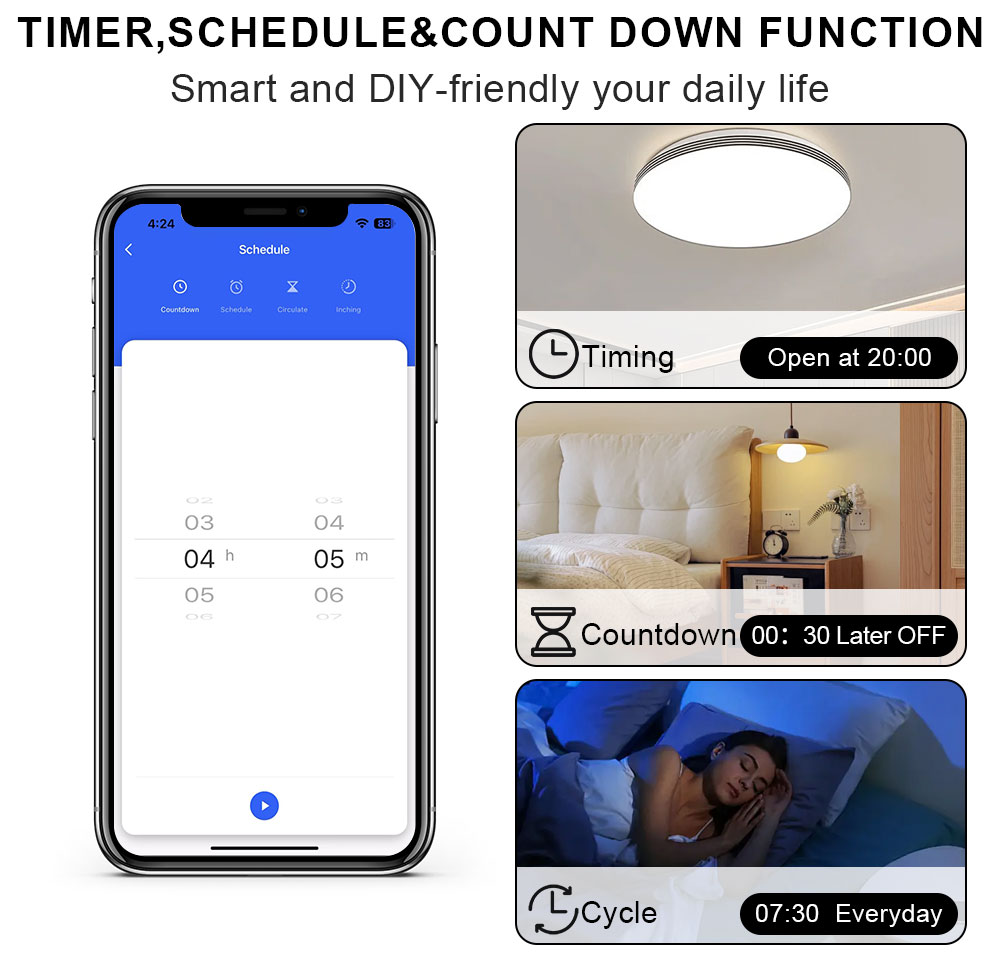
  • Timers with weekday repeat — schedule a load per day of the week, which is what makes the product usable for signage lighting, display windows and bathroom exhaust fans on a fixed routine.
  • OTA firmware updates — new functions can be pushed to panels already on the wall, so a fleet installed this quarter does not become obsolete next quarter.
  • Device sharing — hand access to family members, staff or facility managers without handing over the account.
  • SmartConfig pairing — network credentials are pushed from the phone, supported on both Android and iOS, so no per-panel commissioning laptop is required.
wave sensor wifi switch app remote control timers
App layer: remote switching, weekday timers, OTA updates and device sharing

Where this switch earns its place

Hotel bathrooms and guest rooms

A wet hand never has to find a switch plate. Combined with the timer function, the bathroom exhaust Fan can run on a fixed daily schedule regardless of whether the room is occupied.

touchless wall switch for hotel bathrooms clinics washrooms
Touchless operation in hotel bathrooms, clinics and public washrooms reduces contact points

Clinics, dental surgeries and care facilities

Touchless operation reduces contact points on high-frequency surfaces. The sealed glass front is also easier to disinfect than a rocker with a gap around its paddle.

Commercial washrooms and factory corridors

Public washrooms are the classic case for the wave-only version: gesture control, no app, no network, no commissioning, and a load rating that suits LED battens and downlights.

Short-let apartments and serviced units

Remote control lets the operator cut lighting between guest stays, and device sharing allows cleaning staff to be given access without sharing owner credentials.

Kitchens and food preparation areas

Grease and flour are the enemies of capacitive touch. A gesture panel stays clean because it is never contacted.

OEM and ODM capability for brand owners

This switch is built as a platform rather than a single SKU, which is what makes it usable for distributors who need a differentiated product without a full development cycle:

  • Plate and colour customisation — white and black are standard; plate geometry follows the EU 86 mm and US 118 mm standards so the product drops into existing box systems.
  • Branding — logo and legend printing on the glass, plus customised packaging for retail or project cartons.
  • Firmware and app configuration — the connectivity can be delivered under your own app identity, with the product provisioning flow adapted to your onboarding screen.
  • Variant mix — order the Wi-Fi and wave-only boards under one purchase order so a single container covers both the connected and the budget tier of your catalogue.
  • Documentation package — product specification sheets, wiring diagrams and packaging artwork supplied for your own marketplace listings.

Because the sensing element, the relay and the wireless module are shared across the range, changes to colour or plate do not restart the certification and testing cycle — a practical advantage when you are trying to launch before a selling season.

Selection checklist before you order

Question If yes If no
Does the location need app or remote control? Specify the Wi-Fi version (101KWL / 121KWL) Specify the wave-only version (101KQL / 121KQL)
Is the wall box EU 86 mm or US 118 mm? Match the plate to the box before ordering Confirm box standard with the installer first
Is the connected load under 400 W resistive? Product is suitable as specified Move to a higher-rated switching solution
Will the panel sit in direct sunlight or near a heat source? Check the -20 to 45 °C range against the site Standard installation applies
Do you need a private-label app? Request the OEM app configuration package Standard app is sufficient
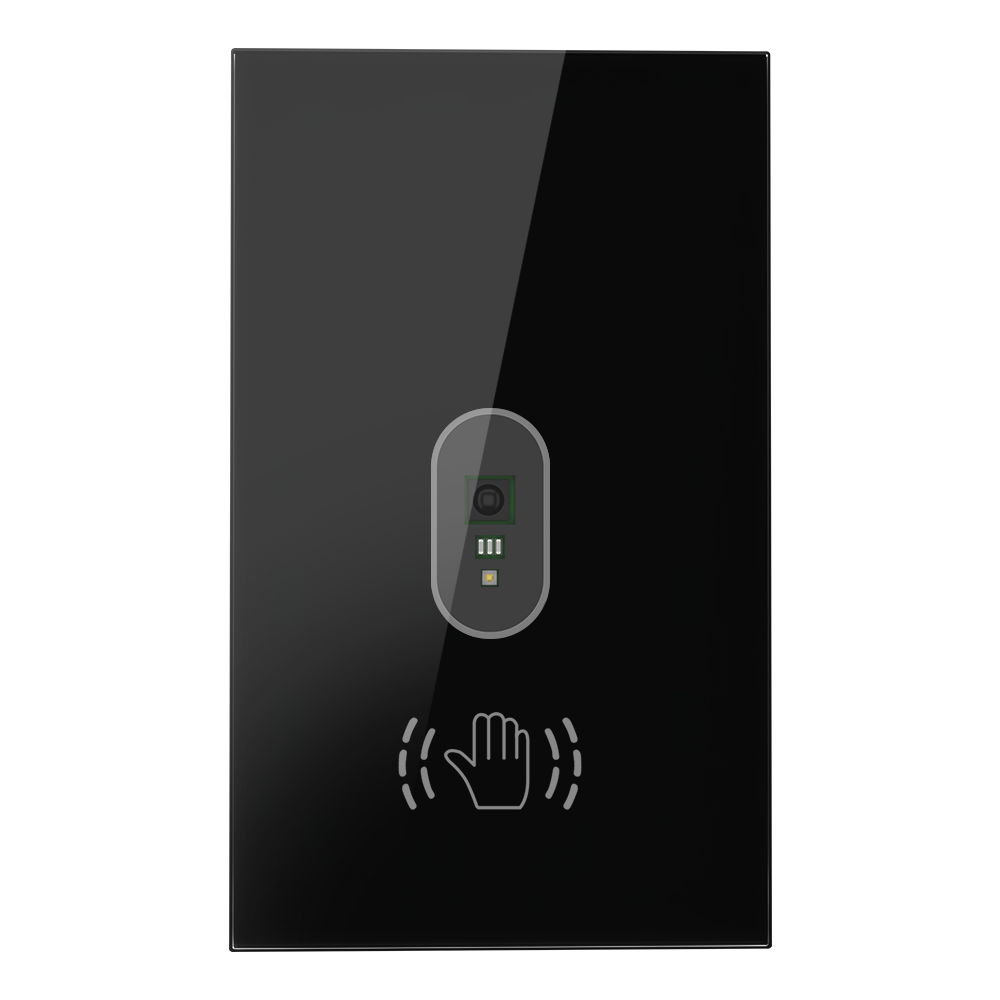
wave sensor wall switch white background product photo
White-plate version – standard finish for project and retail cartons
Frequently asked questions

Does the switch need a neutral wire?

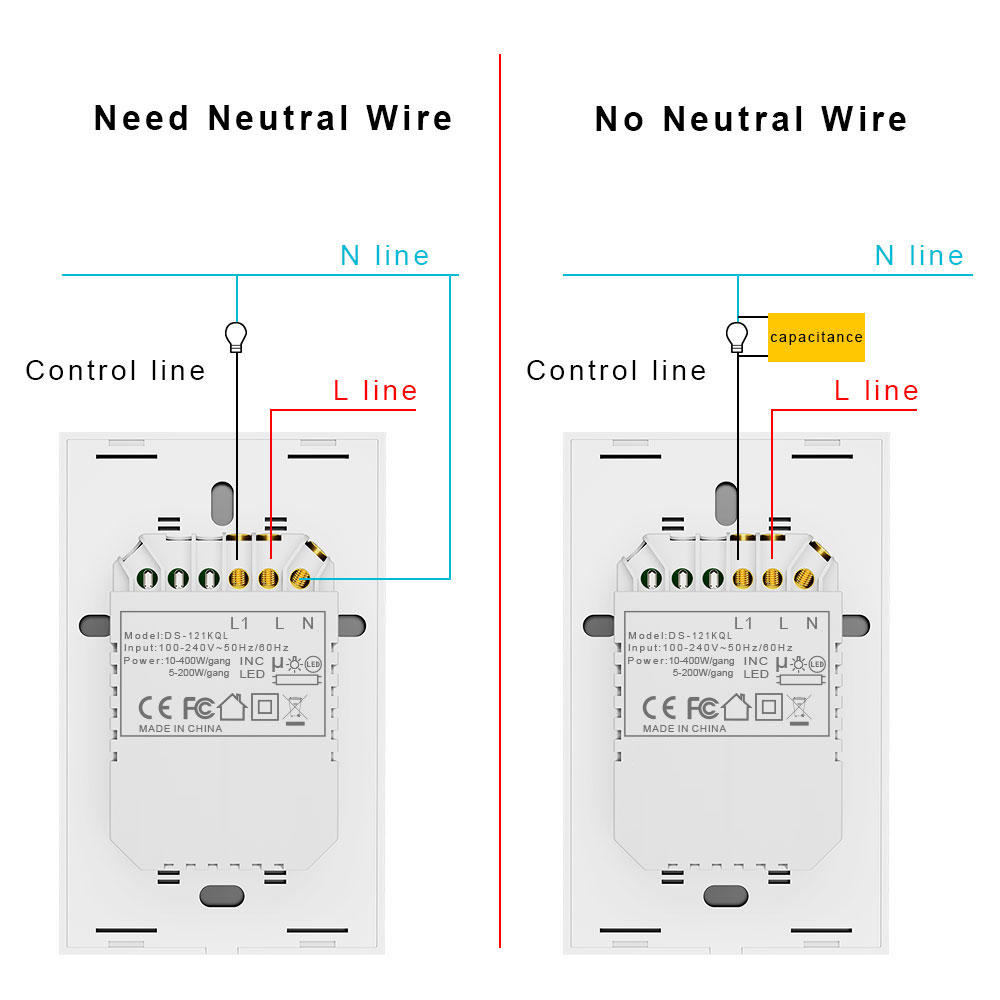
Wiring requirements depend on the specific board version. Confirm the wiring diagram for the exact model you are ordering before the electrician starts work; do not assume the wave-sensor board shares the wiring of a no-neutral touch switch.

Can the gesture sensor be disabled?

The sensor and the physical switch operate on the same relay. Where a project requires motion-free operation, specify the configuration with your sales contact at quotation stage.

How many panels can one app account manage?

Multiple panels can be added to a single account and grouped by room or by property. The practical limit depends on your Wi-Fi infrastructure rather than the panel itself.

Talk to us about your wave-sensor programme

If you are building a touchless switching line for hotels, healthcare or public washrooms, we can supply the EU and US variants under a single order, with your branding on the glass and packaging, plus the specification documents your marketplace listing needs.

Send us your target market, plate standard, annual volume and whether you need the Wi-Fi tier or the wave-only tier — we will come back with a quotation and a sample plan.

wave sensor WiFi wall switch cutout image for listings
Cut-out asset supplied for your own marketplace and catalogue listings

All technical figures in this article are taken from the manufacturer’s product specification sheet for the wave-sensor switch range. Confirm the exact configuration of your ordered model on the datasheet before installation.

Related Articles

You Might Also Like
Posted on — Leave a comment

Smart Switch Board: How to Pick One That Fits Your Wall, Your Wiring and Your Router

Search for a Smart switch and you get a single module. Walk into a real house and the thing you Actually replace is the plate: two, four, six or twelve positions on one board, some switching lights, some running a fan, some just a socket that happens to be on the same wall. That plate is a Smart switch board, and it is bought on three measurements before a single feature matters.

This guide walks through those measurements — plate size, how Many ways you need, and whether there is a neutral wire in the box — then finishes with the protocol choice. If you already know the plate and only want the wiring question answered, the dedicated guide to smart switches with no neutral wire goes deeper.

Plate size comes first

Boards are made to a physical standard, and the standard is regional. You cannot fit a square plate into a horizontal cut-out without chasing the wall, so this is the first filter:

Standard Plate Where it is used
86 type 86 × 86 mm square China, much of Europe, Southeast Asia
147 type 147 × 86 mm horizontal Europe — the wide plate that carries several gangs side by side
118 type 118 × 72 mm United States and Canada

Our 86 × 86 function plates carry fan speed, dimmer and scene keys in one square. Where the wall already has a wide horizontal cut-out, the 147 × 86 touch series is the drop-in shape, and the matching 147 × 86 socket series keeps sockets on the same line so the board looks like one unit instead of a patchwork. For North American boxes, the 118 × 72 US standard series is the shape to measure against.

Count the ways, then add one

People under-count. A board that looks like “three switches” is often four: the fourth is the fan, or the bathroom extractor, or a future scene key. Counting in gangs:

  • One to two gangs — a bedroom or a study, one light plus a lamp circuit.
  • Three to four gangs — living rooms and the kitchen entry wall, where lights, fan and extractor sit together.
  • Six gangs and up — the main board by the entrance, or an apartment where everything is grouped in one place.

In the DS range the numbering maps to gang count: DS-104 for four ways, DS-126 for six, DS-129 for the nine-way board used where a whole flat is switched from one plate. If you are ordering for a project and the count above twelve, the 12 module board guide covers how module positions are planned rather than counted. Tuya Curtain Motor OEM: Complete Sourcing Guide 2026

The neutral wire decides the whole job

Inside the box there should be two wires per switch: a live and a switched live. Modern boards also want a neutral — the return conductor that lets the electronics inside the switch stay powered while the lamp is off. New builds almost always have it. Rewired flats usually have it. A 1990s house with the original conduit often does not.

Without a neutral you have three honest options: pick a board designed to run on the small leakage current through the lamp, have an electrician draw a neutral to the box, or leave that position mechanical and automate somewhere else — a dedicated water heater switch at the appliance end, or a Smart plug on the lamp.

Protocol: WiFi or Zigbee

WiFi boards talk straight to your router, which is exactly why a dozen of them is a bad idea — every switch becomes another device on the network, and a router swap means re-pairing all of them. ZigBee boards talk to one hub, and the hub talks to the router; the switches keep working locally even when the internet is down. If you are doing more than three boards, Zigbee plus a hub is the calmer setup — our comparison of WiFi and Zigbee devices lays out the trade in plain terms.

Glass, or something you can touch in the dark

Glass touch plates look right in a living room and wipe clean, but they are reflective in sunlight and give no tactile feedback. Mechanical rocker plates are the opposite: you can find them half-asleep. A third option is useful in kitchens and clinics — the wave gesture switch and the infrared touch-free wall switch, which trigger without contact at all.

Order it once: the four numbers to write down

Almost every wrong order traces back to a missing measurement. Before you check out, write down four things and send them with the order:

  1. Plate standard — 86 × 86, 147 × 86 or 118 × 72, measured on the existing plate, not guessed from the country.
  2. Number of gangs — counted on the wall including the fan and the extractor, plus one spare.
  3. Neutral present — yes, no, or unknown. Unknown should be treated as no until an electrician says otherwise.
  4. Protocol — WiFi for one or two boards, Zigbee with a hub for anything larger.

That list is also what an electrician needs to quote, and it is the difference between a board that goes straight in and a board that sits in its box for a month.

Frequently Asked Questions

Can one board mix switches, sockets and a fan controller?

Yes, as long as they share a plate standard. A 147 × 86 board can carry switch gangs and socket modules side by side; that is what the matching socket series exists for. What you cannot mix is plate sizes on the same cut-out.

Do I need to replace every switch in the house?

No. Most people start with the two boards they touch every day — the entrance and the bedroom — then extend. Lights on a Smart board can still be switched manually, so the rest of the house is unaffected.

Will the lights still work if the WiFi goes down?

On a WiFi board, manual touch control works regardless, but app and voice control go with the router. On a Zigbee board Wired to a hub, schedules and local control keep running.

Is a smart switch board the same as a smart relay module?

No. A relay module hides inside the box or the ceiling rose and keeps the existing plate; a smart switch board replaces the plate itself. Modules are the answer where the wall finish cannot be touched.

Related Articles

You Might Also Like
Posted on — Leave a comment

How to Choose a Bluetooth Touch Switch for a 86 Wall Box — DS-101BY Series

DS-101BY Series WiFi Touch Switch (1 Gang)
How to Choose a Bluetooth Touch Switch for a 86 Wall Box — DS-101BY Series

Replacing a wall Switch looks simple until you open the box. The Plate size, whether a neutral is present, and which radio the Switch uses decide whether the job takes ten minutes or a visit from an electrician. The DS-101BY Series is built around zero-fire (neutral required) Wiring and Bluetooth, and it ships in 1 Gang — so the same look can run through a whole flat or hotel floor.

This guide walks through the four things to settle before you order, with the numbers that matter for European Standard / British standard / China national standard installations.

1. Match the wall box first

The DS-101BY plate is made for the 86 × 86 mm square wall box (EU / UK / China), which is the standard box in European standard / British standard / China national standard installations. Measure the box, not the old plate: a cover frame can hide a smaller opening, and a plate that is a few millimetres out will not sit flush against the wall.

2. Check whether you have a neutral

This unit needs a neutral wire in the box — it will not work in a two-wire single-fire box. Open the box and look for a neutral bundle before ordering; if it is not there, you need a single-fire model instead.

3. Pick the radio for the project

No hub and no router needed — pair it straight from the phone for local control and schedules. Bluetooth suits rooms Where you do not want the Switch on the network at all, and it keeps working when the router is down.

4. Count the gangs per plate

DS-101BY covers 1 Gang. Fewer plates means fewer boxes to chase into the wall and One clean frame instead of three, which is usually the reason people move to multi-gang Touch plates in the first place. Where the DS-101BWHK Series Fits: Apartments, Hotels and Office Retrofits

Specifications

Quantity pricing

Indicative unit prices ($10.03–$10.03 depending on gang and finish):

FAQ

Is a neutral wire required?
Yes. This model is zero-fire only.
Does it work with Alexa and Google Home?
Voice control depends on the app ecosystem you pair with; local control and schedules work straight from the phone.
Can I order mixed gangs and colors in one shipment?
Yes. Gang sizes and finishes can be mixed within one order; tell us the split at checkout.

Ready to specify it? Full specifications, gang options, colors and quantity pricing are on the DS-101BY series product page — OEM logo, manual and packaging are available from the first order.

Related Articles

You Might Also Like
Frequently Asked Questions

Is Choose Bluetooth Touch worth buying?

Based on the breakdown in this article, Choose Bluetooth Touch offers a solid mix of features and value. If your main goal matches the key benefits described above, it is a practical choice for everyday use.

How do I choose the right choose bluetooth touch for my needs?

Start with your core use case, then compare battery life, compatibility, and build quality as covered above. Choosing the right choose bluetooth touch comes down to matching specs with how you actually use it.

Does choose bluetooth touch require a companion app?

Most devices of this type pair with a free companion app for setup and firmware updates. A few advanced features may sit behind a paid plan, so check the official specs page before buying.

Posted on — Leave a comment

How to Choose a WiFi Touch Switch for a standard Wall Box — DS-1611WL Series

DS-1611WL Series WiFi Touch Switch (4 Gang)
How to Choose a WiFi Touch Switch for a standard Wall Box — DS-1611WL Series

Replacing a wall switch looks simple until you open the box. The Plate size, whether a neutral is present, and which radio the switch uses decide whether the job takes ten minutes or a visit from an electrician. The DS-1611WL Series is built around single-fire (no neutral) Wiring and WiFi 2.4 GHz, and it ships in 4 Gang — so the same look can run through a whole flat or hotel floor.

This guide walks through the four things to settle before you order, with the numbers that matter for Brazilian Standard installations.

1. Match the wall box first

The DS-1611WL plate is made for the Standard wall box, which is the standard box in Brazilian standard installations. Measure the box, not the old plate: a cover frame can hide a smaller opening, and a plate that is a few millimetres out will not sit flush against the wall. Where the DS-123Y Series Fits: Apartments, Hotels and Office Retrofits

2. Check whether you have a neutral

This unit runs without a neutral wire, so it drops into older two-wire boxes as a straight replacement. You do not need a neutral, which is why this model is the usual choice for older buildings.

3. Pick the radio for the project

No hub needed — it joins the router directly through the Tuya / Smart Life app. WiFi is the simplest to commission — One app, one router, nothing else to buy. Where the DS-121JLHK Series Fits: Apartments, Hotels and Office Retrofits

4. Count the gangs per plate

DS-1611WL covers 4 Gang. Fewer plates means fewer boxes to chase into the wall and one clean frame instead of three, which is usually the reason people move to multi-gang Touch plates in the first place.

Specifications
Quantity pricing

Indicative unit prices ($11.30–$11.30 depending on gang and finish):

FAQ
Is a neutral wire required?
No — it is designed for boxes without a neutral.
Does it work with Alexa and Google Home?
Yes — through the Tuya / Smart Life skill for Alexa and Google Home.
Can I order mixed gangs and colors in one shipment?
Yes. Gang sizes and finishes can be mixed within one order; tell us the split at checkout.

Ready to specify it? Full specifications, gang options, colors and quantity pricing are on the DS-1611WL series product page — OEM logo, manual and packaging are available from the first order.

Related Articles

You Might Also Like
Frequently Asked Questions

Is Choose Wifi Touch worth buying?

Based on the breakdown in this article, Choose Wifi Touch offers a solid mix of features and value. If your main goal matches the key benefits described above, it is a practical choice for everyday use.

How do I choose the right choose wifi touch for my needs?

Start with your core use case, then compare battery life, compatibility, and build quality as covered above. Choosing the right choose wifi touch comes down to matching specs with how you actually use it.

Does choose wifi touch require a companion app?

Most devices of this type pair with a free companion app for setup and firmware updates. A few advanced features may sit behind a paid plan, so check the official specs page before buying.

Posted on — Leave a comment

DS-129 vs a Standard Wall Switch: What Actually Changes in a US standard Retrofit

DS-129 Series WiFi Touch Switch (1 Gang / 2 Gang / 3 Gang / 4 Gang)
DS-129 vs a Standard Wall Switch: What Actually Changes in a US standard Retrofit

Swapping a mechanical Switch for a glass Touch Plate changes more than the look: the box has to accept it, the Wiring has to feed it, and the switch now needs somewhere to report to. Using the DS-129 Series as the example, here is what actually changes in a US Standard retrofit.

The plate and the box

The DS-129 uses the 118 × 72 mm US-style wall box. In most US standard installations the existing box already matches, so the retrofit is a like-for-like swap. What changes is depth: the electronics sit behind the glass, so a very shallow box may need a spacer or a deeper back box.

The wiring

This model needs a neutral wire in the box — it will not work in a two-wire single-fire box. Confirm it before you order in quantity — it is the One thing that cannot be fixed on site.

The radio

WiFi 2.4 GHz, no hub needed — it joins the router directly through the tuya / Smart life app. For a single room or a small flat, this is the quickest route with nothing extra to buy.

What you gain

  • Group control — one tap or one app scene can drive every gang on the plate.
  • Schedules and countdown — useful for exterior lights, towel rails and anything on a timer.
  • Status at a glance — the app shows whether a light was left on, which a mechanical switch cannot tell you.
  • Voice — Alexa and Google Home once the switch is in the app.
Specifications
Quantity pricing
FAQ
Can I keep my existing faceplate?
No — the Touch plate is part of the switch, but the standard box size means no chasing or plastering.
What happens if the WiFi drops?
The Touch panel keeps working locally, and schedules stored on the device still run.
Are the plates standard across the range?
Yes — gang sizes and finishes match across the Series, so mixed plates line up on the same wall.

Ready to specify it? Full specifications, gang options, colors and quantity pricing are on the DS-129 series product page — OEM logo, manual and packaging are available from the first order.

Related Articles

You Might Also Like
Frequently Asked Questions

Is 129 Standard Wall worth buying?

Based on the breakdown in this article, 129 Standard Wall offers a solid mix of features and value. If your main goal matches the key benefits described above, it is a practical choice for everyday use.

How do I choose the right 129 standard wall for my needs?

Start with your core use case, then compare battery life, compatibility, and build quality as covered above. Choosing the right 129 standard wall comes down to matching specs with how you actually use it.

Does 129 standard wall require a companion app?

Most devices of this type pair with a free companion app for setup and firmware updates. A few advanced features may sit behind a paid plan, so check the official specs page before buying.

Posted on — Leave a comment

How to Choose a Zigbee Touch Switch for a 118 Wall Box — DS-124 Series

DS-124 Series WiFi Touch Switch (1 Gang / 2 Gang / 3 Gang / 4 Gang)
How to Choose a Zigbee Touch Switch for a 118 Wall Box — DS-124 Series

Replacing a wall Switch looks simple until you open the box. The plate size, whether a neutral is present, and which radio the switch uses decide whether the job takes ten minutes or a visit from an electrician. The DS-124 Series is built around single-fire and zero-fire Wiring and Zigbee 3.0, and it ships in 1 Gang / 2 Gang / 3 Gang / 4 Gang — so the same look can run through a whole flat or hotel floor.

This guide walks through the four things to settle before you order, with the numbers that matter for US Standard / Australian Standard / Italian standard / Canadian standard / Brazilian standard / Vietnamese standard / Thai standard installations.

1. Match the wall box first

The DS-124 plate is made for the 118 × 72 mm US-style wall box, which is the standard box in US standard / Australian standard / Italian standard / Canadian standard / Brazilian standard / Vietnamese standard / Thai standard installations. Measure the box, not the old plate: a cover frame can hide a smaller opening, and a plate that is a few millimetres out will not sit flush against the wall. Where the DS-121JLHK Series Fits: Apartments, Hotels and Office Retrofits

2. Check whether you have a neutral

This unit works in both single-fire (no neutral) and zero-fire (with neutral) boxes. If your box has no neutral, the switch still works — fit the supplied capacitor across the first lamp port of L1 to stop LED lamps glowing or flickering when off. With a neutral present, skip the capacitor.

3. Pick the radio for the project

A Zigbee gateway is required (our wired / wireless gateway covers it) — in return you get mesh coverage and much lower standby power. On a site with dozens of switches, Zigbee also keeps the router free of dozens of extra clients. Where the DS-112 Series Fits: Apartments, Hotels and Office Retrofits

4. Count the gangs per plate

DS-124 covers 1 Gang / 2 Gang / 3 Gang / 4 Gang. Fewer plates means fewer boxes to chase into the wall and one clean frame instead of three, which is usually the reason people move to multi-gang touch plates in the first place.

Specifications
Quantity pricing

Indicative unit prices ($11.15–$12.49 depending on gang and finish):

FAQ
Is a neutral wire required?
No, but if there is no neutral you fit the supplied capacitor on L1.
Does it work with Alexa and Google Home?
Yes — through the Tuya / Smart Life skill for Alexa and Google Home.
Can I order mixed gangs and colors in one shipment?
Yes. Gang sizes and finishes can be mixed within one order; tell us the split at checkout.

Ready to specify it? Full specifications, gang options, colors and quantity pricing are on the DS-124 series product page — OEM logo, manual and packaging are available from the first order.

Related Articles

You Might Also Like
Frequently Asked Questions

Is Choose Zigbee Touch worth buying?

Based on the breakdown in this article, Choose Zigbee Touch offers a solid mix of features and value. If your main goal matches the key benefits described above, it is a practical choice for everyday use.

How do I choose the right choose zigbee touch for my needs?

Start with your core use case, then compare battery life, compatibility, and build quality as covered above. Choosing the right choose zigbee touch comes down to matching specs with how you actually use it.

Posted on — Leave a comment

DS-123HK vs a Standard Wall Switch: What Actually Changes in a US standard Retrofit

DS-123HK Series WiFi Touch Switch (1 Gang / 2 Gang / 3 Gang)
DS-123HK vs a Standard Wall Switch: What Actually Changes in a US standard Retrofit

Swapping a mechanical switch for a glass Touch plate changes more than the look: the box has to accept it, the Wiring has to feed it, and the switch now needs somewhere to report to. Using the DS-123HK Series as the example, here is what actually changes in a US Standard retrofit.

The plate and the box

The DS-123HK uses the standard wall box. In most US standard installations the existing box already matches, so the retrofit is a like-for-like swap. What changes is depth: the electronics sit behind the glass, so a very shallow box may need a spacer or a deeper back box.

The wiring

This model works in both single-fire (no neutral) and zero-fire (with neutral) boxes. That is the practical advantage of a universal relay: the same SKU covers the neutral boxes in a new build and the two-wire boxes in a refurbishment, so one order can serve both.

The radio

WiFi 2.4 GHz, no hub needed — it joins the router directly through the tuya / Smart life app. For a single room or a small flat, this is the quickest route with nothing extra to buy. Where the DS-123Y Series Fits: Apartments, Hotels and Office Retrofits

What you gain
  • Group control — one tap or one app scene can drive every gang on the plate.
  • Schedules and countdown — useful for exterior lights, towel rails and anything on a timer.
  • Status at a glance — the app shows whether a light was left on, which a mechanical switch cannot tell you.
  • Voice — Alexa and Google Home once the switch is in the app.
Specifications
Quantity pricing
FAQ
Can I keep my existing faceplate?
No — the Touch plate is part of the switch, but the standard box size means no chasing or plastering.
What happens if the WiFi drops?
The touch panel keeps working locally, and schedules stored on the device still run.
Are the plates standard across the range?
Yes — gang sizes and finishes match across the Series, so mixed plates line up on the same wall.

Ready to specify it? Full specifications, gang options, colors and quantity pricing are on the DS-123HK series product page — OEM logo, manual and packaging are available from the first order.

Related Articles

You Might Also Like
Frequently Asked Questions

Is 123hk Standard Wall worth buying?

Based on the breakdown in this article, 123hk Standard Wall offers a solid mix of features and value. If your main goal matches the key benefits described above, it is a practical choice for everyday use.

How do I choose the right 123hk standard wall for my needs?

Start with your core use case, then compare battery life, compatibility, and build quality as covered above. Choosing the right 123hk standard wall comes down to matching specs with how you actually use it.

Does 123hk standard wall require a companion app?

Most devices of this type pair with a free companion app for setup and firmware updates. A few advanced features may sit behind a paid plan, so check the official specs page before buying.

Posted on — Leave a comment

How to Choose a Bluetooth Touch Switch for a 118 Wall Box — DS-121Y Series

DS-121Y Series WiFi Touch Switch (1 Gang / 2 Gang / 3 Gang / 4 Gang)
How to Choose a Bluetooth Touch Switch for a 118 Wall Box — DS-121Y Series

Replacing a wall Switch looks simple until you open the box. The plate size, whether a neutral is present, and which radio the Switch uses decide whether the job takes ten minutes or a visit from an electrician. The DS-121Y Series is built around zero-fire (neutral required) Wiring and Bluetooth, and it ships in 1 Gang / 2 Gang / 3 Gang / 4 Gang — so the same look can run through a whole flat or hotel floor.

This guide walks through the four things to settle before you order, with the numbers that matter for Italian Standard / Canadian Standard / Brazilian Standard / Vietnamese standard / Thai standard installations.

1. Match the wall box first

The DS-121Y plate is made for the 118 × 72 mm US-style wall box, which is the standard box in Italian standard / Canadian standard / Brazilian standard / Vietnamese standard / Thai standard installations. Measure the box, not the old plate: a cover frame can hide a smaller opening, and a plate that is a few millimetres out will not sit flush against the wall.

2. Check whether you have a neutral

This unit needs a neutral wire in the box — it will not work in a two-wire single-fire box. Open the box and look for a neutral bundle before ordering; if it is not there, you need a single-fire model instead. Where the DS-123Y Series Fits: Apartments, Hotels and Office Retrofits

3. Pick the radio for the project

No hub and no router needed — pair it straight from the phone for local control and schedules. Bluetooth suits rooms Where you do not want the switch on the network at all, and it keeps working when the router is down. Where the DS-1081WL Series Fits: Apartments, Hotels and Office Retrofits

4. Count the gangs per plate

DS-121Y covers 1 Gang / 2 Gang / 3 Gang / 4 Gang. Fewer plates means fewer boxes to chase into the wall and one clean frame instead of three, which is usually the reason people move to multi-gang touch plates in the first place. Wiring the DS-123 Series: Single-Fire, Zero-Fire and the Capacitor Question

Specifications
Quantity pricing

Indicative unit prices ($10.78–$12.12 depending on gang and finish):

FAQ
Is a neutral wire required?
Yes. This model is zero-fire only.
Does it work with Alexa and Google Home?
Voice control depends on the app ecosystem you pair with; local control and schedules work straight from the phone.
Can I order mixed gangs and colors in one shipment?
Yes. Gang sizes and finishes can be mixed within one order; tell us the split at checkout.

Ready to specify it? Full specifications, gang options, colors and quantity pricing are on the DS-121Y series product page — OEM logo, manual and packaging are available from the first order.

Related Articles

You Might Also Like
Frequently Asked Questions

Is Choose Bluetooth Touch worth buying?

Based on the breakdown in this article, Choose Bluetooth Touch offers a solid mix of features and value. If your main goal matches the key benefits described above, it is a practical choice for everyday use.

How do I choose the right choose bluetooth touch for my needs?

Start with your core use case, then compare battery life, compatibility, and build quality as covered above. Choosing the right choose bluetooth touch comes down to matching specs with how you actually use it.

Does choose bluetooth touch require a companion app?

Most devices of this type pair with a free companion app for setup and firmware updates. A few advanced features may sit behind a paid plan, so check the official specs page before buying.

Posted on — Leave a comment

DS-121JL vs a Standard Wall Switch: What Actually Changes in a US standard Retrofit

DS-121JL Series WiFi Touch Switch (1 Gang / 2 Gang / 3 Gang / 4 Gang)
DS-121JL vs a Standard Wall Switch: What Actually Changes in a US standard Retrofit

Swapping a mechanical switch for a glass Touch plate changes more than the look: the box has to accept it, the Wiring has to feed it, and the switch now needs somewhere to report to. Using the DS-121JL Series as the example, here is what actually changes in a US Standard retrofit.

The plate and the box

The DS-121JL uses the 118 × 72 mm US-style wall box. In most US Standard installations the existing box already matches, so the retrofit is a like-for-like swap. What changes is depth: the electronics sit behind the glass, so a very shallow box may need a spacer or a deeper back box.

The wiring

This model works in both single-fire (no neutral) and zero-fire (with neutral) boxes. That is the practical advantage of a universal relay: the same SKU covers the neutral boxes in a new build and the two-wire boxes in a refurbishment, so one order can serve both.

The radio

WiFi 2.4 GHz, no hub needed — it joins the router directly through the tuya / Smart life app. For a Single room or a small flat, this is the quickest route with nothing extra to buy. Where the DS-123Y Series Fits: Apartments, Hotels and Office Retrofits

What you gain
  • Group control — one tap or one app scene can drive every gang on the plate.
  • Schedules and countdown — useful for exterior lights, towel rails and anything on a timer.
  • Status at a glance — the app shows whether a light was left on, which a mechanical switch cannot tell you.
  • Voice — Alexa and Google Home once the switch is in the app.
Specifications
Quantity pricing
FAQ
Can I keep my existing faceplate?
No — the Touch plate is part of the switch, but the Standard box size means no chasing or plastering.
What happens if the WiFi drops?
The touch panel keeps working locally, and schedules stored on the device still run.
Are the plates standard across the range?
Yes — gang sizes and finishes match across the Series, so mixed plates line up on the same wall.

Ready to specify it? Full specifications, gang options, colors and quantity pricing are on the DS-121JL series product page — OEM logo, manual and packaging are available from the first order.

Related Articles

You Might Also Like
Frequently Asked Questions

Is 121jl Standard Wall worth buying?

Based on the breakdown in this article, 121jl Standard Wall offers a solid mix of features and value. If your main goal matches the key benefits described above, it is a practical choice for everyday use.

How do I choose the right 121jl standard wall for my needs?

Start with your core use case, then compare battery life, compatibility, and build quality as covered above. Choosing the right 121jl standard wall comes down to matching specs with how you actually use it.

Does 121jl standard wall require a companion app?

Most devices of this type pair with a free companion app for setup and firmware updates. A few advanced features may sit behind a paid plan, so check the official specs page before buying.