Posted on — Leave a comment

Home Automation System: How to Build One That Actually Gets Used

What Counts as a Home Automation System?

A home automation system is not a single product. It is four layers working together: devices that sense and act, a network that carries the signals, a platform that holds the logic, and interfaces — app, voice, wall panel — that let a human override everything.

Understanding the layers is what stops people from buying a pile of gadgets that do not talk to each other:

  • Devices — switches, sockets, sensors, locks, cameras, curtain motors, thermostats. Each one either switches something, measures something, or both.
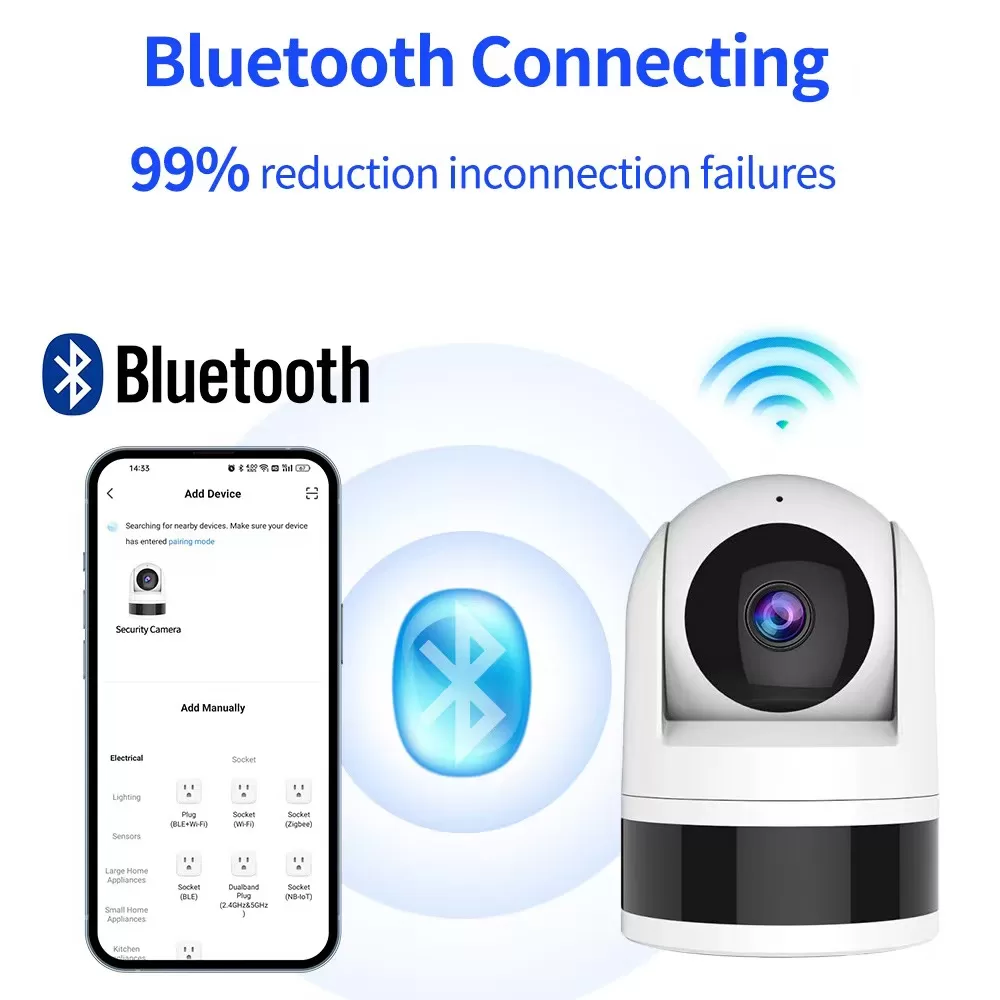
  • Network — WiFi for high-bandwidth devices (cameras), Zigbee for battery sensors and mesh reliability, Bluetooth for locks and small sensors, Thread/Matter as the newer cross-brand option.
  • Gateway — the translator. See our smart home gateway guide.
  • Platform — the app that stores your scenes. Standardising on one platform (Tuya/Smart Life, or Alexa, or Google Home) is more important than any individual device choice.

Most failed Smart homes fail at layer four: three apps, two ecosystems, and no shared logic.

Start With Three Scenes, Not Thirty Devices

The biggest mistake is buying fifteen devices before knowing what you want them to do. Pick three scenes that solve something real, then buy only what those scenes need: C08 Gimbal Stabilizer 69cm, Extendable Selfie Stick Tripod for iPhone & Android

  • Leaving home — one command turns off lights and plugs you would otherwise forget, arms the sensors, and closes curtains. Needs: Smart switches or plugs, door sensor, optional door/window sensors.
  • Good morning — curtain opens, bathroom light to a dim level, heater off, kettle on. Needs: curtain switch or motor, a switch board, a plug.
  • Leak or smoke response — sensor trips, alarm sounds locally, relevant plug cuts power, phone notification. Needs: water leak sensor or smoke detector, and a smart plug or valve.

Once those three work reliably, expansion is obvious because you now know which rooms and which loads matter. More scene ideas in six practical automation scenes and seven scenes that save time and energy. C07 Mini Gimbal Stabilizer 66cm, Foldable Extendable Selfie Stick Tripod for Smartphones

Choosing the Protocol: WiFi, Zigbee or Matter

  • WiFi — simplest, no hub, but every device occupies router capacity and depends on your router’s quality. Fine for 10–20 devices, and for cameras which need the bandwidth.
  • Zigbee 3.0 — mesh, low power, offloads the router, sensors run a year or more on a coin cell. Needs a gateway. This is the right backbone for a whole-home system in 2026.
  • Matter / Thread — designed for cross-brand compatibility and local control, with Thread giving Zigbee-like mesh. Adoption is growing; if your project is 12+ months out, ask for Matter-capable hardware so you are not locked in.

A common, sane mix: WiFi for cameras and a few plugs, Zigbee for sensors and switches, one gateway holding it together. The detailed trade-off is in Zigbee vs WiFi smart home devices.

Room-by-Room: What Actually Gets Automated

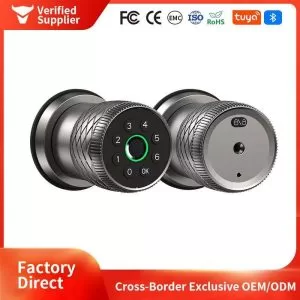
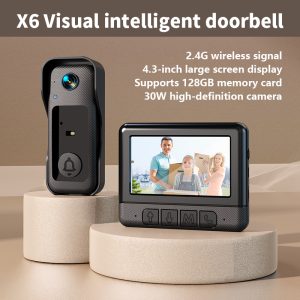
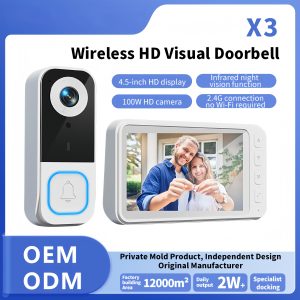
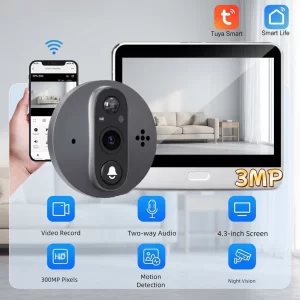
  • Entry — video doorbell, smart lock, door sensor. Arriving home triggers lights and disarms the alarm.
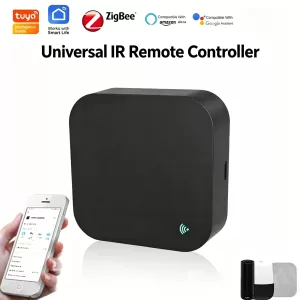
  • Living room — switch board for zones, plugs for lamps, curtain motor, IR hub for the air conditioner.
  • Kitchen — leak sensor under the sink, smoke detector, plug on the kettle or coffee machine.
  • Bedroom — two-way switching at the door and bedside, scene button for “sleep”, thermostat or switch for heating. See thermostat vs smart switch for heating.
  • Bathroom — occupancy-based exhaust fan, leak sensor, heated towel rail on a schedule.
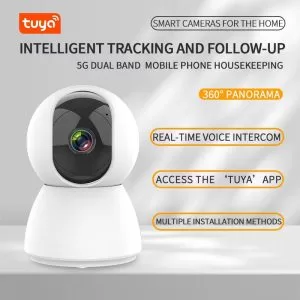
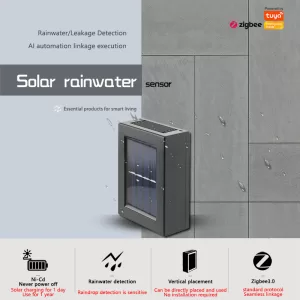
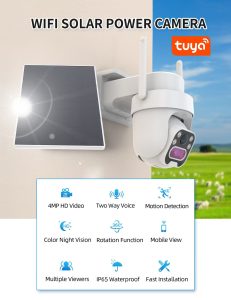
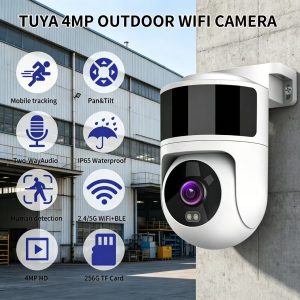
  • Outside — camera, motion-triggered floodlight, and a rain or leak sensor if you have a pump.

Reliability: Make It Survive Real Life

  • Keep physical control. Every automated light should still have a wall switch that works. Guests, kids and internet outages are all unavoidable.
  • Prefer local scenes for safety logic. Leak, smoke and door-forced automations should run on the gateway, not in the cloud.
  • Name devices by room and function. Voice control is unusable with “Switch 3”.
  • Document the panel. A printed list of breakers, device names and gateway location saves an hour of troubleshooting for whoever comes after you.
  • Leave headroom on the router. Past roughly 30 WiFi devices, move sensors and switches to Zigbee.

What It Costs to Build

For a typical three-bedroom apartment, a meaningful starter system is: one gateway, two or three switch boards, two plugs, three or four sensors, one camera and one Doorbell. That covers the three scenes above with change to spare. Whole-house projects with a control panel per floor and full sensor coverage run several times that, but the cost is dominated by switch boards and panels, not by the gateway.

The honest advice: spend on the switch layer and the gateway, and economise on gadgets you will stop using in a month.

Building This as a Product Line

If you are a distributor, developer or hotel group rather than a homeowner, the same architecture applies at a different scale — and the decisions that matter are standardisation, certification and supply consistency. What we do:

  • Stock across switches, sockets, sensors, cameras, doorbells and gateways: from 100 pcs, mixed models and colours.
  • OEM branding across the whole kit (logo, packaging, manuals, app name, firmware config): from 5 pcs per model.
  • New tooling: 2,000–3,000 pcs, tooling 25–40 days, samples 7–15 days.
  • Certification support: CE, FCC, RoHS, UKCA, CCC, PSE, with one platform so the kit works together out of the box.

Send the property type, room count and target market via the contact page and we will put together a kit-level quote. Or start browsing: best smart home starter kit for 2026.

Frequently Asked Questions

Do I need a hub for home automation?

If every device is WiFi, no. As soon as you add battery sensors or want automations that survive an internet outage, yes — a Zigbee gateway becomes the backbone of the system.

Can I mix brands?

Yes if they share a platform. Devices built on Tuya/Smart Life interoperate in one app regardless of the name on the box. Mixing separate ecosystems usually means separate apps and no shared scenes.

What happens when the internet goes down?

Physical switches always work. Local scenes stored on the gateway keep running. Cloud-dependent scenes and remote access stop — which is why safety scenes should be local.

How much can I automate without rewiring?

More than most people expect: plugs, switch modules behind existing faceplates, battery sensors, curtain motors and IR hubs all need no new cabling. Only replacing wall switch boards or adding a neutral wire touches the wiring.

Is Matter worth waiting for?

If your purchase is imminent, buy what works today — Tuya and Zigbee hardware is mature and cheap. If you are specifying a project that ships in a year, ask for Matter-capable models so you are not locked into one platform.

What is the MOQ to launch our own branded system?

5 pcs per model for OEM branding, 100 pcs for stock in neutral packaging, and 2,000–3,000 pcs if you need new tooling. Sampling takes 7–15 days.

Related Articles

You Might Also Like

Posted on — Leave a comment

Smart Home Gateway Explained: Zigbee, Tuya and Bluetooth Compared

What a Smart Home Gateway Actually Does

A Smart Home gateway (also called a hub or bridge) is the translator between your low-power Smart devices and your home network. Zigbee and Bluetooth devices cannot talk to your router directly — they are designed to sip battery power for a year or more, which means they cannot maintain a WiFi connection. The gateway speaks their language, and speaks WiFi or Ethernet on the other side, so everything lands in one app.

Without a gateway, a Zigbee sensor is little more than a paperweight: you can sometimes pair it to a Phone over Bluetooth, but it cannot be reached from outside the room, cannot trigger other devices, and will not show up in your routines. F6 3-Axis Gimbal Stabilizer, Handheld Smartphone Gimbal for Smooth Video

With one gateway, you get: remote access to every Zigbee or Bluetooth device, local automations that keep running when the internet drops, voice control through Alexa and Google, and a single place to see device state. C08 Gimbal Stabilizer 69cm, Extendable Selfie Stick Tripod for iPhone & Android

Do You Need One? A Fast Test

Look at what you already own, or what you are about to buy: C07 Mini Gimbal Stabilizer 66cm, Foldable Extendable Selfie Stick Tripod for Smartphones

  • All WiFi devices (WiFi switches, WiFi plugs, WiFi cameras) — you do not need a gateway. Each device connects to the router itself.
  • Any Zigbee device (door/window sensors, PIR motion sensors, water leak sensors, Zigbee switches, smart knobs) — you need a Zigbee gateway.
  • Any Bluetooth device (Bluetooth locks, thermometers, some sensors) — you need a Bluetooth gateway if you want to reach them when you are not standing next to them.
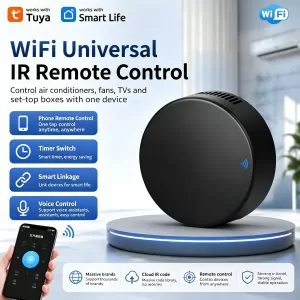
  • Infrared appliances (old air conditioners, TVs, set-top boxes with remotes) — you need a gateway with an IR blaster.

Tuya-based setups often bundle all three: a single Tuya Bluetooth gateway or a combined Zigbee + Bluetooth + IR unit covers a whole apartment. If you are building a larger system, look at a Zigbee 3.0 gateway with a higher device ceiling. C06 Series Selfie Stick with Light & Tripod, Extendable Gimbal Stabilizer for Smartphones F10 3-Axis Gimbal Stabilizer, Handheld Smartphone Stabilizer for Smooth Video Recording

Gateway Types Compared

  • Zigbee 3.0 gateway — the workhorse. Builds a mesh network where mains-powered devices relay for battery ones, so coverage improves as you add more. Typical capacity runs from tens of devices up to 100+ on better units. Best choice for sensors and whole-home builds.
  • Bluetooth gateway — cheap and small, mainly for Bluetooth sensors and locks, and for forwarding their state to the cloud. Shorter range than Zigbee, no mesh.
  • IR + RF gateway — turns legacy remote-controlled appliances into app-controlled ones. Useful for air conditioners in hotels and apartments where replacing the unit is not an option.
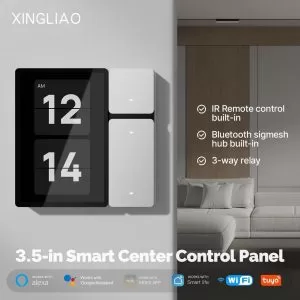
  • Control panel / screen hub — a gateway with a touchscreen that also acts as a wall-mounted control surface and scene keypad. Our 4-inch Tuya smart control panel is this category: gateway, scene controller and intercom-style panel in one device.

If you are deciding between WiFi and Zigbee for the devices themselves, read Zigbee vs WiFi smart home devices before you commit — it changes how many gateways you will need. Automatic Pet Feeder Portions: How to Calibrate and Schedule Meals

How Many Gateways and Where to Put Them

One gateway per home is usually enough for an apartment. Zigbee range indoors is roughly 10–20 metres per hop depending on walls, and concrete or brick floors cost more than drywall. Rules of thumb:

  • Put it central and high, not in a metal cabinet or right next to the router.
  • Keep it a metre or two away from WiFi routers and microwave ovens — 2.4GHz is crowded.
  • If you have two or more floors, plan a second gateway, or rely on mains-powered Zigbee devices (switches, sockets) to act as mesh repeaters.
  • Add devices from the gateway outward: pair the nearest ones first, then work further away, so the mesh builds in the right order.

Local Automation: The Feature Worth Paying For

Cloud automations break when your internet breaks, and they add latency — the sensor reports to a server in another country and the command comes back. A gateway with local scene execution stores the logic on the device: water leak detected → shut the valve and sound the alarm, even with the broadband down.

For safety-related scenes (leak, smoke, door forced open), this is not a nice-to-have. It is the difference between an automation you can trust and one you cannot. Our guide to practical automation scenes shows setups that make sense in a real home.

Security and Network Hygiene

A gateway sits on your network with access to every device, so treat it like infrastructure:

  • Keep firmware updated, and check whether your model supports encrypted join (Zigbee 3.0 uses AES-128 by default).
  • Use a separate 2.4GHz SSID for IoT if your router supports it, and leave WPA2/WPA3 on.
  • Do not expose the gateway’s management interface to the internet.
  • For hotels and multi-unit projects, segment by VLAN and keep the gateway count per floor documented — it makes troubleshooting later much faster.

Buying for Projects: MOQ and Customisation

Gateways are the least visible part of a smart home but the one that determines whether the system feels reliable, so project buyers usually standardise on one model per property type. What we support:

  • Stock units, neutral packaging: from 100 pcs, mixed models accepted.
  • OEM branding (housing colour, logo, packaging, manual, pre-loaded firmware config, app name): from 5 pcs per model.
  • Full custom tooling: 2,000–3,000 pcs, tooling 25–40 days, sampling 7–15 days.
  • Certifications: CE, FCC, RoHS, UKCA, CCC, PSE — we support the paperwork for your market.

If you are bundling gateways with sensors and switches, tell us the device mix and the property count on the contact page — we can quote the whole kit rather than line by line.

Related reading: Tuya Zigbee IR remote hub, smart home control panel as the hub, and best smart home starter kit for 2026.

Browse the range

Related guides

Frequently Asked Questions

Is a gateway the same as a hub?

Practically yes — both translate between device protocols and your network. In marketing, “hub” sometimes also implies a screen or keypad. Check whether a product is a pure bridge or a control panel, because only the second one gives you a wall-mounted interface.

Can I use one gateway for devices from different brands?

If they all run on the Tuya/Smart Life platform, generally yes — that is the main advantage of standardising on one ecosystem. Mixing a Tuya gateway with a non-Tuya Zigbee device often fails, or pairs but exposes only basic functions.

How many devices can one gateway handle?

Entry Bluetooth gateways handle dozens; Zigbee 3.0 units commonly list 30–130 devices depending on the model and how many are mains-powered repeaters. Always leave headroom — mesh networks get sluggish when they are full.

Do I still need a gateway if I use Matter?

Matter devices can talk directly over WiFi or Thread. You still need a Thread border router for Thread devices, and many existing Zigbee devices will not become Matter devices. For most homes in 2026 that means: keep the gateway.

What happens to my automations if the gateway loses internet?

Cloud scenes stop. Local scenes stored on the gateway keep running, which is why leak and smoke automations should be configured as local scenes wherever the hardware supports it.

Can you put our brand on the gateway and pre-configure it?

Yes, from 5 pcs per model. We can set the housing colour, print or laser your logo, produce retail packaging and manuals under your brand, and pre-load a device configuration so your installers pair faster on site.

Related Articles

You Might Also Like
Posted on — Leave a comment

Zigbee vs WiFi for Smart Home Devices: What to Use Where

Use WiFi for anything that streams Video or needs the internet directly — cameras, Video doorbells, Smart speakers. Use Zigbee for anything that is battery-powered, numerous and low-data — Door/window sensors, motion sensors, water leak sensors, and switches that only report state. Zigbee devices do not each need your router; they form a mesh that reaches further and keeps working when the internet drops.

The mistake most people make is buying every device in WiFi and then discovering 30 clients on a Home router, batteries that die every few months, and automations that stop when the broadband does.

The practical difference

  • WiFi connects each device straight to your router. High bandwidth, high power draw, one more client per device, and it depends on router quality.
  • Zigbee connects devices to a small hub, and the mains-powered devices in the mesh relay messages for each other. Very low power, instant local response, no router load, but low bandwidth — fine for “door open”, useless for Video.

What to buy in Zigbee

Sensors

Door/window contacts, PIR motion sensors, water leak detectors, rain sensors, temperature and humidity sensors. A Zigbee sensor on a coin cell typically runs one to two years, versus a few months for the WiFi equivalent, and it reports state to the hub locally in well under a second. This is why a whole-house sensor set is normally Zigbee.

Switches and relays that only report state

Light switches, curtain switches and boiler relays are mains-powered, so battery life is not the issue — reliability is. Zigbee keeps them off your WiFi and, importantly, keeps local automations working if the internet goes down.

Large installs

Once you pass roughly 15–20 devices, Zigbee’s mesh matters more than any single device spec. Put a few mains-powered Zigbee devices (Smart plugs or in-wall modules) around the house and they will act as repeaters for the battery sensors. C08 Gimbal Stabilizer 69cm, Extendable Selfie Stick Tripod for iPhone & Android

What to keep on WiFi

Cameras and video doorbells

Video needs bandwidth Zigbee cannot deliver. Keep cameras on WiFi, give them their own 2.4 GHz SSID if your router supports it, and do not judge the rest of your Smart home by how flaky a camera at the front door feels.

Plugs and appliances you want to control from anywhere without a hub

A WiFi Smart plug is the simplest possible first device: no hub, works with voice assistants directly, and metering models report power. If you only want two or three, WiFi is fine.

Where a hub is unavoidable

Zigbee needs a coordinator — a hub, a speaker with a built-in radio, or a control panel. That single purchase is what makes the rest cheap and reliable. Choose a hub that supports Zigbee 3.0 so devices from different brands interoperate for basic on/off, open/close and battery reporting. Note that brand-specific extras (advanced metering, proprietary scenes) may still need that brand’s own app.

Matter and Thread, briefly

Matter is a device-level standard that sits above the transport: it lets a device work with any Matter-certified controller, whether it arrives over WiFi, Thread or a bridge. Thread is a low-power mesh in the same role as Zigbee. In practice: if you are buying sensors today, a Zigbee 3.0 or Matter-over-Thread device from a brand whose hub you already own is the safe choice.

Planning a house, room by room

  • Front door: WiFi video doorbell (bandwidth), Zigbee door contact (backup), Zigbee leak sensor if there is a utility cupboard nearby.
  • Living room: Zigbee motion sensor for lighting automations; WiFi plug for the lamp or TV standby load.
  • Kitchen and utility: Zigbee water leak sensors under the sink, behind the dishwasher and next to the boiler — these are the cheapest insurance in a smart home.
  • Bedrooms: Zigbee temperature/humidity sensors; keep cameras out of sleeping areas.
  • Heating: WiFi thermostat Where it needs remote scheduling, Zigbee boiler relay where it only follows a Schedule and a local temperature sensor.

Troubleshooting checklist

  • Sensor drops offline: add a mains-powered Zigbee repeater between it and the hub; check for a metal cabinet or a mirror in the path.
  • Pairing fails: bring the device within a metre of the hub, reset it properly (usually a 5-second hold), and pair before mounting.
  • Automations are slow: check whether the automation runs locally or in the cloud; cloud ones stop when the internet does.
  • WiFi device keeps disconnecting: you probably have too many clients or a 2.4/5 GHz band-steering problem. Give smart devices a dedicated 2.4 GHz SSID.
Browse the range
Frequently Asked Questions

Do I need a hub for Zigbee devices?

Yes. Zigbee devices talk to a coordinator — a smart speaker with a Zigbee radio, a dedicated hub, or a control panel. That hub is what connects them to your app and to your WiFi network.

Is Zigbee better than WiFi for smart home devices?

For battery sensors, yes: far longer battery life, a self-healing mesh, and local automations that survive an internet outage. For cameras and anything streaming video, WiFi is the only practical option.

How many Zigbee devices can one hub handle?

Commonly 30–60 direct children per coordinator, with mains-powered devices acting as repeaters to extend reach. Large homes usually add a second hub or place repeaters rather than replacing the hub.

Can I mix Zigbee and WiFi devices in one app?

Yes, if your hub or platform supports both — most do. The device radios are different; the app layer presents them together, and automations can cross between them.

Do Zigbee devices work when the internet is down?

Local automations run on the hub and keep working. Remote access and any cloud-dependent automation will not. This is one of the main reasons to prefer Zigbee for essential automations.

Should I wait for Matter instead?

No need. Buy Zigbee 3.0 or Matter-over-Thread devices from a brand whose hub you already run; both are supported by current platforms, and Matter devices can be added alongside existing Zigbee ones.

Related guides

Browse sensors and alarms · Ask which hub fits your setup

Related Articles

You Might Also Like
Posted on — Leave a comment

White Label Smart Home Devices for Brand Owners

White Label Smart Home Devices for Brand Owners

Launch a smart-home brand without an R&D team. We manufacture Wi-Fi Smart switches, Video doorbells, and IP cameras as white-label products — your logo, your packaging, your app.

Product lines

  • Touch Smart switches (Wi-Fi / Zigbee), glass panel, 1–4 gang
  • Video doorbells: 1080p–2K, wired or battery
  • IP cameras: indoor 2MP to outdoor PTZ 5MP

Why brand with us

  • Factory-direct pricing, no middleman
  • Existing certified platforms — skip 6 months of development
  • Flexible MOQ per SKU to test your market

FAQ

Can I mix SKUs in one order? Yes, mixed containers supported.

Lead time? 15–25 days after artwork confirmation.

Payment terms? T/T; established partners get net terms.

Request the white-label catalog: WhatsApp or sales@odmhome.com. Smart Sensors Buying Guide: How to Make Your Home Feel Its Environment

Related Articles

You Might Also Like
Frequently Asked Questions

Is White Label Smart worth buying?

Based on the breakdown in this article, White Label Smart offers a solid mix of features and value. If your main goal matches the key benefits described above, it is a practical choice for everyday use.

How do I choose the right white label smart for my needs?

Start with your core use case, then compare battery life, compatibility, and build quality as covered above. Choosing the right white label smart comes down to matching specs with how you actually use it.

Does white label smart require a companion app?

Most devices of this type pair with a free companion app for setup and firmware updates. A few advanced features may sit behind a paid plan, so check the official specs page before buying.

Posted on — Leave a comment

Smart Home Automation Guide 2026: 7 Practical Scenes That Save Time, Money and Energy

Tuya 4MP Indoor WiFi Smart Camera - HD Night Vision Pan-Tilt Remote Home Monitor with Two-Way Audio
Smart Home Automation Guide 2026: 7 Practical Scenes That Save Time, Money and Energy

However, Smart home automation is no longer a luxury for tech enthusiasts. In 2026 it is the fastest way to make a home safer, more comfortable and noticeably cheaper to run. The best part? You do not need a full renovation or a huge budget. With a few Smart switches, sensors, a doorbell camera and an affordable ecosystem hub, you can build genuinely useful automations in an afternoon.

Tuya indoor WiFi smart camera for home security automation

Therefore, This guide explains what smart home automation actually means, the devices that matter, and seven practical scenes you can copy today. It also includes a short buying checklist for distributors who want to stock a complete, compatible automation range.

What smart home automation means

Moreover, Automation is the difference between controlling a device remotely and having it react by itself. When you automate, a rule triggers an action without you touching your phone. For example: motion detected at the front door and after sunset, the porch light turns on automatically. No app, no Button, no thinking required.

In addition, The rules live in the app of your ecosystem, most commonly Tuya-based platforms that unify hundreds of brands. The same app controls switches, cameras, sensors, doorbells and pet feeders — which is exactly why distributors prefer open-protocol products that speak the same language.

The building blocks of a smart home

Smart switches and sockets

For example, A smart wall switch replaces your existing switch and gives every light in the room a Wireless brain: on/off schedules, remote control and voice commands. Smart sockets do the same for appliances such as heaters, fans and coffee makers, with energy monitoring to reveal what is really consuming Power.

Smart sensors

Consequently, Door/window sensors, motion sensors, temperature and humidity sensors turn ordinary rooms into aware rooms. They are the “eyes and ears” that trigger other devices. A motion sensor plus a smart bulb, for instance, creates automatic lighting in hallways and bathrooms. M8 Dopamine Color Wireless Lavalier Microphone: Get Clear Studio Audio For Vlogging & Live Streaming

Video doorbells and security cameras

A video doorbell gives you a live view of your entrance, two-way talk and motion alerts. Indoor and outdoor Security cameras extend that coverage to every room and corner. Combined with local SD card storage, they create a subscription-free security layer that works even when you are away.

Tuya pan-tilt security camera home surveillance

Automatic pet feeders

WiFi pet feeders dispense scheduled meals and let you check on your pet with a built-in camera — perfect for long workdays and travel, and a growing category in every pet-owner household.

7 practical automation scenes for 2026

  • Morning wake-up: a bedroom smart switch fades the lights on at 7:00, and a wall socket starts the coffee maker right after.
  • Welcome home: a door/window sensor on the main door triggers the hallway lamp the moment you walk in.
  • Away mode: all lights follow a random schedule while you travel, and the security camera arms itself and records on motion.
  • Energy saving: temperature and power-monitoring sockets switch off standby devices at night, cutting standby power that can reach 10% of your bill.
  • Pet care: the pet feeder dispenses lunch at 12:00, and your indoor camera checks that your pet actually ate.
  • Security: motion at the back door after midnight triggers the siren-linked socket and pushes a live view notification to your phone.
  • Elderly care: a motion sensor in a parent room alerts family if no movement is detected for a set number of hours.

Installation: how hard is it really?

Smart bulbs and sockets install in under five minutes with zero wiring. Smart wall switches need standard wiring but most follow a simple two-wire design that an electrician can retrofit in one visit — or a confident homeowner can handle with the included manual. After hardware is in, pairing takes one QR scan per device and naming the room. Automation rules are drag-and-drop scenes, not programming.

Buying checklist for distributors

  • Choose one open protocol (Tuya is the most universal) so every product works together out of the box.
  • Prefer devices with local storage options — subscription-free features sell better globally.
  • Stock complete kits: switch + sensor + doorbell + camera + feeder — one shipment, one ecosystem.
  • Confirm multi-country power standards and universal voltage for export markets.
  • Request demo units and factory samples so your team can test scenes before you commit.

Building a smart home automation line? Contact our factory for wholesale pricing, OEM/ODM support and sample testing on switches, sensors, doorbells, cameras and pet feeders.

You Might Also Like
Frequently Asked Questions

Is Smart Home Automation worth buying?

Based on the breakdown in this article, Smart Home Automation offers a solid mix of features and value. If your main goal matches the key benefits described above, it is a practical choice for everyday use.

How do I choose the right smart home automation for my needs?

Start with your core use case, then compare battery life, compatibility, and build quality as covered above. Choosing the right smart home automation comes down to matching specs with how you actually use it.

Does smart home automation require a companion app?

Most devices of this type pair with a free companion app for setup and firmware updates. A few advanced features may sit behind a paid plan, so check the official specs page before buying.

Posted on — Leave a comment

Best Smart Home Starter Kit for 2026: Switches, Doorbells, Cameras, Sensors and Pet Feeders Compared

Automatic pet feeder with camera and stainless steel bowl
Best Smart Home Starter Kit for 2026: Switches, Doorbells, Cameras, Sensors and Pet Feeders Compared

However, Getting started with a Smart home is easier when you build it one device at a time. In this guide we compare the five categories that make up a complete starter kit — Smart switches, Video doorbells, Security cameras, Sensors and pet feeders — and show which combination gives the best value in 2026. In short, Smart home starter

Video doorbell with two way audio for smart home kit

1. Smart switches and sockets

Best for: instant convenience and energy savings.

Therefore, A smart switch replaces your wall switch and brings voice and app control to every light. Smart sockets do the same for heaters, fans and coffee makers. Look for energy monitoring, scheduling and easy pairing. A two-pack of smart sockets is the cheapest upgrade you can make and typically pays for itself within a season.

Moreover, What to check: wiring compatibility (neutral wire or no-neutral design), load rating, and app ecosystem.

2. Video doorbells

Best for: front-door security and package awareness. Q81 Wireless Button Microphone – Mini Invisible Lapel Mic for Vlogging, Interview & Live Streaming

In addition, A video doorbell gives a live view of your entrance, two-way talk and motion alerts. Key features to compare: resolution (2K or 4MP), night vision, field of view, two-way audio quality and local storage. Battery versions are simpler to install; wired versions never need recharging. M8 Dopamine Color Wireless Lavalier Microphone: Get Clear Studio Audio For Vlogging & Live Streaming

For example, What to check: storage without subscription, app delay, and motion detection zones.

3. Security cameras

Best for: whole-home monitoring and peace of mind.

Consequently, Indoor cameras cover living rooms, nurseries and offices; outdoor models guard entrances and driveways. Look for pan-tilt movement, 360-degree coverage, two-way audio, night vision and SD card recording. Pan-tilt indoor models are the most popular first camera because one unit covers an entire room.

What to check: local storage, motion alerts, and whether it works with your existing hub or app.

Automatic pet feeder with camera for smart home

4. Sensors

Best for: automation that runs by itself.

Door/window sensors, motion sensors and temperature sensors trigger other devices automatically: Lights on when you enter, alerts when a door opens, heating adjusted by temperature. They are small, cheap and multiply the value of every other device in your kit.

What to check: battery life, signal range, and scene options in the app.

5. Pet feeders

Best for: pet owners with busy schedules.

Automatic pet feeders with built-in cameras schedule meals, control portions and let you check on your pet remotely. Look for a stainless steel bowl (easier to clean), app schedule, voice recording to call your pet, and a camera for live checks.

What to check: Power backup, portion accuracy, and food type compatibility (dry kibble usually).

Which starter kit fits you?

Scenario Recommended kit
Budget convenience 2 smart sockets + 1 sensor
Security first Video doorbell + 1 indoor pan-tilt camera
Full automation Switch + sensor + doorbell + camera
Pet-owner household Pet feeder + indoor camera

Installation recap

Sockets, bulbs and sensors install in minutes with no wiring. Doorbells mount on existing wiring or run on battery. Wall switches may need a quick visit from an electrician. All devices pair in a few minutes with a QR scan and the free app.

Building your starter kit or planning to stock smart home bundles for your store? Contact our team for wholesale pricing and ready-to-sell kit configurations.

You Might Also Like
Frequently Asked Questions

Is Smart Home Starter worth buying?

Based on the breakdown in this article, Smart Home Starter offers a solid mix of features and value. If your main goal matches the key benefits described above, it is a practical choice for everyday use.

How do I choose the right smart home starter for my needs?

Start with your core use case, then compare battery life, compatibility, and build quality as covered above. Choosing the right smart home starter comes down to matching specs with how you Actually use it.

Does smart home starter require a companion app?

Most devices of this type pair with a free companion app for setup and firmware updates. A few advanced features may sit behind a paid plan, so check the official specs page before buying.

Posted on — Leave a comment

Smart Home Market Trends 2026: What Distributors Must Know About Modular Security, Voice Control and Energy-Saving Devices

Tuya 4MP Indoor WiFi Smart Camera - HD Night Vision Pan-Tilt Remote Home Monitor with Two-Way Audio
Smart Home Market Trends 2026: What Distributors Must Know About Modular Security, Voice Control and Energy-Saving Devices

However, Smart home demand keeps growing, but the way people buy is changing fast. End customers now expect modular systems that start small and scale up, voice control that works out of the box, and products that visibly cut their energy bills. For distributors and wholesalers, stocking the right trends means higher attachment rates, fewer returns and stronger repeat orders. Here is what matters most in 2026. In short, Smart home

Smart Home Market Trends 2026: What Distributors Must Know About Modular Security, Voice Control and Energy-Saving DevicesSmart home security camera market trend 2026″/>

Trend 1: Modularity beats all-in-one luxury

Therefore, Consumers used to buy a single expensive hub. Today they prefer to start with one or two affordable devices and grow the system room by room. A smart switch here, a door sensor there, a camera next month. This behavior favors distributors who stock a complete, interoperable range under one app ecosystem rather than isolated premium gadgets.

Trend 2: Security is the strongest entry point

Moreover, Video doorbells and indoor/outdoor cameras remain the top first purchase in smart home categories. Buyers want to see who is at the door and check their home remotely. Subscription-free local storage (SD card) is now a decisive factor, as consumers are tired of monthly fees. Products that combine camera plus two-way audio and motion alerts sell fastest in bulk orders.

Trend 3: Voice control is table stakes

In addition, Compatibility with Alexa, Google Assistant and Siri shortcuts is no longer a premium feature; it is expected. Bulk buyers check voice compatibility before anything else. A product that fails this test gets returned; one that passes it gets recommended to friends and neighbors, driving organic demand for your retail channel.

Trend 4: Energy monitoring drives upgrades

For example, With energy prices high across Europe and North America, smart plugs and sockets with power monitoring are booming. Consumers can see exactly which appliance eats electricity and cut standby usage. Distributors who market “save on your bill” rather than “fancy gadget” report higher conversion and fewer price objections.

Trend 5: Pet care is a fast-growing niche

Consequently, Automatic pet feeders with built-in cameras are one of the fastest-growing smart home subcategories. Remote feeding, portion control and live pet checks appeal to working owners. It is a small-format product with strong margins and almost no support burden, making it an easy add-on order for any distributor.

Trend 6: Sensors make homes feel intelligent

Motion, door/window and environmental sensors are the quiet workhorses that turn separate gadgets into a real automation system. They are cheap, compact and pair with switchers and lights to trigger automatic scenes. Expect sensor demand to grow alongside every camera and switch order.

What this means for your purchasing plan

  • Prioritize one universal ecosystem (Tuya-based) so all SKUs work together and simplify your training and returns.
  • Bundle starter kits: switch + sensor + doorbell + camera in one box drives higher basket values.
  • Lead your catalog with security products, then cross-sell energy and pet categories.
  • Request universal-voltage 100–240V versions to serve multiple export markets from one warehouse line.

2026 is a modular, security-first, subscription-free market. Our factory range already covers every trend above. Contact our wholesale team for pricing, samples and market-specific bundle recommendations.

Related Articles

You Might Also Like
Frequently Asked Questions

Is Smart Home Market worth buying?

Based on the breakdown in this article, Smart Home Market offers a solid mix of features and value. If your main goal matches the key benefits described above, it is a practical choice for everyday use.

How do I choose the right smart home market for my needs?

Start with your core use case, then compare battery life, compatibility, and build quality as covered above. Choosing the right smart home market comes down to matching specs with how you actually use it.

Does smart home market require a companion app?

Most devices of this type pair with a free companion app for setup and firmware updates. A few advanced features may sit behind a paid plan, so check the official specs page before buying.

Posted on — Leave a comment

Smart Home Wholesale FAQ: 15 Questions Every Buyer Asks Before Ordering in Bulk

Tuya 4MP Indoor WiFi Smart Camera - HD Night Vision Pan-Tilt Remote Home Monitor with Two-Way Audio
Smart Home Wholesale FAQ: 15 Questions Every Buyer Asks Before Ordering in Bulk

However, Buying Smart home devices in bulk is very different from buying a single unit for yourself. Margins, lead times, certifications, custom branding and after-sales support all change once you start ordering containers instead of cartons. This FAQ answers the 15 questions every B2B buyer asks before their first bulk order of Smart switches, doorbells, security cameras, sensors and pet feeders. In short, Smart home

Wholesale smart doorbell with camera for B2B distribution

1. What is the minimum order quantity (MOQ)?

Therefore, MOQ depends on the product. For standard smart plugs switch modules and sensors, MOQ is usually 200–500 units per model. For larger items such as Video doorbells and pet feeders, MOQ is typically 100–300 units per model. Mixed-model orders are welcome; ask your sales manager for a price list by quantity.

2. Can you do OEM and ODM?

Moreover, Yes. OEM means we print your logo on existing designs. ODM means we adjust firmware, app name, packaging and features for your brand. Most distributors start with OEM, then move to ODM once sales volumes justify the tooling cost.

3. What certifications do your products have?

In addition, Export models generally carry CE, RoHS and FCC where applicable. For target markets we can also advise on UL, PSE or SAA variants. Certificates are provided with the shipping documents, and specific certification requests can be discussed at quotation stage.

4. What is the typical lead time?

For example, In-stock models ship within 7–15 days after payment. OEM orders with new packaging usually take 20–30 days. Fully custom ODM runs with new firmware take about 35–50 days, depending on complexity.

5. What payment terms do you accept?

Consequently, We accept T/T bank transfer, and for verified partners we can discuss flexible terms on repeat orders. For new accounts we typically ask for a 30% deposit and 70% balance before shipment, or 100% against a signed proforma invoice.

6. Can I get samples before I order?

Yes, samples are available for every product in the range. Sample shipping takes 3–7 days and sample costs are usually deducted from your first bulk order. We recommend testing at least the doorbell, camera and switch you plan to feature most.

7. How do you handle after-sales and warranty?

Standard warranty is 12 months from shipment, with replacement units for DOA (dead on arrival) defects. Our after-sales team works directly with your support staff to minimize friction for your end customers.

8. Does firmware support multiple languages?

The Tuya-based app supports dozens of languages out of the box, which is why our range is popular in both European and North American markets. Custom language packs are available for ODM projects.

9. Can my end customers use the products without a subscription?

Yes. Our cameras and pet feeders support local SD card storage, so recording and playback work without any monthly fee. This is a major selling point to highlight in your product descriptions.

10. Do you drop-ship for online sellers?

Yes, for established sellers we can set up drop-shipping agreements, direct dispatch with neutral or private packaging, and shipping labels under your brand. Volume and order flow conditions apply.

11. What is your packaging standard?

Retail-ready color boxes are standard, with foam or cardboard dividers for protection. For cross-border logistics we recommend adding custom outer cartons; we can also design gift-box or combi-kit packaging for OEM buyers.

12. Do you support co-branding and private label?

Absolutely. Co-branding, private-label stickers, custom manuals and localized QR code landing pages are all available. Minimum quantities for private label start from the same MOQ with a small design setup fee.

13. How do you ship internationally?

We ship by sea (LCL/FCL), air and express courier depending on order size and urgency. Most bulk orders go by sea freight with full documentation provided: packing list, commercial invoice and bill of lading.

14. What happens if a batch has a quality problem?

Every batch is inspected before dispatch. If an issue is confirmed after arrival, we honor the warranty and work on a replacement plan. Dispute-free quality control is the reason distributors stay with us for years.

15. Can you build a custom starter kit for my program?

Yes. Many retail programs want a ready-to-sell starter kit: one switch, one sensor, one doorbell and one camera in a single box. We can engineer the kit, print your content on the box and manage the whole bundle as one SKU.

Ready to plan your first bulk order?

Contact our B2B team for a detailed price list, free samples and a tailored quotation for smart switches, doorbells, cameras, sensors and pet feeders. We help you build the exact product range your market needs.

Related Articles

You Might Also Like
4-in-1 Tuya Bluetooth smart knob lock, fingerprint keyless entry round door lockTuya Bluetooth Smart Knob Lock|Fingerprint Password Keyless Entry Round Door Lock Original price was: $45.00.Current price is: $37.00.Tuya smart watch full round 1.28 inch HD touch screen Alexa voice control blood oxygen SpO2 dynamic heart rate pressure detection 10.5mm slim metal body black silicone sport bandTuya Smart Watch 1.28 Inch Full Round HD – Alexa Voice Control Blood Oxygen Heart Rate Pressure Monitor Original price was: $69.96.Current price is: $52.99.
Frequently Asked Questions

Is Smart Home Faq worth buying?

Based on the breakdown in this article, Smart Home Faq offers a solid mix of features and value. If your main goal matches the key benefits described above, it is a practical choice for everyday use.

How do I choose the right smart home faq for my needs?

Start with your core use case, then compare battery life, compatibility, and build quality as covered above. Choosing the right smart home faq comes down to matching specs with how you actually use it.

Does smart home faq require a companion app?

Most devices of this type pair with a free companion app for setup and firmware updates. A few advanced features may sit behind a paid plan, so check the official specs page before buying.

Posted on — Leave a comment

Smart Home Automation Scenes: 6 Practical Setups That Make Your Home Think

What Is a Smart Home Scene?

However, A Smart home scene is a preset configuration that adjusts multiple devices simultaneously with a single command, tap, or trigger. Instead of telling your speaker to “turn off the living room light” and then “set the thermostat to 20” and then “lock the front door,” a scene does all three at once. Smart home

Therefore, Think of scenes as saved “snapshots” of your home’s state. You set up the perfect conditions for different activities, then recall them instantly.

Scene 1: Good Morning

What It Does

  • Bedroom lights gradually brighten from 0% to 60% over 10 minutes (warm to neutral white)
  • Thermostat adjusts from sleeping temperature to comfort temperature
  • Coffee maker turns on (via Smart plug) 5 minutes before wake time
  • Smart speaker reads today’s weather and calendar
  • Bedroom curtains open automatically
  • All other rooms remain off

Trigger

Moreover, Time-based: 6:30 AM on weekdays, 8:00 AM on weekends. Or manually via “Good morning” voice command.

Why It Works

In addition, Gradual light brightening simulates a natural sunrise, signaling your body to wake gently rather than being jolted by an alarm. The coffee being ready when you reach the kitchen is a small luxury that starts your day right.

Scene 2: Leaving Home (Away Mode)

What It Does

  • All lights off (except a few on random timers to simulate occupancy)
  • Thermostat adjusts to energy-saving mode (lower in winter, higher in summer)
  • All doors lock automatically
  • Security cameras arm and start recording on motion
  • Contact sensors activate alerts
  • TV and all non-essential devices turn off
  • Smart plugs cut power to standby devices

Trigger

For example, Geofence: when your phone leaves a 200m radius of home. Or manually via “I’m leaving” voice command or app button. Smart Home Starter Guide 2026: How to Build Your First Connected Home C08 Gimbal Stabilizer 69cm, Extendable Selfie Stick Tripod for iPhone & Android

Why It Works

Consequently, This scene combines energy savings with security. Randomized lights deter burglars, while cameras and sensors ensure you are alerted to any intrusion. Smart plugs eliminate phantom power draw from idle electronics. Biometric Smart Locks Go Mainstream: The Next Big Home Tech Trend Overseas

Scene 3: Welcome Home

What It Does

  • Entryway and hallway lights turn on at 80%
  • Thermostat returns to comfort temperature
  • Front door unlocks as you approach
  • Security cameras disarm
  • Smart speaker plays your favorite playlist
  • Kitchen lights turn on if it is after sunset

Trigger

Geofence: when your phone enters a 100m radius of home. Or when the smart lock is opened with your code.

Why It Works

Coming home to a lit, comfortable house with music playing is a genuinely delightful experience. The automatic unlock means no fumbling for keys with groceries in hand.

Scene 4: Movie Night

What It Does

  • Living room lights dim to 5% warm white
  • TV backlight turns on (bias lighting reduces eye strain)
  • Kitchen lights turn off
  • AV receiver or soundbar switches to movie mode
  • Smart speaker volume lowers
  • Phone goes to Do Not Disturb
  • Curtains close for better viewing

Trigger

Voice command: “Movie time” or when the TV is turned on after 7 PM.

Why It Works

Bias lighting (the light strip behind the TV) reduces the contrast between the bright screen and dark room, reducing eye fatigue. Dim ambient lighting maintains enough visibility to navigate without distracting from the screen.

Scene 5: Goodnight

What It Does

  • All lights throughout the house turn off
  • Bedroom nightlight turns on at 1% amber
  • All doors lock and security arms in “night” mode
  • Thermostat drops to sleeping temperature
  • Phone chargers activate (smart plugs on)
  • White noise machine or fan turns on
  • Garage door closes if open

Trigger

Voice command: “Goodnight” or time-based at 11 PM. Or when you plug in your phone at the bedside smart plug.

Why It Works

This scene ensures peace of mind ??everything is locked, off, and secured ??without a nightly checklist. The nightlight provides just enough illumination for bathroom trips without disrupting sleep. The 1% amber light is specifically chosen because it does not suppress melatonin production.

Scene 6: Vacation Mode

What It Does

  • Lights turn on and off at randomized times matching your normal patterns
  • TV turns on for 2 hours in the evening
  • Curtains open and close at varied times
  • Thermostat set to minimum safe temperature (pipe protection in winter)
  • All security devices armed with maximum sensitivity
  • Smart water valve shuts off main supply
  • All smart plugs cycle to simulate device usage

Trigger

Manually activated before leaving for vacation. Deactivated when you return.

Why It Works

This is the most comprehensive scene. The randomized patterns make the house look genuinely occupied, not just timed. Shutting off the water prevents catastrophic flooding while you are away. The thermostat maintains a safe minimum to prevent frozen pipes. Every device contributes to the illusion of occupancy.

Tips for Creating Your Own Scenes

  • Start simple ??2-3 devices per scene is enough. Add complexity over time.
  • Use delays ??Stagger device actions by 1-2 seconds for a natural feel rather than everything happening at once.
  • Test thoroughly ??Run each scene multiple times to catch issues (lights too bright, thermostat too cold, etc.)
  • Share with family ??Make sure scenes work for everyone, not just your preferences.
  • Use multiple triggers ??Set up both voice and time-based triggers so the scene activates reliably.

Conclusion

Scenes are what separate a smart home from a collection of smart devices. They create experiences rather than just controls. Start with “Good Morning” and “Goodnight” ??these two alone will change how you feel about your home. Then add “Away” and “Welcome Home” for security and convenience. Before long, you will wonder how you ever lived without them. That is why Smart home automation

Related Articles

You Might Also Like
Related guides
Frequently Asked Questions

Is Smart Home Automation worth buying?

Based on the breakdown in this article, Smart Home Automation offers a solid mix of features and value. If your main goal matches the key benefits described above, it is a practical choice for everyday use.

How do I choose the right smart home automation for my needs?

Start with your core use case, then compare battery life, compatibility, and build quality as covered above. Choosing the right smart home automation comes down to matching specs with how you actually use it.

Does smart home automation require a companion app?

Most devices of this type pair with a free companion app for setup and firmware updates. A few advanced features may sit behind a paid plan, so check the official specs page before buying.

Posted on — Leave a comment

Smart Sensors Buying Guide: How to Make Your Home Feel Its Environment

What Are Smart Sensors?

However, Smart sensors are the unsung heroes of a Smart Home. While smart bulbs and speakers get the attention, sensors quietly gather data about your environment and trigger automations that make your home responsive. Think of sensors as the nervous system of your smart home ??they detect what is happening and tell your other devices how to respond.

Types of Smart Sensors

1. Motion Sensors (PIR)

Therefore, Passive infrared (PIR) sensors detect body heat and movement. They are the workhorse of any smart home. Smart Home Automation Scenes: 6 Practical Setups That Make Your Home Think

Best Uses

  • Turn lights on when someone enters a room
  • Trigger security alerts when armed
  • Turn off lights when a room is empty for 5 minutes
  • Activate cameras only when motion is detected

What to Look For

  • Adjustable sensitivity (to ignore pets)
  • Battery life of 1-2 years
  • Detection range of 5-7 meters
  • Field of view of 90-120 degrees

2. Door and Window Contact Sensors

Moreover, These two-piece sensors detect when something opens or closes. One part attaches to the frame, the other to the moving part.

Best Uses

  • Security alerts when doors/windows open while armed
  • Trigger lights when a door opens after sunset
  • Send notifications when the garage door is left open
  • Know if a window was left open before turning on the AC

What to Look For

  • Adhesive mounting (no screws needed)
  • Gap tolerance of 2-3cm (for varied alignments)
  • Low battery alerts in app
  • Quick response time (under 1 second)

3. Temperature and Humidity Sensors

In addition, These sensors monitor the climate in each room, enabling intelligent heating, cooling, and humidification control.

Best Uses

  • Turn on a smart humidifier when humidity drops below 40%
  • Adjust thermostat based on room-specific temperatures
  • Alert if a room gets too hot (fire risk) or too cold (pipe freezing)
  • Optimize plant care based on ambient conditions

What to Look For

  • Accuracy of ?0.5?C and ?2% humidity
  • Refresh rate every 30-60 seconds
  • Historical data charts in the app
  • Battery or USB powered

4. Water Leak Sensors

For example, Place these under sinks, near washing machines, water heaters, and toilets. They detect water on the floor and alert you before damage becomes catastrophic.

Best Uses

  • Instant phone alert when water is detected
  • Trigger a smart water shutoff valve automatically
  • Monitor sump pump areas for flooding
  • Detect slow leaks under appliances

What to Look For

  • Loud built-in alarm (85+ dB) in addition to phone alert
  • Probe cable for hard-to-reach areas
  • Battery life of 2+ years
  • Waterproof construction

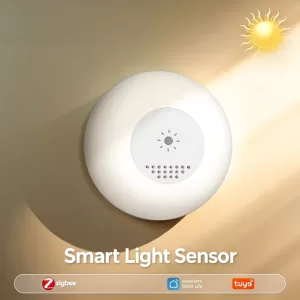
5. Light Sensors (Lux Sensors)

Consequently, These measure ambient light levels, enabling truly intelligent lighting automation that responds to natural light rather than fixed schedules. Smart Home Energy Saving Trends: How Overseas Consumers Cut Bills with Automation

Best Uses

  • Turn on lights only when a room is dark enough to need them
  • Adjust curtain motors based on sunlight
  • Dim lights proportionally to natural light
  • Trigger outdoor lights based on actual darkness, not sunset time

6. Air Quality Sensors

Monitor CO2, VOCs (volatile organic compounds), PM2.5, and other pollutants. Especially valuable for homes in urban areas or with allergy sufferers.

Best Uses

  • Trigger air purifier when PM2.5 exceeds 35 ?g/m?
  • Open windows (via smart actuator) when CO2 exceeds 1000 ppm
  • Alert when VOC levels spike (new furniture, paint, cleaning products)
  • Track air quality trends over time

How to Plan Your Sensor Network

Prioritize by Room

  • Entryways: Contact sensors on doors, motion sensors in foyers
  • Living room: Motion sensor, temperature sensor, light sensor
  • Kitchen: Water leak sensor under sink, smoke/heat sensor, motion sensor
  • Bathrooms: Motion sensor (for nighttime lights), water leak sensor
  • Bedrooms: Temperature sensor, door contact sensor
  • Basement/Laundry: Water leak sensor, temperature sensor (freeze protection)

Building Automation Rules

Sensors are only as smart as the rules you create. Here are powerful combinations:

  • Empty room: Motion sensor detects no movement for 10 min ??turn off lights, lower thermostat
  • Night security: After 11 PM, if any contact sensor opens ??flash lights, send alert, start camera recording
  • Leak protection: Water sensor triggers ??shut off main water valve, send urgent alert
  • Comfort: Temperature sensor reads above 26?C ??turn on AC, close curtains
  • Energy saving: Light sensor reads above 500 lux ??turn off indoor lights
Conclusion

Sensors transform your smart home from a remote control into a genuinely intelligent system. Start with motion sensors and contact sensors ??they provide the most immediate value. Add temperature, water, and light sensors as you expand. The more sensors you add, the more your home understands what is happening and the better it can respond automatically. That is the true promise of a smart home.

Related Articles

You Might Also Like
Frequently Asked Questions

Is Smart Sensors Make worth buying?

Based on the breakdown in this article, Smart Sensors Make offers a solid mix of features and value. If your main goal matches the key benefits described above, it is a practical choice for everyday use.

How do I choose the right smart sensors make for my needs?

Start with your core use case, then compare battery life, compatibility, and build quality as covered above. Choosing the right smart sensors make comes down to matching specs with how you actually use it.

Does smart sensors make require a companion app?

Most devices of this type pair with a free companion app for setup and firmware updates. A few advanced features may sit behind a paid plan, so check the official specs page before buying.