Posted on — Leave a comment

Smart Home Automation Guide 2026: 7 Practical Scenes That Save Time, Money and Energy

Tuya 4MP Indoor WiFi Smart Camera - HD Night Vision Pan-Tilt Remote Home Monitor with Two-Way Audio
Smart Home Automation Guide 2026: 7 Practical Scenes That Save Time, Money and Energy

However, Smart home automation is no longer a luxury for tech enthusiasts. In 2026 it is the fastest way to make a home safer, more comfortable and noticeably cheaper to run. The best part? You do not need a full renovation or a huge budget. With a few Smart switches, sensors, a doorbell camera and an affordable ecosystem hub, you can build genuinely useful automations in an afternoon.

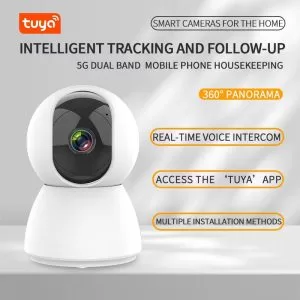
Tuya indoor WiFi smart camera for home security automation

Therefore, This guide explains what smart home automation actually means, the devices that matter, and seven practical scenes you can copy today. It also includes a short buying checklist for distributors who want to stock a complete, compatible automation range.

What smart home automation means

Moreover, Automation is the difference between controlling a device remotely and having it react by itself. When you automate, a rule triggers an action without you touching your phone. For example: motion detected at the front door and after sunset, the porch light turns on automatically. No app, no Button, no thinking required.

In addition, The rules live in the app of your ecosystem, most commonly Tuya-based platforms that unify hundreds of brands. The same app controls switches, cameras, sensors, doorbells and pet feeders — which is exactly why distributors prefer open-protocol products that speak the same language.

The building blocks of a smart home

Smart switches and sockets

For example, A smart wall switch replaces your existing switch and gives every light in the room a Wireless brain: on/off schedules, remote control and voice commands. Smart sockets do the same for appliances such as heaters, fans and coffee makers, with energy monitoring to reveal what is really consuming Power.

Smart sensors

Consequently, Door/window sensors, motion sensors, temperature and humidity sensors turn ordinary rooms into aware rooms. They are the “eyes and ears” that trigger other devices. A motion sensor plus a smart bulb, for instance, creates automatic lighting in hallways and bathrooms. M8 Dopamine Color Wireless Lavalier Microphone: Get Clear Studio Audio For Vlogging & Live Streaming

Video doorbells and security cameras

A video doorbell gives you a live view of your entrance, two-way talk and motion alerts. Indoor and outdoor Security cameras extend that coverage to every room and corner. Combined with local SD card storage, they create a subscription-free security layer that works even when you are away.
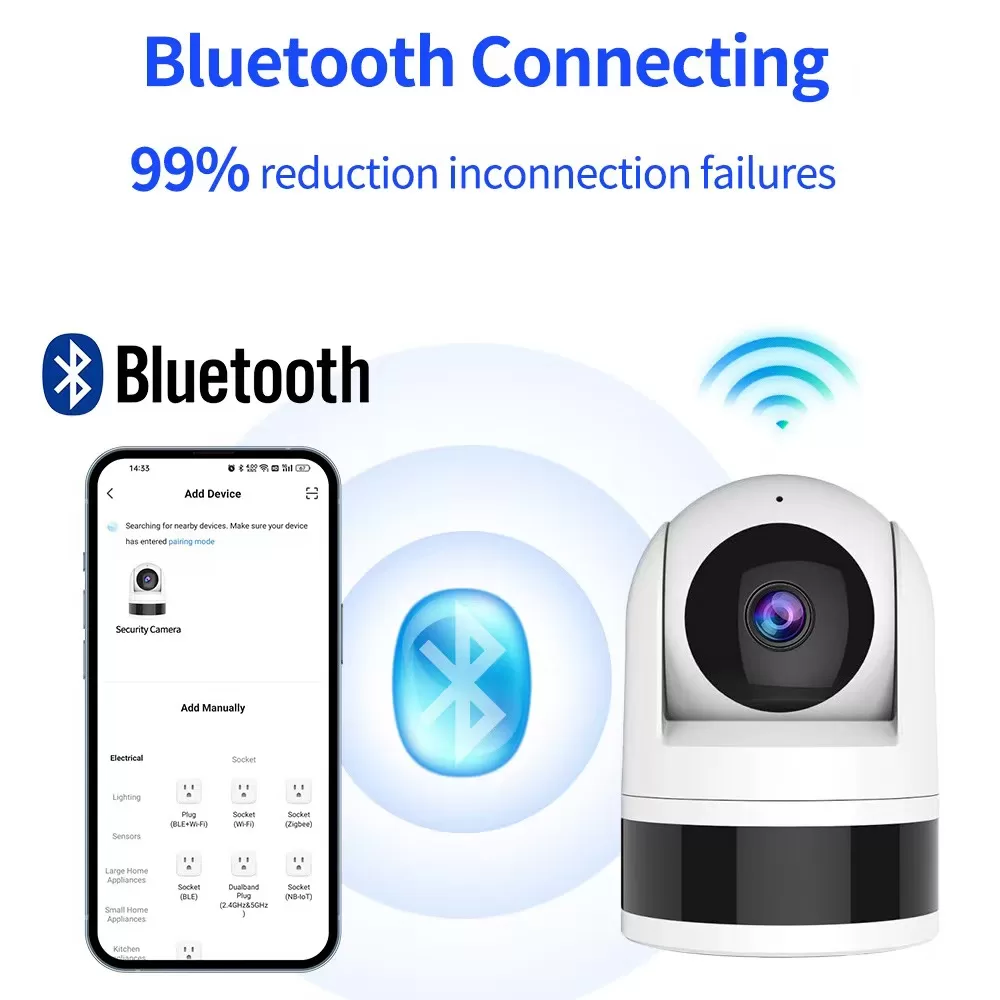
Tuya pan-tilt security camera home surveillance

Automatic pet feeders

WiFi pet feeders dispense scheduled meals and let you check on your pet with a built-in camera — perfect for long workdays and travel, and a growing category in every pet-owner household.

7 practical automation scenes for 2026

  • Morning wake-up: a bedroom smart switch fades the lights on at 7:00, and a wall socket starts the coffee maker right after.
  • Welcome home: a door/window sensor on the main door triggers the hallway lamp the moment you walk in.
  • Away mode: all lights follow a random schedule while you travel, and the security camera arms itself and records on motion.
  • Energy saving: temperature and power-monitoring sockets switch off standby devices at night, cutting standby power that can reach 10% of your bill.
  • Pet care: the pet feeder dispenses lunch at 12:00, and your indoor camera checks that your pet actually ate.
  • Security: motion at the back door after midnight triggers the siren-linked socket and pushes a live view notification to your phone.
  • Elderly care: a motion sensor in a parent room alerts family if no movement is detected for a set number of hours.

Installation: how hard is it really?

Smart bulbs and sockets install in under five minutes with zero wiring. Smart wall switches need standard wiring but most follow a simple two-wire design that an electrician can retrofit in one visit — or a confident homeowner can handle with the included manual. After hardware is in, pairing takes one QR scan per device and naming the room. Automation rules are drag-and-drop scenes, not programming.

Buying checklist for distributors

  • Choose one open protocol (Tuya is the most universal) so every product works together out of the box.
  • Prefer devices with local storage options — subscription-free features sell better globally.
  • Stock complete kits: switch + sensor + doorbell + camera + feeder — one shipment, one ecosystem.
  • Confirm multi-country power standards and universal voltage for export markets.
  • Request demo units and factory samples so your team can test scenes before you commit.

Building a smart home automation line? Contact our factory for wholesale pricing, OEM/ODM support and sample testing on switches, sensors, doorbells, cameras and pet feeders.

You Might Also Like

Frequently Asked Questions

Is Smart Home Automation worth buying?

Based on the breakdown in this article, Smart Home Automation offers a solid mix of features and value. If your main goal matches the key benefits described above, it is a practical choice for everyday use.

How do I choose the right smart home automation for my needs?

Start with your core use case, then compare battery life, compatibility, and build quality as covered above. Choosing the right smart home automation comes down to matching specs with how you actually use it.

Does smart home automation require a companion app?

Most devices of this type pair with a free companion app for setup and firmware updates. A few advanced features may sit behind a paid plan, so check the official specs page before buying.

Posted on — Leave a comment

Smart Home Automation Scenes: 6 Practical Setups That Make Your Home Think

What Is a Smart Home Scene?

However, A Smart home scene is a preset configuration that adjusts multiple devices simultaneously with a single command, tap, or trigger. Instead of telling your speaker to “turn off the living room light” and then “set the thermostat to 20” and then “lock the front door,” a scene does all three at once. Smart home

Therefore, Think of scenes as saved “snapshots” of your home’s state. You set up the perfect conditions for different activities, then recall them instantly.

Scene 1: Good Morning

What It Does

  • Bedroom lights gradually brighten from 0% to 60% over 10 minutes (warm to neutral white)
  • Thermostat adjusts from sleeping temperature to comfort temperature
  • Coffee maker turns on (via Smart plug) 5 minutes before wake time
  • Smart speaker reads today’s weather and calendar
  • Bedroom curtains open automatically
  • All other rooms remain off

Trigger

Moreover, Time-based: 6:30 AM on weekdays, 8:00 AM on weekends. Or manually via “Good morning” voice command.

Why It Works

In addition, Gradual light brightening simulates a natural sunrise, signaling your body to wake gently rather than being jolted by an alarm. The coffee being ready when you reach the kitchen is a small luxury that starts your day right.

Scene 2: Leaving Home (Away Mode)

What It Does

  • All lights off (except a few on random timers to simulate occupancy)
  • Thermostat adjusts to energy-saving mode (lower in winter, higher in summer)
  • All doors lock automatically
  • Security cameras arm and start recording on motion
  • Contact sensors activate alerts
  • TV and all non-essential devices turn off
  • Smart plugs cut power to standby devices

Trigger

For example, Geofence: when your phone leaves a 200m radius of home. Or manually via “I’m leaving” voice command or app button. Smart Home Starter Guide 2026: How to Build Your First Connected Home C08 Gimbal Stabilizer 69cm, Extendable Selfie Stick Tripod for iPhone & Android

Why It Works

Consequently, This scene combines energy savings with security. Randomized lights deter burglars, while cameras and sensors ensure you are alerted to any intrusion. Smart plugs eliminate phantom power draw from idle electronics. Biometric Smart Locks Go Mainstream: The Next Big Home Tech Trend Overseas

Scene 3: Welcome Home

What It Does

  • Entryway and hallway lights turn on at 80%
  • Thermostat returns to comfort temperature
  • Front door unlocks as you approach
  • Security cameras disarm
  • Smart speaker plays your favorite playlist
  • Kitchen lights turn on if it is after sunset

Trigger

Geofence: when your phone enters a 100m radius of home. Or when the smart lock is opened with your code.

Why It Works

Coming home to a lit, comfortable house with music playing is a genuinely delightful experience. The automatic unlock means no fumbling for keys with groceries in hand.

Scene 4: Movie Night

What It Does

  • Living room lights dim to 5% warm white
  • TV backlight turns on (bias lighting reduces eye strain)
  • Kitchen lights turn off
  • AV receiver or soundbar switches to movie mode
  • Smart speaker volume lowers
  • Phone goes to Do Not Disturb
  • Curtains close for better viewing

Trigger

Voice command: “Movie time” or when the TV is turned on after 7 PM.

Why It Works

Bias lighting (the light strip behind the TV) reduces the contrast between the bright screen and dark room, reducing eye fatigue. Dim ambient lighting maintains enough visibility to navigate without distracting from the screen.

Scene 5: Goodnight

What It Does

  • All lights throughout the house turn off
  • Bedroom nightlight turns on at 1% amber
  • All doors lock and security arms in “night” mode
  • Thermostat drops to sleeping temperature
  • Phone chargers activate (smart plugs on)
  • White noise machine or fan turns on
  • Garage door closes if open

Trigger

Voice command: “Goodnight” or time-based at 11 PM. Or when you plug in your phone at the bedside smart plug.

Why It Works

This scene ensures peace of mind ??everything is locked, off, and secured ??without a nightly checklist. The nightlight provides just enough illumination for bathroom trips without disrupting sleep. The 1% amber light is specifically chosen because it does not suppress melatonin production.

Scene 6: Vacation Mode

What It Does

  • Lights turn on and off at randomized times matching your normal patterns
  • TV turns on for 2 hours in the evening
  • Curtains open and close at varied times
  • Thermostat set to minimum safe temperature (pipe protection in winter)
  • All security devices armed with maximum sensitivity
  • Smart water valve shuts off main supply
  • All smart plugs cycle to simulate device usage

Trigger

Manually activated before leaving for vacation. Deactivated when you return.

Why It Works

This is the most comprehensive scene. The randomized patterns make the house look genuinely occupied, not just timed. Shutting off the water prevents catastrophic flooding while you are away. The thermostat maintains a safe minimum to prevent frozen pipes. Every device contributes to the illusion of occupancy.

Tips for Creating Your Own Scenes

  • Start simple ??2-3 devices per scene is enough. Add complexity over time.
  • Use delays ??Stagger device actions by 1-2 seconds for a natural feel rather than everything happening at once.
  • Test thoroughly ??Run each scene multiple times to catch issues (lights too bright, thermostat too cold, etc.)
  • Share with family ??Make sure scenes work for everyone, not just your preferences.
  • Use multiple triggers ??Set up both voice and time-based triggers so the scene activates reliably.

Conclusion

Scenes are what separate a smart home from a collection of smart devices. They create experiences rather than just controls. Start with “Good Morning” and “Goodnight” ??these two alone will change how you feel about your home. Then add “Away” and “Welcome Home” for security and convenience. Before long, you will wonder how you ever lived without them. That is why Smart home automation

Related Articles

You Might Also Like
Related guides
Frequently Asked Questions

Is Smart Home Automation worth buying?

Based on the breakdown in this article, Smart Home Automation offers a solid mix of features and value. If your main goal matches the key benefits described above, it is a practical choice for everyday use.

How do I choose the right smart home automation for my needs?

Start with your core use case, then compare battery life, compatibility, and build quality as covered above. Choosing the right smart home automation comes down to matching specs with how you actually use it.

Does smart home automation require a companion app?

Most devices of this type pair with a free companion app for setup and firmware updates. A few advanced features may sit behind a paid plan, so check the official specs page before buying.