Search for a Smart switch and you get a single module. Walk into a real house and the thing you Actually replace is the plate: two, four, six or twelve positions on one board, some switching lights, some running a fan, some just a socket that happens to be on the same wall. That plate is a Smart switch board, and it is bought on three measurements before a single feature matters.
This guide walks through those measurements — plate size, how Many ways you need, and whether there is a neutral wire in the box — then finishes with the protocol choice. If you already know the plate and only want the wiring question answered, the dedicated guide to smart switches with no neutral wire goes deeper.
Plate size comes first
Boards are made to a physical standard, and the standard is regional. You cannot fit a square plate into a horizontal cut-out without chasing the wall, so this is the first filter:
| Standard | Plate | Where it is used |
|---|---|---|
| 86 type | 86 × 86 mm square | China, much of Europe, Southeast Asia |
| 147 type | 147 × 86 mm horizontal | Europe — the wide plate that carries several gangs side by side |
| 118 type | 118 × 72 mm | United States and Canada |
Our 86 × 86 function plates carry fan speed, dimmer and scene keys in one square. Where the wall already has a wide horizontal cut-out, the 147 × 86 touch series is the drop-in shape, and the matching 147 × 86 socket series keeps sockets on the same line so the board looks like one unit instead of a patchwork. For North American boxes, the 118 × 72 US standard series is the shape to measure against.
Count the ways, then add one
People under-count. A board that looks like “three switches” is often four: the fourth is the fan, or the bathroom extractor, or a future scene key. Counting in gangs:
- One to two gangs — a bedroom or a study, one light plus a lamp circuit.
- Three to four gangs — living rooms and the kitchen entry wall, where lights, fan and extractor sit together.
- Six gangs and up — the main board by the entrance, or an apartment where everything is grouped in one place.
In the DS range the numbering maps to gang count: DS-104 for four ways, DS-126 for six, DS-129 for the nine-way board used where a whole flat is switched from one plate. If you are ordering for a project and the count above twelve, the 12 module board guide covers how module positions are planned rather than counted. Tuya Curtain Motor OEM: Complete Sourcing Guide 2026
The neutral wire decides the whole job
Inside the box there should be two wires per switch: a live and a switched live. Modern boards also want a neutral — the return conductor that lets the electronics inside the switch stay powered while the lamp is off. New builds almost always have it. Rewired flats usually have it. A 1990s house with the original conduit often does not.
Without a neutral you have three honest options: pick a board designed to run on the small leakage current through the lamp, have an electrician draw a neutral to the box, or leave that position mechanical and automate somewhere else — a dedicated water heater switch at the appliance end, or a Smart plug on the lamp.
Protocol: WiFi or Zigbee
WiFi boards talk straight to your router, which is exactly why a dozen of them is a bad idea — every switch becomes another device on the network, and a router swap means re-pairing all of them. ZigBee boards talk to one hub, and the hub talks to the router; the switches keep working locally even when the internet is down. If you are doing more than three boards, Zigbee plus a hub is the calmer setup — our comparison of WiFi and Zigbee devices lays out the trade in plain terms.
Glass, or something you can touch in the dark
Glass touch plates look right in a living room and wipe clean, but they are reflective in sunlight and give no tactile feedback. Mechanical rocker plates are the opposite: you can find them half-asleep. A third option is useful in kitchens and clinics — the wave gesture switch and the infrared touch-free wall switch, which trigger without contact at all.
Order it once: the four numbers to write down
Almost every wrong order traces back to a missing measurement. Before you check out, write down four things and send them with the order:
- Plate standard — 86 × 86, 147 × 86 or 118 × 72, measured on the existing plate, not guessed from the country.
- Number of gangs — counted on the wall including the fan and the extractor, plus one spare.
- Neutral present — yes, no, or unknown. Unknown should be treated as no until an electrician says otherwise.
- Protocol — WiFi for one or two boards, Zigbee with a hub for anything larger.
That list is also what an electrician needs to quote, and it is the difference between a board that goes straight in and a board that sits in its box for a month.
Frequently Asked Questions
Can one board mix switches, sockets and a fan controller?
Yes, as long as they share a plate standard. A 147 × 86 board can carry switch gangs and socket modules side by side; that is what the matching socket series exists for. What you cannot mix is plate sizes on the same cut-out.
Do I need to replace every switch in the house?
No. Most people start with the two boards they touch every day — the entrance and the bedroom — then extend. Lights on a Smart board can still be switched manually, so the rest of the house is unaffected.
Will the lights still work if the WiFi goes down?
On a WiFi board, manual touch control works regardless, but app and voice control go with the router. On a Zigbee board Wired to a hub, schedules and local control keep running.
Is a smart switch board the same as a smart relay module?
No. A relay module hides inside the box or the ceiling rose and keeps the existing plate; a smart switch board replaces the plate itself. Modules are the answer where the wall finish cannot be touched.
Related Articles
- WiFi Smart Switch Board: Neutral Wire Check, Gang Sizes and How to Choose
- Push-Button Smart Switches: When a Click Beats a Touch Panel
- Smart Switch Wiring: Neutral vs No Neutral Explained
- 147 × 86 mm Touch Switches: Fitting 4, 6 and 8 Gangs on One Plate
- Switch Panel Sizes Explained: 86 vs 118 vs 147 Type
You Might Also Like
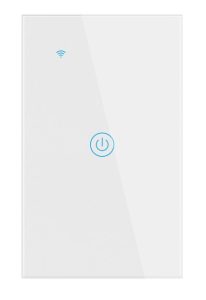 HomeKit US Switch, Single-Live & Zero-Fire, No Neutral, 118 × 72 mm | XingLiao Price range: $10.78 through $12.42
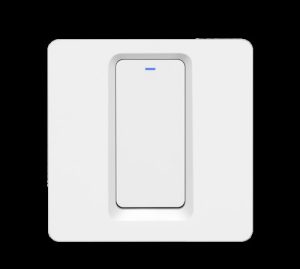 HomeKit Button Light Switch 1–3 Gang, EU 86 × 86 mm, Zero Fire | XingLiao Price range: $7.50 through $8.50
 HomeKit UK Plug-in Smart Socket, 13 A 5-Hole, Dual USB Option | XingLiao Price range: $14.13 through $14.88
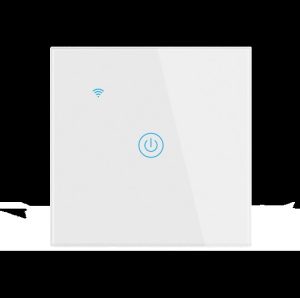 HomeKit Switch for Boxes Without Neutral, Single-Live & Zero-Fire, EU | XingLiao Price range: $8.00 through $9.50
📌 This article is part of our Complete Smart Hub — more guides and buying tips inside.
