Selling Smart switches into North America is not a specification problem, it is a catalogue problem. A US-standard wall box takes a 118 mm plate, the market expects a rocker or a Touch panel depending on the room, and a single-family home may need one-gang, three-gang and a 3-way stairwell circuit in the same order. Distributors who carry one model run out of answers at the second room; distributors who carry a structured range can quote the whole house.
This guide maps the US-standard 118 mm range model by model, explains which control surface belongs in which room, and sets out how to build the range into something a contractor or an Amazon listing can Actually sell.
The range in one table
| Family | Control surface | Configuration | Typical placement |
|---|---|---|---|
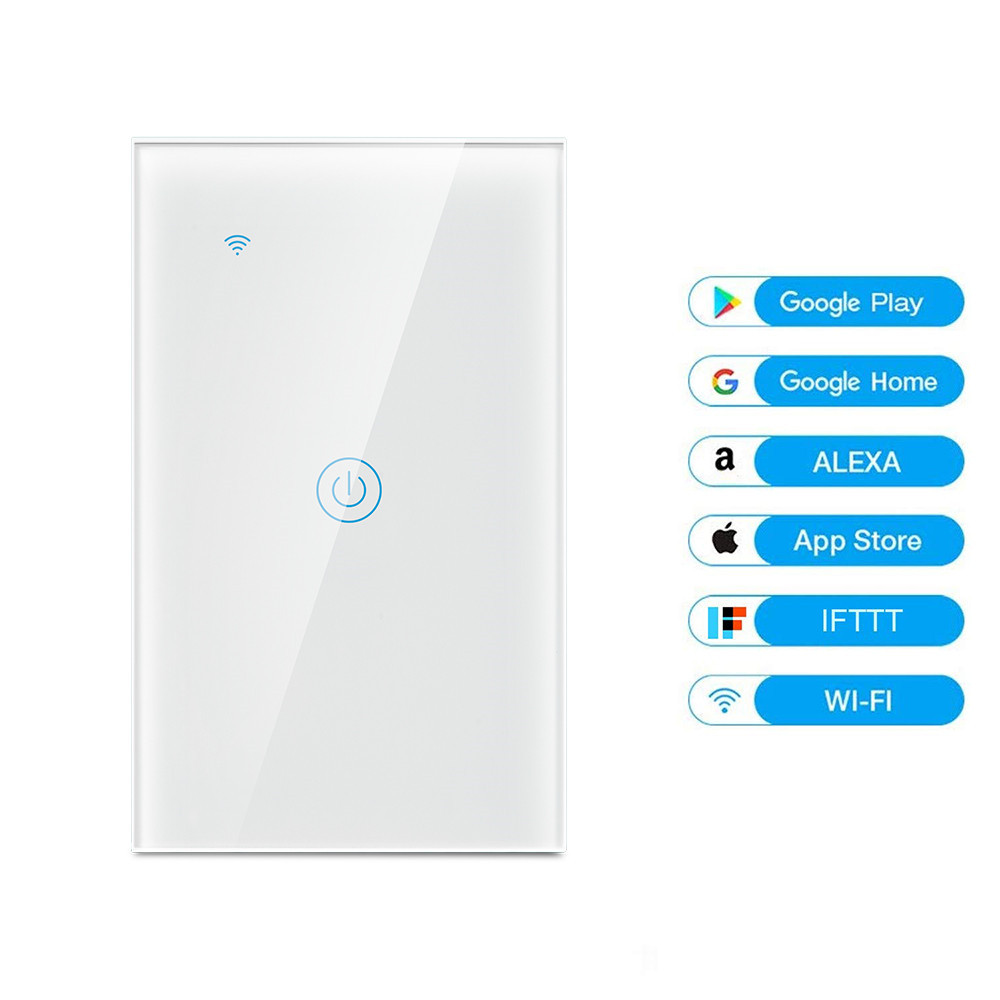
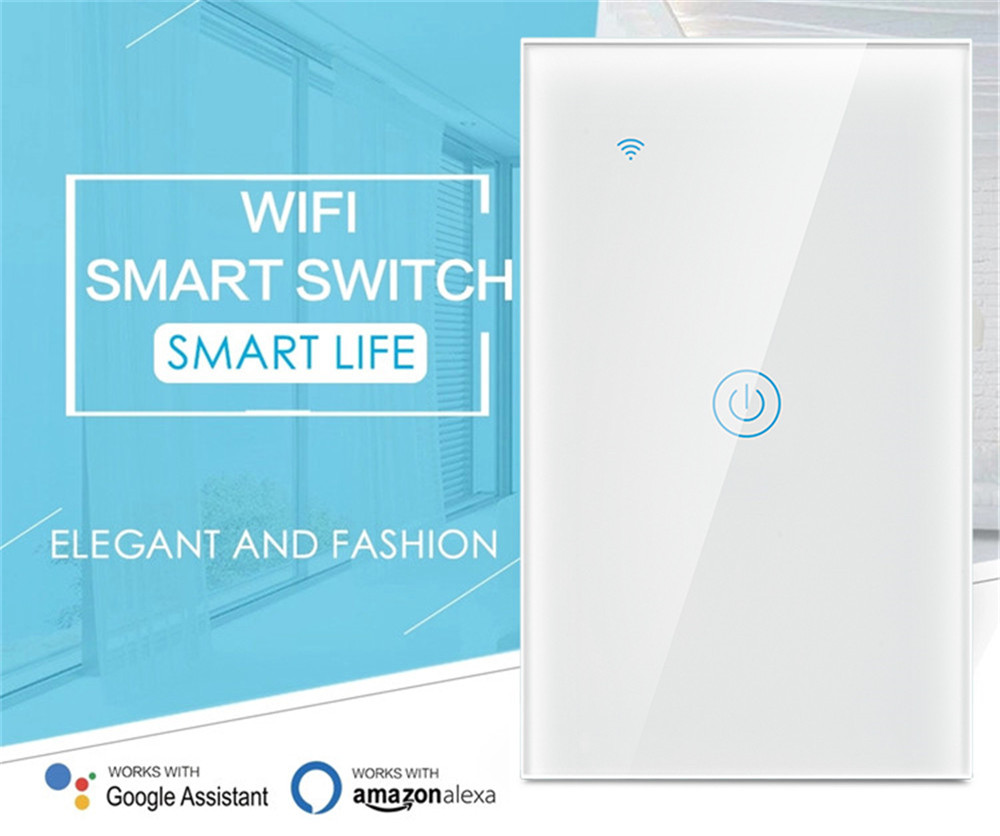
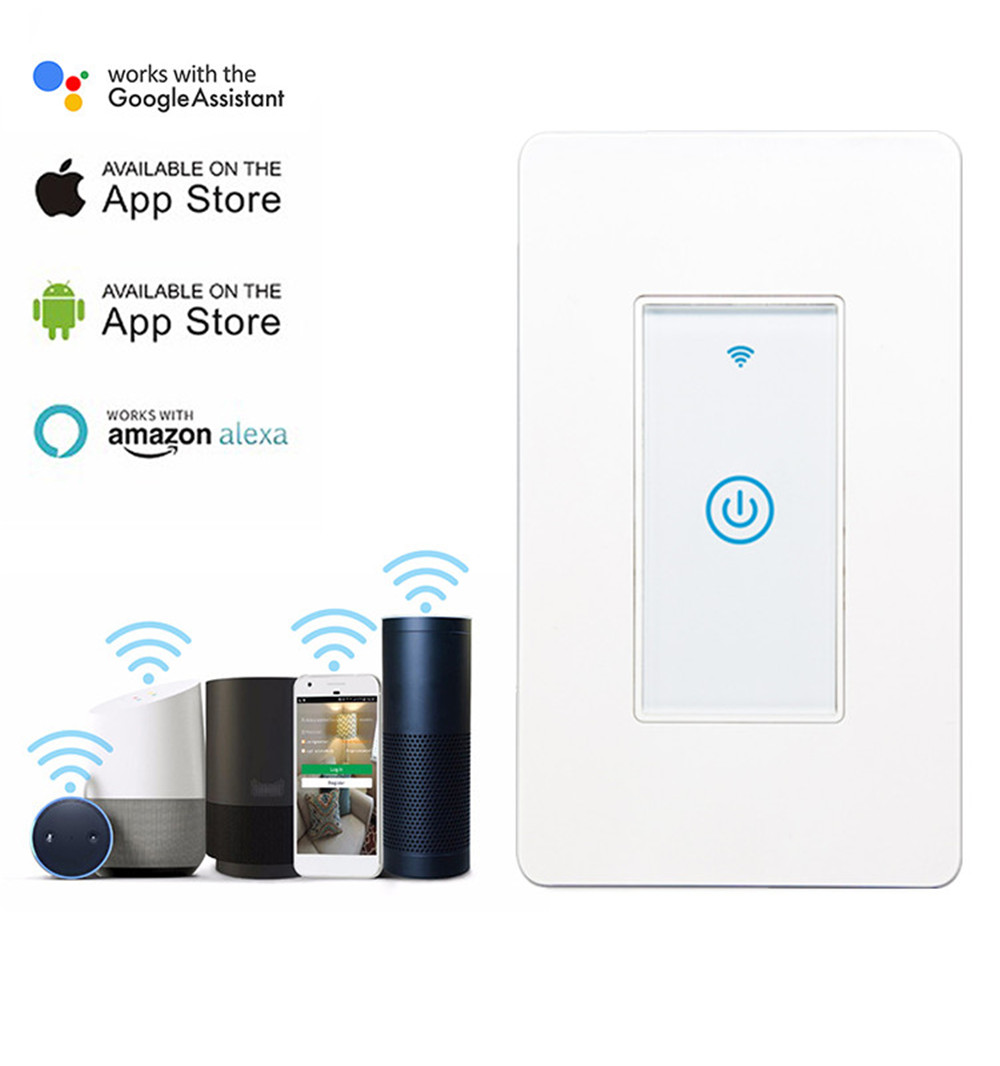
| DS-121 series | Tempered Glass touch panel | Single gang, with dedicated 4-gang variant artwork | Living rooms, master bedrooms, hotel guest rooms |
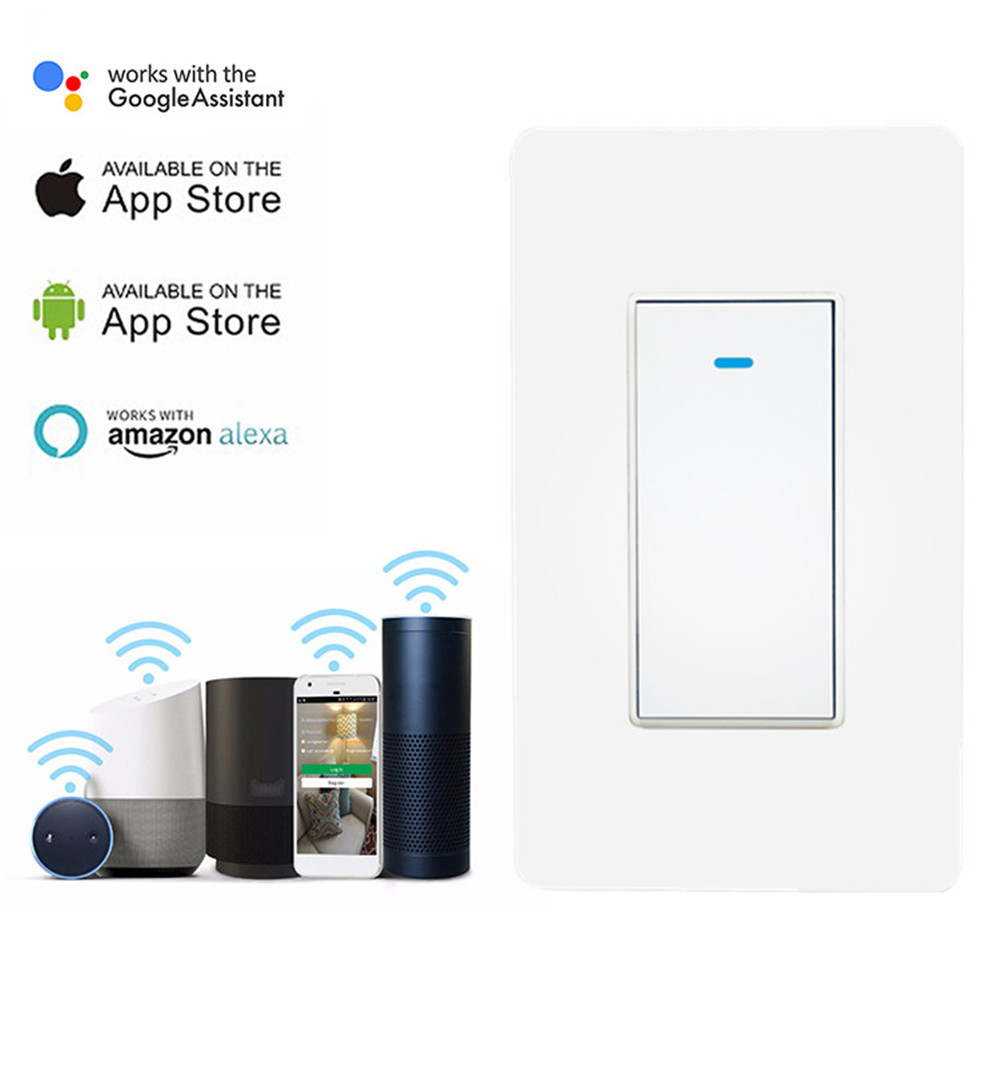
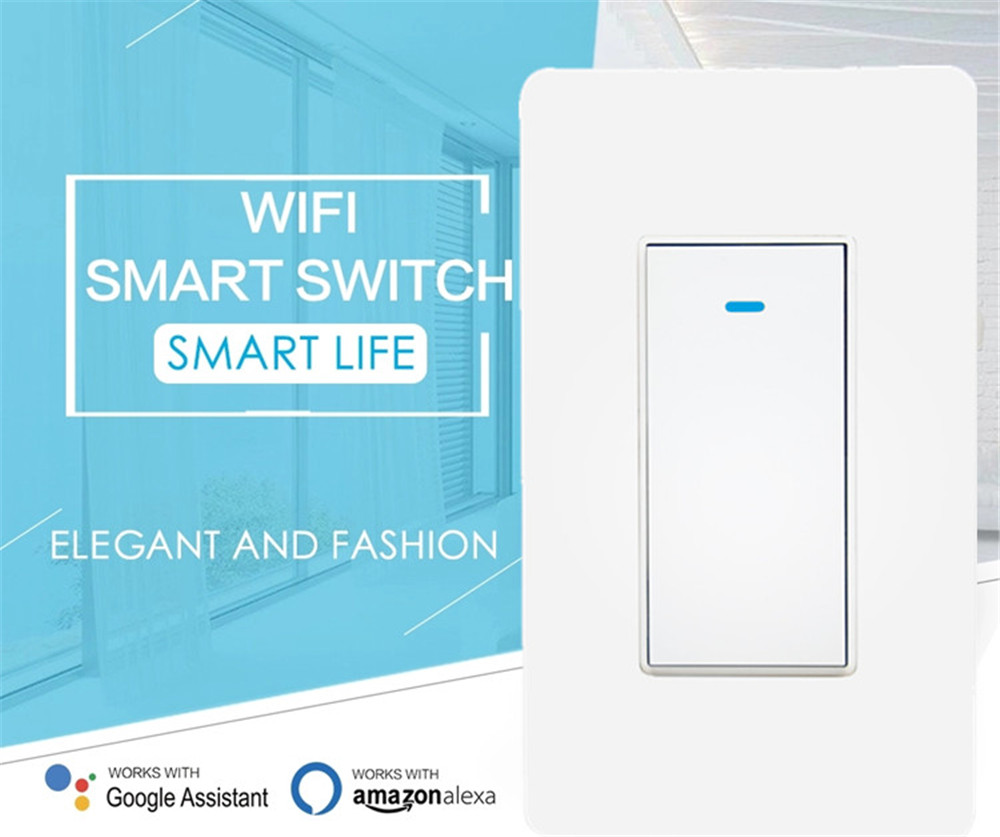
| DS-122 series | Mechanical push-button (rocker feel) | Single gang | Hallways, utility rooms, rental units, retrofit projects |
| DS-123-1 series | Glass touch panel, variant 1 | Single gang | Bedside, study, bathrooms |
| DS-123-2 series | Glass touch panel, variant 2 | Single gang | Kitchens, open-plan areas, feature walls |
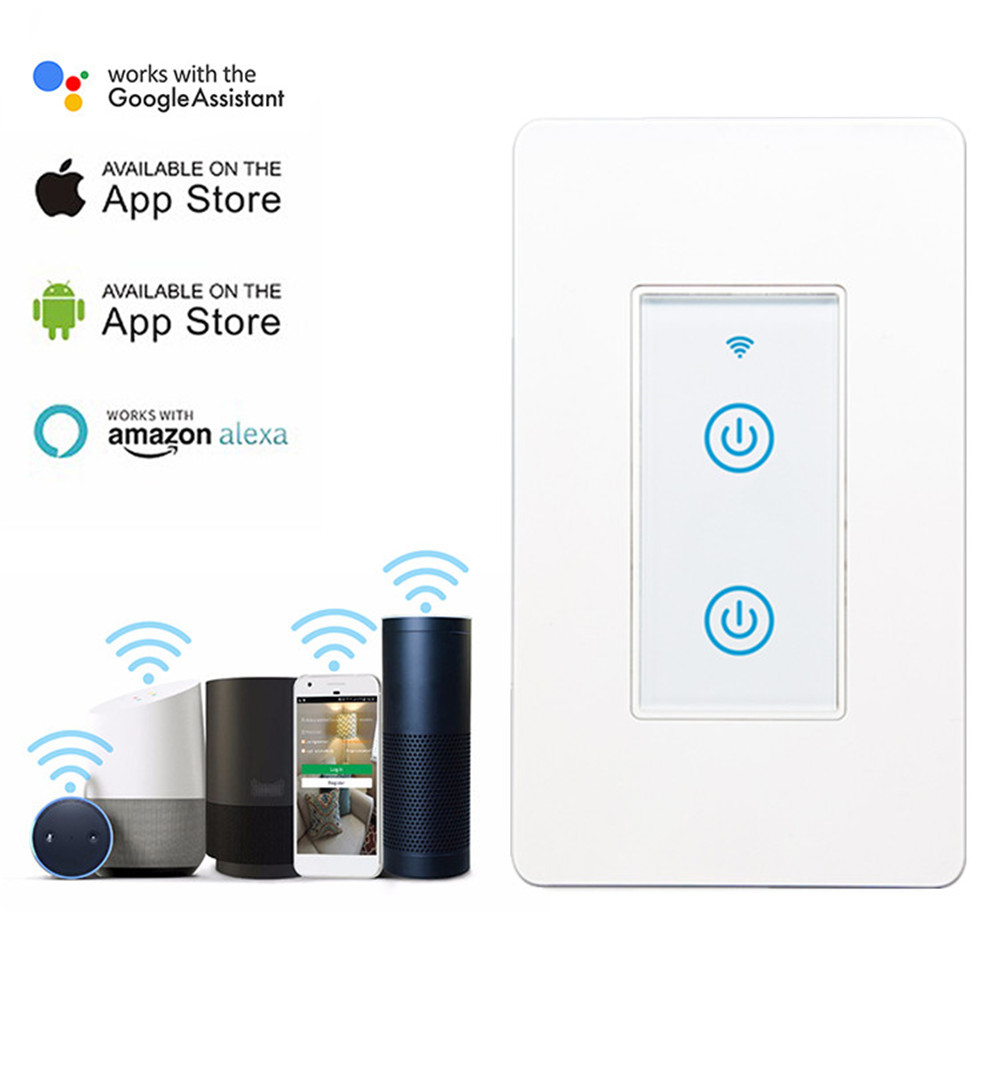
| DS-122-S / DS-122-T | Push-button, multi-gang | 2-gang and 3-gang Wi-Fi panels | Whole-house lighting banks, contractor packages |
| DS-123-1S / 1T, DS-123-2S / 2T | Glass touch, multi-gang | 2-gang and 3-gang Wi-Fi panels | Premium residential, hospitality suites |
| DS-122-3WAY / DS-123-3WAY | Push-button and glass touch | 3-way (two-point) switching pairs | Stairwells, corridors, rooms with two entrances |
| DS-128 (LS01) | Glass touch panel | Single gang, separate artwork set | Projects requiring a distinct design line |
Electrical ratings, gang counts and certification markings must be taken from the datasheet of the specific model you order. This guide covers the commercial structure of the range; it deliberately does not restate ratings that vary by variant — ask for the specification sheet of the exact SKU before publishing a listing.
First decision: touch or push-button?
The case for glass touch (DS-121, DS-123-1, DS-123-2)
Touch panels win the visual argument. A flush glass front sits level with the wall, cleans with a single wipe, and photographs well — which matters more than most distributors admit, because the hero image is what converts on a marketplace listing. In hospitality and premium residential, the touch panel is also the expected format: it reads as an upgrade in a way that a tactile rocker does not.
The case for push-button (DS-122 series)
Push-button panels win the operational argument. There is tactile feedback, the state is readable in the dark by feel alone, and the mechanism survives being pressed by someone wearing gloves, carrying boxes, or operating a switch for the first time in a rental property. In utility rooms, garages and short-let units, that robustness is worth more than the aesthetics.
For a distributor building a first US-standard range, the honest recommendation is to lead with one touch family and one push-button family rather than stocking four near-identical touch variants. Let the buyer Choose the interface first, then the configuration.
Second decision: how many gangs
US residential lighting is gang-heavy. A kitchen may want four circuits on one plate; a hallway wants two. The range covers this with dedicated multi-gang models rather than by asking the customer to buy several single panels:
- 2-gang (-S) and 3-gang (-T) versions exist in both the push-button family (DS-122-S / DS-122-T) and the glass touch family (DS-123-1S / 1T and DS-123-2S / 2T).
- Each multi-gang panel is a single Wi-Fi device controlling several circuits, which is what the customer actually wants: one tile in the app per plate, not three.
- Generic multi-gang main-image artwork is also supplied, so you can build a single listing that covers the 2-gang and 3-gang options with a variant selector instead of maintaining separate listings.
There is a commercial point buried here. Multi-gang panels raise average order value without raising shipping volume per unit, because the carton is one box, not three. If you are optimising a container for value density, that is the lever.
Third decision: 3-way circuits
A 3-way circuit — one light controlled from two positions, such as the bottom and top of a staircase — is where most Smart switch ranges quietly fail. The customer buys a single Smart switch, discovers that the second switch position no longer works, and returns the product.
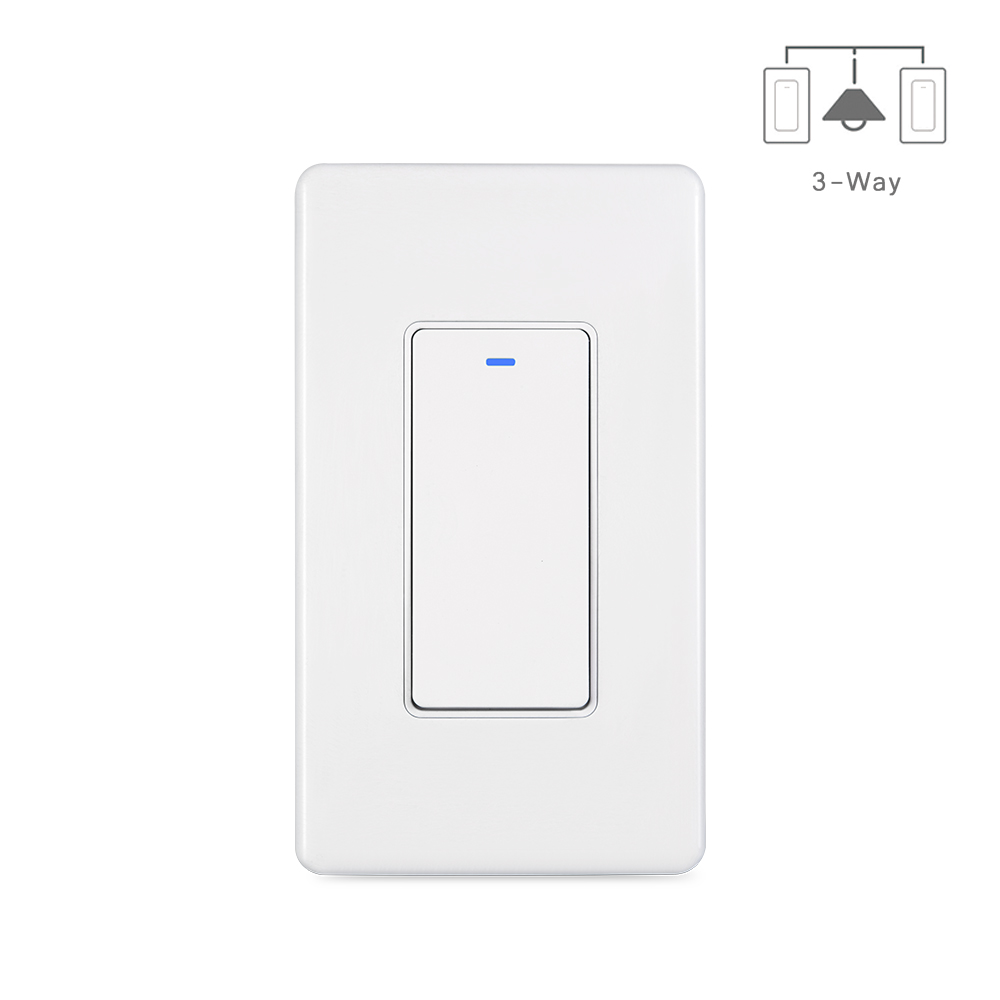
The range includes dedicated 3-way models in both interfaces: DS-122-3WAY for the push-button line and DS-123-3WAY for the glass touch line. Each is supplied with its own English main-image and detail-image set, which means the pairing configuration can be explained visually in the listing instead of in a support email.
Practical advice for your listing copy: state clearly and early that 3-way installation requires the matching 3-way model and describe how the two units are paired. The returns you avoid are worth more than the words cost.
Ecosystem and app expectations
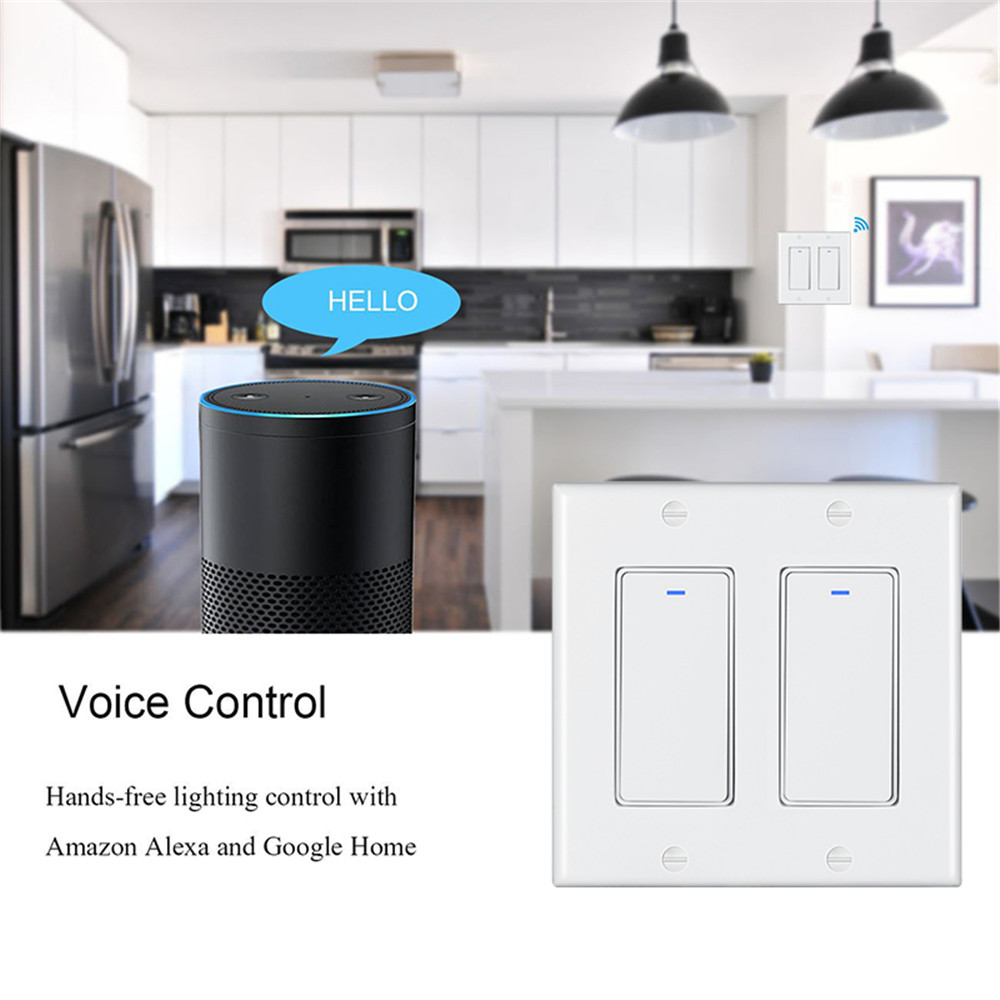
The English marketing assets for these models document compatibility with the major voice platforms, including Amazon Alexa, Google Assistant and IFTTT, along with app-based remote control. For a US buyer, that combination is table stakes: Alexa and Google for the mass market, IFTTT for the enthusiast segment that reviews products loudly.
Because these panels are Wi-Fi based, they do not need a proprietary hub. That is a genuine selling point in North America, where the buyer has usually already been burned by a hub that was discontinued. Put it in the bullet list.
What ships with the product
Every model in the range is supported by a complete English asset set, prepared for marketplace and independent-store upload:
| Asset type | What it is used for |
|---|---|
| English main images | Marketplace hero and gallery images, several per model |
| English detail images | A+ style long-form description blocks, feature callouts, wiring diagrams |
| Front-view renders | Category thumbnails and comparison charts |
| Multi-gang generic artwork | One listing covering 2-gang and 3-gang variants |
| 3-way dedicated artwork | Explaining two-point pairing without support tickets |
This matters more than it sounds. A distributor’s real cost is not the unit price, it is the six hours of design work needed to build a listing for each new SKU. Arriving with English copy already laid out on the image compresses that to an afternoon.
OEM and ODM options
- Panel and finish — plate colour and glass finish can be aligned to your own design language across the whole family, so the one-gang, multi-gang and 3-way models look like one product line rather than three.
- Branding — logo printing on the panel, custom legend text, and retail-ready packaging with your artwork and barcodes.
- App identity — the Wi-Fi platform can be delivered under your own app with your onboarding screens, so the product is yours rather than a white-label of someone else’s.
- Range assembly — order a curated mix (for example: touch single-gang, push-button single-gang, 2-gang, 3-gang, 3-way pair) as one container instead of five separate purchases.
- Documentation pack — English specification sheets and image assets supplied in upload-ready format for Amazon, Alibaba and your own store.
Building the range for your market
| Channel | Recommended opening mix | Why |
|---|---|---|
| Amazon US / retail marketplace | Touch single-gang + push-button single-gang + 3-way pair | Covers the three searches that actually convert: Smart switch, smart light switch 3-way, and the value alternative |
| Electrical distributors and contractors | Push-button single-gang + 2-gang + 3-gang | Contractors buy configurations, not hero images |
| Hospitality and multi-family projects | Touch single-gang + touch 2-gang + 3-way touch | Consistent visual language across hundreds of rooms |
| Own-brand independent store | Full touch family under your own app identity | Positioning and margin control |
Frequently asked questions
Do these panels work in a standard US wall box?
The range is built on the 118 mm US plate standard, so the plate matches the box opening. Confirm plate depth against your specific box before ordering, since multi-gang panels sit deeper than a mechanical switch.
Can I mix touch and push-button panels in one installation?
Yes, and this is common: touch in guest-facing rooms, push-button in service areas. Both are managed from the same app, so the user experience stays consistent even though the interfaces differ.
Do multi-gang panels require multiple neutral wires?
Wiring depends on the specific model. Request the wiring diagram for the exact SKU before the electrician begins; do not generalise from a single-gang installation.
Are the image assets in English?
Yes. Each model in this guide is supported by English main images, English detail images and front-view renders, which is why we can describe the range at this level of detail without translating anything for you.
Request the range sheet
Send us the configurations you want to open with — interface, gang count, 3-way requirement, plate colour — and we will return a range quotation with the matching English asset set for each model, plus a sample plan.
Ask for the US-standard smart switch range quotation and the English listing asset pack.
This guide describes the commercial structure of the US-standard range. Ratings, gang configurations and certification details vary by model and must be confirmed on the datasheet of the exact SKU before publication or installation.
Related Articles
- 5,000 W Metered or 3,500 W Double-Pole? Choosing a Smart Wall Switch for Electric Water Heaters
- Touch-Free by Design: The 400 W Wave-Sensor Wi-Fi Wall Switch for Hotels, Clinics and High-Traffic Projects
- Do You Actually Need a Smart Home Hub? Zigbee, Matter and Bluetooth Gateways Explained
- Zigbee Gateway OEM: Complete Guide for Smart Home Distributors
- Using a Smart Plug as a Heater Thermostat: What Works, and the Two Things to Check First
You Might Also Like
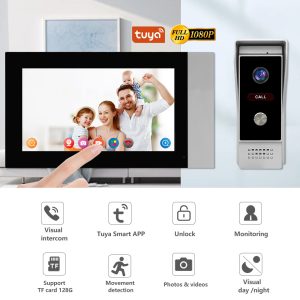 Tuya Smart 7 Inch Wired Video Door Phone Intercom System,1080P Waterproof Doorbell Camera with Monitor, Motion Detection Remote Unlock Night Vision Original price was: $129.96.$113.99Current price is: $113.99.
 HomeKit UK Plug-in Smart Socket, 13 A 5-Hole, Dual USB Option | XingLiao Price range: $14.13 through $14.88
 WiFi Single Plug Socket – US, UK & EU Standards, 16 A | XingLiao$5.00
 WiFi Smart Socket 1-to-2, US Standard Outlet | XingLiao Price range: $7.50 through $8.00
📌 This article is part of our Complete Smart Hub — more guides and buying tips inside.