WiFi Smart Switch Bulk Sourcing: How to Build a Profitable Smart Home Product Line
However, The wifi Smart switch is the backbone of the consumer smart home market. Unlike hub-dependent alternatives, WiFi switches offer plug-and-play simplicity that drives mass adoption. For B2B wholesalers, distributors, and retailers, this category delivers consistent volume, healthy margins. Therefore, And endless upsell opportunities. Therefore, This guide covers everything you need to know about sourcing WiFi Smart switches in bulk and building a profitable product portfolio.
Why WiFi Smart Switches Dominate the Market
Therefore, WiFi consistently outperforms other Smart home protocols in consumer adoption. For example, And for good reasons that directly benefit wholesale buyers. F6 3-Axis Gimbal Stabilizer, Handheld Smartphone Gimbal for Smooth Video
No Hub Required
Moreover, The single biggest advantage of a WiFi-based smart light switch is that it works with any standard home WiFi network. Consumers do not need to purchase additional hardware, download specialized apps, or hire professional installers. This zero-barrier entry point means your marketing message is simpler, your returns are lower. In addition, And your addressable market is larger than with hub-dependent protocols. KT08 Cartoon Selfie Stick 90cm, Cute Extendable Phone Selfie Stick Tripod
Direct Cloud Connectivity
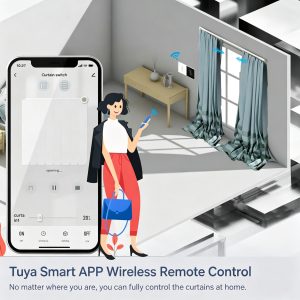
In addition, WiFi switches connect directly to cloud services, enabling instant remote access from anywhere in the world. For example, Users can check status, control devices, and receive notifications without needing a local hub or gateway always online. Tuya-powered Tuya Smart switch products leverage global cloud infrastructure with 99.9% uptime, ensuring reliable performance that keeps customers satisfied. Smart Lighting Complete Guide: From Color Temperature to Automation Scenes
Familiar Setup Process
For example, Most consumers already know how to connect devices to their WiFi network. Moreover, The familiar 2.4GHz WiFi pairing process reduces support calls and setup frustration. In addition, With Tuya’s EZ mode pairing, users can complete setup in under 30 seconds — a critical factor for positive customer reviews and repeat business. Tuya 4MP 2K HD Indoor Smart Camera: Color Night Vision for Family and Pet Monitoring F10 3-Axis Gimbal Stabilizer, Handheld Smartphone Stabilizer for Smooth Video Recording
Technical Specifications to Evaluate
Consequently, When comparing wholesale WiFi smart switch suppliers, these technical specifications separate quality products from budget alternatives. Tuya 2MP/4MP Indoor PTZ Smart Camera: 360 Panoramic Home Monitoring Made Simple
WiFi Chipset Quality
The chipset determines reliability, WiFi range. Furthermore, And stability. Top-tier switches use chips from manufacturers like Espressif (ESP8266/ESP32), Realtek, or Tuya’s own TYWE series. Cheaper alternatives may use unbranded chips that suffer from dropped connections, limited range. As a result, And security vulnerabilities. Moreover, Always ask suppliers about the specific chipset used.
Power Handling Capacity
A 10A rating is standard for basic light switches, but for higher-power applications or multi-gang switches, 16A is preferable. For commercial and industrial customers, look for 20A+ rated switches with heavy-duty relays. Importantly, The relay brand matters too — Omron, Songle and Hongfa are trusted names that justify a slightly higher cost.
Neutral Wire Requirements
WiFi switches traditionally required a neutral wire. This limits retrofit applications in older homes. Furthermore, However, newer no-neutral WiFi switches using capacitor-based power harvesting are entering the market. Notably, These typically have lower power handling and may require a minimum load (a bypass capacitor for LED bulbs), but they open up the massive renovation market. Consider stocking both neutral and no-neutral variants.
Bulk Pricing and MOQ Strategies
Understanding pricing tiers and minimum order quantities is crucial for maximizing your wholesale profit margins.
Pricing Tier Breakdown
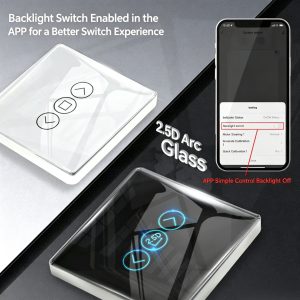
WiFi smart switch pricing varies dramatically based on order volume. However, As a result, Entry-level 1-gang WiFi switches range from $3-5 per unit at MOQ (100-500 units), dropping to $2-3.50 at 5,000 units, and $1.50-2.50 at container volume (20,000+ units). Premium features like dimming, energy monitoring, or glass panels add $1-4 per unit. Understanding these price tiers helps you negotiate effectively. Therefore, And calculate your margins accurately.
MOQ Negotiation Tips
While published MOQs are often 500-1,000 units, many suppliers accept lower quantities for first-time orders to establish relationships. Importantly, Strategies for lowering MOQ include combining multiple SKUs to reach a total minimum, paying a small setup fee for custom packaging, or starting with a sample order of 20-50 units to test quality before committing to larger volumes.
Total Cost of Ownership
Per-unit cost is only part of the equation. Factor in shipping, customs duties, inspection fees, packaging costs. For example, And expected defect rates when calculating total landed cost. A slightly more expensive supplier with lower defect rates, faster shipping, and better communication often delivers better overall value than the cheapest option.
OEM and Private Label Opportunities
Building your own brand of WiFi smart switches is one of the most powerful strategies for long-term profitability. In addition, And customer loyalty.
Custom Branding Levels
OEM options range from simple logo printing on the switch and packaging (low MOQ, fast turnaround) to fully custom firmware and app branding (higher MOQ, development time). Notably, Many Tuya-based manufacturers offer three tiers: basic OEM (logo + custom box at 500+ units), advanced OEM (custom colors, manual, app name at 2,000+ units). Moreover, And full white label (branded app, cloud server at 10,000+ units).
Custom Packaging and Marketing Materials
Professional packaging significantly increases perceived value and retail price potential. Invest in high-quality retail boxes with clear product photography, feature lists. Furthermore, And QR codes for setup instructions. Include branded quick-start guides and warranty cards. However, For B2B clients like electricians and installers, consider contractor-friendly bulk packaging options that reduce per-unit packaging waste. As a result, And cost.
Branded App Development
For established brands, a white-labeled smart home app creates a completely branded customer experience. Tuya’s OEM app solution allows you to launch your own branded app with your logo, colors, and feature set, without building everything from scratch. Importantly, This is the ultimate differentiation strategy for wifi smart switch wholesalers looking to build lasting brand equity.
Inventory Management and SKU Selection
Smart inventory management ensures you have the right products available without tying up excessive capital in slow-moving stock.
Core SKUs to Stock
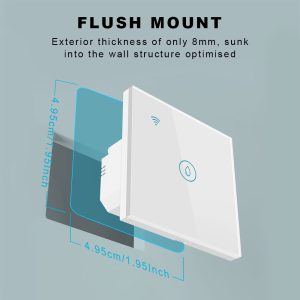
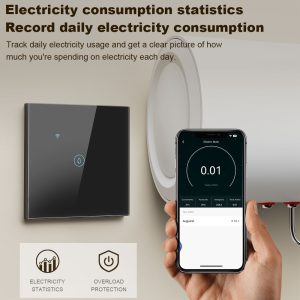
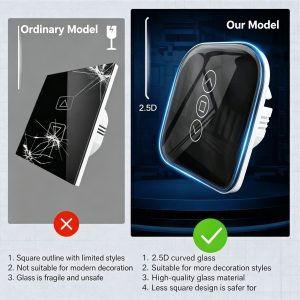
Start with your highest-turnover SKUs: 1-gang WiFi touch switch (white, glass panel), 2-gang WiFi touch switch, 1-gang WiFi dimmer switch and 1-gang WiFi switch with energy monitoring. Therefore, These four SKUs cover approximately 80% of residential customer needs. Notably, And provide a strong foundation for your product line.
Niche SKUs for Higher Margins
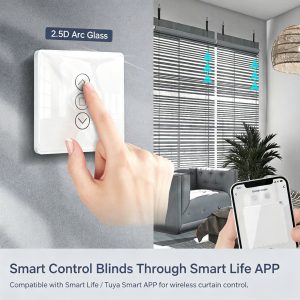
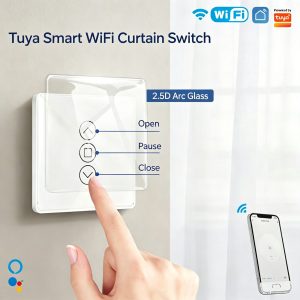
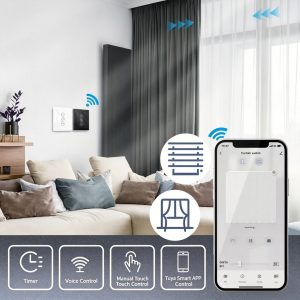
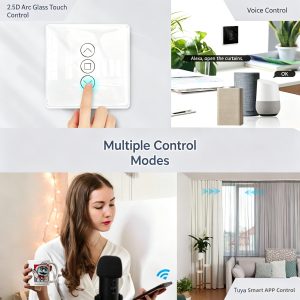
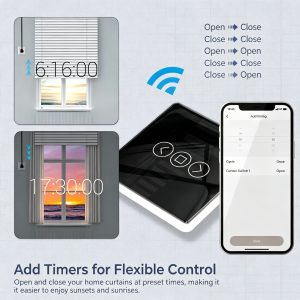
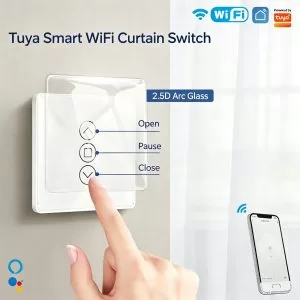
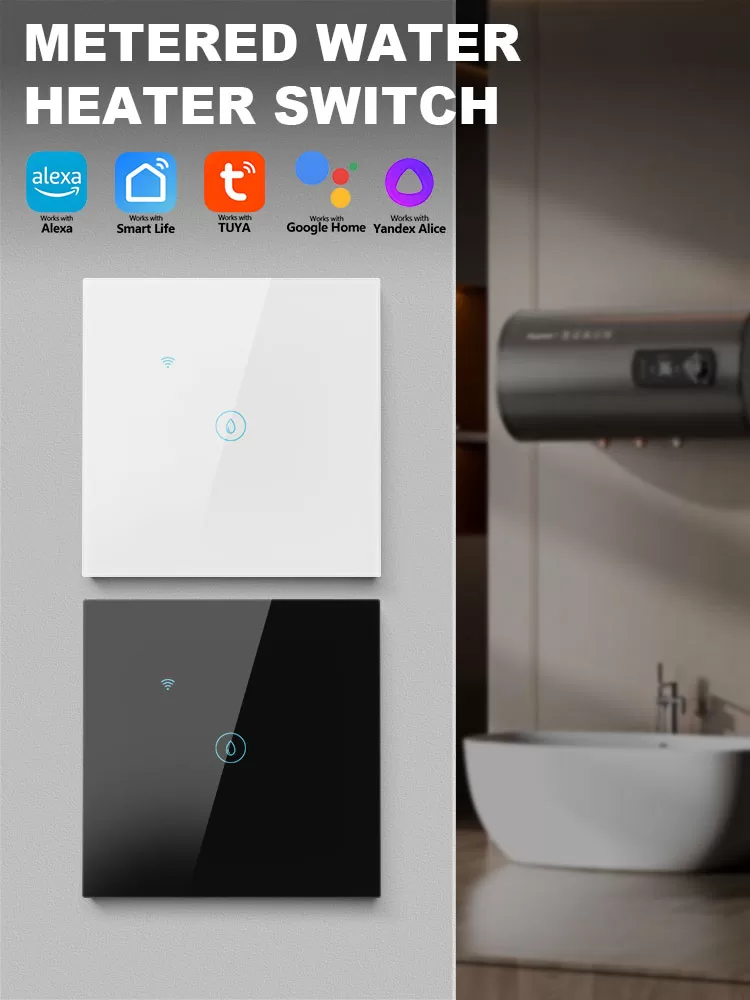
Once your core lineup is established, add higher-margin niche products: 3-gang and 4-gang switches for large rooms, fan speed controller switches, curtain/blind motor switches, water heater switches with timing functions and IP66-rated outdoor switches for garden and patio lighting. These niche products typically have 15-30% higher margins than standard switches.
Seasonal and Promotional Planning
Smart switch sales follow seasonal patterns with peaks before holiday seasons (Black Friday, Christmas, back-to-school). However, Plan your bulk orders 3-4 months in advance of peak seasons to ensure stock availability and lock in pricing. For example, Consider creating promotional bundles pairing switches with smart bulbs, plugs, or other Tuya ecosystem products to increase average order value.
Conclusion
The wifi smart switch market continues to grow at a rapid pace, driven by consumer demand for affordable, easy-to-use smart home solutions. Therefore, For B2B wholesale buyers, the keys to success are: selecting reliable Tuya-based suppliers, understanding technical specifications, negotiating favorable pricing and MOQ terms, and strategically building a product mix that serves multiple market segments. With the right approach, WiFi smart switches can become one of your most profitable product categories.
Related Articles
You Might Also Like
Frequently Asked Questions
Is Wifi Switch Bulk Sourcing worth buying?
Based on the breakdown in this article, Wifi Switch Bulk Sourcing offers a solid mix of features and value. If your main goal matches the key benefits described above, it is a practical choice for everyday use.
How do I choose the right wifi switch bulk sourcing for my needs?
Start with your core use case, then compare battery life, compatibility, and build quality as covered above. Choosing the right wifi switch bulk sourcing comes down to matching specs with how you actually use it.
Does wifi switch bulk sourcing require a companion app?
Most devices of this type pair with a free companion app for setup and firmware updates. A few advanced features may sit behind a paid plan, so check the official specs page before buying.
📌 This article is part of our Complete Switch Hub — more guides and buying tips inside.
 Smart Home Automation Scenes: 6 Practical Setups That Make Your Home Think