Posted on — Leave a comment

Surveillance Camera Wholesale Guide: Complete B2B Solutions for Security Distributors

surveillance camera wholesale b2b - Surveillance Camera Wholesale Guide: Complete B2B Solutions for Security Distributors

Surveillance Camera Wholesale Guide: Complete B2B Solutions for Security Distributors

However, The global surveillance camera market is valued at over $50 billion and continues to grow at a rapid pace. Driven by rising security concerns, declining hardware costs. Therefore, And the proliferation of Smart Home technology, demand for security cameras has never been higher. For B2B wholesalers, distributors, and security system integrators, surveillance cameras represent one of the largest and most profitable product categories in the security industry.

Market Overview and Growth Drivers

Therefore, Understanding the market dynamics helps you position your surveillance camera business for maximum growth. For example, And profitability.

Rising Security Concerns

Moreover, Increasing crime rates, package theft, and property damage concerns are driving both residential and commercial demand. Therefore, A visible surveillance camera acts as a powerful deterrent — studies show properties with visible cameras are 300% less likely to be targeted by criminals. In addition, For Homeowners and business owners alike, the peace of mind and evidentiary value of security camera footage justify the investment.

Technology Advancements

In addition, Rapid improvements in camera technology are driving replacement and upgrade cycles. Moreover, HD resolution (1080p) has become baseline, with 4K UHD becoming increasingly common. For example, AI-powered features like human/vehicle detection, facial recognition, and license plate recognition were once enterprise-only but are now available in consumer-grade cameras. Furthermore, Night vision has also improved dramatically with Color night vision and starlight Sensors.

Types of Surveillance Cameras

For example, Surveillance cameras come in many form factors, each designed for specific applications. Successful wholesalers stock a range of types to serve different customer needs.

Dome and Bullet Cameras

Consequently, Dome cameras are popular for indoor. As a result, And commercial installations because their design hides the camera’s pointing direction. In addition, Vandal-resistant dome cameras with IK10 impact ratings are ideal for high-risk locations. Bullet cameras are cylindrical, easily visible outdoor cameras whose obvious presence acts as a deterrent. Importantly, Bullet cameras typically have longer range and better night vision, making them the preferred choice for perimeter surveillance. Smart Home Starter Guide 2026: How to Build Your First Connected Home

PTZ and Specialized Cameras

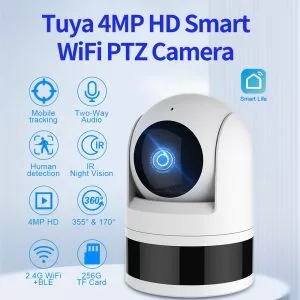
PTZ (Pan-Tilt-Zoom) cameras can pan, tilt, and zoom — providing wide area coverage with the ability to focus on details. Moreover, They are ideal for large properties and parking lots, commanding significantly higher pricing. Notably, And margins than fixed cameras. Specialized types include wire-free battery cameras, floodlight cameras, panoramic fisheye cameras, and solar-powered cameras — each serving niche markets with less competition.

Key Features to Evaluate

When comparing surveillance camera suppliers, these features differentiate quality products from budget alternatives.

Video Quality and Resolution

1080p (2MP) is the entry-level standard, 4MP (2K) is the mainstream sweet spot. However, And 4K (8MP) represents the premium tier. But resolution alone does not determine image quality — sensor size, lens quality, low-light performance, and dynamic range all matter. Therefore, Furthermore, H.265 compression reduces bandwidth and storage requirements by approximately 50% compared to H.264 — a critical selling point for customers with multiple cameras.

Night Vision Capabilities

Most surveillance happens at night, making night vision performance critical. IR (infrared) night vision is standard, but quality varies widely — look for effective range ratings (20-100m) and Smart IR technology that adjusts intensity to prevent overexposure. For example, Color Night Vision (using white light or starlight sensors) produces color nighttime footage and is a strong premium selling point for security-conscious buyers.

AI and Intelligent Features

AI-powered features are rapidly becoming must-have selling points. As a result, Human and vehicle detection reduces false motion alerts from trees, animals. In addition, And insects. Facial recognition enables personalized alerts. Perimeter intrusion detection monitors virtual zones. Moreover, Importantly, AI features typically add $10-30 to per-unit cost but can double retail pricing, making them high-margin differentiators.

Connectivity Options

Surveillance cameras use different connectivity technologies, each with advantages for different applications.

WiFi Security Cameras

WiFi cameras are the most popular type for residential and small business installations. They connect to existing WiFi networks, require only power. Furthermore, And are easy to install. Tuya wifi security camera models benefit from the Smart Life app ecosystem, cloud storage and smart home integration. As a result, Notably, WiFi cameras are ideal for consumers, DIY installations, and locations where running cable is difficult.

PoE and NVR Systems

PoE (Power over Ethernet) cameras receive both power and data through a single cable, simplifying installation. Importantly, They are the standard for professional security installations and commercial buildings. PoE cameras are more reliable than WiFi, support higher resolutions. Notably, And work with NVR systems for 24/7 recording. However, PoE cameras are typically higher-priced with higher margins, making them popular with professional installers.

Wholesale Sourcing and Pricing Strategy

Successfully sourcing surveillance cameras in bulk requires understanding pricing dynamics and supplier evaluation.

Pricing Tier Breakdown

Entry-level 1080p WiFi bullet cameras: $15-25 at 100-unit MOQ, $10-18 at 2,000+ volume. However, Mid-range 2K/4MP WiFi outdoor cameras: $25-40 at MOQ, $20-30 at volume. Premium 4K PoE cameras with AI: $50-80 at MOQ, $40-65 at volume. Therefore, PTZ cameras: $40-100+ depending on zoom and resolution. Therefore, Margins are typically 30-50% for well-sourced cameras.

Kit and System Strategy

Selling complete camera systems (NVR + multiple cameras) generates much higher revenue per customer than individual cameras. Pre-packaged kits simplify the buying decision and ensure compatibility. For example, For DIY consumers, plug-and-play WiFi camera systems are top sellers. For example, For professional installers, PoE NVR kits with bulk camera pricing are the standard. Kits also have higher margins than individual components sold separately.

OEM and Private Label Opportunities

Building your own brand of surveillance cameras is a powerful strategy for differentiation and margin improvement. In addition, In addition, Tuya-based manufacturers offer extensive OEM options: basic branding (logo + custom box) at 500-unit MOQ, advanced OEM at higher volumes, and full white-label solutions. Private labeling prevents direct price comparison and builds customer loyalty — customers buy “your” cameras rather than a commodity product.

Quality Assurance and Compliance

For security products, quality and compliance are critical to protecting both your customers. Moreover, And your business.

Certifications and Standards

Always verify appropriate certifications: CE (EU), FCC (US), RoHS, and region-specific standards. For outdoor cameras, IP66/IP67 weather resistance and IK10 vandal resistance ratings are important. Furthermore, Moreover, ONVIF compliance ensures interoperability with third-party NVRs. Non-compliant products risk customs seizures, liability claims, and reputational damage.

Quality Control Best Practices

Implement rigorous quality control: sample testing before first order, pre-shipment inspection for large orders (using third-party services), incoming quality checks for each shipment. As a result, And ongoing defect rate monitoring. Tuya-certified manufacturers have passed platform quality requirements, but additional testing is always recommended for high-value bulk orders.

Target Markets

Surveillance cameras serve diverse markets with different requirements and price sensitivities. Importantly, Furthermore, Residential DIY homeowners and small businesses represent the largest volume segment, preferring easy-to-install WiFi cameras bought through online marketplaces and retail stores. Commercial customers and professional security installers prioritize reliability and system scalability — PoE cameras. Notably, And NVR systems are the standard here. While acquisition cost is higher, these relationships generate significant recurring bulk orders and overall margins.

Conclusion

The surveillance camera market is large, growing. However, And highly profitable for B2B wholesalers who source wisely. As a result, By understanding the different camera types, evaluating key features and quality indicators, sourcing from reliable Tuya-platform manufacturers, and building complete system offerings, you can establish a strong position in this competitive market. Therefore, The keys to success are competitive pricing, consistent quality, and strong after-sales support.

Related Articles

You Might Also Like

Frequently Asked Questions

Is Surveillance Camera Wholesale B2b worth buying?

Based on the breakdown in this article, Surveillance Camera Wholesale B2b offers a solid mix of features and value. If your main goal matches the key benefits described above, it is a practical choice for everyday use.

How do I choose the right surveillance camera wholesale b2b for my needs?

Start with your core use case, then compare battery life, compatibility, and build quality as covered above. Choosing the right surveillance camera wholesale b2b comes down to matching specs with how you actually use it.

Does surveillance camera wholesale b2b require a companion app?

Most devices of this type pair with a free companion app for setup and firmware updates. A few advanced features may sit behind a paid plan, so check the official specs page before buying.
Posted on — Leave a comment

Home Security Sensors Wholesale: B2B Guide to Sourcing and Selling Security Sensor Systems

Wired vs Wireless Zigbee 3.0 Gateway

Home Security Sensors Wholesale: B2B Guide to Sourcing and Selling Security Sensor Systems

However, Home security sensors are the foundation of every modern security system. While Cameras and alarm panels get the attention, it is the sensors — door contacts, motion detectors, glass break sensors — that actually detect intrusions and trigger alarms. Therefore, The global home security sensor market is growing rapidly, driven by rising crime rates, increasing Smart home adoption, and the growth of DIY security systems. Therefore, For B2B wholesalers and distributors, this category offers high volume, strong margins. For example, And recurring revenue through system expansion.

Market Overview and Growth Trends

Therefore, The home security sensor market is evolving rapidly. Understanding these trends helps position your wholesale business for success.

DIY Security Boom

Moreover, The shift from professionally installed, monitored systems to DIY self-monitored systems has dramatically expanded the market. Companies like Ring and SimpliSafe have brought home security to the masses —. In addition, And Tuya-powered Smart sensors offer the same capabilities at significantly lower cost. For example, For wholesalers, the DIY market means more customers buying smaller quantities more frequently, creating a high-volume, dynamic market.

Smart Home Integration

In addition, Modern security sensors do more than trigger alarms — they integrate with the entire smart home. A door sensor can turn on lights, adjust thermostats, and start camera recording. Moreover, A motion sensor can activate scenes and send notifications. In addition, This integration adds value beyond pure security, making home security sensors appealing to a broader audience. Tuya-platform sensors excel here because they work with thousands of smart devices through a single app. Smart Lighting Complete Guide: From Color Temperature to Automation Scenes

Essential Home Security Sensor Types

For example, A complete security system requires multiple sensor types. Furthermore, Understanding each type helps you build the right product mix.

Door and Window Contact Sensors

Consequently, Contact sensors are the most basic and essential security sensor. Moreover, They consist of a sensor and magnet that trigger when separated. As a result, Every security system needs multiple contact sensors — typically one per exterior door and window. Contact sensors are the highest-volume sensor type and should form the foundation of your product lineup. Importantly, Furthermore, Tuya contact sensors are available in Zigbee, WiFi and Bluetooth versions. Smart Home Starter Guide 2026: How to Build Your First Connected Home

Motion Sensors

PIR (Passive Infrared) motion sensors detect body heat and movement, providing interior security coverage. Notably, Pet-immune motion sensors distinguish between humans and pets up to 25-40kg, reducing false alarms. Motion sensors are typically placed in hallways, living rooms, and high-traffic areas. However, As a result, Premium motion sensors with adjustable sensitivity and pet immunity command higher prices and margins.

Glass Break Detectors and More

Glass break sensors listen for the specific frequency of breaking glass, providing perimeter protection for windows without contact sensors on every pane. Additional sensor types include: vibration sensors (detect forced entry), smart sirens and strobes (audible deterrent), panic buttons (emergency alerts). Therefore, And garage door tilt sensors. Each additional type increases system value and average order size.

System Components Beyond Sensors

Security sensors are part of a larger system. Importantly, Offering the complete system increases revenue per customer.

Gateway / Hub

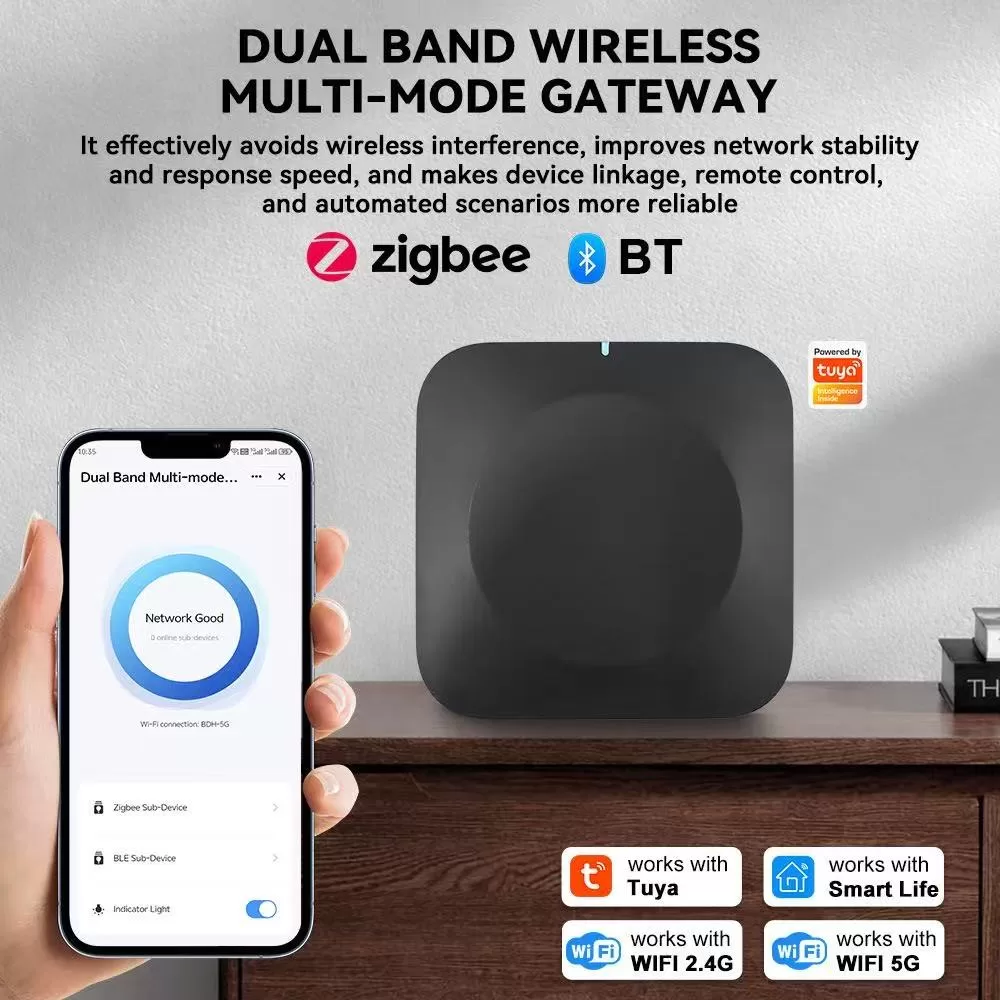
Zigbee and Bluetooth sensors require a gateway (hub) to connect to the internet. For example, And app. The Tuya Zigbee gateway is the central brain of the system, connecting all sensors, handling automation rules, and sending notifications. In addition, Gateways are essential for multi-sensor systems and represent an important add-on sale. Notably, Some gateways include built-in sirens, backup batteries, or cellular connectivity.

Smart Sirens and Keypads

A loud siren (100+ dB) is the primary deterrent of any security system. Smart sirens connect to the system and activate when sensors trigger. Moreover, Keypads provide physical arming/disarming at entry points, preferred by many users over app-only control. However, Including keypad and siren options makes it easier to serve both DIY and professional installer markets.

Bulk Sourcing and Supplier Selection

Choosing the right suppliers is critical — security sensors must be reliable. Furthermore, And quality issues can have serious consequences.

Evaluating Sensor Quality

Key quality indicators include: detection accuracy (not too sensitive, not too insensitive), false alarm rate, battery life (Zigbee sensors should last 1-2 years), build quality and durability, signal range, and tamper detection. Always test samples thoroughly in real-world conditions before placing bulk orders. As a result, Tuya-certified factories have passed platform quality requirements, reducing your due diligence burden.

Pricing and MOQ Considerations

Home security sensor pricing scales significantly with volume. Therefore, Basic contact sensors: $3-5 at 500 units, $2-3.50 at 2,000 units, $1.50-2.50 at 10,000+ units. Motion sensors: $5-8 at 500 units, $4-6 at 2,000 units. Importantly, Starter kits (gateway + 4 contacts + 2 motion + siren): $40-60 at MOQ, $30-45 at volume. For example, MOQs for standard Tuya sensors are typically 500 units, with OEM MOQs starting at 1,000 units.

Why Tuya Sensors Are the Smart Choice

Tuya-platform sensors offer: proven reliability with hundreds of millions of deployed devices, consistent app experience across all sensor types, regular firmware updates, voice assistant integration (Alexa, Google), ecosystem compatibility with thousands of devices, and extensive OEM/private label support. Notably, For wholesalers building a security sensor product line, Tuya reduces risk, simplifies sourcing, and provides a platform for future growth.

Packaging and Kit Strategy

How you package security sensors dramatically impacts sales volume and customer value.

Multi-Packs and Value Bundles

Selling sensors in multi-packs (4-pack, 8-pack door sensors; 2-pack motion sensors) increases average order value. However, And provides better per-unit pricing for customers. Multi-packs are particularly popular with DIY homeowners who know they need multiple sensors. In addition, The bundle discount you offer is more than offset by the increased order size. Therefore, And reduced per-unit shipping costs.

Complete System Kits

Starter kits with everything needed for a basic security system are the highest-value product offering. A typical kit includes: 1 gateway/hub, 4 door/window sensors, 2 motion sensors and 1 smart siren. For example, Kits simplify the buying decision for new customers and ensure they have all necessary components. Moreover, For B2B wholesalers, kits have higher total revenue per sale and better margins than individual components sold separately.

Target Markets and Sales Channels

Home security sensors sell through diverse channels, each with different requirements.

DIY Consumer Market

DIY homeowners buy sensors through online marketplaces, consumer electronics stores. In addition, And home improvement retailers. This segment prioritizes easy installation, app quality, and competitive pricing. Tuya’s consumer-friendly app and broad ecosystem compatibility make it ideal for this market. Moreover, Furthermore, Supplying DIY channels requires attractive retail packaging and clear marketing.

Professional Installers and Multi-Family

Security installers buy in bulk for project-based work and prioritize reliability, consistency, and technical support. Furthermore, Apartment complexes and property management companies represent a large but underserved market. These customers need multi-unit management capabilities, bulk pricing, and reliable support. As a result, As a result, Winning a single multi-family contract can mean thousands of sensor units.

Conclusion

Home security sensors are a high-volume, high-growth product category that should be core to any smart home or security wholesale business. By understanding the different sensor types, building a complete system offering, sourcing quality Tuya-based products from reliable suppliers, and packaging products for your target markets, you can build a profitable and scalable security sensor business. Importantly, The key is combining competitive pricing with consistent quality, comprehensive selection, and strong customer support.

Related Articles

You Might Also Like
Frequently Asked Questions

Is Security Sensors Wholesale B2b worth buying?

Based on the breakdown in this article, Security Sensors Wholesale B2b offers a solid mix of features and value. If your main goal matches the key benefits described above, it is a practical choice for everyday use.

How do I choose the right security sensors wholesale b2b for my needs?

Start with your core use case, then compare battery life, compatibility, and build quality as covered above. Choosing the right security sensors wholesale b2b comes down to matching specs with how you actually use it.

Does security sensors wholesale b2b require a companion app?

Most devices of this type pair with a free companion app for setup and firmware updates. A few advanced features may sit behind a paid plan, so check the official specs page before buying.
Posted on — Leave a comment

Tuya Sensor Wholesale: Complete B2B Guide to Smart Home and Security Sensors

tuya sensor wholesale b2b - Tuya Sensor Wholesale: Complete B2B Guide to Smart Home and Security Sensors

Tuya Sensor Wholesale: Complete B2B Guide to Smart Home and Security Sensors

However, The Tuya sensor ecosystem is the most extensive and fastest-growing Smart sensor platform in the world. Powered by Tuya’s AI+IoT platform, these sensors cover everything from basic door contacts to advanced environmental monitoring — all working seamlessly within the Tuya Smart home ecosystem. Therefore, For B2B wholesalers, distributors, and security system integrators, Tuya sensors offer unmatched variety, competitive pricing, and the reliability of a platform serving hundreds of millions of devices worldwide.

The Tuya Sensor Ecosystem Advantage

Therefore, What sets Tuya apart from other smart sensor platforms is the sheer scale and diversity of its ecosystem.

One Platform, Hundreds of Sensors

Moreover, Unlike proprietary security systems that lock customers into a single brand’s limited lineup, the Tuya platform hosts sensors from hundreds of manufacturers — all compatible with the same app. For example, And ecosystem. Therefore, This means you can source a tuya sensor for virtually any application from the supplier offering the best combination of price, quality, and features. In addition, For B2B buyers, this diversity reduces supply chain risk and lets you curate a product lineup tailored to your specific market.

Seamless Smart Home Integration

In addition, Every Tuya sensor works with the Smart Life app alongside thousands of other Tuya devices — lights, switches, cameras, doorbells, locks, and more. A door sensor can trigger lights to turn on. Moreover, For example, A motion sensor can activate an alarm and start camera recording. A water leak sensor can automatically close a smart water valve. This deep integration makes Tuya sensors more valuable than standalone alternatives, justifying higher retail pricing. Furthermore, And better margins for wholesalers. Smart Lighting Complete Guide: From Color Temperature to Automation Scenes

Comprehensive Tuya Sensor Product Range

The Tuya sensor catalog covers virtually every smart sensor type imaginable.

Security Sensors

For example, Door and window contact sensors are the highest-volume Tuya sensor type — compact, affordable, and essential for every security system. In addition, PIR motion sensors with pet-immune detection reduce false alarms. As a result, Glass break detectors and vibration sensors add perimeter protection layers. Smart sirens and emergency buttons complete the security lineup. Moreover, Security sensors represent approximately 60% of total home security sensors sales volume. Smart Home Starter Guide 2026: How to Build Your First Connected Home

Environmental Sensors

Consequently, Tuya environmental sensors address safety. Importantly, And comfort needs. Water leak sensors detect plumbing failures early, preventing costly water damage. Smart smoke detectors and CO sensors provide life safety monitoring with instant app alerts. Notably, Furthermore, Temperature and humidity sensors serve HVAC optimization and pet safety. Air quality sensors measuring PM2.5, VOCs, and CO2 are a fast-growing premium segment with strong margins.

Connectivity Protocols in the Tuya Ecosystem

Tuya supports multiple connectivity protocols, each suited to different sensor applications.

Zigbee Sensors

Zigbee is the most popular protocol for Tuya battery-powered sensors. However, Its ultra-low power consumption means sensor batteries last 1-3 years — critical for maintenance-free operation. As a result, Zigbee mesh networking allows sensors to relay signals through each other, extending range in large homes. A Tuya Zigbee gateway connects all sensors to the internet and cloud. Therefore, For complete security systems with many sensors, Zigbee is the standard choice.

WiFi and Bluetooth Sensors

WiFi smart sensors connect directly to home WiFi without a hub, ideal for users who only need one or two sensors. Importantly, Bluetooth sensors are the newest addition, offering low power consumption with direct smartphone connectivity for local control. With a Tuya Bluetooth gateway, they gain full remote access. For example, This protocol is particularly popular for consumer-focused DIY sensor products.

Wholesale Sourcing and Pricing Strategy

Understanding Tuya sensor pricing dynamics and sourcing options maximizes your profitability.

Cost Structure and Pricing Tiers

Tuya sensor pricing is highly competitive due to the platform’s scale. Notably, Basic Zigbee door contact sensors: $2.50-4.50 at 500-unit MOQ, $1.80-3 at 5,000+ volume. In addition, PIR motion sensors: $4-7 at MOQ, $3-5 at volume. Water leak sensors: $4-8 at MOQ, $3-6 at volume. However, Smoke detectors: $8-15 at MOQ, $6-12 at volume. Moreover, These prices leave ample room for wholesale markup. Meanwhile, remaining affordable for end customers.

Multi-SKU Bundling and Kits

Customers rarely buy just one sensor — they need multiple units for complete coverage. Creating pre-packaged sensor kits dramatically increases average order value: “8-Piece Home Security Kit” (gateway + 4 door sensors + 2 motion + 1 siren), “Smart Home Starter Kit” (gateway + 2 door + 1 motion + 2 temperature). Therefore, Kits simplify the buying decision, reduce decision fatigue. Furthermore, And increase your total revenue per customer.

OEM and Private Label Opportunities

Tuya’s extensive OEM support is one of its biggest advantages for B2B wholesalers. You can build a complete private label sensor line under your own brand without developing any hardware or software. Basic OEM (logo + custom box) starts at 500 units per SKU. As a result, For example, Advanced OEM (custom colors, branded app) starts at 2,000 units. Private labeling prevents direct price comparison and builds customer loyalty to your brand.

Quality Assurance and Certification

For security and safety sensors, quality and compliance are non-negotiable.

Safety Certifications

Quality Tuya sensor manufacturers hold certifications including CE (EU), FCC (US), RoHS. Importantly, And region-specific standards. For safety sensors like smoke detectors and CO alarms, additional certifications may be required (EN 14604 for EU, UL 217 for US). In addition, Always verify certification authenticity — non-compliant safety products expose you to massive liability risk. Notably, And customs issues.

Quality Control Best Practices

Implement multi-layer quality control: factory audits before first orders, incoming sample testing, pre-shipment inspection for large orders (using third-party services like SGS), and post-sales defect monitoring. Tuya-certified factories have already passed basic quality audits, but additional testing is always prudent for high-volume orders.

Target Customer Segments

Tuya sensors serve diverse markets — understanding these helps you focus your sales. However, And marketing.

DIY Homeowners

DIY consumers are the largest market for individual sensor purchases. They buy sensors to expand their existing Tuya smart home systems or address specific needs. Moreover, This segment is price-sensitive and buys through online marketplaces. Therefore, And retail stores. Attractive retail packaging and clear marketing messaging are critical for reaching DIY buyers.

Security Installers and Commercial

Professional installers buy tuya sensor products in bulk for project-based installations. They prioritize reliability, consistency, and technical support. For example, Furthermore, Commercial buildings, apartment complexes, and property management companies represent a large but underserved market. Tuya’s enterprise solutions support multi-site management and API integration, making them suitable for commercial applications with significant order volumes.

Conclusion

The tuya sensor ecosystem offers B2B wholesalers an unmatched combination of product variety, competitive pricing, platform reliability and OEM flexibility. In addition, Whether you are building a retail sensor line, supplying security installers, or serving commercial clients, Tuya sensors provide the foundation for a profitable and scalable business. As a result, The key to success is curating the right product mix, leveraging bundling and kits to increase order value. Moreover, And potentially building your own private label brand.

Related Articles

You Might Also Like
Frequently Asked Questions

Is Tuya Sensor Wholesale B2b worth buying?

Based on the breakdown in this article, Tuya Sensor Wholesale B2b offers a solid mix of features and value. If your main goal matches the key benefits described above, it is a practical choice for everyday use.

How do I choose the right tuya sensor wholesale b2b for my needs?

Start with your core use case, then compare battery life, compatibility, and build quality as covered above. Choosing the right tuya sensor wholesale b2b comes down to matching specs with how you actually use it.

Does tuya sensor wholesale b2b require a companion app?

Most devices of this type pair with a free companion app for setup and firmware updates. A few advanced features may sit behind a paid plan, so check the official specs page before buying.
Posted on — Leave a comment

Smart Sensors Wholesale Guide: Building a Complete B2B Home Security Product Line

Solar Motion Sensor Wall Light Outdoor LED Street Lamp Waterpr... - view 2

Smart Sensors Wholesale Guide: Building a Complete B2B Home Security Product Line

However, Smart sensors are the unsung heroes of the Smart home and security industry. While cameras and doorbells get the spotlight, sensors form the invisible backbone of every connected home — detecting motion, monitoring doors and windows, measuring temperature, and alerting homeowners to leaks, fires. Therefore, And gas leaks. For B2B wholesalers, distributors, and security system integrators, smart sensors represent a high-volume, repeat-purchase product category that ties entire ecosystems together. Therefore, The global smart sensor market is projected to exceed $80 billion by 2027.

The Critical Role of Smart Sensors in Home Security

Therefore, Smart sensors are the foundation of any comprehensive home security. For example, And automation system.

Perimeter and Interior Protection

Moreover, Door and window contact sensors create a virtual perimeter around the home, alerting users whenever a door or window is opened. Motion sensors provide interior protection, detecting movement in empty rooms. Together with smart sirens and alarm hubs, these smart sensors create a complete security system. In addition, For example, Every home needs multiple sensors, creating high per-customer revenue and strong bulk sales potential.

Environmental Safety Monitoring

In addition, Beyond security, smart sensors protect homes from environmental hazards. Water leak sensors detect plumbing leaks before they cause costly damage. Moreover, Smoke and CO sensors provide 24/7 safety monitoring with instant app alerts. In addition, Temperature and humidity sensors help protect homes, pets, and valuable possessions. Furthermore, Environmental sensors appeal to a broader audience, expanding your addressable market beyond pure security buyers. Smart Lighting Complete Guide: From Color Temperature to Automation Scenes

Types of Smart Sensors to Stock

For example, The smart sensor category is remarkably diverse. Successful wholesalers curate a product mix that serves security, safety, and automation needs. Tuya 4MP 2K HD Indoor Smart Camera: Color Night Vision for Family and Pet Monitoring

Security Sensors

Consequently, Door/window contact sensors are the highest-volume type — small, affordable. As a result, And essential for every security system. Moreover, PIR motion sensors detect human movement with adjustable sensitivity to reduce pet false alarms. Glass break sensors and vibration sensors add layers of perimeter protection. Importantly, Each type serves a specific security purpose, and customers typically need multiple units, driving bulk home security sensors sales. Tuya 2MP/4MP Indoor PTZ Smart Camera: 360 Panoramic Home Monitoring Made Simple

Environmental Sensors

Water leak sensors are fast-growing, high-margin sensors that detect water at floor level — ideal for basements and under sinks. Furthermore, Smoke detectors and CO sensors are essential safety devices with regulatory requirements in many regions. Notably, Temperature and humidity sensors serve both comfort and safety applications. Air quality sensors (PM2.5, VOC) are an emerging premium segment with strong growth potential.

Specialized Sensors

Smart presence sensors using mmWave radar technology represent the next generation of occupancy detection with high accuracy. As a result, Smart button sensors (scene switches) let users trigger custom automations with a tap. However, These specialized sensors serve niche markets with higher margins and less competition than standard security sensors.

Connectivity Options: WiFi vs. Zigbee vs. Therefore, Importantly, Bluetooth

Smart sensors use different wireless protocols, each with advantages for different applications.

WiFi Sensors

WiFi sensors connect directly to home WiFi without requiring a hub, making them popular with DIY consumers. However, WiFi sensors consume more power and typically require wall power or frequent battery changes. WiFi tuya sensor products are best for applications where power is available. For example, And only a few sensors are needed.

Zigbee Sensors

Zigbee is the most popular protocol for battery-powered smart sensors due to extremely low power consumption — batteries last 1-3 years. Notably, Zigbee sensors require a hub/gateway to connect to the internet. Tuya Zigbee sensors work with the Tuya gateway and Smart Life ecosystem. In addition, For complete security systems with many sensors, Zigbee is the preferred choice for its mesh networking and battery efficiency.

Why Tuya Smart Sensors Lead the Market

Tuya-platform sensors offer unique advantages that make them the top choice for B2B wholesale buyers.

Ecosystem Compatibility

A tuya sensor works seamlessly with thousands of other Tuya smart devices through the Smart Life app. However, Customers can build complete security and automation systems using products from different manufacturers — all controlled through one app. Moreover, For wholesalers, this compatibility means you can source sensors from multiple suppliers. Meanwhile, ensuring they all work together.

Reliable Cloud and App Platform

Tuya’s global cloud infrastructure ensures reliable sensor connectivity, instant push notifications and 90-day event history storage. Furthermore, The Smart Life app provides a polished user experience with sensor grouping, scene automation, and detailed event logs. Therefore, Unlike budget brands with buggy apps and unreliable servers, Tuya’s platform is proven with hundreds of millions of users.

Bulk Sourcing and Wholesale Strategies

Smart sensors have unique wholesale dynamics that reward strategic sourcing.

Pricing and Volume Dynamics

Basic door contact sensors wholesale for $3-6 each at 500-unit MOQ, dropping to $2-4 at 5,000+ volume. As a result, Motion sensors range from $5-10 at MOQ to $3-7 at volume. While individual unit margins are modest, customers typically buy 5-20 sensors per system, making total per-customer revenue substantial. For example, Bundle pricing and multi-packs further increase order size. Importantly, And value.

Multi-Pack and Kit Strategy

Selling sensors in multi-packs (4-packs, 8-packs) and starter kits dramatically increases average order value. A “Home Security Starter Kit” with a hub + 4 door sensors + 2 motion sensors + 1 siren is an easy sell with higher margins than individual components. Notably, For B2B retail clients, pre-packaged kits with attractive packaging sell through faster and reduce shelf space requirements.

OEM and Private Label

Private label smart sensors are an excellent way to build brand loyalty and prevent direct price comparison. However, In addition, With Tuya-based manufacturers, OEM MOQs are surprisingly accessible — typically 500-1,000 units per SKU for basic branding. Building a complete private label sensor ecosystem positions you as a brand rather than just a distributor, increasing long-term value.

Target Markets and Distribution Channels

Smart sensors sell through diverse channels — understanding these helps you focus your sales strategy.

Security Installers and Integrators

Professional security installers are high-volume buyers of smart sensors. They purchase in bulk for project installations and prioritize reliability, consistency. Therefore, And bulk pricing. Moreover, Tuya’s professional-grade sensors and gateway products, combined with competitive bulk pricing, make it easy to serve this market with recurring, predictable orders.

Smart Home Retailers and E-commerce

Consumer electronics stores, home improvement retailers, and online marketplaces are major channels. For example, DIY homeowners buy sensors to expand their existing smart home systems. For retail, attractive packaging, clear setup instructions, and ecosystem compatibility are critical. In addition, Furthermore, Tuya’s consumer-friendly app and broad compatibility make retail sales straightforward.

Conclusion

Smart sensors are the foundation of the smart home and security industry, offering B2B wholesalers high volume, repeat purchases, and extensive cross-selling opportunities. The Tuya ecosystem, with its diverse sensor portfolio, reliable platform. Moreover, And OEM capabilities, provides everything you need to build a successful sensor product line. Whether you focus on security sensors, environmental sensors, or a complete ecosystem approach, the key is offering quality products at competitive prices, packaged for your target markets.

Related Articles

You Might Also Like
Frequently Asked Questions

Is Sensors Wholesale Building B2b worth buying?

Based on the breakdown in this article, Sensors Wholesale Building B2b offers a solid mix of features and value. If your main goal matches the key benefits described above, it is a practical choice for everyday use.

How do I choose the right sensors wholesale building b2b for my needs?

Start with your core use case, then compare battery life, compatibility, and build quality as covered above. Choosing the right sensors wholesale building b2b comes down to matching specs with how you actually use it.

Does sensors wholesale building b2b require a companion app?

Most devices of this type pair with a free companion app for setup and firmware updates. A few advanced features may sit behind a paid plan, so check the official specs page before buying.
Posted on — Leave a comment

Smart Doorbell Camera Wholesale: B2B Guide to Sourcing and Selling Video Doorbells

doorbell camera wholesale b2b - Smart Doorbell Camera Wholesale: B2B Guide to Sourcing and Selling Video Doorbells

Smart Doorbell Camera Wholesale: B2B Guide to Sourcing and Selling Video Doorbells

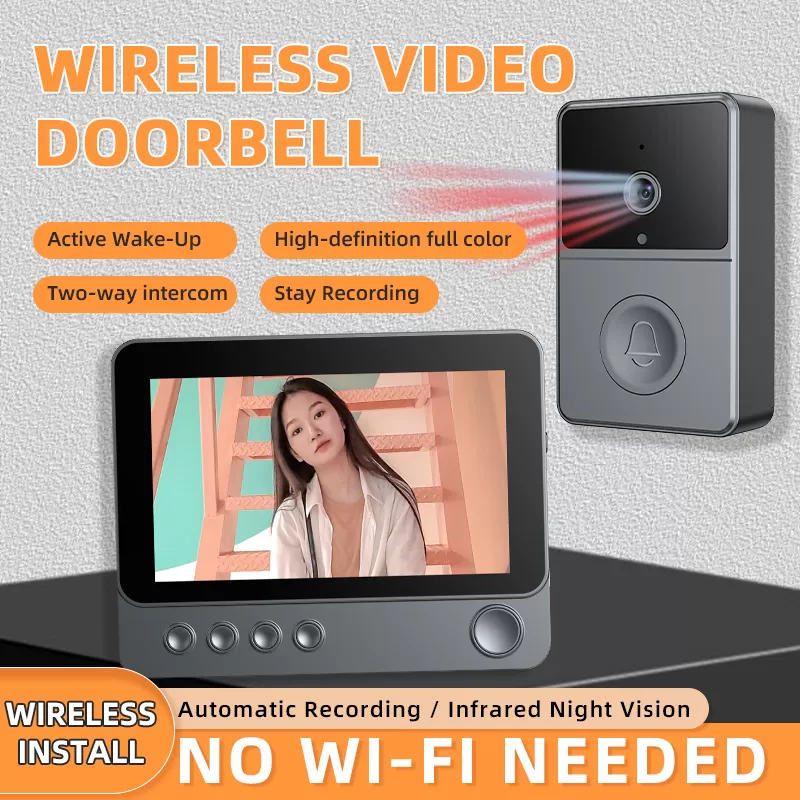
However, A Smart doorbell camera has become one of the most popular Smart home security devices, combining convenience, security, and connectivity in a single affordable product. The global smart doorbell market is projected to reach $14 billion by 2028, creating a massive opportunity for B2B wholesalers, distributors. Therefore, And retailers. This comprehensive guide covers everything you need to know about sourcing and selling smart doorbell cameras in bulk.

Market Overview and Growth Drivers

Therefore, Understanding the market dynamics helps you position your wholesale business for maximum success in this fast-growing category.

Rising Home Security Awareness

Moreover, Increasing concerns about package theft, home invasions. For example, And neighborhood safety are driving demand for visible security devices like video doorbells. Therefore, A tuya video doorbell provides both a deterrent effect and actionable evidence, making it one of the first security products homeowners purchase. In addition, The COVID-19 pandemic and growth of online shopping have further accelerated demand as package delivery frequency increases. Smart Sensors Buying Guide: How to Make Your Home Feel Its Environment

Smart Home Ecosystem Expansion

In addition, As more households adopt smart speakers, displays, and security cameras, the smart doorbell becomes a natural addition to the connected home ecosystem. Consumers want devices that work together seamlessly — a key advantage of Tuya-platform doorbells that integrate with thousands of other smart devices. Moreover, For example, For wholesalers, this ecosystem effect means each doorbell sale can lead to additional accessory and ecosystem device sales. Smart Lighting Complete Guide: From Color Temperature to Automation Scenes

DIY Installation Trend

For example, The shift toward do-it-yourself home security has opened the market to millions of consumers who previously could not afford professionally installed systems. Battery-powered wireless doorbell camera products require no wiring, no tools, and no professional installation — just a smartphone. Furthermore, And a WiFi connection. This accessibility is a primary driver of the market’s explosive growth. Home Security Systems Explained: 5 Essential Devices to Protect Your Family

Product Types and Varieties

Consequently, Smart doorbell cameras come in many configurations. In addition, Successful wholesalers understand the differences. As a result, And stock a curated selection that serves multiple customer segments. Tuya 2MP/4MP Indoor PTZ Smart Camera: 360 Panoramic Home Monitoring Made Simple Smart Home Starter Guide 2026: How to Build Your First Connected Home

By Power Source

Battery-powered doorbells are the most popular for their ease of installation and portability. Wired doorbells offer continuous power and more advanced features. Importantly, Solar-assisted models provide extended battery life for high-traffic locations. Moreover, Peephole camera doorbells are designed for apartments and condos where traditional doorbell installation is not possible. Notably, Each type serves a distinct market with different price points and margins.

By Video Resolution

Resolution is a key differentiator and price driver. 720p HD entry-level models serve the budget market. 1080p Full HD is the current mainstream sweet spot, balancing quality. However, And cost. 2K and 4K UHD models represent the premium segment with higher margins. For wholesale buyers, 1080p models offer the best balance of volume and margin, while 2K models are growing rapidly as costs decrease.

By Connectivity Type

WiFi doorbells are the most common, connecting directly to home WiFi networks. Therefore, Furthermore, Some models support both 2.4GHz and 5GHz WiFi for better compatibility. A smaller but growing segment uses Power over Ethernet (PoE) for commercial and industrial installations. For example, Cellular/LTE doorbells serve locations without WiFi, though they require data plans and represent a niche market.

Must-Have Features for Wholesale Success

These are the features that drive sales and customer satisfaction — prioritize them when selecting products for your inventory.

Intelligent Motion Detection

Basic PIR motion detection triggers too many false alarms. In addition, As a result, Modern smart doorbell camera models use AI and PIR combination detection to distinguish humans from cars, animals, and moving branches. Customizable motion zones let users focus on specific areas like walkways or package delivery zones. Moreover, Products with superior detection accuracy generate fewer returns and better customer reviews.

Cloud and Local Storage Options

Video storage is a critical consideration. Importantly, Cloud storage provides remote access and protection against device theft but requires subscription fees. Furthermore, Local storage via SD card (up to 128GB typically) offers free recording but risks losing footage if the doorbell is stolen. The best products offer both options, letting customers choose. Notably, For B2B commercial clients, NVR integration and FTP upload capabilities are important features.

Weather Resistance and Durability

Doorbells live outdoors and must withstand rain, snow, extreme temperatures. As a result, And UV exposure. Look for IP65-rated (or higher) enclosures, operating temperature ranges of -20 to 50 degrees Celsius and UV-stabilized materials. Importantly, IK10 vandal resistance ratings are a strong selling point for commercial and high-traffic installations. However, Quality construction directly impacts product lifespan. Notably, And warranty costs.

Bulk Sourcing and Supplier Selection

Choosing the right suppliers is the most critical decision for a smart doorbell camera wholesaler.

Factory Direct vs. Trading Companies

Factory direct sourcing offers the lowest prices but higher MOQs and requires more quality management. However, Trading companies provide lower MOQs, consolidated shipping, and quality inspection services at a 10-20% premium. Therefore, Many successful wholesalers use a hybrid approach: core high-volume SKUs sourced directly from factories. Therefore, And niche or test products sourced through trading companies.

Quality Assessment Checklist

When evaluating suppliers, assess: factory certifications (ISO 9001), product certifications (CE, FCC, RoHS, etc.), chipset and sensor brands used, assembly quality, waterproofing method (glued vs. gasket), software update frequency, and warranty terms. Always order samples first and test them thoroughly in real-world conditions before placing bulk orders.

Negotiating Bulk Pricing

Smart doorbell camera pricing varies dramatically with volume. Entry-level 1080p battery doorbells range from $18-28 per unit at 100-unit MOQ, dropping to $12-18 at 2,000 units. For example, For example, Premium 2K wired models with AI detection range from $35-55 at MOQ to $25-40 at volume. Negotiation levers include payment terms, shipping responsibility, warranty duration, and exclusivity agreements. In addition, Always get quotes from at least three suppliers before committing.

OEM and White Label Strategies

Building your own brand is one of the most profitable strategies in the smart doorbell market.

OEM Levels Explained

Level 1 OEM involves logo printing on the device and custom retail packaging (MOQ 500-1,000 units, $0.50-2 per unit additional cost). In addition, Level 2 OEM includes custom colors, custom manual. Moreover, And branded app startup screen (MOQ 2,000-5,000 units). Level 3 is full white label with branded app, custom cloud domain, and dedicated support (MOQ 10,000+ units). Furthermore, Start with Level 1 and scale up as sales volume grows.

Packaging as a Competitive Advantage

Retail packaging is often overlooked but can significantly impact perceived value and sell-through rate. Moreover, Invest in professional packaging with high-quality product renders, clear feature bullet points. As a result, And QR codes linking to setup videos. For B2B clients like security installers, offer plain bulk packaging that reduces waste and cost. Importantly, Good packaging protects products during shipping and enhances your brand image.

Conclusion

The smart doorbell camera market presents a tremendous opportunity for B2B wholesalers who source wisely and build strong product lines. Furthermore, By understanding market trends, selecting the right product mix, negotiating favorable terms with reliable suppliers. Notably, And potentially building your own OEM brand, you can establish a profitable position in this fast-growing category. The key is balancing competitive pricing with consistent quality and staying ahead of feature trends as the market matures.

Related Articles

You Might Also Like
Frequently Asked Questions

Is Doorbell Camera Wholesale B2b worth buying?

Based on the breakdown in this article, Doorbell Camera Wholesale B2b offers a solid mix of features and value. If your main goal matches the key benefits described above, it is a practical choice for everyday use.

How do I choose the right doorbell camera wholesale b2b for my needs?

Start with your core use case, then compare battery life, compatibility, and build quality as covered above. Choosing the right doorbell camera wholesale b2b comes down to matching specs with how you actually use it.

Does doorbell camera wholesale b2b require a companion app?

Most devices of this type pair with a free companion app for setup and firmware updates. A few advanced features may sit behind a paid plan, so check the official specs page before buying.

Posted on — Leave a comment

Smart Light Switch Wholesale: Complete B2B Buying Guide for Retailers and Distributors

Tuya Smart WiFi Curtain Switch | 2.5D Arc Glass | Touch | App ... - view 5

Smart Light Switch Wholesale: Complete B2B Buying Guide for Retailers and Distributors

However, A Smart light switch is often the First Smart home device consumers purchase, making it a high-volume, high-margin product category for B2B wholesalers and retailers. With the global Smart lighting market expected to reach $46 billion by 2027, the opportunity for distributors is enormous. However, navigating the crowded market of WiFi, Zigbee, and Bluetooth switches requires careful supplier selection and product curation.

Understanding Smart Light Switch Technologies

Therefore, Before building your wholesale inventory, it is essential to understand the different technologies available and which ones serve your target market best.

WiFi Smart Switches

Moreover, The wifi Smart switch is the most popular type, connecting directly to a home WiFi network without requiring a hub. Therefore, This simplicity makes WiFi switches ideal for entry-level consumers and single-room installations. Tuya-based WiFi switches dominate this segment thanks to their reliable cloud infrastructure and broad app ecosystem. For wholesale buyers, WiFi switches offer the fastest turnover and broadest market appeal. Smart Sensors Buying Guide: How to Make Your Home Feel Its Environment KT08 Cartoon Selfie Stick 90cm, Cute Extendable Phone Selfie Stick Tripod

Zigbee Smart Switches

However, Zigbee switches require a Zigbee hub but offer several advantages: lower power consumption, better performance in large homes with many devices, and compatibility with popular hub ecosystems like Philips Hue, Samsung SmartThings and Amazon Echo Plus. For example, For B2B clients targeting professional installers and smart home enthusiasts, Zigbee switches command higher price points and margins. Smart Lighting Complete Guide: From Color Temperature to Automation Scenes

Bluetooth Mesh Switches

Therefore, Bluetooth Mesh is the newest protocol gaining traction, offering the no-hub convenience of WiFi with the mesh networking benefits of Zigbee. Bluetooth mesh switches work with direct Smartphone control and can also connect to WiFi via a gateway for remote access. This technology is particularly popular for battery-powered wireless switches and retrofit installations. Tuya 4MP 2K HD Indoor Smart Camera: Color Night Vision for Family and Pet Monitoring Home Security Systems Explained: 5 Essential Devices to Protect Your Family

Key Features to Look for in Wholesale Smart Switches

Moreover, Not all smart switches are created equal. In addition, The best wholesale products balance features, reliability, and cost to maximize your profit margins while keeping customers satisfied. Tuya 2MP/4MP Indoor PTZ Smart Camera: 360 Panoramic Home Monitoring Made Simple

Touch vs. Button Design

Glass-panel touch switches with LED indicators command premium pricing and appeal to design-conscious consumers. Mechanical button switches, while less flashy, offer tactile feedback that many users prefer and tend to be more affordable. Moreover, Successful wholesalers carry both options to serve different market segments and price points.

Dimming Capabilities

Smart dimmer switches are a high-value upgrade that customers are willing to pay more for. Look for dimmers with Smooth 0-100% dimming, memory functions, and compatibility with different bulb types including LED, halogen, and incandescent. Trailing-edge dimmers tend to be more compatible with modern LED bulbs than leading-edge alternatives.

Energy Monitoring

Switches with built-in energy monitoring allow users to track power consumption in real-time, adding value for eco-conscious consumers and businesses. Furthermore, This feature typically adds a modest cost increase but supports significantly higher retail pricing, making energy-monitoring Tuya Smart switch models some of the highest-margin products in the category.

Wholesale Sourcing Strategies

How you source your smart light switches directly impacts your profitability and competitiveness. Here are proven strategies for B2B buyers.

Direct Factory Sourcing vs. Trading Companies

Direct factory sourcing offers the lowest per-unit cost but requires higher minimum order quantities and more hands-on quality management. As a result, Trading companies provide lower MOQs, consolidated shipping, and additional quality checks at a slightly higher cost. For new businesses, starting with reputable trading companies and scaling to direct factory relationships is often the optimal path.

Private Label and OEM Options

Building your own brand of smart light switch products is one of the best ways to differentiate from competitors and increase customer loyalty. Most Tuya-based manufacturers offer comprehensive OEM services including custom logo printing, branded packaging, and even custom app development. Importantly, MOQs for OEM typically start at 500-1,000 units, making it accessible for growing B2B businesses.

Bulk Ordering and Container Shipping

For high-volume buyers, full-container ordering maximizes cost savings. A 20-foot container can hold 20,000-40,000 smart switch units depending on packaging, reducing per-unit shipping costs dramatically. Even if you cannot fill a full container alone, consider group-buying arrangements with complementary businesses to unlock container-level pricing.

Market Segmentation and Target Customers

The smart light switch market serves diverse customer segments, each with different needs and price sensitivities. Notably, Understanding these segments helps you build the right product mix.

Residential Homeowners

Residential consumers are the largest market segment, driven by DIY installation and smart home adoption. This segment prioritizes ease of use, app quality, and design. WiFi touch switches with sleek glass panels perform best in the residential market, especially when bundled with other smart home devices like bulbs and plugs.

Commercial and Hospitality

Commercial customers including hotels, offices, and retail spaces represent a high-value B2B segment. However, These buyers prioritize reliability, centralized management, energy savings, and professional installation support. For this market, consider wifi smart switch models with industrial-grade components, cloud-based fleet management and API integration capabilities.

Real Estate Developers and Builders

New construction offers massive bulk order opportunities. Developers increasingly include smart switches as standard features in new homes and apartments. Therefore, Winning these contracts requires competitive bulk pricing, reliable supply chains, and products that meet building code requirements. Establishing relationships with electrical contractors and home builders can generate recurring large orders.

Quality Control and Compliance

Quality issues can destroy your reputation and profitability. Implementing strong quality control processes is essential for any smart switch wholesaler.

Certifications and Standards

Always verify that products carry the necessary certifications for your market: CE for the EU, FCC for the US, RoHS for environmental compliance, and region-specific standards like SAA for Australia or PSE for Japan. For example, Reputable Tuya smart switch manufacturers will provide test reports and certification documents upon request.

Pre-Shipment Inspection

Never skip pre-shipment inspection, especially for large orders. Third-party inspection services like SGS or Intertek can verify product quality, packaging, and functionality before goods leave the factory. Catching defects at the factory is far less expensive than dealing with returns and warranty claims after products reach your customers.

Conclusion

The smart light switch category offers exceptional opportunities for B2B wholesalers who source wisely. In addition, By understanding technology differences, curating the right product mix, and building strong supplier relationships, you can build a profitable smart home product line. Whether you focus on WiFi, Zigbee, or a complete ecosystem approach, the key to success is combining competitive pricing with consistent quality and reliable after-sales support.

Related Articles

You Might Also Like
Frequently Asked Questions

Is Light Switch Wholesale B2b worth buying?

Based on the breakdown in this article, Light Switch Wholesale B2b offers a solid mix of features and value. If your main goal matches the key benefits described above, it is a practical choice for everyday use.

How do I choose the right light switch wholesale b2b for my needs?

Start with your core use case, then compare battery life, compatibility, and build quality as covered above. Choosing the right light switch wholesale b2b comes down to matching specs with how you actually use it.

Does light switch wholesale b2b require a companion app?

Most devices of this type pair with a free companion app for setup and firmware updates. A few advanced features may sit behind a paid plan, so check the official specs page before buying.

Posted on — Leave a comment

Tuya Smart Switch Wholesale Guide: The Ultimate B2B Solution for Smart Home Automation

xl_detail_J1iEm4Qt

Tuya Smart Switch Wholesale Guide: The Ultimate B2B Solution for Smart Home Automation

However, The global Smart home market is projected to exceed $200 billion by 2026, and the tuya smart switch category sits at the center of this explosive growth. For distributors, retailers, and system integrators, selecting the right smart switch supplier can make or break your product lineup. Tuya-enabled switches combine affordability, reliability, and seamless ecosystem integration — making them the top choice for B2B wholesale buyers worldwide.

What Makes Tuya Smart Switch Products Stand Out?

Therefore, Tuya Smart is not just another IoT platform — it is one of the world’s largest AI+IoT development platforms, powering over 640,000 products across 1,200 product categories. Therefore, When you stock a tuya smart switch, you are not just selling a light switch; you are offering a gateway to an entire smart home ecosystem.

Universal App Compatibility

Moreover, Every Tuya-enabled device works with the Smart Life and Tuya Smart apps, which have over 500 million global users. This means your customers can control their smart light switch alongside thousands of other Tuya devices without needing multiple apps. For B2B buyers, this compatibility drastically reduces customer support inquiries and returns.

Voice Control Integration

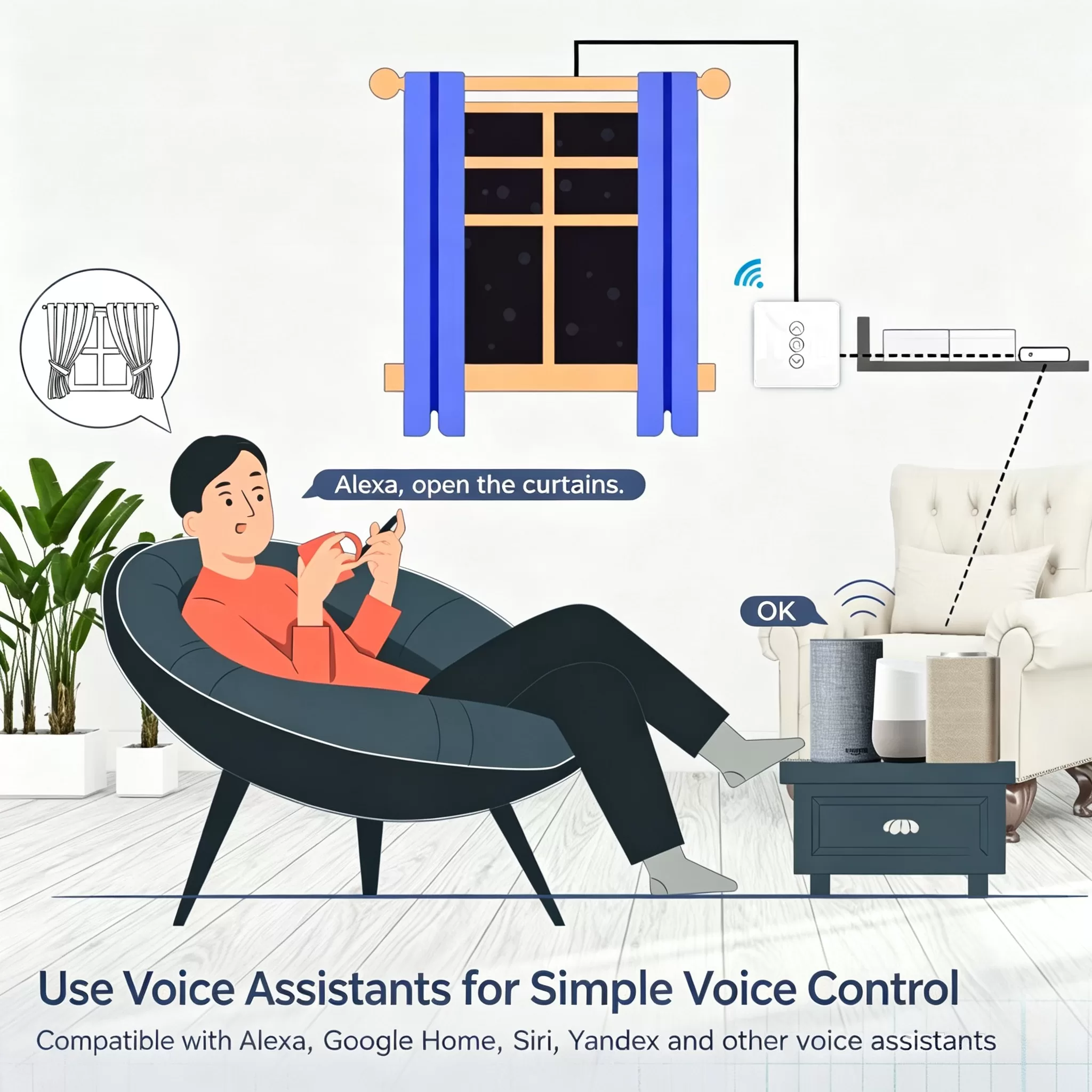
In addition, Modern consumers expect voice control, and Tuya delivers full compatibility with Amazon Alexa, Google Assistant and Apple HomeKit. For example, Whether your customer says “Hey Google, turn off the living room lights” or uses Siri shortcuts, a wifi smart switch from the Tuya ecosystem responds instantly. This level of integration adds premium value without premium pricing.

Key Features of Tuya-Enabled Smart Light Switches

However, Not all smart switches are created equal. Tuya-certified switches come with a standardized feature set that ensures quality and consistency across different manufacturers — a critical advantage for wholesale buyers sourcing from multiple suppliers.

App Remote Control from Anywhere

Therefore, With a Tuya smart light switch, users can control their lights from anywhere in the world via smartphone. In addition, Forgot to turn off the lights before leaving home? A simple tap on the app solves it. For B2B clients targeting rental properties, offices, and hospitality, remote management is a game-changing feature that justifies higher price points. Tuya 2MP/4MP Indoor PTZ Smart Camera: 360 Panoramic Home Monitoring Made Simple Smart Home Starter Guide 2026: How to Build Your First Connected Home

Timing and Scheduling Functions

Scheduling capabilities go far beyond simple on/off timers. Tuya switches support sunrise/sunset schedules, countdown timers, and random vacation modes that simulate occupancy. Moreover, These features appeal to security-conscious homeowners and energy-conscious businesses alike, expanding your target market reach.

Group Control and Scene Automation

One of the most powerful selling points is scene automation. Users can create “Movie Night” scenes that dim the lights, “Morning” scenes that gradually brighten the bedroom, or “Away” scenes that secure the entire home. When you buy tuya smart switch products in bulk, you can create curated scene bundles that increase average order value.

Wholesale and Bulk Sourcing Advantages

For B2B buyers, the economics of smart switches matter as much as the features. Furthermore, Tuya’s platform-based approach creates unique wholesale advantages that traditional proprietary systems cannot match.

Cost-Effective Bulk Pricing

Because Tuya standardizes the smart module and firmware, manufacturers can focus on hardware design and quality, driving down per-unit costs. When you source wifi smart switch products in bulk, you benefit from economies of scale that translate to 30-50% lower costs compared to branded alternatives. This margin advantage is critical for competitive retail and distribution businesses.

OEM and Private Label Opportunities

One of the biggest advantages of Tuya’s ecosystem is the robust OEM and private label program. As a result, Many Tuya partner factories offer full white-label services, including custom packaging, branded apps, and even custom firmware features. For businesses looking to build their own smart home brand, Tuya smart switch OEM options reduce time-to-market from years to months.

Low Minimum Order Quantities

Unlike major brands that require large minimum orders, many Tuya switch manufacturers offer MOQs as low as 100-500 units for OEM projects. This accessibility makes it possible for small and medium B2B businesses to enter the smart home market without massive upfront investment. Importantly, As your volume grows, unit pricing decreases further, creating a scalable growth path.

Product Varieties to Stock

The Tuya smart switch category is remarkably diverse. Smart wholesalers curate their inventory to match different customer segments and installation requirements.

By Switch Type

From basic 1-gang touch switches to 4-gang models with dimmer and curtain controls, the variety is extensive. Touch panel switches with glass panels appeal to modern homeowners. Meanwhile, traditional button-style switches target budget-conscious buyers. Notably, Dimmer switches, fan speed controllers, and curtain motor switches each serve specific niches with higher profit margins.

By Wiring Requirement

Neutral wire vs. no-neutral wire is a critical distinction. While neutral-wire switches are more stable and feature-rich, no-neutral (capacitor) versions are essential for retrofitting older homes. A complete smart light switch product line should include both options to serve new construction and renovation markets alike.

By Protocol Type

WiFi switches are the most popular for their simplicity, but Zigbee and Bluetooth Mesh options serve different use cases. However, Zigbee switches require a hub but offer better battery life for wireless switches and stronger mesh networking for large installations. Offering all three protocols positions you as a full-solution provider.

Quality Assurance and Certification

When buying smart switches in bulk, quality and compliance are non-negotiable. Tuya’s platform includes built-in quality standards, but responsible wholesalers perform additional due diligence.

Safety Certifications

Top Tuya switch manufacturers hold certifications including CE, FCC, RoHS, and for specific markets, UL and SAA. Therefore, Always verify that the products you source carry the appropriate certifications for your target market. Non-compliant products risk customs seizures, liability claims, and reputational damage.

Warranty and After-Sales Support

Reliable suppliers offer 1-2 year warranties on Tuya smart switch products. Look for factories that provide technical documentation, replacement policies, and firmware update support. For example, For B2B buyers serving commercial clients, extended warranty options and dedicated account management can be key differentiators when choosing a supplier.

Conclusion

The tuya smart switch market continues to grow rapidly, driven by consumer demand for affordable, interoperable smart home solutions. For B2B wholesale buyers, Tuya-enabled switches offer unmatched versatility, competitive pricing, and extensive OEM possibilities. Whether you are building a private label brand or expanding your smart home product lineup, Tuya smart switches should be a cornerstone of your inventory strategy.

Related Articles

You Might Also Like
Frequently Asked Questions

Is Tuya Switch Wholesale B2b worth buying?

Based on the breakdown in this article, Tuya Switch Wholesale B2b offers a solid mix of features and value. If your main goal matches the key benefits described above, it is a practical choice for everyday use.

How do I choose the right tuya switch wholesale b2b for my needs?

Start with your core use case, then compare battery life, compatibility, and build quality as covered above. Choosing the right tuya switch wholesale b2b comes down to matching specs with how you actually use it.

Does tuya switch wholesale b2b require a companion app?

Most devices of this type pair with a free companion app for setup and firmware updates. A few advanced features may sit behind a paid plan, so check the official specs page before buying.