Posted on — Leave a comment

Outdoor Security Camera Bulk Sourcing: Complete B2B Wholesale Guide

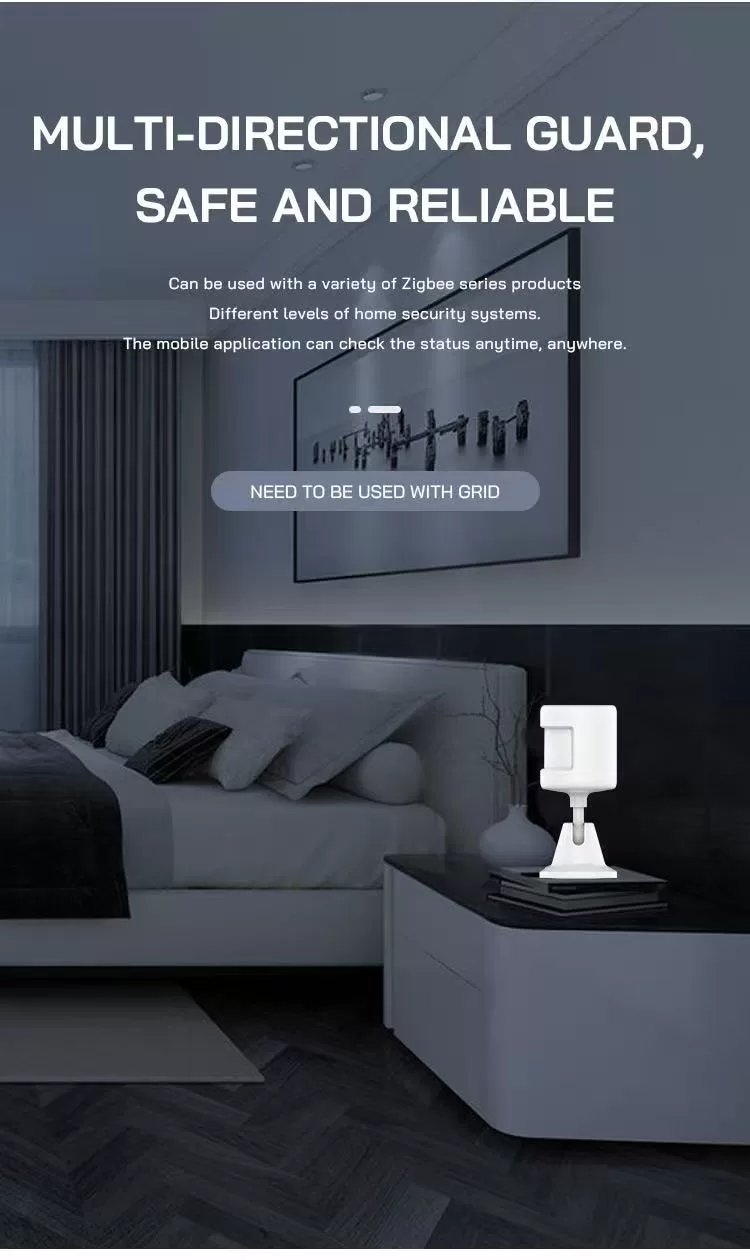
Solar Motion Sensor Wall Light Outdoor LED Street Lamp Waterpr... - view 5

Outdoor Security Camera Bulk Sourcing: Complete B2B Wholesale Guide

However, The outdoor security camera is the workhorse of the surveillance industry. Outdoor cameras bear the brunt of weather, vandalism, and extreme conditions. Meanwhile, providing the critical perimeter protection that Homes. Therefore, And businesses depend on. The global outdoor surveillance market is valued at over $30 billion and growing rapidly as security concerns intensify and camera technology improves. For example, Therefore, For B2B wholesalers and security integrators, outdoor cameras represent one of the largest and most profitable product categories.

Why Outdoor Security Cameras Are Essential

Therefore, Outdoor cameras are the First line of defense for any property. Understanding their value helps you sell more effectively to your customers.

Visible Deterrent Effect

Moreover, The mere presence of outdoor security cameras is one of the most effective crime deterrents available. In addition, Studies consistently show that properties with visible surveillance cameras are significantly less likely to be targeted by burglars, vandals, and package thieves. For example, A surveillance camera mounted prominently near entrances sends a clear message that the property is protected. Moreover, For both residential and commercial customers, the deterrent value alone justifies the investment. Smart Sensors Buying Guide: How to Make Your Home Feel Its Environment

Evidence and Remote Monitoring

In addition, When incidents occur, outdoor camera footage is invaluable for police investigations, insurance claims, and legal proceedings. Modern outdoor WiFi cameras let users monitor their property from anywhere via Smartphone — whether checking on a home. Furthermore, Meanwhile, on vacation, monitoring a business after hours, or overseeing a construction site. Smart Lighting Complete Guide: From Color Temperature to Automation Scenes

Critical Features for Outdoor Surveillance

For example, Outdoor cameras have specific requirements that indoor cameras do not. In addition, These are the features that matter most.

Weather Resistance and Durability

Consequently, The most fundamental requirement for an outdoor security camera is weather resistance. Look for IP66 or IP67 ingress protection ratings — IP66 means dust-tight. As a result, And protected against powerful water jets. Operating temperature range is also important: quality cameras handle -20 to 60 degrees Celsius. Moreover, For coastal or industrial environments, look for corrosion-resistant materials. Importantly, Metal (aluminum) housings are more durable than plastic but add cost.

Night Vision Performance

Most security-relevant events happen at night, making night vision the most critical performance specification. Look for effective IR range (20-80m for bullet cameras), quality IR LED array design and Smart IR technology that prevents overexposure of close objects. Notably, Furthermore, Premium cameras offer Color Night Vision using starlight sensors or white light illuminators. Night vision quality is the feature that most differentiates budget from premium outdoor cameras.

Video Quality and Intelligent Detection

1080p is the minimum resolution for outdoor cameras, but 4MP (2K) and 5MP are rapidly becoming mainstream. 4K represents the premium tier. However, AI-powered detection features have become essential: PIR + AI human/vehicle detection dramatically reduces false alerts. As a result, Advanced features include line crossing detection, area intrusion detection, and face recognition. Therefore, AI features add significant value and justify premium pricing.

Outdoor Camera Types and Applications

Outdoor security cameras come in several form factors, each suited to different applications.

Bullet and Turret Cameras

Bullet cameras are the classic outdoor security camera — cylindrical, wall-mounted, and easily visible. Their shape allows for longer-range lenses and more IR LEDs, making them best for long-distance perimeter monitoring. For example, Importantly, Bullet cameras are also the most effective visual deterrent. Turret (eyeball) cameras have a ball-and-socket design for easy angle adjustment and are more discreet — popular for residential installations where aesthetics matter.

PTZ and Specialty Cameras

PTZ (Pan-Tilt-Zoom) cameras offer 360-degree coverage with zoom capability — ideal for large properties, parking lots, and warehouses, with premium pricing. In addition, And margins. Specialty types include floodlight cameras with motion-activated lights and sirens, wire-free battery cameras, solar-powered cameras for off-grid locations and LPR (license plate recognition) cameras — all with less competition and higher margins.

Connectivity: WiFi vs. Moreover, Notably, PoE vs. Wireless

Outdoor cameras use different connectivity technologies, each with tradeoffs.

WiFi Outdoor Cameras

WiFi is the most popular connectivity type for residential and small business outdoor cameras. Furthermore, WiFi cameras are easy to install — just mount and connect to WiFi. However, The main limitation is WiFi signal strength at outdoor locations. This may be far from the router. As a result, Look for cameras with external WiFi antennas for better range. WiFi outdoor cameras are ideal for DIY installations and locations where running cable is impractical.

PoE and Wire-Free Cameras

PoE cameras receive both power and data through a single Ethernet cable — the standard for professional installations. Importantly, Therefore, PoE offers more reliable connections, higher bandwidth, and simpler cable management. Wire-free battery-powered cameras offer ultimate installation flexibility with no wiring required. Notably, Battery life ranges from 2-6 months, with solar panels extending life indefinitely. For example, Wire-free cameras command premium pricing for their convenience.

Bulk Sourcing and Supplier Selection

Choosing the right outdoor camera suppliers is critical — quality failures in outdoor environments are expensive and damage reputations.

Quality Evaluation Checklist

When evaluating suppliers, assess: weather sealing quality (gasket vs. glue), housing material (aluminum vs. plastic), lens quality (glass vs. plastic), sensor brand, IR LED quality and arrangement, WiFi chipset and antenna design, firmware stability. However, And factory quality control processes. Always order samples and test them outdoors in real weather conditions for 2-4 weeks before placing bulk orders.

Pricing and Volume Tiers

Entry-level 1080p WiFi bullet: $18-28 at 100-unit MOQ, $12-20 at 2,000+ volume. Mid-range 2K/4MP WiFi outdoor: $25-40 at MOQ, $20-30 at volume. Therefore, In addition, Premium 4MP/5MP PoE bullet: $35-55 at MOQ, $28-42 at volume. High-end 4K PoE with AI: $50-80 at MOQ, $40-65 at volume. PTZ cameras: $50-150+ depending on zoom and resolution. For example, Moreover, Margins of 30-50% are typical for well-sourced outdoor cameras.

Why Tuya-Enabled Outdoor Cameras

Tuya-platform outdoor cameras offer distinct advantages: proven app and cloud reliability with global infrastructure, seamless integration with other Tuya Smart devices, regular firmware updates, voice assistant compatibility, and extensive OEM/private label support. For wholesalers, Tuya reduces risk by providing a standardized, high-quality platform. In addition, Meanwhile, allowing you to source from multiple manufacturers for the best price and product mix.

OEM and Brand Building

Building your own outdoor security camera brand is one of the most profitable long-term strategies.

Getting Started with OEM

With Tuya-based manufacturers, OEM is surprisingly accessible. Basic private labeling — logo printing + custom retail packaging — typically requires only 500-unit MOQ. Moreover, And adds $2-5 per unit. Furthermore, This modest investment allows you to build brand identity, control pricing, and prevent direct comparison with identical competing products. Furthermore, For outdoor cameras, custom laser engraving is more durable than printed logos for weather exposure.

Packaging and Complete Product Lines

Outdoor camera packaging should emphasize durability, weather resistance, and security features. Use professional product photography, clear IP rating claims. As a result, And installation scenario images. As a result, Once your outdoor camera line is established, expand into complementary products: indoor cameras, NVR systems, PoE switches, mounting brackets, and cable accessories. Importantly, A complete product line increases customer loyalty, average order value, and competitive barriers.

Conclusion

The outdoor security camera market is a large, growing, and profitable category for B2B wholesalers who source quality products strategically. Notably, Success requires understanding the different camera types, evaluating critical features like weather resistance and night vision, selecting reliable Tuya-platform suppliers, and pricing products appropriately for healthy margins. Importantly, Whether you focus on residential WiFi cameras, commercial PoE systems, or a complete product line, the keys to success are consistent quality, competitive pricing. However, And strong after-sales support.

Related Articles

You Might Also Like

Outdoor camera models available for wholesale

These are the outdoor units we run as repeat production lines, which is what matters for container orders: stable firmware, fixed housing tooling and consistent lead times.

Frequently Asked Questions

Is Outdoor Security Camera Bulk worth buying?

Based on the breakdown in this article, Outdoor Security Camera Bulk offers a solid mix of features and value. If your main goal matches the key benefits described above, it is a practical choice for everyday use.

How do I choose the right outdoor security camera bulk for my needs?

Start with your core use case, then compare battery life, compatibility, and build quality as covered above. Choosing the right outdoor security camera bulk comes down to matching specs with how you actually use it.

Does outdoor security camera bulk require a companion app?

Most devices of this type pair with a free companion app for setup and firmware updates. A few advanced features may sit behind a paid plan, so check the official specs page before buying.
Posted on — Leave a comment

Smart Pet Feeder Bulk Sourcing: Building a Profitable Smart Pet Care Business

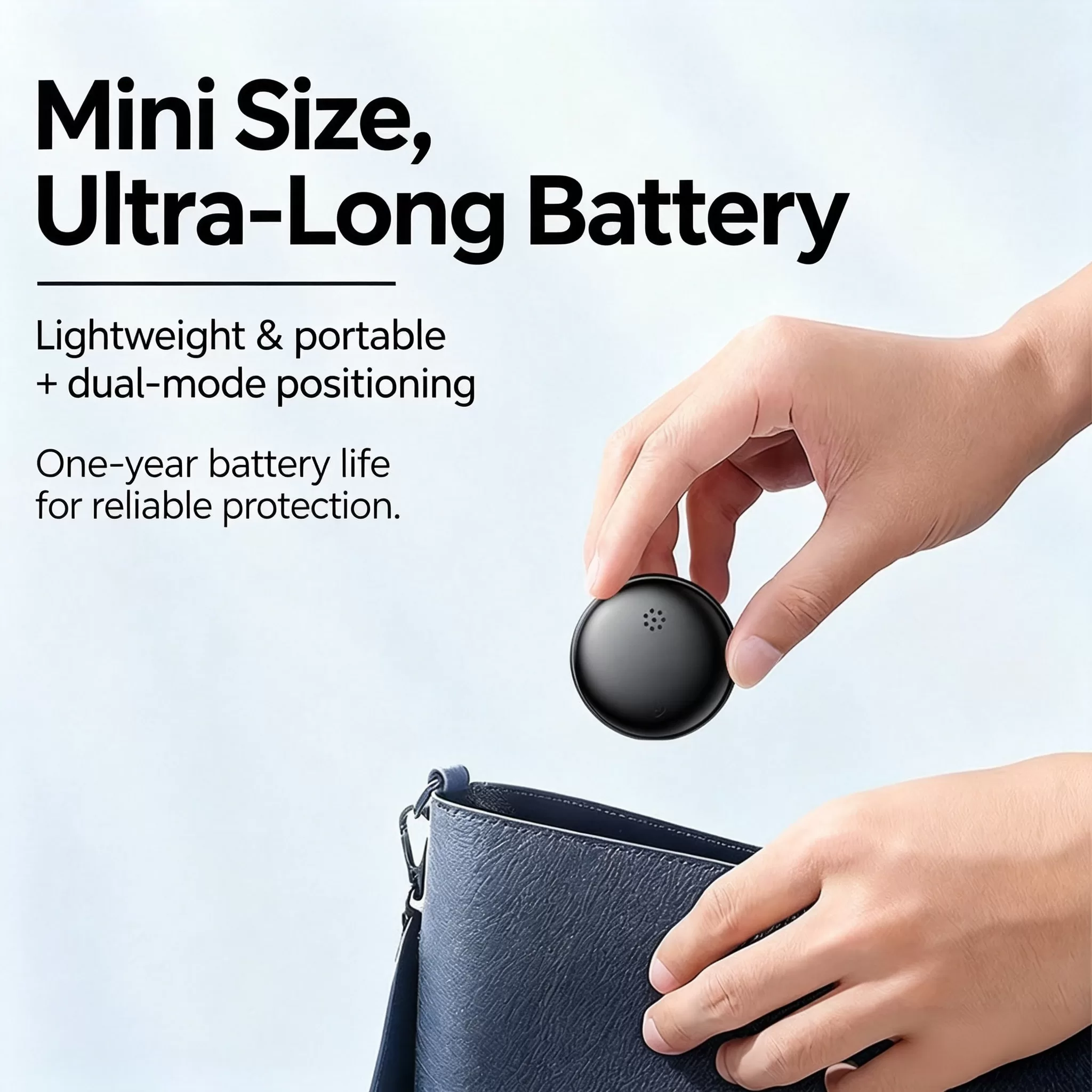
Smart Anti-Lost Tracker - Apple Find My & Android Find My Devi... - view 4

Smart Pet Feeder Bulk Sourcing: Building a Profitable Smart Pet Care Business

However, The Smart Pet feeder category is one of the fastest-growing segments in the $300+ billion global pet care industry. As pet owners increasingly embrace technology to care for their furry companions, demand for WiFi-connected feeding solutions continues to surge. For B2B wholesalers, distributors, and entrepreneurs, this presents a golden opportunity to build a profitable product line serving the booming pet tech market. Therefore, Therefore, This comprehensive guide covers everything you need to know about sourcing Smart pet feeders in bulk.

The Smart Pet Feeder Market Opportunity

Therefore, The smart pet feeder market is not just growing — it is evolving rapidly, creating new opportunities for forward-thinking wholesalers.

Explosive Market Growth

Moreover, The global smart pet feeder market is projected to grow at a CAGR of 12-15% through 2028, reaching $1.5 billion by the end of the decade. This growth is fueled by rising pet ownership, increasing disposable income, and the proliferation of smart home technology. For example, A Tuya-based smart pet feeder sits at the intersection of these trends, making it one of the most promising product categories in pet tech.

Shifting Consumer Expectations

In addition, Today’s pet owners expect more from pet products than ever before. For example, They want connectivity, data insights, and the ability to interact with their pets remotely. A basic gravity feeder no longer satisfies the modern pet parent. In addition, They want app control, video monitoring, health tracking, and seamless integration with their existing smart home devices. In addition, Meeting these expectations with quality Tuya-powered feeders drives customer satisfaction and repeat business. Smart Lighting Complete Guide: From Color Temperature to Automation Scenes

Recurring Revenue Potential

For example, Smart pet feeders can generate recurring revenue through accessory sales (desiccant packs, replacement bowls), food subscriptions. Moreover, And cloud storage plans for camera-equipped models. For B2B wholesalers, this means each customer has ongoing value beyond the initial purchase. Tuya 4MP 2K HD Indoor Smart Camera: Color Night Vision for Family and Pet Monitoring Home Security Systems Explained: 5 Essential Devices to Protect Your Family

Core Features of Modern Smart Pet Feeders

Consequently, Understanding the feature landscape helps you select products that will sell well and keep customers happy. Tuya 2MP/4MP Indoor PTZ Smart Camera: 360 Panoramic Home Monitoring Made Simple

Smart Feeding Scheduling

At its core, a smart pet feeder must deliver reliable scheduled feeding with precise portion control. Furthermore, The best Tuya-powered feeders support 6-12 meals per day with portion sizes adjustable in 1-10 gram increments. Moreover, Flexible scheduling and slow feed modes (for fast-eating dogs prone to bloat) add value.

HD Camera with Pet Monitoring

Camera-equipped smart pet feeders are the premium growth engine of the category. The ability to see and talk to pets remotely is emotionally compelling for pet owners. As a result, And justifies significantly higher pricing. Look for 1080p HD resolution, 130+ degree wide-angle lenses, night vision, motion detection alerts, and two-way audio with noise cancellation. Importantly, Furthermore, Some Tuya pet feeder models even offer AI-powered pet detection and auto-photo/video capture of pet activity.

Food Management and Freshness

Quality feeders feature airtight hopper seals, built-in desiccant holders, and food-grade materials to keep kibble fresh and crunchy. Notably, Hopper sizes range from 3L (for cats and small dogs) to 6L+ (for large dogs or multi-pet households). Low food sensors with app alerts prevent running out unexpectedly. As a result, Lockable lids keep determined pets from raiding the food supply — a surprisingly important feature for dog owners.

Choosing the Right Supplier

The supplier you choose determines your product quality, pricing. However, And ultimately your business success. Here is what to look for.

Tuya Platform Advantages

Sourcing Tuya-enabled feeders offers several advantages over proprietary alternatives: proven app quality with millions of users, regular firmware updates, global cloud infrastructure, voice assistant integration (Alexa, Google Home), and ecosystem compatibility with thousands of other smart devices. Therefore, Tuya-certified factories have already met platform quality standards, reducing your quality assurance burden.

Quality and Compliance

Pet feeders come into contact with food, making food safety compliance critical. Importantly, Look for FDA and LFGB food contact material certifications. Electronic safety certifications (CE, FCC, RoHS) are also essential. For example, Reputable manufacturers will provide test reports, certification documents, and sample products for evaluation. Notably, Visit factories in person or use third-party inspection services for large orders to verify quality standards.

After-Sales Support and Warranty

Good suppliers stand behind their products. In addition, Look for 12-24 month warranties, responsive technical support, replacement part availability, and clear return policies. For smart products, firmware update support is particularly important — a supplier that stops updating the firmware leaves you with obsolete inventory. Moreover, However, The best suppliers offer dedicated account managers for B2B wholesale clients and work with you to resolve quality issues promptly.

Bulk Pricing and Profit Maximization

Understanding pricing dynamics and optimizing your margin structure is essential for a profitable smart pet feeder business.

Cost Breakdown Analysis

A typical smart pet feeder’s cost breaks down as: electronics (WiFi module, motor, sensors, camera if applicable) 40-50%, mechanical components (hopper, auger, bowl) 20-25%, power supply and accessories 5-10%, packaging 5-10%. Furthermore, And factory overhead/profit 15-20%. Understanding these cost components helps you evaluate whether a supplier’s quote is reasonable and where cost optimization might be possible without sacrificing quality.

Volume Pricing Tiers

Bulk pricing for smart pet feeder products scales significantly with volume. As a result, A basic WiFi feeder might cost $28 at 100 units, $22 at 500 units, $18 at 2,000 units and $15 at 10,000 units. Therefore, Camera-enabled models might go from $55 at 100 units to $38 at 5,000 units. Importantly, The biggest price drops occur between 500 and 2,000 units — often the sweet spot for established wholesalers where per-unit cost is competitive without requiring massive upfront investment.

Margin Optimization Strategies

Successful wholesalers use multiple strategies to maximize margins: bundling feeders with accessories (spare bowls, desiccant packs, power adapters) at a package price, creating tiered product lines (good/better/best) to capture different price points, offering OEM/private label versions at premium pricing for brand-conscious customers, and negotiating better payment terms (net-30, net-60) to improve cash flow. Target gross margins of 30-50% are realistic for well-sourced smart pet feeders.

Expanding Beyond Feeders: The Smart Pet Ecosystem

Smart pet feeders are just the beginning. Notably, For example, The Tuya ecosystem enables you to build an entire smart pet product catalog.

Complementary Products to Add

Once you have established your feeder line, consider adding: smart water fountains (filter drinking water with app monitoring), pet Cameras (separate from feeders for whole-room monitoring), GPS pet trackers (collar-mounted location tracking), smart pet doors (microchip-activated access control), and smart aquarium controllers (for fish owners). All these products can be Tuya-based, meaning they work with the same app. However, And can all carry your brand.

Cross-Selling and Bundling Strategies

Create product bundles that increase average order value: “Pet Starter Kit” with a feeder + water fountain + pet camera, “Travel Kit” with a feeder + GPS tracker + extra battery. Bundle pricing offers customers a discount compared to buying separately. Meanwhile, increasing your total revenue per customer. Therefore, In addition, For B2B retail clients, pre-assembled display bundles with POP (point of purchase) materials make it easy for them to sell your products.

Conclusion

The smart pet feeder market is a high-growth, high-margin opportunity for B2B wholesalers who source wisely and build strategically. By focusing on Tuya-enabled feeders for quality and ecosystem compatibility, carefully selecting reliable suppliers, optimizing pricing and margins. For example, And expanding into complementary smart pet products, you can build a thriving business in the booming pet tech industry. The key to long-term success is combining competitive pricing with consistent quality, innovative features, and strong brand building.

Related Articles

You Might Also Like
Frequently Asked Questions

Is Pet Feeder Bulk Sourcing worth buying?

Based on the breakdown in this article, Pet Feeder Bulk Sourcing offers a solid mix of features and value. If your main goal matches the key benefits described above, it is a practical choice for everyday use.

How do I choose the right pet feeder bulk sourcing for my needs?

Start with your core use case, then compare battery life, compatibility, and build quality as covered above. Choosing the right pet feeder bulk sourcing comes down to matching specs with how you actually use it.

Does pet feeder bulk sourcing require a companion app?

Most devices of this type pair with a free companion app for setup and firmware updates. A few advanced features may sit behind a paid plan, so check the official specs page before buying.
Posted on — Leave a comment

Wireless Doorbell Camera Bulk Buying Guide: Profitable B2B Sourcing Strategies

Tuya Smart WiFi Curtain Switch | 2.5D Arc Glass | Touch | App ... - view 4

Wireless Doorbell Camera Bulk Buying Guide: Profitable B2B Sourcing Strategies

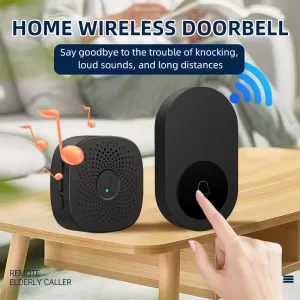
However, The wireless doorbell Camera has revolutionized Home Security by making video doorbells accessible to everyone — renters, Homeowners, and businesses alike. With no wiring required and installation taking less than five minutes, these devices have become the fastest-growing segment of the Smart doorbell market. Therefore, For B2B wholesalers, distributors, and retailers, wireless doorbell cameras offer high volume, strong margins, and tremendous upsell potential across the Smart home security ecosystem.

The Rise of Wireless Video Doorbells

Therefore, Wireless doorbell cameras have overtaken wired models in consumer popularity. Therefore, Understanding why helps you position your wholesale inventory for maximum sales.

DIY Installation Revolution

Moreover, The biggest advantage of a wireless doorbell is the elimination of wiring. For example, Renters can install a wireless doorbell camera without drilling holes or modifying their apartment. Homeowners with no existing doorbell wiring can add Smart security without hiring an electrician. For example, This DIY accessibility expands the addressable market from homes with doorbell wiring to every household with a front door.

Battery Technology Advancements

In addition, Early wireless doorbells suffered from short battery life. In addition, And frequent charging — but modern models have solved this problem. With efficient power management, low-power WiFi chips, and PIR wake-up systems, today’s battery doorbells last 3-6 months on a single charge. Some models include removable batteries for quick swapping without taking the doorbell offline. Moreover, And solar panel accessories extend battery life indefinitely. Smart Lighting Complete Guide: From Color Temperature to Automation Scenes

Smart Home Ecosystem Integration

For example, Wireless doorbells from the Tuya ecosystem integrate seamlessly with thousands of smart devices, creating a complete home security solution. In addition, A tuya video doorbell works with smart locks (unlock remotely), security cameras (multi-camera viewing), alarm systems (trigger alarms), and smart lighting (turn on lights when motion detected). Furthermore, This ecosystem synergy increases customer value and creates cross-selling opportunities for wholesalers.

Technical Specifications to Evaluate

Consequently, When sourcing wireless doorbell cameras in bulk, these technical details separate quality products from cheap alternatives that will damage your reputation. Smart Home Starter Guide 2026: How to Build Your First Connected Home

Battery Capacity and Life

Battery capacity is measured in mAh, with typical ranges from 4,000 to 10,000 mAh. But capacity alone does not determine battery life — power management is equally important. Moreover, Look for specified standby time (60-180 days is standard). As a result, And number of activations per charge (500-2,000 events). Real-world battery life varies based on motion frequency, WiFi signal strength, and temperature, so conservative estimates are more reliable.

Video Quality and Field of View

1080p Full HD is the current standard for mid-range wireless doorbells, with 2K gaining ground in premium models. Importantly, Look for HDR (High Dynamic Range) for balanced exposure in bright and dark areas and WDR (Wide Dynamic Range) for backlit situations. Furthermore, Field of view is important too — 120-150 degrees horizontal is ideal for seeing packages. Notably, And visitors, while fisheye 180-degree views may distort images at the edges.

WiFi Reliability and Range

Wireless doorbells rely on WiFi, and the doorbell’s location (near the front door, often far from the router) can challenge WiFi connectivity. Quality products include WiFi signal strength indicators and support 2.4GHz WiFi (which has better range than 5GHz). However, Some premium models support dual-band WiFi. As a result, A doorbell with poor WiFi connectivity leads to frozen video, delayed notifications, and unhappy customers.

Bulk Pricing and Profit Margins

Understanding pricing dynamics. Therefore, And margin structures is essential for running a profitable wireless doorbell wholesale business.

Pricing Tier Structure

Wireless doorbell camera pricing breaks down into clear tiers: Budget 720p models ($10-18 at MOQ, $8-12 at volume), mainstream 1080p with PIR detection ($15-25 at MOQ, $12-18 at volume), premium 1080p with AI detection and app ecosystem ($20-35 at MOQ, $16-25 at volume), and high-end 2K with solar panel options ($30-50 at MOQ, $25-38 at volume). Most wholesale businesses find the best balance in the mainstream. For example, And premium tiers.

Margin Calculation Considerations

Calculating margin involves more than purchase price minus sale price. Factor in: shipping costs (air vs. sea), customs duties and taxes, packaging costs, expected return rate, warranty replacement costs, and payment processing fees. In addition, Importantly, A doorbell that costs $15 per unit might actually cost $18-20 landed. Successful wholesalers target 30-50% gross margins on smart doorbell camera products to cover these expenses and generate net profit.

Volume Discount Structures

Suppliers typically offer tiered pricing: 100-499 units (base price), 500-999 units (5-10% discount), 1,000-4,999 units (10-20% discount), 5,000+ units (20-30% discount). Moreover, The largest discounts come at container volume when sea freight becomes viable. Notably, For high-volume buyers, the savings from container shipping can add 10-15% to margins compared to air freight for smaller quantities.

Accessories and Upsell Opportunities

Wireless doorbell cameras have a rich accessory ecosystem that increases average order value and customer lifetime value.

Solar Panels and Chargers

Solar panel accessories are high-margin add-ons that solve the biggest wireless doorbell concern: battery life. Furthermore, A $5-8 wholesale solar panel can retail for $20-30, delivering excellent margins. Some doorbell models have integrated solar, while others use detachable panels. However, Offering solar panels as bundle options increases per-order value. As a result, And reduces customer churn from battery frustration.

Chimes and Ding-Dong Receivers

Many wireless doorbells include an indoor chime receiver, but some do not. Additional chimes for larger homes, plug-in chime extenders and WiFi chimes are popular add-ons. Importantly, Chime accessories typically have 40-60% margins and are lightweight, inexpensive to ship items that customers are happy to add to their order.

Mounts and Installation Accessories

Angle mounts (for adjusting doorbell viewing angle), anti-theft mounts, adhesive mounts (no-drill installation), and extension wire kits are all popular accessories. Therefore, These low-cost, high-margin items solve specific customer problems. Notably, And are easy impulse purchases. For wholesalers, pre-bundling popular accessories with doorbells increases perceived value and average order size.

OEM and Private Label Program

Building your own wireless doorbell camera brand is a powerful way to differentiate from competitors. However, And build long-term value.

Getting Started with OEM

The Tuya ecosystem makes OEM surprisingly accessible. Basic OEM — logo printing on the doorbell and custom retail packaging — typically requires only 500-unit MOQ and adds $1-3 per unit to the cost. Therefore, For example, This modest investment allows you to build your own brand identity, control pricing, and prevent direct price comparison with identical products sold by competitors.

Branded App Options

For more advanced OEM programs, Tuya offers white-label app solutions. You can launch your own branded smart home app with your logo, color scheme. For example, And feature selection — without developing everything from scratch. This creates a completely branded customer experience that builds loyalty and allows you to cross-sell other Tuya-based products under your own brand name.

Custom Packaging and Marketing

Invest in professional retail packaging that stands out on store shelves. In addition, And online marketplaces. In addition, Include lifestyle images, clear feature icons, QR code setup guides, and warranty information. Moreover, For B2B clients like security companies and property managers, create custom marketing materials and bulk packaging options. The right packaging dramatically increases perceived value and supports higher retail pricing.

Conclusion

The wireless doorbell camera market is one of the fastest-growing segments in smart home security. Furthermore, And the opportunity for B2B wholesale buyers is enormous. Moreover, Success requires selecting quality products from reliable suppliers, understanding technical specifications to avoid pitfalls, pricing strategically for healthy margins, and leveraging accessories and OEM branding to maximize profitability. As a result, With the right approach, wireless doorbell cameras can become the cornerstone of a thriving smart home security wholesale business.

Related Articles

You Might Also Like
Frequently Asked Questions

Is Wireless Doorbell Camera Bulk worth buying?

Based on the breakdown in this article, Wireless Doorbell Camera Bulk offers a solid mix of features and value. If your main goal matches the key benefits described above, it is a practical choice for everyday use.

How do I choose the right wireless doorbell camera bulk for my needs?

Start with your core use case, then compare battery life, compatibility, and build quality as covered above. Choosing the right wireless doorbell camera bulk comes down to matching specs with how you actually use it.

Does wireless doorbell camera bulk require a companion app?

Most devices of this type pair with a free companion app for setup and firmware updates. A few advanced features may sit behind a paid plan, so check the official specs page before buying.
Posted on — Leave a comment

WiFi Smart Switch Bulk Sourcing: How to Build a Profitable Smart Home Product Line

Zigbee PIR Motion Sensor - Smart Home Security | Xingliao - view 4

WiFi Smart Switch Bulk Sourcing: How to Build a Profitable Smart Home Product Line

However, The wifi Smart switch is the backbone of the consumer smart home market. Unlike hub-dependent alternatives, WiFi switches offer plug-and-play simplicity that drives mass adoption. For B2B wholesalers, distributors, and retailers, this category delivers consistent volume, healthy margins. Therefore, And endless upsell opportunities. Therefore, This guide covers everything you need to know about sourcing WiFi Smart switches in bulk and building a profitable product portfolio.

Why WiFi Smart Switches Dominate the Market

Therefore, WiFi consistently outperforms other Smart home protocols in consumer adoption. For example, And for good reasons that directly benefit wholesale buyers. F6 3-Axis Gimbal Stabilizer, Handheld Smartphone Gimbal for Smooth Video

No Hub Required

Moreover, The single biggest advantage of a WiFi-based smart light switch is that it works with any standard home WiFi network. Consumers do not need to purchase additional hardware, download specialized apps, or hire professional installers. This zero-barrier entry point means your marketing message is simpler, your returns are lower. In addition, And your addressable market is larger than with hub-dependent protocols. KT08 Cartoon Selfie Stick 90cm, Cute Extendable Phone Selfie Stick Tripod

Direct Cloud Connectivity

In addition, WiFi switches connect directly to cloud services, enabling instant remote access from anywhere in the world. For example, Users can check status, control devices, and receive notifications without needing a local hub or gateway always online. Tuya-powered Tuya Smart switch products leverage global cloud infrastructure with 99.9% uptime, ensuring reliable performance that keeps customers satisfied. Smart Lighting Complete Guide: From Color Temperature to Automation Scenes

Familiar Setup Process

For example, Most consumers already know how to connect devices to their WiFi network. Moreover, The familiar 2.4GHz WiFi pairing process reduces support calls and setup frustration. In addition, With Tuya’s EZ mode pairing, users can complete setup in under 30 seconds — a critical factor for positive customer reviews and repeat business. Tuya 4MP 2K HD Indoor Smart Camera: Color Night Vision for Family and Pet Monitoring F10 3-Axis Gimbal Stabilizer, Handheld Smartphone Stabilizer for Smooth Video Recording

Technical Specifications to Evaluate

Consequently, When comparing wholesale WiFi smart switch suppliers, these technical specifications separate quality products from budget alternatives. Tuya 2MP/4MP Indoor PTZ Smart Camera: 360 Panoramic Home Monitoring Made Simple

WiFi Chipset Quality

The chipset determines reliability, WiFi range. Furthermore, And stability. Top-tier switches use chips from manufacturers like Espressif (ESP8266/ESP32), Realtek, or Tuya’s own TYWE series. Cheaper alternatives may use unbranded chips that suffer from dropped connections, limited range. As a result, And security vulnerabilities. Moreover, Always ask suppliers about the specific chipset used.

Power Handling Capacity

A 10A rating is standard for basic light switches, but for higher-power applications or multi-gang switches, 16A is preferable. For commercial and industrial customers, look for 20A+ rated switches with heavy-duty relays. Importantly, The relay brand matters too — Omron, Songle and Hongfa are trusted names that justify a slightly higher cost.

Neutral Wire Requirements

WiFi switches traditionally required a neutral wire. This limits retrofit applications in older homes. Furthermore, However, newer no-neutral WiFi switches using capacitor-based power harvesting are entering the market. Notably, These typically have lower power handling and may require a minimum load (a bypass capacitor for LED bulbs), but they open up the massive renovation market. Consider stocking both neutral and no-neutral variants.

Bulk Pricing and MOQ Strategies

Understanding pricing tiers and minimum order quantities is crucial for maximizing your wholesale profit margins.

Pricing Tier Breakdown

WiFi smart switch pricing varies dramatically based on order volume. However, As a result, Entry-level 1-gang WiFi switches range from $3-5 per unit at MOQ (100-500 units), dropping to $2-3.50 at 5,000 units, and $1.50-2.50 at container volume (20,000+ units). Premium features like dimming, energy monitoring, or glass panels add $1-4 per unit. Understanding these price tiers helps you negotiate effectively. Therefore, And calculate your margins accurately.

MOQ Negotiation Tips

While published MOQs are often 500-1,000 units, many suppliers accept lower quantities for first-time orders to establish relationships. Importantly, Strategies for lowering MOQ include combining multiple SKUs to reach a total minimum, paying a small setup fee for custom packaging, or starting with a sample order of 20-50 units to test quality before committing to larger volumes.

Total Cost of Ownership

Per-unit cost is only part of the equation. Factor in shipping, customs duties, inspection fees, packaging costs. For example, And expected defect rates when calculating total landed cost. A slightly more expensive supplier with lower defect rates, faster shipping, and better communication often delivers better overall value than the cheapest option.

OEM and Private Label Opportunities

Building your own brand of WiFi smart switches is one of the most powerful strategies for long-term profitability. In addition, And customer loyalty.

Custom Branding Levels

OEM options range from simple logo printing on the switch and packaging (low MOQ, fast turnaround) to fully custom firmware and app branding (higher MOQ, development time). Notably, Many Tuya-based manufacturers offer three tiers: basic OEM (logo + custom box at 500+ units), advanced OEM (custom colors, manual, app name at 2,000+ units). Moreover, And full white label (branded app, cloud server at 10,000+ units).

Custom Packaging and Marketing Materials

Professional packaging significantly increases perceived value and retail price potential. Invest in high-quality retail boxes with clear product photography, feature lists. Furthermore, And QR codes for setup instructions. Include branded quick-start guides and warranty cards. However, For B2B clients like electricians and installers, consider contractor-friendly bulk packaging options that reduce per-unit packaging waste. As a result, And cost.

Branded App Development

For established brands, a white-labeled smart home app creates a completely branded customer experience. Tuya’s OEM app solution allows you to launch your own branded app with your logo, colors, and feature set, without building everything from scratch. Importantly, This is the ultimate differentiation strategy for wifi smart switch wholesalers looking to build lasting brand equity.

Inventory Management and SKU Selection

Smart inventory management ensures you have the right products available without tying up excessive capital in slow-moving stock.

Core SKUs to Stock

Start with your highest-turnover SKUs: 1-gang WiFi touch switch (white, glass panel), 2-gang WiFi touch switch, 1-gang WiFi dimmer switch and 1-gang WiFi switch with energy monitoring. Therefore, These four SKUs cover approximately 80% of residential customer needs. Notably, And provide a strong foundation for your product line.

Niche SKUs for Higher Margins

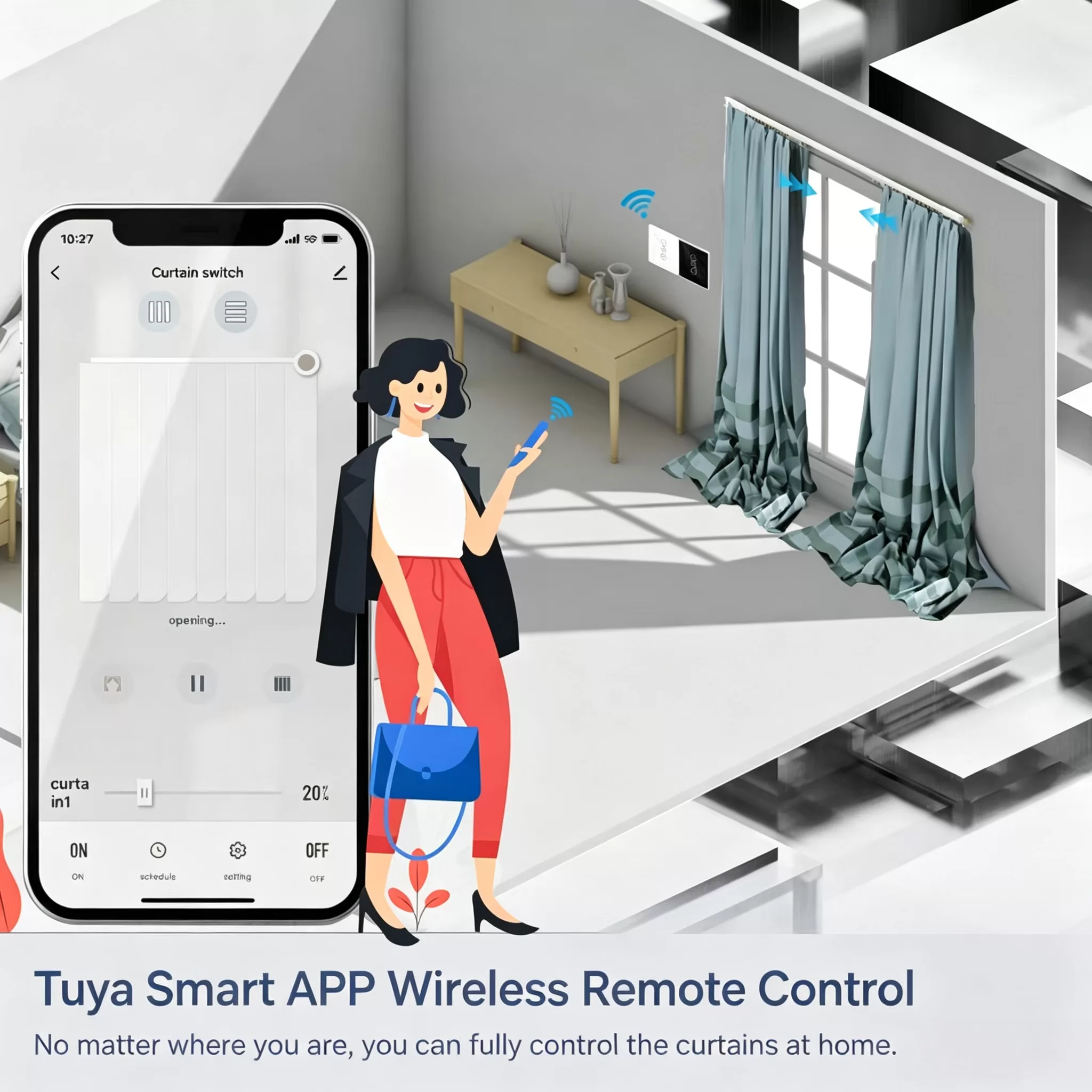
Once your core lineup is established, add higher-margin niche products: 3-gang and 4-gang switches for large rooms, fan speed controller switches, curtain/blind motor switches, water heater switches with timing functions and IP66-rated outdoor switches for garden and patio lighting. These niche products typically have 15-30% higher margins than standard switches.

Seasonal and Promotional Planning

Smart switch sales follow seasonal patterns with peaks before holiday seasons (Black Friday, Christmas, back-to-school). However, Plan your bulk orders 3-4 months in advance of peak seasons to ensure stock availability and lock in pricing. For example, Consider creating promotional bundles pairing switches with smart bulbs, plugs, or other Tuya ecosystem products to increase average order value.

Conclusion

The wifi smart switch market continues to grow at a rapid pace, driven by consumer demand for affordable, easy-to-use smart home solutions. Therefore, For B2B wholesale buyers, the keys to success are: selecting reliable Tuya-based suppliers, understanding technical specifications, negotiating favorable pricing and MOQ terms, and strategically building a product mix that serves multiple market segments. With the right approach, WiFi smart switches can become one of your most profitable product categories.

Related Articles

You Might Also Like
Frequently Asked Questions

Is Wifi Switch Bulk Sourcing worth buying?

Based on the breakdown in this article, Wifi Switch Bulk Sourcing offers a solid mix of features and value. If your main goal matches the key benefits described above, it is a practical choice for everyday use.

How do I choose the right wifi switch bulk sourcing for my needs?

Start with your core use case, then compare battery life, compatibility, and build quality as covered above. Choosing the right wifi switch bulk sourcing comes down to matching specs with how you actually use it.

Does wifi switch bulk sourcing require a companion app?

Most devices of this type pair with a free companion app for setup and firmware updates. A few advanced features may sit behind a paid plan, so check the official specs page before buying.