However, Cameras and Smart plugs get the attention, but the devices that make a house feel genuinely intelligent are usually the quiet ones. Two good examples: a window camera that watches the outside from behind the glass, and a rain Sensor that closes the skylight before anyone notices the weather changed. Neither needs a drill, and together they turn a connected house into one that reacts.
Window Camera: Eyes Where You Would Not Put a Drill Hole
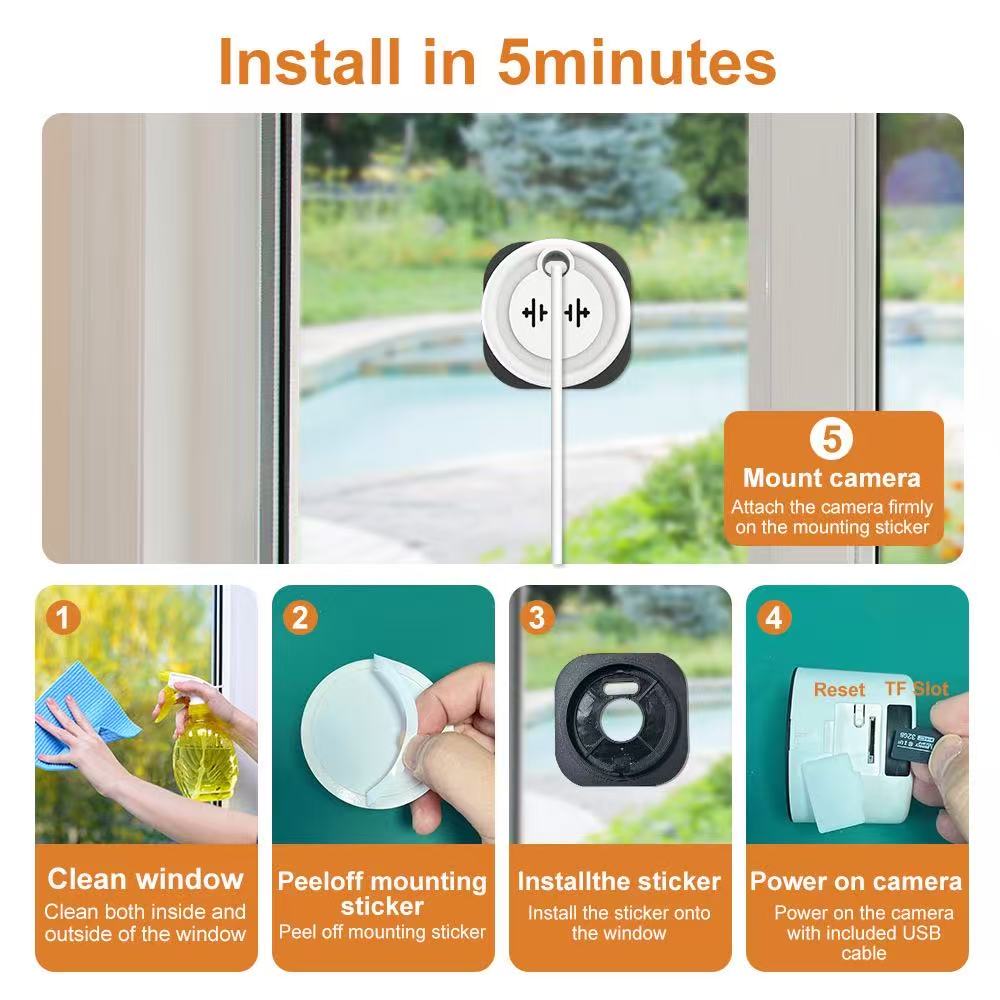
Therefore, An outdoor camera normally means a ladder, a masonry bit and a weatherproofing job. Therefore, A window camera skips all of it. It mounts to the inside of a window with an adhesive or suction bracket and looks straight through the glass at the street, the driveway or the garden.
- No exterior installation — renters can install it, and nobody needs scaffolding.
- Indoor power and Wi-Fi — the outlet is already there, and signal strength is far better than outside a wall.
- Two-way audio and siren — speak through the unit or trigger an alarm from the app.
- Night vision tuned for glass — infrared illumination is managed to reduce the reflection that usually ruins through-glass footage.
- Motion zones — limit alerts to the driveway instead of every car on the street.
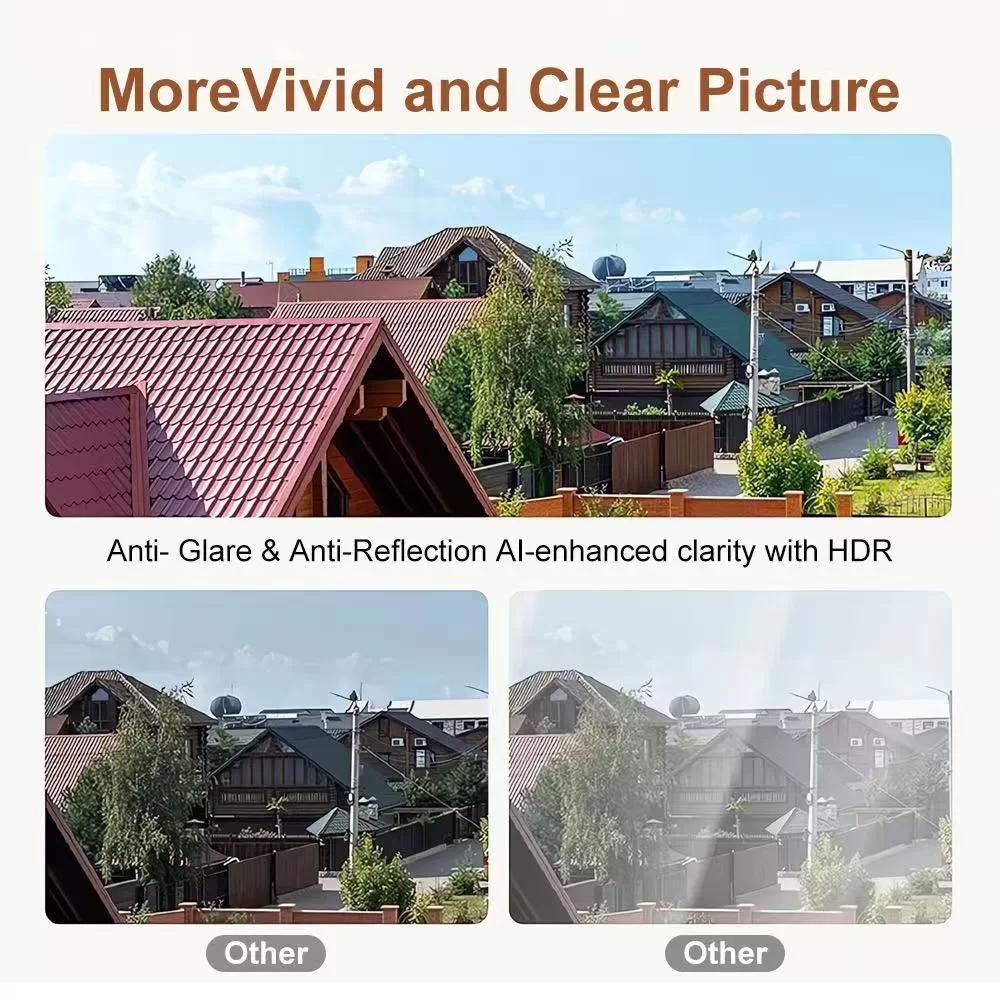
Moreover, The one trade-off is glass: reflections from interior lighting can wash out the image at night, so the best results come from a window that Faces a dark exterior and has a blind or curtain behind the camera.
Rain Sensor: The Automation Nobody Thinks About Until It Works
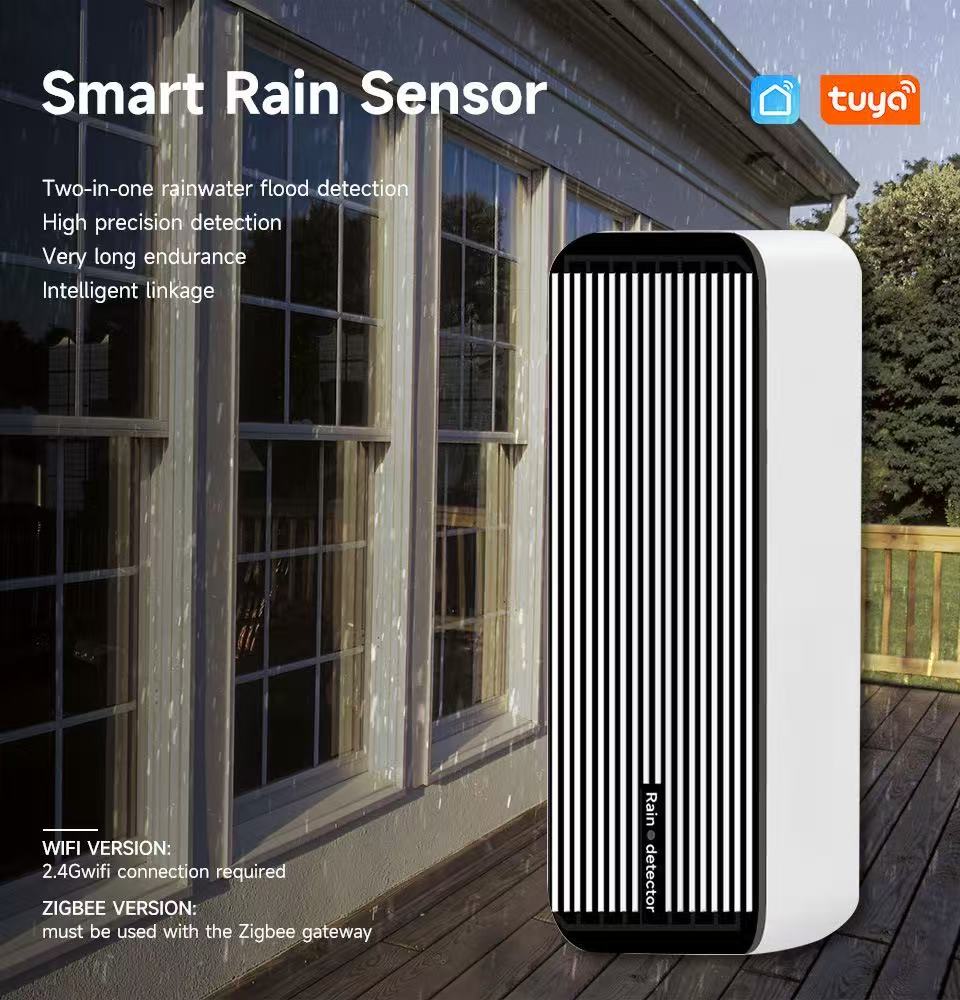
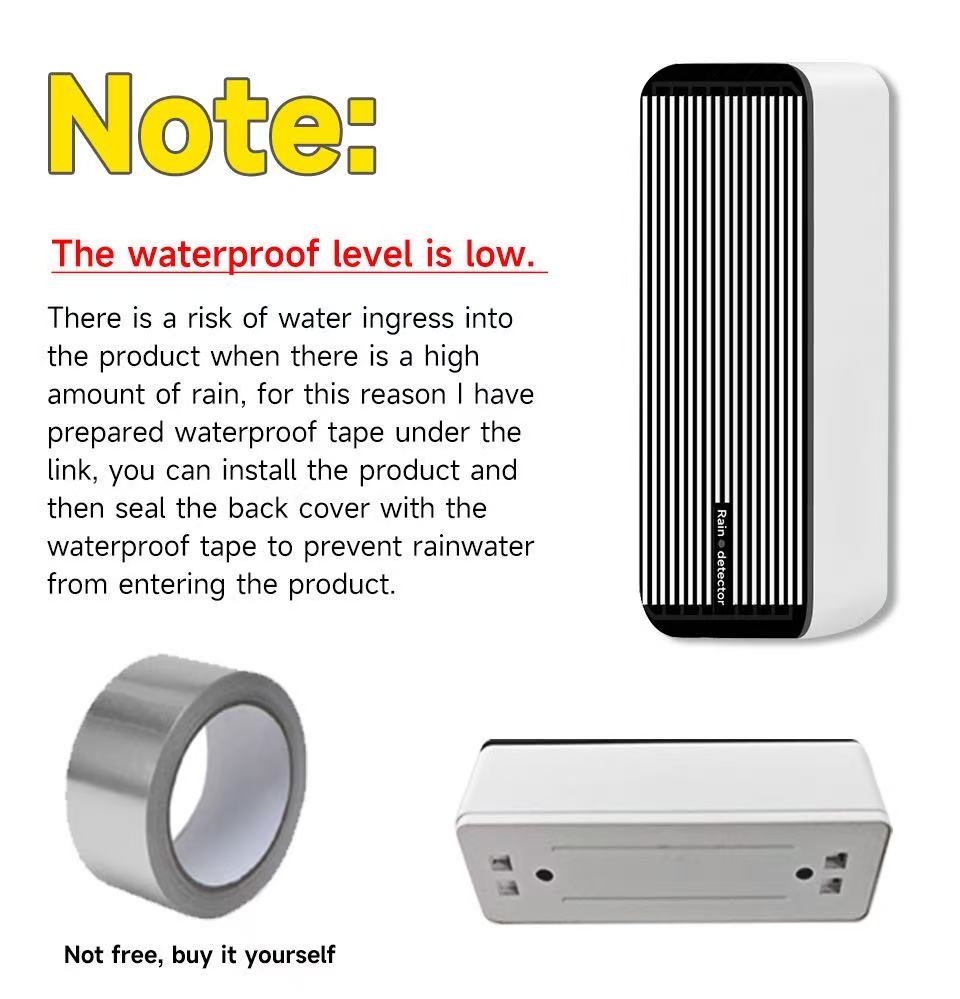
In addition, A rain sensor does one job: it detects water and reports it. That sounds trivial until you wire it into a routine. For example, The moment rain is detected, the house can close skylights and motorised windows, retract an awning, pause irrigation, and send a notification. It is the difference between a house that is merely connected and one that looks after itself while the owner is at work.
- Window and skylight closing — the single most useful automation, and the reason people buy the sensor.
- Awning and pergola retraction — protects fabric and motors from storm damage.
- Irrigation pause — stops the garden system from watering during a downpour.
- Laundry alerts — a notification to bring in washing before it soaks.
- Low-power wireless design — battery powered and mounted outdoors on a sill, bracket or gutter edge.
Combining Sensors Into Automations That People Actually Keep
For example, The value of sensors compounds when they are linked. A few combinations that stay switched on long after the novelty wears off: Tuya WiFi IR Remote Review: Universal Control Meets Climate Intelligence
- Rain detected → close all skylights and windows, retract awning. The classic, and the one customers talk about.
- Window camera detects motion after 11pm → turn on the porch light and push an alert. Lighting plus camera is far more effective than a camera alone.
- Door opened while rain sensor is wet → send an “umbrella” reminder. Cheap to build, genuinely delightful.
- Rain stops for 30 minutes → resume irrigation schedule. Saves water without anyone thinking about it.
- Vacation scene → camera recording on, rain sensor closing windows, notifications to the owner’s phone. The full picture for a house left empty.
Choosing the Right Sensor Mix for a Project
However, For a distributor or installer, sensors are among the highest-margin, lowest-return-rate products in a smart home catalogue — but only if the mix matches the property type. In addition, Apartments and rentals lean heavily on window cameras. This is because nothing can be drilled. Houses with skylights, awnings or motorised windows are the natural home for rain sensors. Hospitality and senior-care projects tend to buy both, plus door and motion sensors, and run them through a single automation layer.
Xingliao Smart Home manufactures and supplies a full sensor family alongside doorbells, control panels and cameras, all from the same production facility, so firmware, packaging and app ecosystem stay consistent across the range.
Plan Your Sensor Line-Up
Sensors are what turn a one-off device sale into a system the customer keeps expanding. Browse the sensor range or contact our team for wholesale pricing, bundle recommendations and OEM options.
You Might Also Like
 Tuya Smart Watch 1.28 Inch Full Round HD – Alexa Voice Control Blood Oxygen Heart Rate Pressure Monitor Original price was: $69.96.$52.99Current price is: $52.99.
 Tuya 4MP Indoor WiFi Smart Camera – HD Night Vision Pan-Tilt Remote Home Monitor with Two-Way Audio Original price was: $39.96.$29.98Current price is: $29.98.
 Tuya 2MP 4MP Indoor PTZ Smart Camera – 360° Panoramic WiFi Pan-Tilt Home Monitor with Two-Way Audio Price range: $21.69 through $25.96
📌 This article is part of our Complete Camera Hub — more guides and buying tips inside.
Related Articles
- Smart Sensors Buying Guide: How to Make Your Home Feel Its Environment
- Home Security Systems Explained: 5 Essential Devices to Protect Your Family
- Smart Rain Sensors: The Weather-Proof Home Upgrade Every Homeowner Needs
- Best_Smart_Window_Camera_2026
- Smart Home Starter Guide 2026: How to Build Your First Connected Home
Frequently Asked Questions
Is Sensors Explained Window Camera worth buying?
Based on the breakdown in this article, Sensors Explained Window Camera offers a solid mix of features and value. If your main goal matches the key benefits described above, it is a practical choice for everyday use.
How do I choose the right sensors explained window camera for my needs?
Start with your core use case, then compare battery life, compatibility, and build quality as covered above. Choosing the right sensors explained window camera comes down to matching specs with how you actually use it.
Does sensors explained window camera require a companion app?
Most devices of this type pair with a free companion app for setup and firmware updates. A few advanced features may sit behind a paid plan, so check the official specs page before buying.