Why Smart Lighting?
However, Smart lighting is the entry point for most Smart Home enthusiasts ??and for good reason. It is easy to install, immediately visible, and genuinely improves daily life. Beyond simply turning lights on and off with your phone, smart lighting can transform your home’s atmosphere, improve your sleep, and save energy.
Understanding Color Temperature
Therefore, Color temperature is measured in Kelvin (K) and describes the appearance of light. Understanding it is key to creating comfortable, healthy lighting. Smart Home Automation Scenes: 6 Practical Setups That Make Your Home Think
The Kelvin Scale
- 2700K ??3000K (Warm White) ??Soft, yellowish light similar to traditional incandescent bulbs. Ideal for bedrooms, living rooms, and evening use. Promotes relaxation and sleep.
- 3500K ??4000K (Neutral White) ??Balanced light good for kitchens, bathrooms, and workspaces. Neither too warm nor too cool.
- 5000K ??6500K (Daylight/Cool White) ??Bright, bluish-white light that mimics natural daylight. Best for reading, detail work, and daytime use. Boosts alertness and productivity.
Circadian Lighting
Moreover, Your body’s internal clock (circadian rhythm) responds to light color. Smart bulbs can automatically shift from cool, bright light in the morning to warm, dim light in the evening. This natural progression helps regulate sleep patterns and improves overall well-being. Smart Sensors Buying Guide: How to Make Your Home Feel Its Environment
In addition, Set your bulbs to start at 5000K in the morning, shift to 3500K midday, and gradually warm to 2700K by sunset.
Types of Smart Lighting
Smart Bulbs
For example, The most common entry point. Screw them into existing fixtures and control via app or voice. Available in white-only, tunable white, and full-color variants.
Smart Light Switches
Consequently, Replace your wall switches to control existing bulbs. This is better if you have multiple bulbs on one circuit, as one switch controls them all. It also means family members can still use the wall switch normally. Why Smart Home Security Is Trending Overseas in 2026: Tech That Sells
LED Light Strips
Flexible strips for under-cabinet lighting, TV backlighting, stair illumination, and architectural accent lighting. They add depth and atmosphere to any room.
Smart Outdoor Lighting
Weatherproof bulbs, pathway lights, and floodlights for exterior spaces. Great for security and curb appeal.
Lighting Scenes: Setting the Mood
Scenes are preset combinations of brightness, color, and on/off states across multiple lights. They let you instantly transform your home’s atmosphere.
Essential Scenes to Create
- Movie Night ??Lights dim to 10%, warm color, TV backlight on
- Reading ??Single lamp at 80%, neutral white, everything else off
- Dinner ??Dining area at 60% warm white, kitchen dimmed, ambient music starts
- Party ??Color-changing lights, bright and energetic
- Focus/Work ??All lights at 90%, cool white (5000K)
- Sleep ??All lights off, nightlight at 1% warm amber
- Wake Up ??Lights gradually brighten from 0% to 80% over 15 minutes
Automation: Let Your Lights Think
The real magic happens when you stop controlling lights manually and let automation handle it.
Motion-Based Automation
- Hallway lights turn on at 30% when motion is detected after 10 PM
- Bathroom light turns on at 20% warm white during nighttime visits
- Garage light turns on when the garage door opens
Time-Based Automation
- Sunset: Outdoor lights turn on, indoor lights shift to warm white
- Sunrise: Bedroom lights gradually brighten, kitchen lights turn on
- Midnight: All non-essential lights turn off
Event-Based Automation
- When the TV turns on ??activate “Movie Night” scene
- When the front door unlocks after sunset ??turn on entry lights
- When the smoke alarm triggers ??flash all lights red
Energy Savings
Smart lighting can reduce your lighting energy consumption by 30-50% compared to traditional bulbs.
- LED smart bulbs use 75% less energy than incandescent
- Motion sensors ensure lights are never left on in empty rooms
- Scheduling prevents lights from running when no one is home
- Dimming reduces power consumption proportionally
Conclusion
Smart lighting is about more than convenience ??it is about creating the right light for every moment. Start with a few bulbs in your most-used rooms, create scenes that match your daily routines, and gradually add automation rules. The result is a home that always has the perfect lighting, automatically, without you ever touching a switch.
Related Articles
- Smart Home Starter Guide 2026: How to Build Your First Connected Home
- 4‑in‑1 Tuya Bluetooth Smart Knob Lock Fingerprint Interior Door Lock
- V15S Tuya Smart Watch: Alexa Voice Control, SpO2 Health Monitoring, and Smart Home Integration
- Tuya WiFi Smart Boiler Switch: Energy‑Saving Control for Electric Water Heaters & Home Heating
- 4MP 2K HD WiFi Smart Home Camera: Color Night Vision, Spotlight, and Siren Alarm Guide
You Might Also Like
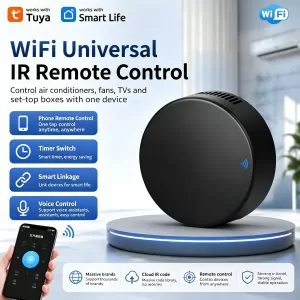 Tuya Smart WiFi Universal IR Remote Control | Works Alexa & Go… Original price was: $29.89.$23.56Current price is: $23.56.
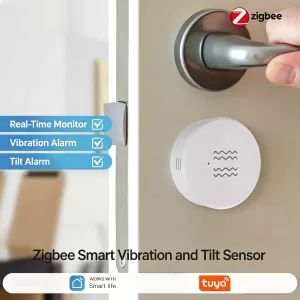 Tuya Zigbee Smart Vibration & Tilt Sensor | Real-Time Monitor … Original price was: $29.98.$23.47Current price is: $23.47.
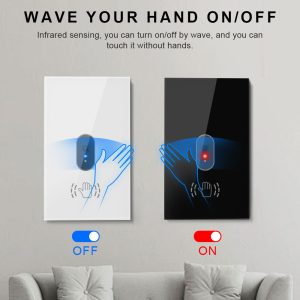 TUYA Smart Wave Sensor Light Switch, Touch‑Free Infrared Wall Switch Price range: $13.50 through $17.90
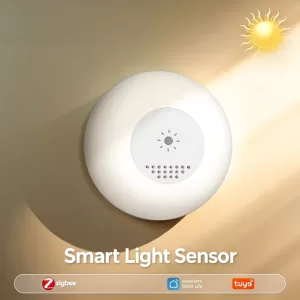 Tuya Zigbee Smart Light Sensor – Real-Time Ambient Light Detec… Original price was: $49.96.$35.96Current price is: $35.96.
Frequently Asked Questions
Is Smart Lighting Color worth buying?
Based on the breakdown in this article, Smart Lighting Color offers a solid mix of features and value. If your main goal matches the key benefits described above, it is a practical choice for everyday use.
How do I choose the right smart lighting color for my needs?
Start with your core use case, then compare battery life, compatibility, and build quality as covered above. Choosing the right smart lighting color comes down to matching specs with how you actually use it.
Does smart lighting color require a companion app?
Most devices of this type pair with a free companion app for setup and firmware updates. A few advanced features may sit behind a paid plan, so check the official specs page before buying.
📌 This article is part of our Complete Smart Hub — more guides and buying tips inside.