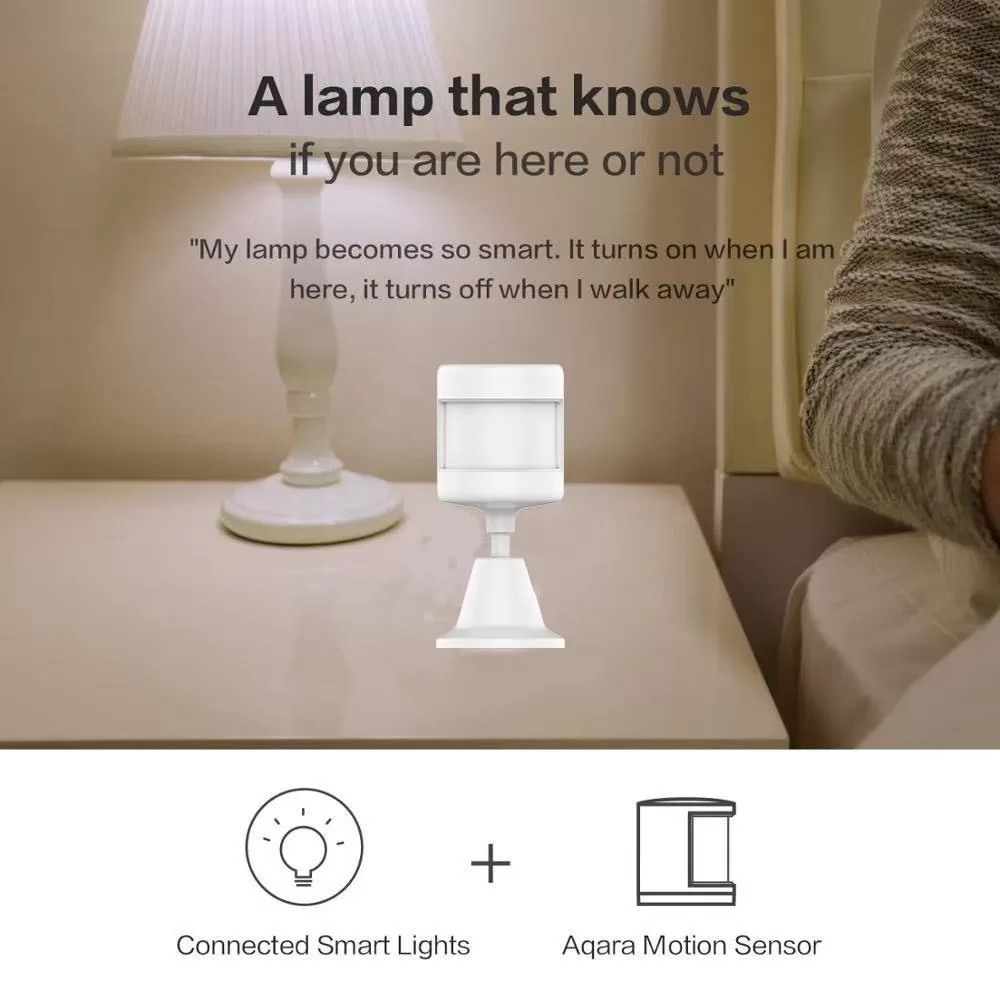
Last week I stubbed my toe on the bottom stair at 2 a.m. — again.
I’d been meaning to fix it for months. You know how it goes: install a Smart light? Sure. Tomorrow. Wire a Motion Sensor? Maybe next weekend. The hallway stayed dark for another365 days. Until I finally bought a $1*.** Zigbee PIR motion sensor and stuck it on the wall. The whole install took 90 seconds. The next morning, my staircase lit up like a runway every time I walked past.
That tiny moment — not stubbing my toe — was the win I’d been ignoring.
If you’ve ever:
Stumbled to the bathroom half-asleep
Wondered if the “noise” downstairs was just the cat
Wished your garage lights came on without you fishing for a switch …a Zigbee PIR motion sensor fixes all three. Quietly. Reliably. Without you ever thinking about it again. Let me explain how it actually works in a real home, and why this is one of the cheapest smart home upgrades you’ll ever make.
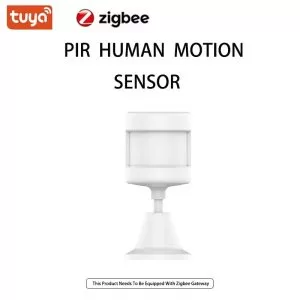
What Is a Zigbee PIR Motion Sensor?
A motion sensor with Zigbee wireless connectivity is exactly what it sounds like: a small white box that detects infrared (body heat) movement and tells your smart home system about it. Two words matter here:
PIR = Passive Infrared. It sees body heat moving through its detection zone. People, pets, even large warm objects. It doesn’t emit anything — it just listens. Zigbee = A low-power wireless protocol that your smart home hub uses to talk to sensors, lights, locks, and switches. Zigbee sensors run for years on a single coin battery because they sleep most of the time.
Combined, you get a motion sensor that lasts2 years on a CR2450 battery, costs under $15, and talks to every major smart home platform through one little hub.
Most product pages list ten “features” you don’t care about. Here’s what a motion sensor actually does in my house:
1. Automatic Night Lighting (the biggest win)
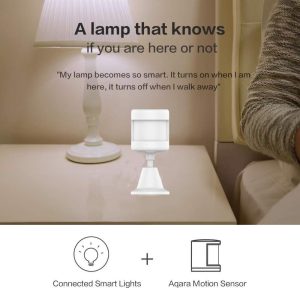
Walk into the hallway at 2 a.m. Light comes on softly. Cross into the bathroom. That light comes on. Walk back to bed. Both lights fade off 60 seconds later.
I set this up once. I have not touched it since.
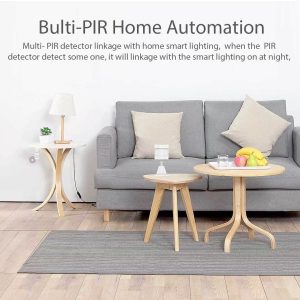
The setup is simple:
Trigger: motion sensor detects motion
Action: turn on hallway smart bulb at 20% brightness
Condition: only between sunset and sunrise
Off: 60 seconds after no motion detected
That’s it. The motion sensor does the work your hands used to do — only better, because it never forgets.
2. Front Door Awareness (without a camera)
I don’t want a camera pointed at my front door. I just want to know when someone approaches.
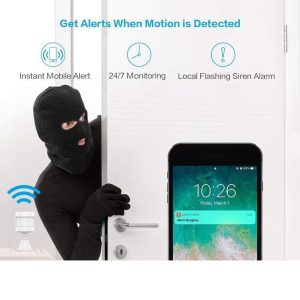
A Zigbee PIR motion sensor mounted above the front porch sends an instant push notification to my phone when someone walks up. Combined with a smart doorbell, I get:
A camera when someone rings
A motion alert when someone walks up
The motion sensor is the early warning system. The doorbell is the confirmation.
3. The “Did I Leave the Garage Open?” Check
Mount a motion sensor in your garage. Every time the garage door opens, you get a notification. Every time the door stays open for more than 10 minutes with no motion detected inside, you get a second notification — “Garage may be open.”
Cheaper than a smart garage door opener. Solves a real problem.
Where to Mount Them (and Where NOT To)
After installing these in three homes, here’s what actually works:
Hallway corners (8 feet up, angled down)
Above the front door, pointing at the walkway
Inside the garage, facing the door
Stair landings (this is where I stubbed my toe)
Bad spots:
Facing a window (sunlight triggers false alerts)
Above a radiator or heating vent (heat confuses PIR)
Directly facing an HVAC vent (moving air = false alerts)
The detection angle is typically150°. That sounds narrow, but in practice, one sensor covers a 12×12 foot room from a corner mount.
How Long Do They Actually Last?
Marketing claims “up to 2 years.”
Real-world answer: 18 to 24 months depending on:
How often motion is triggered (busy hallway = more wake-ups)
How strong the Zigbee signal is (weak signal = sensor works harder)
Battery brand (cheap CR2450s die in 8 months, name-brand lasts 2 years)
Pro tip: replace the battery before it dies. When Zigbee sensors die, they usually don’t warn you — your automations just stop working one day, and you spend an hour figuring out why.
What You Need to Get Started
A Zigbee PIR motion sensor isn’t a standalone device. You need three things:
The sensor itself ($13–$20, depending on brand)
A Zigbee hub ($30–$60) — Tuya, Smart Life, Aqara, or Home Assistant all work
At least one smart bulb or smart switch to controlIf you’re starting from scratch, the total cost is around $80–$100 for a complete motion-activated lighting setup. That’s cheaper than a single smart bulb from the expensive brands — and it works in every room you add a sensor to.
The Real Reason You Should Buy One Tonight
Here’s the thing nobody tells you about smart home gadgets: most of them solve problems you don’t have.
A motion sensor is different. It solves a problem you already have:
The dark hallway at 2 a.m.
The front door you can’t see from the couch
The garage light you always forget to turn off
You don’t need a “smart home.” You need one motion sensor, in one spot, solving one annoying problem.
That Zigbee PIR motion sensor I stuck on the wall last week? It’s the cheapest thing in my smart home and it’s the one I use every single day.
Get in Touch
Reach us through any channel below — we reply within one business day.
- Email: xingliaoshop@gmail.com
- WhatsApp: +86 176 6666 9273
- OEM / Domestic: xingliaotech.com
- Shop: odmhome.com
You Might Also Like
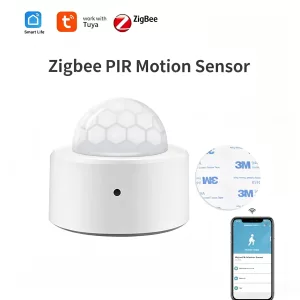 Tuya Zigbee PIR Motion Sensor – Wireless Human Body Infrared D. Original price was: $29.96.$19.96Current price is: $19.96.
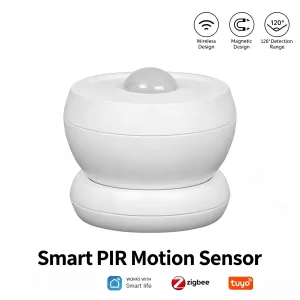 Zigbee PIR Motion Sensor – Tuya Smart Wireless Human Body Dete. Original price was: $29.96.$25.53Current price is: $25.53.Zigbee PIR Motion Sensor – Smart Home Security | Xingliao Original price was: $29.99.$19.99Current price is: $19.99.
Frequently Asked Questions
Is Zigbee Pir Motion Sensor worth buying?
Based on the breakdown in this article, Zigbee Pir Motion Sensor offers a solid mix of features and value. If your main goal matches the key benefits described above, it is a practical choice for everyday use.
How do I choose the right zigbee pir motion sensor for my needs?
Start with your core use case, then compare battery life, compatibility, and build quality as covered above. Choosing the right zigbee pir motion sensor comes down to matching specs with how you actually use it. Tuya 3D Face Recognition Smart Lock: Buying Guide, Setup Tips, and FAQ
Does zigbee pir motion sensor require a companion app?
Most devices of this type pair with a free companion app for setup and firmware updates. A few advanced features may sit behind a paid plan, so check the official specs page before buying. Tuya WiFi IR Remote Review: Universal Control Meets Climate Intelligence
📌 This article is part of our Complete Sensor Hub — more guides and buying tips inside.
Related Articles
- Zigbee PIR Motion Sensor: The Smart Home Upgrade for Security, Lighting & Pet Care
- Smart Sensors Buying Guide: How to Make Your Home Feel Its Environment
- Home Security Sensors Wholesale: B2B Guide to Sourcing and Selling Security Sensor Systems
- Tuya Sensor Wholesale: Complete B2B Guide to Smart Home and Security Sensors
- Smart Sensors Wholesale Guide: Building a Complete B2B Home Security Product Line
