In the Tuya ecosystem, “water level sensor” covers Two genuinely different products. A leak detector tells you water is present somewhere it should not be — under a sink, under a water heater, in a drip pan. A level sensor tells you how much water sits inside a tank — a Rain barrel, a sump pit, a livestock trough. Most consumer devices sold under the “Tuya water sensor” name are leak detectors, and buying the wrong one is the single most common mistake with this category.
The short answer
If your goal is to catch a leak before it becomes damage, you want a Tuya Zigbee leak detector with two metal probes — inexpensive, two-year battery, instant alerts through Smart Life. If your goal is to read the depth of water in a tank on your phone, you need a level-sensing device, which consumer Tuya lines cover only partially. Decide which job you are hiring the sensor for before comparing prices.
How a Tuya leak detector actually works
The sensor is a conductivity meter with a threshold. Two metal probes sit at the bottom of the housing; when water bridges them, resistance drops and the device reports “water detected” to the hub. This is why probe geometry matters more than any spec line: two-pin probes detect water exactly where the pins are, while a rope-style probe chain detects water anywhere along a stretchable line. A two-pin sensor in the corner of a basement floor can Miss a leak that pools one meter away; a rope probe routed along the base of a wall cannot.
Because the event is rare and the reporting is event-driven, Battery life is long — typically two years on a coin cell or a single AAA. The device sleeps until water, a tamper event, or a periodic low-battery report wakes it.
What real level monitoring takes
Continuous depth measurement needs a different physical principle. A float switch tied to a ZigBee contact interface gives you two-level or multi-level readings — enough to know “tank above / below half” — and it is the approach that integrates most cleanly with a Tuya ZigBee gateway. Pressure-based transducers measure the water column above them and give true analog depth, but few consumer Tuya devices expose that channel. Ultrasonic and time-of-flight sensors measure from the top of the tank and are appearing at the hobbyist end, not yet as certified Tuya shelf products.
The honest position for a buyer: for tank telemetry with graphs and thresholds, expect to piece it together (float switch plus contact sensor, or a dedicated level product outside the Tuya catalog). For leak alarms, the Tuya Zigbee line is mature and cheap enough to install everywhere water runs.
Where leak detectors earn their price
- Under the water heater. A tank that lets go releases everything at once. A probe in the drip pan catches the slow weep weeks before the failure.
- Under sinks and behind washing machines. Hose clamps loosen over years, and the leak starts as a damp spot you never see.
- Sump pit lid. A probe at the “pit nearly full” line tells you the pump stopped before the floor does.
- Basement and floor-wall joints. Route a rope probe along the lowest joint instead of gambling on one spot.
- Near boilers and AC condensate trays. A blocked condensate drain is one of the most common slow-water disasters in apartments.
The buying checklist
- Probe style first. Two-pin for a defined spot; rope probe for a stretch of floor or wall joint.
- Local sounder. Some models beep on the device itself; cheaper ones are app-silent. A local alarm still works when WiFi is down.
- Hub requirement. ZigBee models need a Tuya ZigBee gateway. WiFi models exist but trade battery life for hub-free setup.
- Battery reporting. Confirm the device reports battery level periodically, not only when it is already dying.
- IP rating for outdoor use. Open rain sensing outdoors wants IPX4 or better; indoor probes do not care.
Sensors that cover the water jobs well
- Tuya ZigBee Rain Detection Sensor (IPX4) — the outdoor-rated probe for open-air rain and weather events, reporting through Smart Life.
- Tuya ZigBee Solar Rainwater Leak Sensor — solar-assisted detection for spots where changing a battery is inconvenient.
- Tuya ZigBee Water Leak Detector — the standard two-probe indoor unit for water heaters, sinks and sump lids.
- Tuya ZigBee Gateway — the hub every sensor above reports through, and the piece to buy first if you do not have one.
Frequently Asked Questions
Can a Tuya water sensor measure how full my tank is?
Not the standard leak detector — it only reports water present or absent at the probe. For tank depth, look for a float switch paired with a ZigBee contact interface, or a dedicated level product; true continuous depth needs a pressure or ultrasonic sensor.
Do these sensors work without WiFi?
ZigBee models keep detecting and still sound a local alarm during an internet outage, because the mesh is local. Phone notifications away from home are the part that needs the cloud.
Where exactly should the probe sit?
At the lowest point water will reach, and as close to the likely source as possible — the pan seam, the hose clamp, the pit rim. One sensor per risk point beats one sensor per room.
Will a leak detector false-trigger in a humid bathroom?
No. Conductivity probes need liquid bridging the contacts, not Air moisture. Steam and humidity do not trip them; actual pooling water does.
How long do the batteries last?
Typically around two years for event-driven ZigBee models, since the device sleeps between reports. Models that report temperature and humidity alongside water detection trade a little battery for that extra channel.
Do I need one gateway per sensor?
No. One Tuya ZigBee gateway hosts dozens of sensors. Buy the gateway once, then place sensors at every water risk point in the home.
Related Articles
- Tuya Zigbee Smart Ultrasonic Level Sensor Review: Never Run Out of Water Again
- DS-101GWN Smart Water Heater Switch: WiFi Energy Monitoring, Overload Protection and Voice Control
- DS-101GWN Smart Water Heater Switch: WiFi Energy Monitoring, Overload Protection and Voice Control
- Smart Switch for Water Heater and AC
- Reolink vs Tuya Security Camera
You Might Also Like
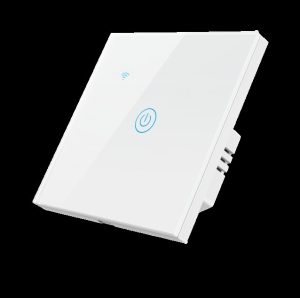 Matter EU Touch Switch 1–4 Gang, Neutral Wire (Tuya + Matter) | XingLiao Price range: $6.50 through $8.00
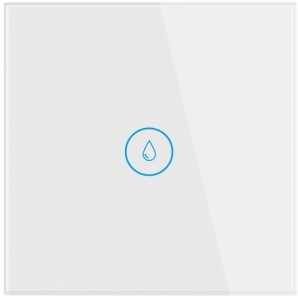 Matter Water Heater Switch 20 A, EU/UK Touch, Tuya + Matter | XingLiao$8.00
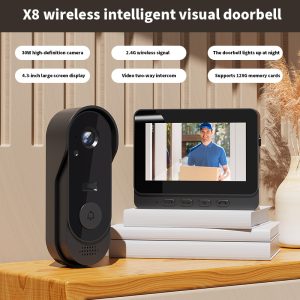 X8 Wireless Intelligent Visual Doorbell 4.3 Inch IPS Screen IP66 Waterproof 2.4G Wireless Original price was: $39.93.$32.99Current price is: $32.99.
 Tuya Smart Watch 1.28 Inch Full Round HD – Alexa Voice Control Blood Oxygen Heart Rate Pressure Monitor Original price was: $69.96.$52.99Current price is: $52.99.
📌 This article is part of our Complete Tuya Hub — more guides and buying tips inside.
