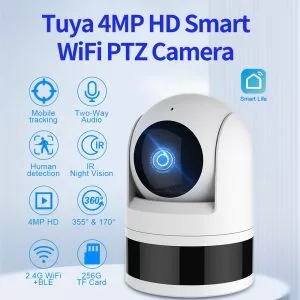
Posted on — Leave a comment

Smart Home Beginner’s Guide 2026: 8 Practical Devices Worth Starting With

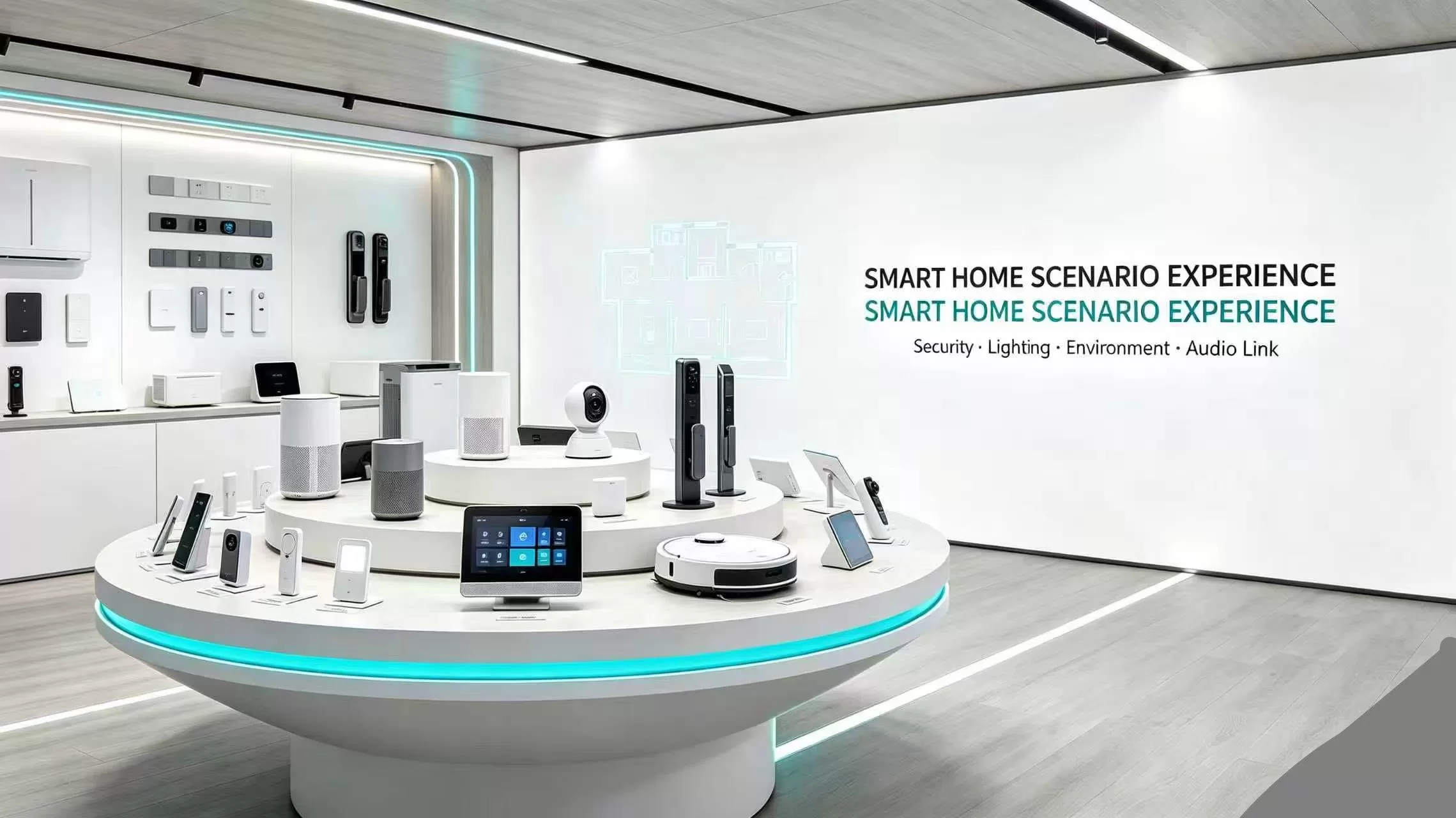
Xingliao Smart Home showroom with smart devices display

Building a Smart Home can feel overwhelming with all the buzzwords. This guide breaks it down into 8 practical, field-tested devices — the same models we manufacture and ship most. Read it like a checklist, not a textbook.

Xingliao Smart Home showroom with smart devices display
Xingliao smart home showroom – WiFi switches, doorbells and sensors
1. Therefore, The Brain — Zigbee Gateway Before you buy any sensor or switch, you need a brain. A smart home is a network, not a single gadget. The Zigbee gateway is that brain. For example, Unlike pure WiFi devices that crowd your router and drop offline when the signal gets weak, Zigbee uses a low-power mesh network. Each powered device extends the network, so the more devices you add, the more stable the whole system becomes. Our gateway supports both 2.4GHz and 5GHz Wi-Fi networks, so it adapts to different routers without hassle. It also handles local automation — meaning once you set up a rule, it keeps working even if your internet drops. In addition, That’s a big deal for security and reliability. Checklist: make sure the hub supports enough sub-devices for your future plan, offers a clean app, and works with your chosen ecosystem.

Why We Recommend Tuya-Based Devices

However, All our plug-and-play devices work with the free Smart Life app (powered by the Tuya IoT platform). That means you can control lights, sensors, cameras, and doorbells from one dashboard, even if you mix brands later.
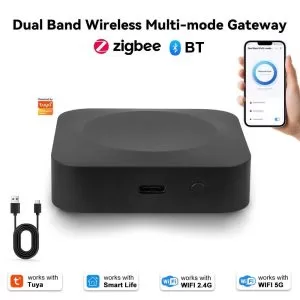
Zigbee smart home gateway hub with dual band WiFi support
Zigbee gateway connects lights, sensors, and security devices
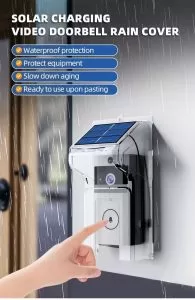
2. Moreover, Front Door Security — U9 Solar Video Doorbell The front door is the smartest place to start. Our U9 solar video doorbell is built for people who don’t want to run cables or climb ladders to swap batteries. The built-in solar panel keeps the internal battery charged year-round, and the unit is all-round rainproof with a high-toughness, wear-resistant, impact-proof shell. Feature-wise, you get 2K HD video, motion detection, two-way talk, night vision, and a free chime included in the box. Furthermore, It also works with Alexa and Google Home, so you can ask a smart display to show who’s at the door. Use case: houses, villas, rental properties, apartment entrances — anywhere you want to see and speak to visitors without opening the door.
	U9 solar powered wireless video doorbell with 2K camera
Solar video doorbell with 2K HD camera, two-way talk, and night vision

3. Wall Control — Tuya Smart Control Panel

Once you have a hub and a doorbell, the next upgrade is wall control. As a result, The Tuya smart control panel replaces a messy row of switches with one clean touchscreen. From it, you can control lights, curtains, scenes, and music. The version in our catalog supports adjustable light color and RGB lighting, with color temperature range around 35%–65%. Importantly, It also shows live room status like temperature (for example, 26°C on screen).

This panel integrates voice, gateway, and music in one device, and it can connect to the Tuya hotel system if you’re running short-term rentals or hospitality projects. Pick a screen size based on your wall space and existing switch box. Look for one-tap scene switching — that’s what turns “movie night” or “leave home” from a slogan into one button press.
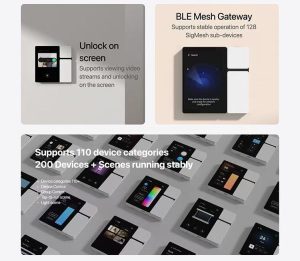
Tuya smart home control panel touchscreen for lights and scenes
Wall-mounted Tuya control panel for smart lighting, curtains, and scenes

4. Notably, Motion & Security — Human Body Sensor

This is the device people call “I can’t live without it anymore.” The human body sensor turns lights on when you walk into a room and off when you leave. It sounds simple, but it saves power, prevents fumbling for switches at night, and makes hallways safer.

Paired with the Zigbee gateway, it can do more than lighting. It can trigger cameras to record, sound an alarm, or send a phone notification when unexpected motion is detected. Meanwhile, you’re away. However, Because it’s wireless and battery-powered, installation is just peel-and-stick. Place it in entryways, hallways, staircases, or near valuables.
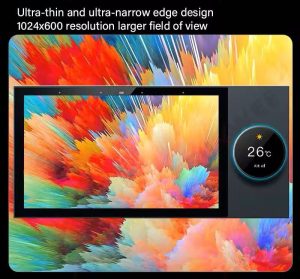

Tuya smart home control panel touchscreen for lights and scenes
Wall-mounted Tuya control panel for smart lighting, curtains, and scenes
Zigbee human motion sensor for smart home automation
Motion sensor triggers lights, alarms, and cameras automatically

5. Outdoor Alert — Rain Sensor

A rain sensor is one of those small devices that quietly saves money. Therefore, When rain starts, it can send a signal to close motorized windows, retract awnings, or pause irrigation systems. If you have plants, a garden, or outdoor equipment, this pays for itself quickly.

It’s tiny, wireless, and works outdoors. Set the automation once, and you never have to rush home because you forgot to close a window. For example, For greenhouses, balconies, and vacation homes, it’s especially useful.
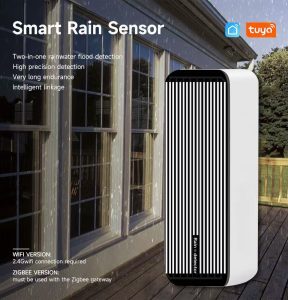
Smart rain sensor for automatic window and irrigation control
Rain sensor closes windows and pauses irrigation automatically

6. Window Watch — Window Camera

Not everyone can drill holes or run cables through walls. The window camera solves that. In addition, It mounts with a suction cup on the inside of a window and gives you a clear view outside. It’s ideal for renters, small shops, apartments, or any room where you want monitoring without renovation.

Phone remote viewing means you can check your home or store from anywhere. Pair it with the motion sensor or doorbell, and you have a layered security setup without professional installation.
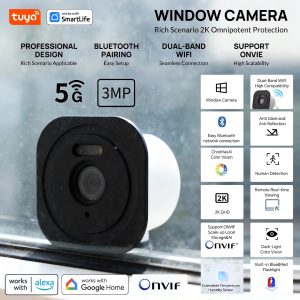
Window camera with suction cup mount for indoor security
Suction cup window camera for easy indoor home monitoring

7. Moreover, Better Mornings — Smart Alarm Clock

A smart alarm clock is the gentlest way to upgrade your bedroom. Instead of a harsh buzzer, it uses gradual light to wake you up naturally, plus weather reports and music. Some models also work as a bedside voice assistant or display your daily schedule.

It’s not the most technical device on this list, but it’s the one guests and family members notice first. Furthermore, Put it on a nightstand and let the light-based wake-up replace your phone alarm.
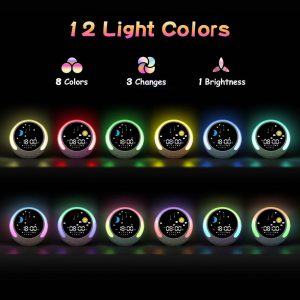
Smart alarm clock with light wake-up and weather display
Smart alarm clock with sunrise light wake-up and music

8. Pet Essential — Auto Pet Feeder

If you travel or work long hours, an automatic pet feeder removes the daily guilt. Our model includes a camera, microphone, and stainless steel food bowl. As a result, You can schedule timed, portioned meals, and press a button to drop a bonus snack remotely.

The camera and mic let you check on your pet and talk to them from work. The stainless bowl is easier to clean and more hygienic than plastic. For cats and small-to-medium dogs, it’s one of the most practical smart home devices you can buy.


Automatic pet feeder with camera and stainless steel bowl
WiFi pet feeder with camera, microphone, and timed feeding
Recommended Buying Order You don’t have to buy everything at once. Importantly, Here’s a sensible order: Start with the Zigbee gateway — nothing else works well without it. Add the U9 solar doorbell for security. Install the control panel to centralize control. Add the human motion sensor for convenience and security. Expand with rain sensor, window camera, smart alarm clock, or pet feeder based on your lifestyle. One Ecosystem Rule The biggest beginner mistake is mixing too many apps. Try to stay inside one ecosystem — Tuya / Smart Life is a solid choice — so scenes and automations actually work together. If you buy a Zigbee hub, a Tuya panel, and Tuya sensors, they will talk to each other. Notably, If you mix brands with closed apps, you’ll end up with five different apps and nothing automated.
Xingliao smart home factory assembly line with workers
Our smart home device production line and assembly workshop
Final Tip Don’t chase “future home” marketing. Start with one or two devices that solve a real daily problem, get them working reliably, then add more. A working doorbell and motion-activated lights will feel more impressive than ten half-connected gadgets. Browse full specs, OEM options, or request a bulk quote at odmhome.com. Tuya Works with Alexa, Google Assistant & More One of the biggest reasons to choose Tuya-based devices is compatibility. However, Because every product here runs on the Tuya IoT platform, they connect seamlessly with Amazon Alexa, Google Assistant, and other mainstream smart speakers — including Apple HomeKit bridges and Siri shortcuts where supported.

Related Articles

You Might Also Like

Frequently Asked Questions

Is Beginner Practical Devices Worth worth buying?

Based on the breakdown in this article, Beginner Practical Devices Worth offers a solid mix of features and value. If your main goal matches the key benefits described above, it is a practical choice for everyday use.

How do I choose the right beginner practical devices worth for my needs?

Start with your core use case, then compare battery life, compatibility, and build quality as covered above. Choosing the right beginner practical devices worth comes down to matching specs with how you actually use it.

Does beginner practical devices worth require a companion app?

Most devices of this type pair with a free companion app for setup and firmware updates. A few advanced features may sit behind a paid plan, so check the official specs page before buying.

Posted on — Leave a comment

Essential Smart Home Devices What You Actually Need

Xingliao Smart Home Showroom

Essential Smart Home Devices: What You Actually Need in 2026

Published: July 12, 2026
Updated: July 12, 2026
Reading Time: 15 minutes


Xingliao Smart Home product collection - smart control panel and devices

However, Xingliao Smart Home premium product collection featuring smart control panels, switches, and security devices


Smart Curtain Motor Track: Automated Window Control System

What Smart Home Devices Do I Actually Need?

Smart WiFi Pet Feeder: Automated Pet Care with APP Control

However, Setting up a smart home can feel overwhelming. With hundreds of devices on the market, how do you know which ones are actually worth buying? Smart Home Wholesale FAQ: 15 Questions Every Buyer Asks Before Ordering in Bulk

The truth: You don’t need everything. You need the right devices for your specific needs.

This guide breaks down essential smart home devices by category, budget, and use case. Whether you’re a beginner or upgrading your setup, you’ll find exactly what you need.


Smart Home Starter Kit: The Basics (Under $300)

For beginners, start with these 5 devices:

1. Smart Speaker/Hub

Why you need it: The brain of your smart home Top picks:

  • Amazon Echo Dot (5th Gen) – $50
  • Google Nest Mini – $49
  • Apple HomePod Mini – $99

What it does:

  • Voice control for all devices
  • Music streaming
  • Weather, timers, alarms
  • Smart home automation hub

2. Smart Bulbs

Why you need it: Instant ambiance and energy savings Top picks:

  • Philips Hue White & Color – $45/bulb
  • LIFX Mini – $35/bulb
  • Wyze Bulb Color – $20/bulb

What it does:

  • Remote on/off control
  • Dimming and color changing
  • Scheduling and routines
  • Energy savings (up to 80%)

3. Smart Plugs

Why you need it: Make any device smart Top picks:

  • TP-Link Kasa Smart Plug – $15
  • Amazon Smart Plug – $25
  • Wyze Plug – $12

What it does:

  • Turn devices on/off remotely
  • Monitor energy usage
  • Set schedules
  • Voice control non-smart devices

4. Smart Doorbell

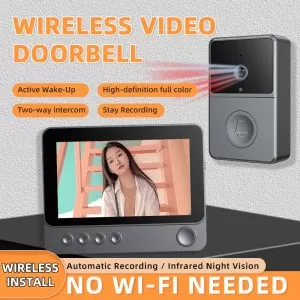
Smart video doorbell with two-way audio and HD camera for home security

Therefore, Smart video doorbell with HD camera and two-way audio communication

Why you need it: Security and convenience Top picks:

  • Ring Video Doorbell 4 – $200
  • Nest Doorbell (Battery) – $180
  • Xingliao UOBX WiFi Doorbell – $89

What it does:

  • See who’s at the door
  • Two-way talk
  • Motion detection
  • Package alerts

5. Smart Thermostat

Why you need it: Comfort and energy savings Top picks:

  • Nest Learning Thermostat – $250
  • Ecobee SmartThermostat – $230
  • Honeywell Home T9 – $200

What it does:

  • Auto-adjust temperature
  • Learn your schedule
  • Remote control
  • Energy reports (save 10-15% on bills)

Starter Kit Total: $285-$480


Room-by-Room Smart Home Setup

Living Room

Pstrongessential Devicesstrongp Ul Lismart Tv Or Streaming

Essential devices:

  • Smart TV or streaming stick ($30-$500)
  • Smart speaker ($50-$100)
  • Smart bulbs ($20-$45)
  • Smart blinds ($100-$300)
  • Universal remote ($50-$250)

Nice to have:

  • Smart air purifier ($100-$300)
  • Robot vacuum ($200-$800)

Kitchen

Essential devices:

  • Smart display ($90-$230)
  • Smart plugs for appliances ($15-$25)
  • Smart refrigerator ($1,500-$3,000)
  • Smart coffee maker ($100-$300)

Nice to have:

  • Smart oven ($800-$2,000)
  • Smart dishwasher ($700-$1,500)

Bedroom

Essential devices:

  • Smart bulbs ($20-$45)
  • Smart speaker ($50-$100)
  • Smart alarm clock ($50-$150)
  • Sleep tracker ($50-$300)

Nice to have:

  • Smart mattress ($1,000-$3,000)
  • Smart air purifier ($100-$300)

Bathroom

Essential devices:

  • Smart scale ($30-$150)
  • Smart mirror ($100-$400)
  • Smart toothbrush ($50-$200)

Nice to have:

  • Smart toilet ($500-$2,000)
  • Smart shower ($300-$1,000)

Home Security

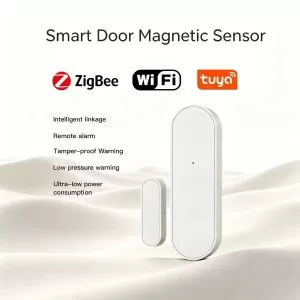
Tuya Zigbee smart door magnetic sensor for home security system

Moreover, Tuya Zigbee smart door magnetic sensor – wireless home security device

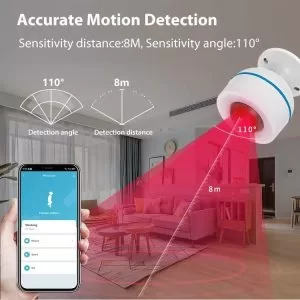
Matter PIR motion sensor with accurate human detection for smart home

Matter PIR motion sensor with accurate human detection and smartphone app control

Essential devices:

  • Smart doorbell ($89-$250)
  • Smart locks ($150-$300)
  • Security cameras ($50-$200)
  • PIR motion sensors with accurate human detection ($20-$50)
  • Door/window magnetic sensors ($15-$30)
  • Smart smoke detector ($50-$120)

Nice to have:

  • Smart garage door opener ($100-$300)
  • Glass break sensors ($30-$60)
  • Water leak detectors ($20-$50)

Smart Home Devices by Budget

Budget Setup ($500-$1,000)

  • Smart speaker: $50
  • Smart bulbs (4): $80
  • Smart plugs (4): $60
  • Smart doorbell: $89
  • Smart thermostat: $200
  • Security camera: $50
  • Smart lock: $150

Total: $679

Mid-Range Setup ($1,000-$2,500)

  • Everything in budget setup
  • Smart display: $150
  • Robot vacuum: $300
  • Smart blinds (2): $400
  • Additional cameras (2): $100
  • Smart garage door: $200
  • Smart sprinkler: $150

Total: $1,979

Premium Setup ($2,500-$5,000)

  • Everything in mid-range setup
  • Smart refrigerator: $2,000
  • Smart oven: $1,500
  • Smart washer/dryer: $1,500
  • Smart mattress: $1,500
  • Whole-home audio: $1,000
  • Smart irrigation: $500

Total: $9,979


Smart Home Protocols: Which One to Choose?

WiFi

Pstrongprosstrongp Ul Lino Hub Neededli Liwide Compatibilityli

Pros:

  • No hub needed
  • Wide compatibility
  • Easy setup

Cons:

  • Can slow down network
  • Higher power consumption
  • Security risks

Best for: Beginners, small setups

Zigbee

Pros:

  • Low power consumption
  • Mesh network (better range)
  • Reliable

Cons:

  • Needs hub
  • Less common

Best for: Medium setups, battery-powered devices

Z-Wave

Pros:

  • Dedicated frequency (less interference)
  • Mesh network
  • Reliable

Cons:

  • Needs hub
  • Fewer devices available

Best for: Large setups, security systems

Matter (New Standard)

Pros:

  • Universal compatibility
  • Works with all major platforms
  • Future-proof

Cons:

  • Still rolling out
  • Limited devices

Best for: New setups, future-proofing

Recommendation: Start with WiFi, add Zigbee/Z-Wave for larger setups, choose Matter for new devices.


Smart Home Automation Ideas

Morning Routine

  1. 6:30 AM: Lights gradually turn on
  2. 6:35 AM: Thermostat adjusts to 72°F
  3. 6:45 AM: Coffee maker starts
  4. 7:00 AM: News briefing plays on smart speaker
  5. 7:15 AM: Security system disarms

Leaving Home Routine

  1. Lock smart door
  2. Turn off all lights
  3. Adjust thermostat to eco mode
  4. Arm security system
  5. Close smart blinds

Evening Routine

  1. 6:00 PM: Lights turn on at 70%
  2. 6:30 PM: Thermostat adjusts to 70°F
  3. 7:00 PM: Entertainment mode (dim lights, TV on)
  4. 10:00 PM: Night mode (lights off, security armed)

Vacation Mode

  1. Random light schedule
  2. Security cameras record all motion
  3. Thermostat in eco mode
  4. Smart sprinklers maintain lawn
  5. Notifications for any door/window activity

Common Smart Home Mistakes to Avoid

1. Buying Incompatible Devices

Solution: Check protocol compatibility before buying. Choose Matter-certified devices when possible.

2. Ignoring Security

Pstrongsolutionstrongp Ul Lichange Default Passwordsli Lienable Two-factor

Solution:

  • Change default passwords
  • Enable two-factor authentication
  • Update firmware regularly
  • Use guest network for IoT devices

3. Overcomplicating Setup

Solution: Start with 3-5 devices. Add more gradually.

4. Not Planning for Power Outages

Solution:

  • Choose devices with battery backup
  • Have manual overrides
  • Consider UPS for critical devices

5. Forgetting About Guests

Solution:

  • Create guest WiFi network
  • Have manual controls available
  • Set up visitor modes

Smart Home Privacy & Security

Essential Security Measures

  1. Strong passwords on all devices
  2. Two-factor authentication enabled
  3. Regular firmware updates
  4. Guest network for IoT devices
  5. Disable unused features (microphone, camera)
  6. Review privacy settings monthly

Privacy Tips

  • Read privacy policies before buying
  • Choose local processing over cloud when possible
  • Regularly delete voice recordings
  • Use privacy-focused alternatives (Apple HomeKit)

FAQ: Smart Home Devices

Q: How much does a basic smart home cost?

$500-$1,000 for essential devices (speaker, bulbs, plugs, doorbell, thermostat).

Q: Do I need a hub?

For example, Not for WiFi devices. Yes for Zigbee/Z-Wave. Matter devices work without hub.

Q: Can I install smart home devices myself?

Consequently, Most devices are plug-and-play. Smart locks and thermostats may need basic DIY skills.

Q: Will smart devices work without internet?

Some basic functions work locally, but most features require internet.

Q: Are smart home devices secure?

Generally yes, if you follow security best practices (strong passwords, updates, guest network).

Q: Which smart home ecosystem is best?

Amazon Alexa (most compatible), Google Home (best AI), Apple HomeKit (most private).

Q: Can I mix different brands?

Yes, especially with Matter protocol. Otherwise, check compatibility.

Q: How long do smart devices last?

5-10 years for most devices. Bulbs last 15,000-25,000 hours.

Q: Do smart home devices save money?

Yes! Smart thermostats save 10-15% on heating/cooling. Smart bulbs use 80% less energy.

Q: What’s the first smart home device I should buy?

Start with a smart speaker/hub. It controls everything else and provides immediate value.


Emerging Technologies

  1. Matter Protocol – Universal compatibility
  2. AI Integration – Smarter automation
  3. Energy Management – Solar integration, load balancing
  4. Health Monitoring – Air quality, sleep tracking
  5. Elderly Care – Fall detection, medication reminders

Future Devices

  • Smart windows (self-tinting)
  • Robot chefs
  • AI personal assistants
  • Predictive maintenance systems
  • Whole-home health monitoring

Xingliao Smart Home team at international trade show with business partners

Xingliao Smart Home team meeting with international partners at global trade exhibition

Best Overall: Xingliao Smart Home

  • Wide product range
  • Affordable prices
  • OEM/ODM available
  • Matter-compatible
  • Global shipping
Xingliao Smart Home factory building in Shenzhen China

Xingliao Smart Home manufacturing facility in Shenzhen, China

Best for Beginners: Amazon

Ul Lieasy Setupli Liwide Compatibilityli Liaffordableli Ligood

  • Easy setup
  • Wide compatibility
  • Affordable
  • Good support

Best for Privacy: Apple

  • Local processing
  • Strong encryption
  • No data selling
  • Premium quality

Best for Customization: Samsung SmartThings

  • Advanced automation
  • Wide protocol support
  • Developer-friendly

Smart Pet Care Devices

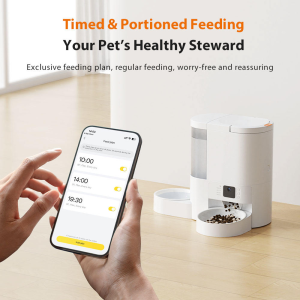
Smart pet feeder with app control for scheduled automatic feeding

Smart pet feeder with smartphone app control for scheduled and remote feeding

Smart bird house with camera and sensors for bird watching and pet care

Colorful smart bird house with built-in camera and environmental sensors for bird watching

Essential pet care devices:

  • Automatic pet feeders with scheduled feeding and portion control ($50-$150)
  • Video bird feeders with HD camera and motion detection for bird watching ($80-$200)
  • Smart water fountains with circulating filtration ($30-$80)
  • Pet monitoring cameras with two-way audio ($40-$100)
  • GPS pet trackers for location monitoring ($30-$80)

Smart Pet Care Features:

  • Remote feeding control via smartphone app
  • HD video monitoring with night vision
  • Motion detection alerts for pet activity
  • Environmental sensors (temperature, humidity)
  • Automatic feeding schedules and portion control

Smart Control Devices

UK standard smart water heater switch 40A with Tuya Smart Life app control

UK standard smart water heater switch with 40A capacity and Tuya Smart Life app control

Essential control devices:

  • Smart light switches (WiFi/Zigbee/Matter) with dimming and scheduling ($15-$50)
  • Smart water heater switches with high power capacity ($25-$60)
  • Smart control panels (4″/6″/10″) with touch display ($80-$300)
  • Smart plugs and outlets with energy monitoring ($12-$30)
  • IR universal remotes for legacy devices ($20-$50)

Smart Control Features:

  • Voice control via Alexa, Google, Siri
  • Smartphone app control from anywhere
  • Scheduling and automation routines
  • Energy usage monitoring and reports
  • Matter protocol compatibility

Where to Buy Smart Home Devices

Online:

  • Amazon (widest selection)
  • Xingliao Shop (odmhome.com) – OEM/ODM, bulk orders
  • Best Buy (expert advice)
  • Home Depot (installation services)

Direct from Manufacturers:

  • Often better prices
  • Latest products
  • Direct support

Tips:

  • Compare prices across retailers
  • Check for bundle deals
  • Read recent reviews
  • Verify return policy

Conclusion: Start Your Smart Home Journey

Building a smart home doesn’t have to be complicated or expensive. Start with the essentials:

  1. Smart speaker/hub ($50)
  2. Smart bulbs ($20-$45)
  3. Smart plugs ($15-$25)
  4. Smart doorbell ($89-$250)
  5. Smart thermostat ($200)

Total starter investment: $374-$570

Add devices gradually based on your needs and budget. Remember:

  • Start small, expand gradually
  • Choose compatible devices
  • Prioritize security
  • Focus on devices that solve real problems

Ready to start? Shop our curated smart home collection at Xingliao Smart Home and get free shipping on orders over $100!


Last Updated: July 12, 2026

You Might Also Like
Frequently Asked Questions

Is Blog Devices worth buying?

Based on the breakdown in this article, Blog Devices offers a solid mix of features and value. If your main goal matches the key benefits described above, it is a practical choice for everyday use.

How do I choose the right blog devices for my needs?

Start with your core use case, then compare battery life, compatibility, and build quality as covered above. Choosing the right blog devices comes down to matching specs with how you actually use it.

Does blog devices require a companion app?

Most devices of this type pair with a free companion app for setup and firmware updates. A few advanced features may sit behind a paid plan, so check the official specs page before buying.

Related Articles