A rain sensor sounds like a device that tells you something you can already see from the window. Its value is not the notification; it is the automation. Once the sensor is reporting “it is raining” to the same app that runs your other devices, it becomes a trigger for things you would otherwise have to remember.
Our solar rainwater and leak sensor runs on Zigbee with its own panel, and the ultrasonic level sensor covers the related job of measuring how much Water is in something.
Four automations worth setting up
- Close the roof window or skylight. The classic use: rain detected, motorised window closes. This is the one that justifies the sensor on its own in any house with a remote skylight.
- Skip the irrigation cycle. If garden watering is automated, a rain sensor stops it running on a day when the ground is already soaked.
- Retract the awning or bring in the cover. Rain plus wind is what damages awnings; the sensor gives you the trigger.
- Alert on water where it should not be. The same class of sensor is used as a leak detector in a loft, a garage or under a sink — see our water leak sensor placement guide for that use.
Where to mount it so it reads correctly
A rain sensor has to get wet to work, which sounds obvious but dictates the mounting position:
- Open to the sky. Under a soffit, a porch or a tree, it will under-report — it only sees the rain that reaches it.
- Level or very slightly tilted. Most sensor plates are designed to shed water; mount them as intended so the surface does not hold a puddle and report rain hours after it stopped.
- Away from sprinklers and drips. An irrigation line that sprays the sensor in dry weather produces false positives all summer.
- Reachable enough to clean. Dust, pollen and bird deposits change how water beads on the plate. A seasonal wipe keeps readings sane.
Zigbee, and what that means
The Zigbee models do not connect to your router directly — they join a ZigBee gateway, which is also what gives them long battery life. A solar model adds a small panel that keeps the cell topped up through the year, which matters for a sensor mounted on a roof or a fence where charging it is a chore. Q81 Wireless Button Microphone – Mini Invisible Lapel Mic for Vlogging, Interview & Live Streaming
If you are choosing between wired and Wireless gateways for the same setup, see wired vs wireless Zigbee gateways; and if you are planning a whole sensor network, how many devices one gateway can handle is the number that decides whether you need a second hub. Smart Wireless Video Doorbell – 24/7 HD Front Door Security With Night Vision & Voice Change
What it will not do
Be honest about the limits: a rain sensor reports wet or dry, not millimetres. It will not tell you how much rain fell, and it cannot measure a tank level — for that you want an ultrasonic sensor that reads distance to the water surface. It also reports rainfall at the sensor, which is not necessarily the rainfall in the garden if the sensor sits in a sheltered spot. Smart Visual Wireless Video Doorbell: Upgrade Your Home Security in 2026
FAQ
- Does it need WiFi?
- The sensor itself uses Zigbee and talks to a gateway; the gateway connects to your network. The sensor does not join WiFi directly.
- Will it trigger from dew or fog?
- Heavy dew can register. If that causes false automations, raise the trigger threshold in the app or delay the automation by a few minutes.
- Does the solar panel work in winter?
- It contributes less in low light, but a rain sensor draws very little. The panel is there to stretch the interval between charges, not to replace the battery.
- Can one sensor drive several automations?
- Yes — the sensor reports a state, and the app can use that state in as many scenes as you like.
- Is it the same as a leak sensor?
- Similar sensing principle, different mounting and purpose. A rain sensor lives outdoors in the open; a leak sensor sits where water would collect if something failed.
- How do I stop it reporting rain after it stopped?
- Mount it tilted as designed so water runs off the plate, and keep the surface clean.
Related Articles
- Home Automation System: How to Build One That Actually Gets Used
- Door and Window Sensor Installation: Fitting, Gaps and Automations
- Video Doorbell Without WiFi: How It Actually Works
- Solar Magnetic Outdoor Light: Wire-Free Motion Sensor Solar Security Light for Yard & Fence
- Solar Rainwater Sensor: Zigbee 3.0 Leak Detection with Tuya Smart Home Automation
You Might Also Like
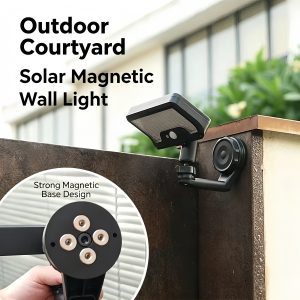 Solar Outdoor Courtyard Wall Light, Magnetic Mount Motion Sensor Solar Security Light for Home Patio Garden Price range: $19.96 through $22.96
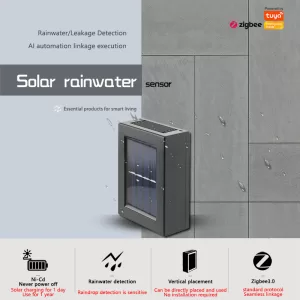 Tuya Zigbee Solar Rainwater Leak Sensor – Smart Home Water Detection Alarm with AI Automation Original price was: $35.96.$26.99Current price is: $26.99.
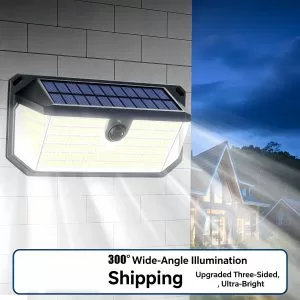 Solar Motion Sensor Wall Light Outdoor 300 Wide Angle Three-Sided Security Light Price range: $15.56 through $29.96
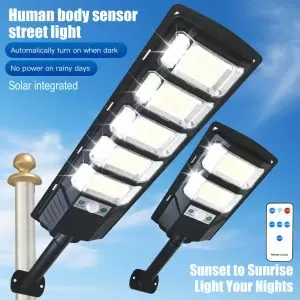 Solar Motion Sensor Wall Light Outdoor LED Street Lamp Waterproof Smart Remote Control Price range: $26.96 through $46.86
Frequently Asked Questions
Is Rain Sensor Actually worth buying?
Based on the breakdown in this article, Rain Sensor Actually offers a solid mix of features and value. If your main goal matches the key benefits described above, it is a practical choice for everyday use.
How do I choose the right rain sensor actually for my needs?
Start with your core use case, then compare battery life, compatibility, and build Quality as covered above. Choosing the right rain sensor actually comes down to matching specs with how you actually use it.
Does rain sensor actually require a companion app?
Most devices of this type pair with a free companion app for setup and firmware updates. A few advanced features may sit behind a paid plan, so check the official specs page before buying.
📌 This article is part of our Complete What Hub — more guides and buying tips inside.