Smart locks are not interchangeable. Unlike a Smart plug, a lock has to physically fit the door, and “almost fits” means a hole in the wrong place. Measure first, and the choice narrows from dozens of models to two or three.
Measure four things before shopping
- Door thickness — tape measure across the edge of the door. Most locks cover a range (commonly 35–55 mm or 40–120 mm); yours must fall inside it.
- Lock body type — a European mortise, a Scandinavian oval cylinder, a US tubular latch, or a simple rim lock. Photograph the edge of the door: the metal plate visible there identifies it faster than any description.
- Hole spacing — the distance between the cylinder hole and the handle spindle. This is the specification that decides whether an existing hole can be reused.
- Handing and swing — which side the hinges are on and whether the door opens inward or outward, because some locks are handed.
Take photographs of the door edge, the face of the existing lock and the door from both sides. With those four numbers and three photos, a fit question is answered in one message instead of a return shipment.
Three lock types, and what each one replaces
| Type | Replaces | Best for | Intrusiveness |
|---|---|---|---|
| Full handle/lever lock with biometrics | The whole lock | Front doors, homes you own | Permanent |
| Round knob lock | An existing round knob | Interior doors, rentals, offices | Low, reversible |
| Video intercom lock | The whole lock, adds a camera | House entrances, gates | Permanent |
A biometric handle lock is the common answer for a front door. The 3D face recognition lock adds fingerprint, password and app entry, and the palm-vein version is the step up for a main entrance or an office Where you want fewer false rejections and a method that cannot be lifted from a photograph.
A round knob lock is the least disruptive option and the one to consider for an interior door, a home office, or a rental you must hand back unchanged: the Bluetooth knob lock keeps a keyed cylinder as backup and can be swapped back in minutes.
A video intercom lock combines both jobs at a house entrance — camera, intercom, face recognition and lock in one unit, as on the 3D face video intercom lock. If you are weighing this against a separate doorbell and camera, our apartment intercom retrofit guide covers the case where the building’s own system is the constraint.
Opening methods: what each is actually good for
Fingerprint is the everyday method, and the sensor type matters outdoors: capacitive sensors read a dry or cold finger poorly in Winter, so a lock intended for an exposed door should have a robust sensor or a second method. 3D face and palm vein are the hands-full answer, and the reason to spend more. Passwords are for guests, preferably with a disposable code. NFC cards or fobs suit a household with children or cleaners. App and remote unlocking is for letting someone in when you are not home.
Whatever you buy, keep a physical key. Battery failure, a dead module or a flat phone should not be able to lock you out of your own house, and every serious lock retains a keyed override for exactly that reason.
Connectivity, battery and cold
WiFi locks connect directly but consume more power; Bluetooth locks are frugal but need a Gateway for remote access and automations — the trade-off is the same one explained in our guide to smart home hubs. Expect six months to a year from a set of cells under normal use, less in cold weather, and make sure the lock has an emergency contacts or emergency USB terminal so a flat battery can be resolved from outside the door.
For an exposed door in a freezing climate, check the stated operating temperature. Electronics and batteries behave differently at minus ten, and this is the specification most often discovered in January.
What a smart lock does not solve
It does not make a weak door strong, and it does not replace a decent cylinder — a lock is one part of a door’s resistance, and the frame and hinges matter as much. It does not remove the need to manage access: codes should be rotated for guests, and old credentials deleted when a cleaner or a contractor stops coming. And it is not an alarm system; it tells you who opened the door, not that someone is inside. Treat it as convenience plus an access log, and keep physical security separate.
Frequently Asked Questions
Can I fit a smart lock in a rental?
Usually yes if you choose a reversible type such as a knob lock and keep the original hardware to refit. Anything requiring new holes in the door needs the landlord’s agreement.
What happens if the battery dies?
Use the emergency terminal with a power bank for a one-off entry, then replace the cells. Keep the physical key accessible outside the home — with a neighbour, not in the lock box on the door frame.
Is face recognition reliable outdoors?
Modern 3D systems handle backlight and low light far better than camera-based recognition. Sunglasses, heavy scarves and very young children are still the difficult cases, so keep a second method enrolled.
Do I need a hub?
Only for remote access and automations on Bluetooth models. If you unlock at the door and nothing else, you do not.
Related Articles
- 4G Smart Watch with GPS: When a Standalone Watch Beats One Tethered to a Phone
- Do You Actually Need a Smart Home Hub? Zigbee, Matter and Bluetooth Gateways Explained
- Zigbee Gateway OEM: Complete Guide for Smart Home Distributors
- Tuya vs Sonoff Smart Switch: Which Ecosystem Should You Build On?
- Apartment Intercom Retrofit: 2-Wire, 4-Wire and What Fits the Block You Already Live In
You Might Also Like
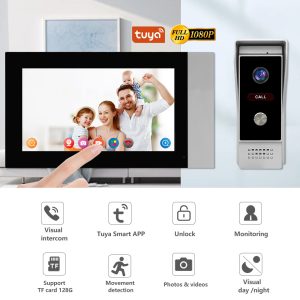 Tuya Smart 7 Inch Wired Video Door Phone Intercom System,1080P Waterproof Doorbell Camera with Monitor, Motion Detection Remote Unlock Night Vision Original price was: $129.96.$113.99Current price is: $113.99.
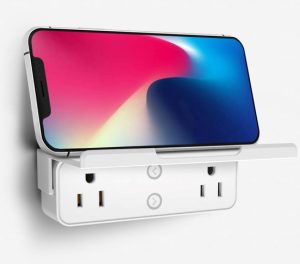 WiFi Smart Socket 1-to-2, US Standard Outlet | XingLiao Price range: $7.50 through $8.00
 Smart WiFi Touch Switch with Energy Monitoring — Tempered Glass Panel, 600 W per Gang, Child Lock Price range: $11.50 through $13.50
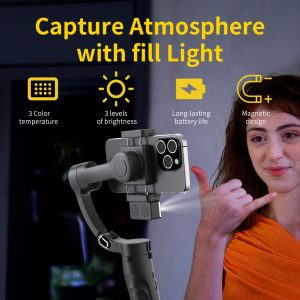 3-Axis Smartphone Gimbal Stabilizer, Handheld Phone Video Stabilizer with Magnetic Fill Light, 8.0 Anti-Shake, Gesture Control & Detachable Remote Controller Original price was: $89.99.$73.99Current price is: $73.99.
📌 This article is part of our Complete Smart Hub — more guides and buying tips inside.