Pointing a normal indoor camera out of a window produces disappointing footage: a reflection of the room by day, and infrared LEDs bouncing off the glass at night so the image fogs into grey. It is one of the most common Camera mistakes, and it is not fixed by buying a better Camera — it is fixed by using a camera designed for glass.
The Tuya Smart Window Camera is built for this: it mounts flat against the pane so the Lens is coupled to the glass, which removes the air gap that causes reflections and lets infrared pass through instead of bouncing back.
Why glass breaks a normal camera
Three separate problems:
- Reflections. Any gap between lens and glass lets the lens see its own reflection and the room behind it, especially when it is darker outside than in.
- Infrared bounce. Night vision works by lighting the scene with IR LEDs. Glass reflects infrared almost perfectly, so the camera lights up the window itself and sees nothing beyond it.
- Exposure. A camera metering the bright outdoors will underexpose, and one metering the room will blow out the street. Auto exposure flickers between the two.
A window camera solves the first two physically — flush mounting removes the gap, and the LEDs are arranged to fire through the pane. The third is handled by exposure tuning for an outward view.
Where a window camera makes sense
- Flats with no outdoor space — no drilling into an exterior wall you do not own.
- Street-facing rooms — watching a parked car or the pavement without an outdoor install.
- Ground-floor windows on a busy path — coverage where an outdoor camera would be tampered with.
- Rentals — mounted inside, taken with you when you leave.
Getting a clean image: practical steps
- Clean both sides of the glass. Smears that are invisible to the eye show up as haze in footage.
- Mount flush and sealed. The unit adheres to the pane; any gap reintroduces reflections.
- Avoid direct sun on the pane. A window in full afternoon sun will glare regardless of the camera.
- Turn the room lights off at night if you are filming out after dark — interior light is the main source of remaining reflection.
- Consider the angle. Straight out through the glass gives the cleanest image; filming at a steep angle through the pane degrades it.
When to choose an outdoor camera instead
Glass always costs some image quality. If you can mount outside — an eave, a wall, a soffit — an outdoor camera such as the outdoor dual-lens PTZ will give you a sharper, wider view with better night performance. Choose the window camera when mounting outside is impossible, not merely inconvenient.
If you are weighing Battery against mains for the outdoor option, our battery vs plug-in comparison covers that decision, and this guide covers outdoor spots with no socket.
FAQ
- Can I just put a normal indoor camera in the window?
- You can, but expect reflections by day and a washed-out infrared picture at night. A window camera is designed around the glass rather than fighting it.
- Does it work with double glazing?
- Yes. Double glazing is fine — the mount couples to the inner pane. Tinted or heavily coated glass reduces image quality.
- Will it fall off?
- The mount uses a strong adhesive pad rated for the weight. Clean the glass with alcohol before fitting and press firmly; on a cold pane, warm the area first.
- Can I see number plates?
- At 3 MP / 2K, a plate directly in front of the window within a few metres is often readable. Plates at distance or at an angle are not reliable.
- Does it record at night?
- Yes, with the room lights off. Interior lighting is the main cause of night-time reflection.
- Do I Need WiFi?
- Yes, 2.4 GHz, same as the rest of the range. Test signal strength at the window before fitting.
Related Articles
- Outdoor Security Camera Without a Power Outlet: What Actually Works
- Dual-Lens Security Camera: What the Second Lens Is Actually For
- Battery Camera vs Plug-In Camera: Choosing Each Room’s Camera
- Door and Window Sensor Installation: Fitting, Gaps and Automations
- Video Doorbell Without WiFi: How It Actually Works
You Might Also Like
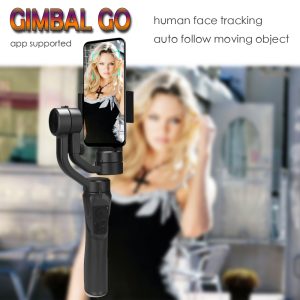 F6 3-Axis Handheld Smartphone Gimbal Stabilizer, APP Supported Face & Moving Object Tracking, Brushless Motor Phone Video Stabilizer for Vlog Travel Shooting Original price was: $69.96.$59.96Current price is: $59.96.
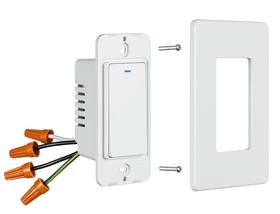 US Standard WiFi Push Button Switch — Single, Double, Triple & Quadruple Covers Price range: $5.90 through $18.20
 86 × 86 mm Function Switches — Fan Speed / Curtain / Dimmer / ZigBee Scene Panel Price range: $8.50 through $13.76
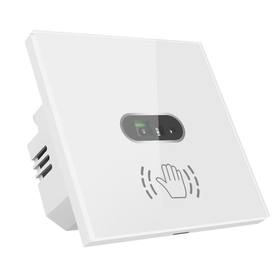 Wave Gesture Switch — Contactless, WiFi & Standalone, EU & US Plates Price range: $5.50 through $7.00
Frequently Asked Questions
Is Window Camera Filming worth buying?
Based on the breakdown in this article, Window Camera Filming offers a solid mix of features and value. If your main goal matches the key benefits described above, it is a practical choice for everyday use.
How do I choose the right window camera filming for my needs?
Start with your core use case, then compare battery life, compatibility, and build quality as covered above. Choosing the right window camera filming comes down to matching specs with how you actually use it.
Does window camera filming require a companion app?
Most devices of this type pair with a free companion app for setup and firmware updates. A few advanced features may sit behind a paid plan, so check the official specs page before buying.
📌 This article is part of our Complete Camera Hub — more guides and buying tips inside.