In Europe, the 86 × 86 mm round-corner box is not a niche format — it is the default back box in apartments, hotels and offices built or renovated over the last three decades. That single fact drives most of the sourcing decisions we see from EU distributors: any Smart switch that cannot drop into an existing 86 mm box without chasing walls has a very limited addressable market.
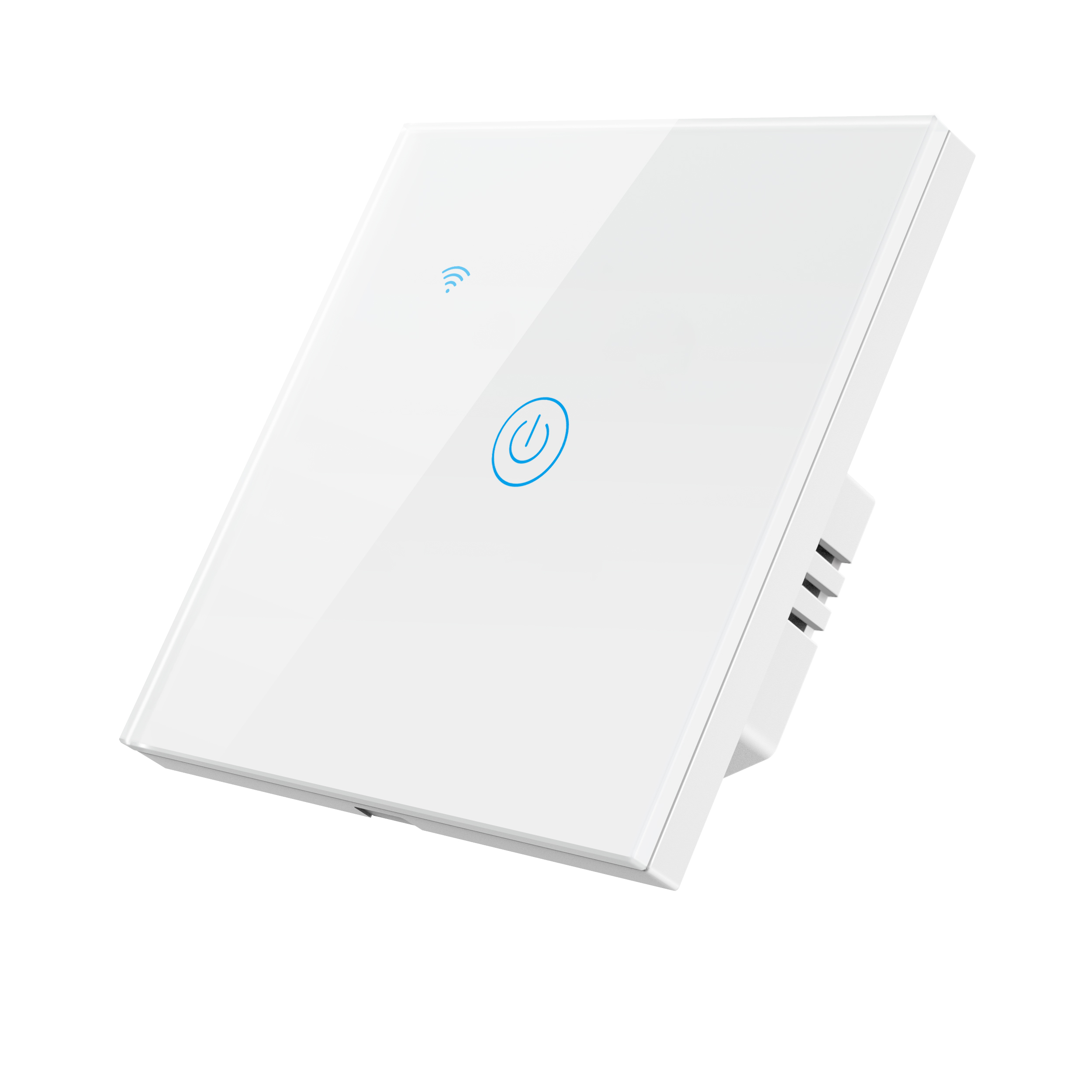
The DS-101BW is built around that constraint. It is a tempered-glass-front, 1- to 4-gang capacitive Touch switch with Wi-Fi and BLE on board, sized to the EU 86 mm format and slim enough to sit close to the wall. This article covers what it Actually is, what it is not, and how to spec it so that a container load does not become a returns problem.
What the DS-101BW actually is
The unit is a wall-mounted lighting controller, not a plug-in module. Power and load terminals sit on the rear, switching is done through capacitive touch keys under a glass faceplate, and the radio link is a 2.4 GHz Wi-Fi + BLE combination. BLE is what makes first-time commissioning tolerable — pairing happens locally over Bluetooth, then the device joins the customer’s 2.4 GHz network.
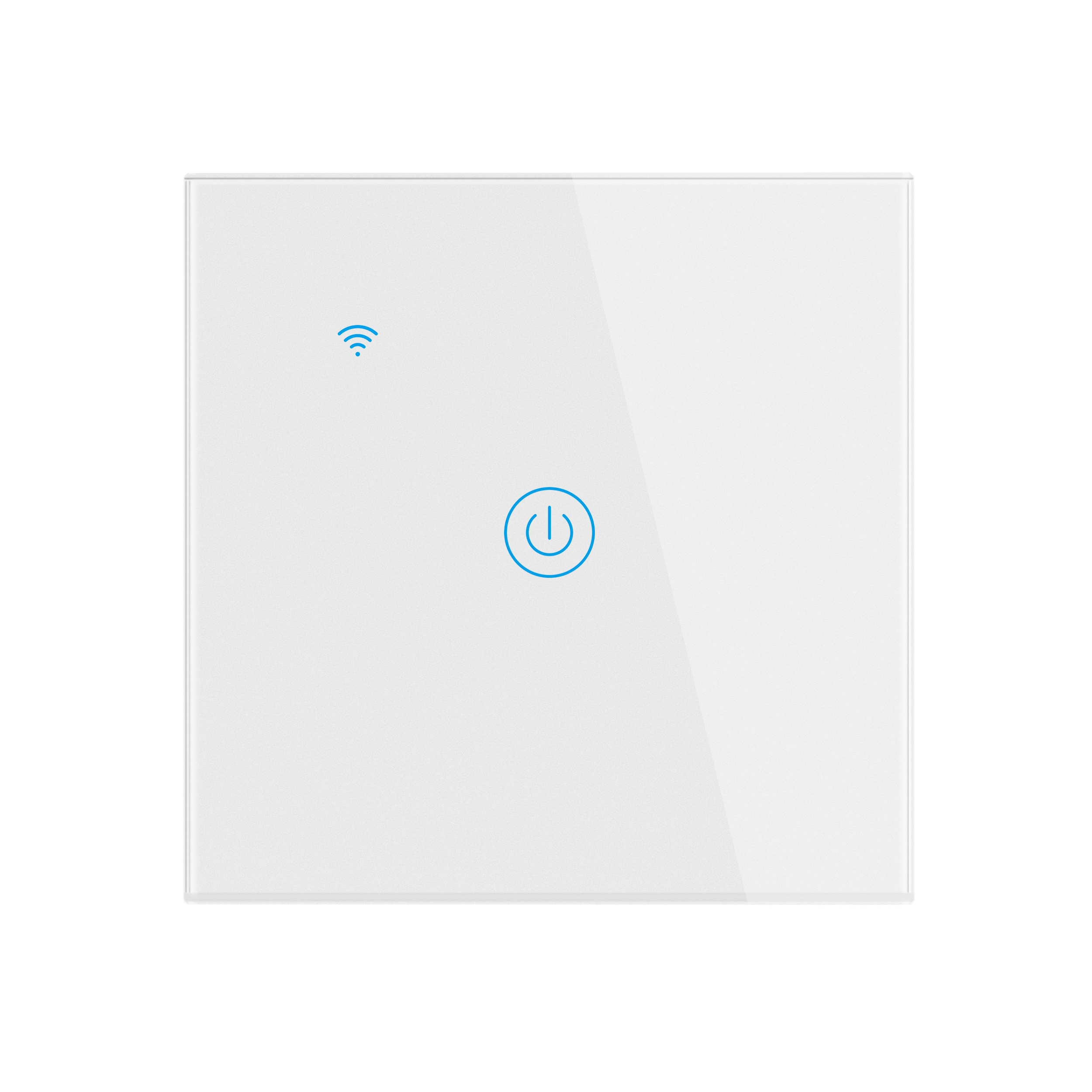
Panel and body dimensions
The faceplate is 86 × 86 mm with a 35 mm overall profile and roughly 49 mm of rear depth including the terminal block. That rear figure is the one that decides whether an install works: shallow European dry-lining boxes and older concrete boxes are frequently under 45 mm of usable depth once cables are folded back. Measure before quoting, or specify a deeper box for new-build.
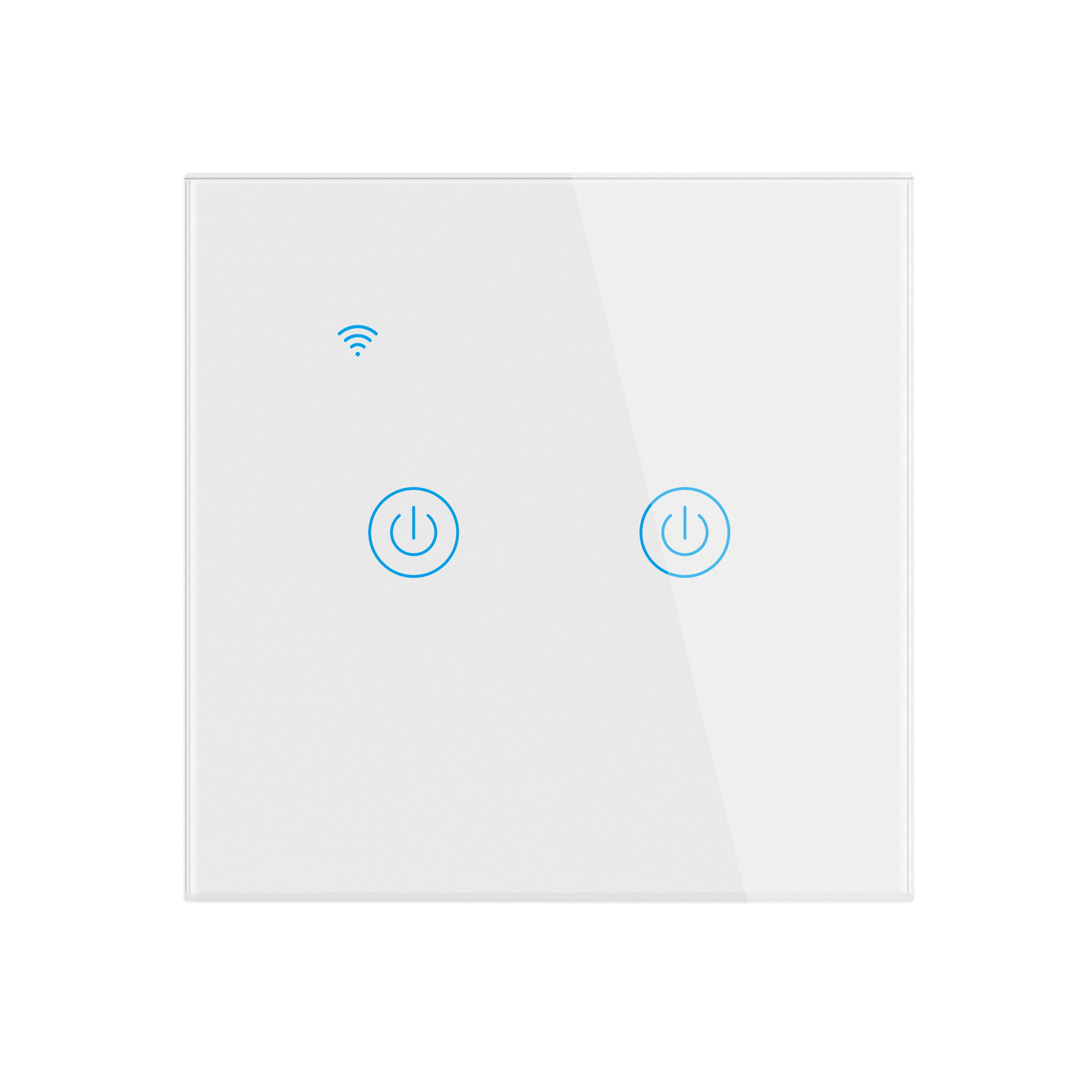
Gang options and finish range
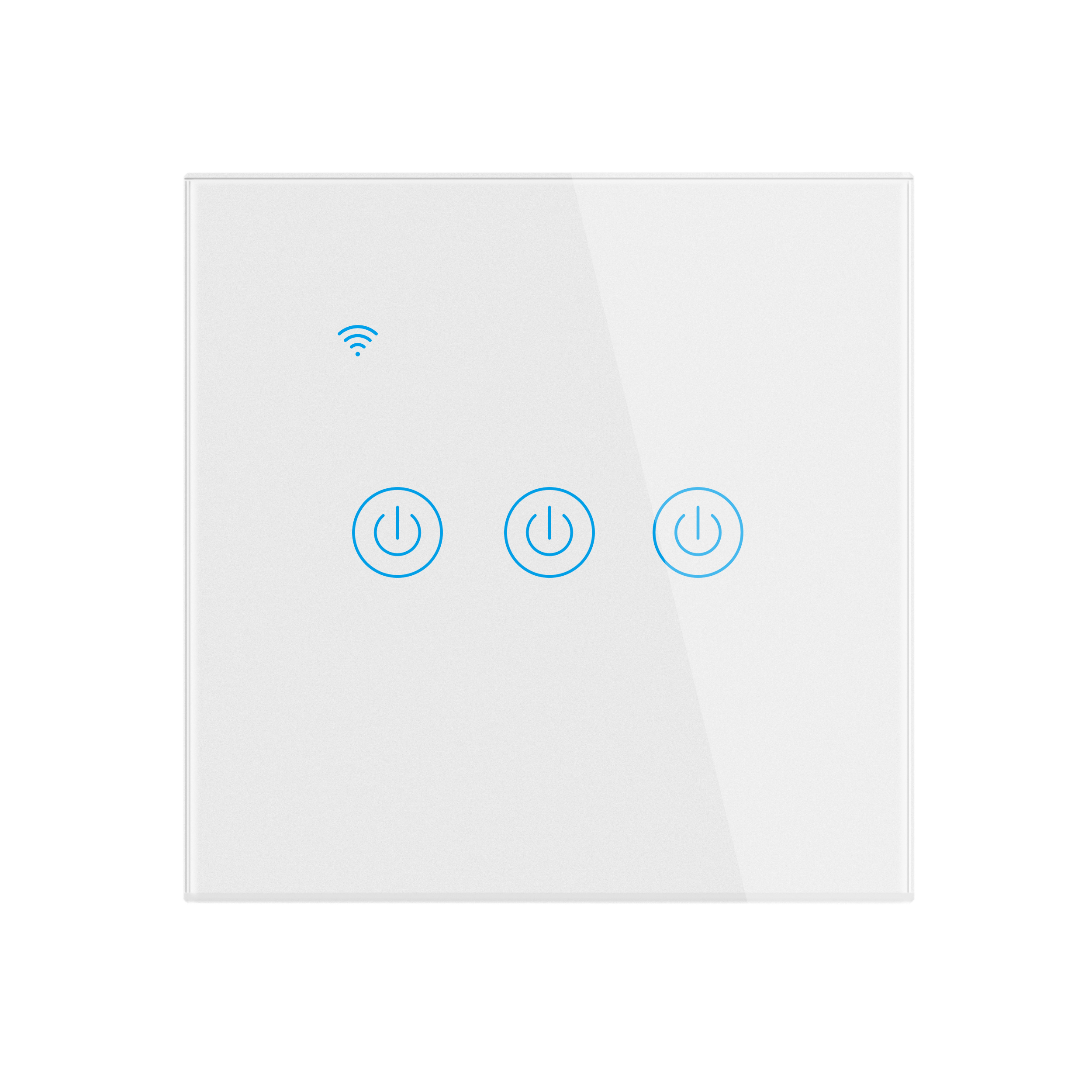
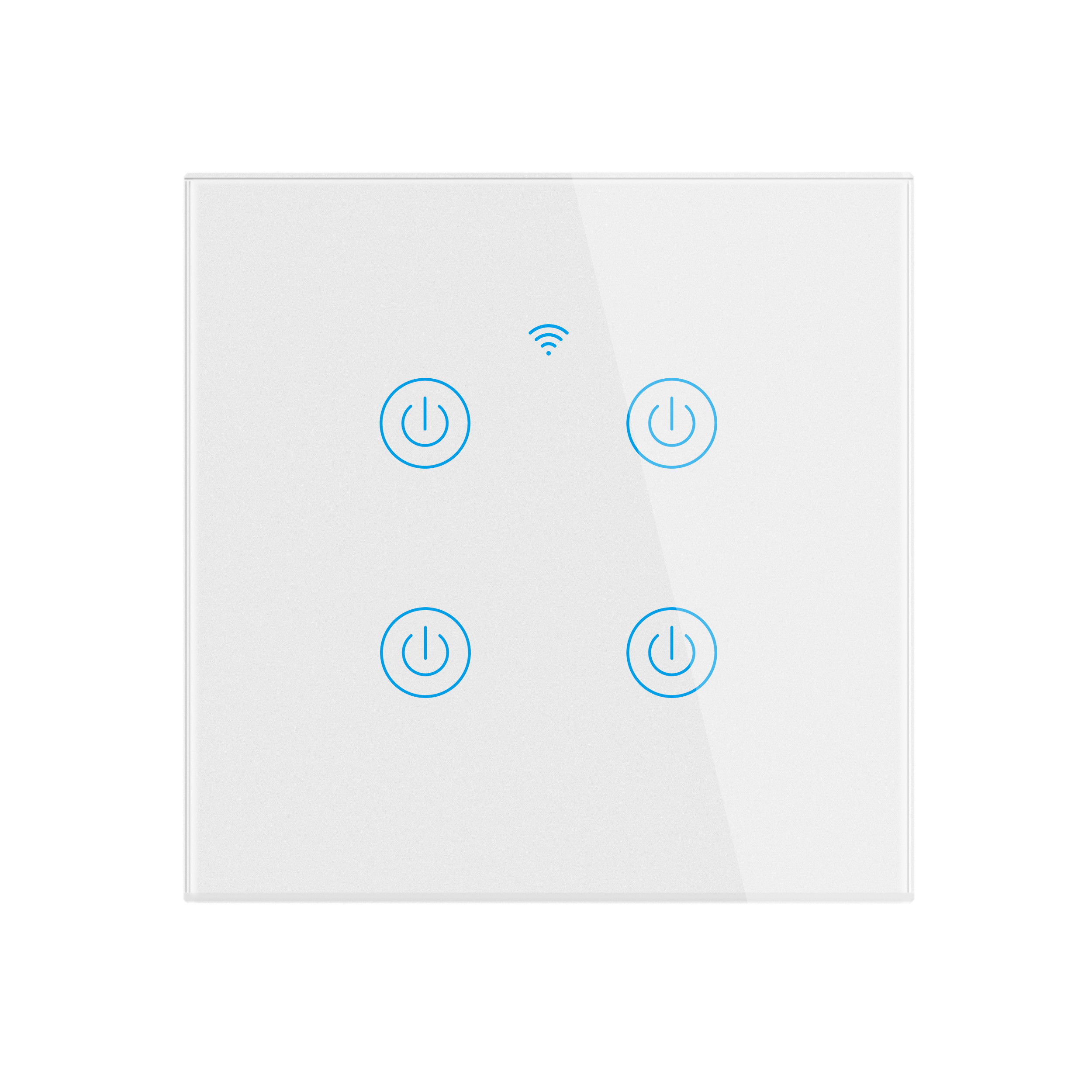
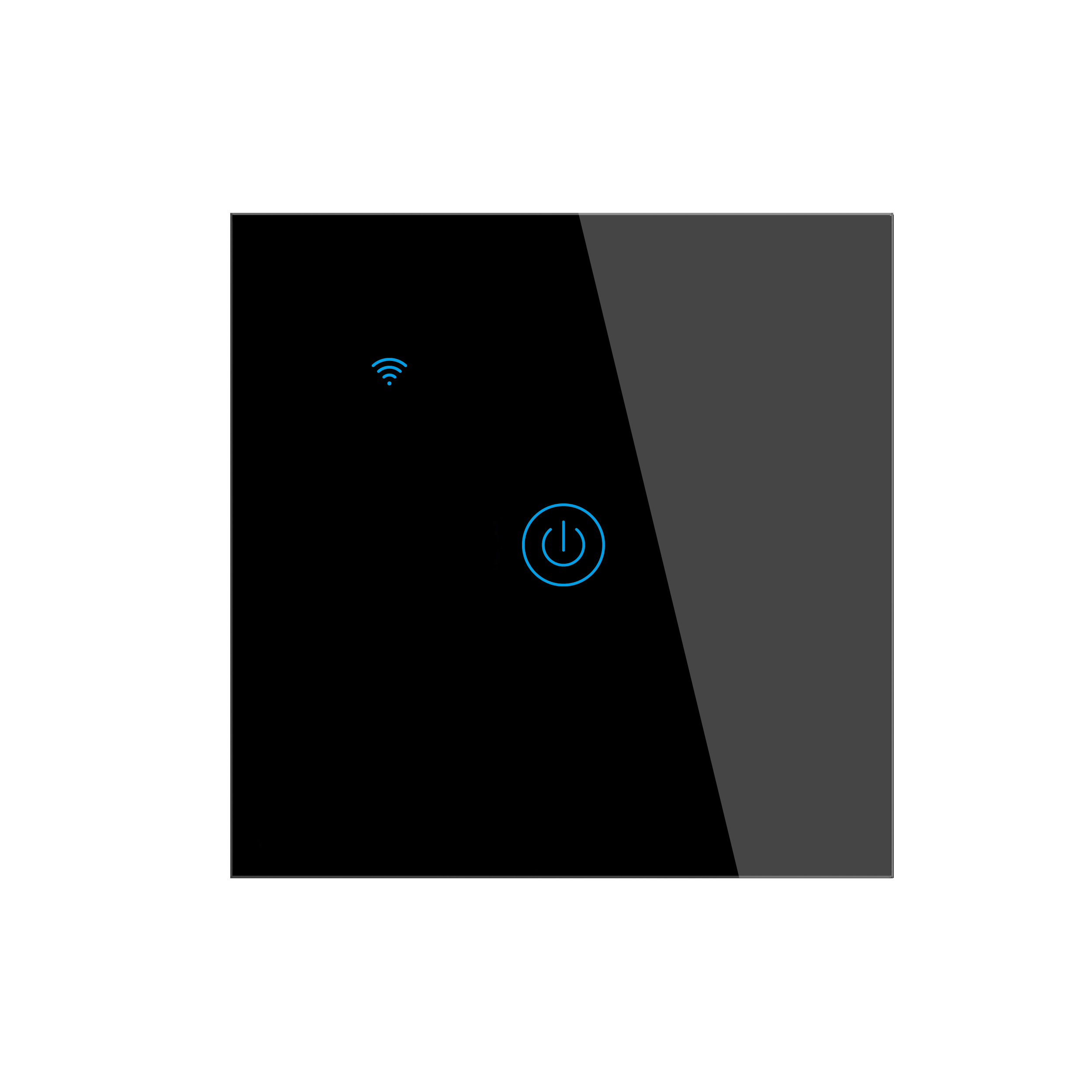
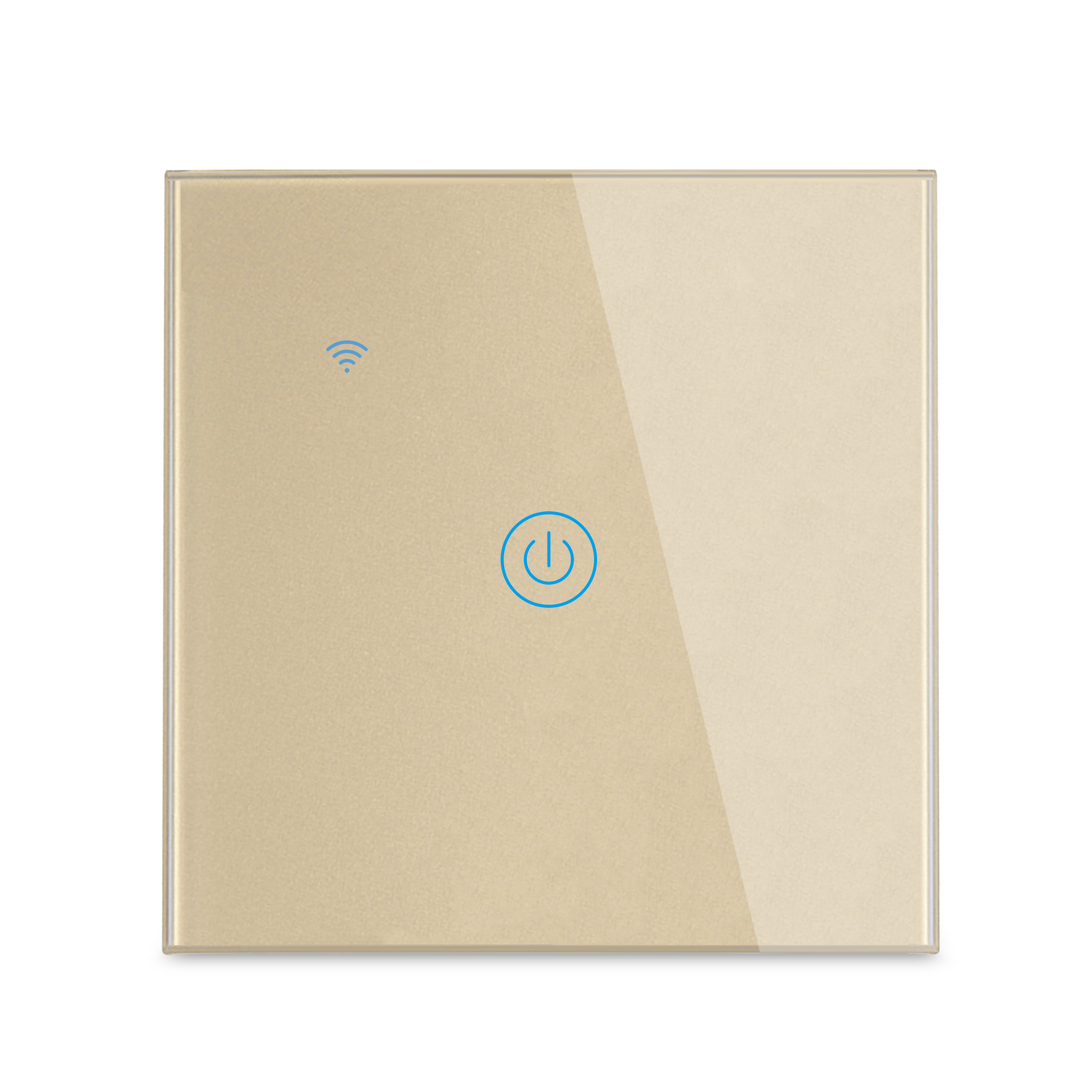
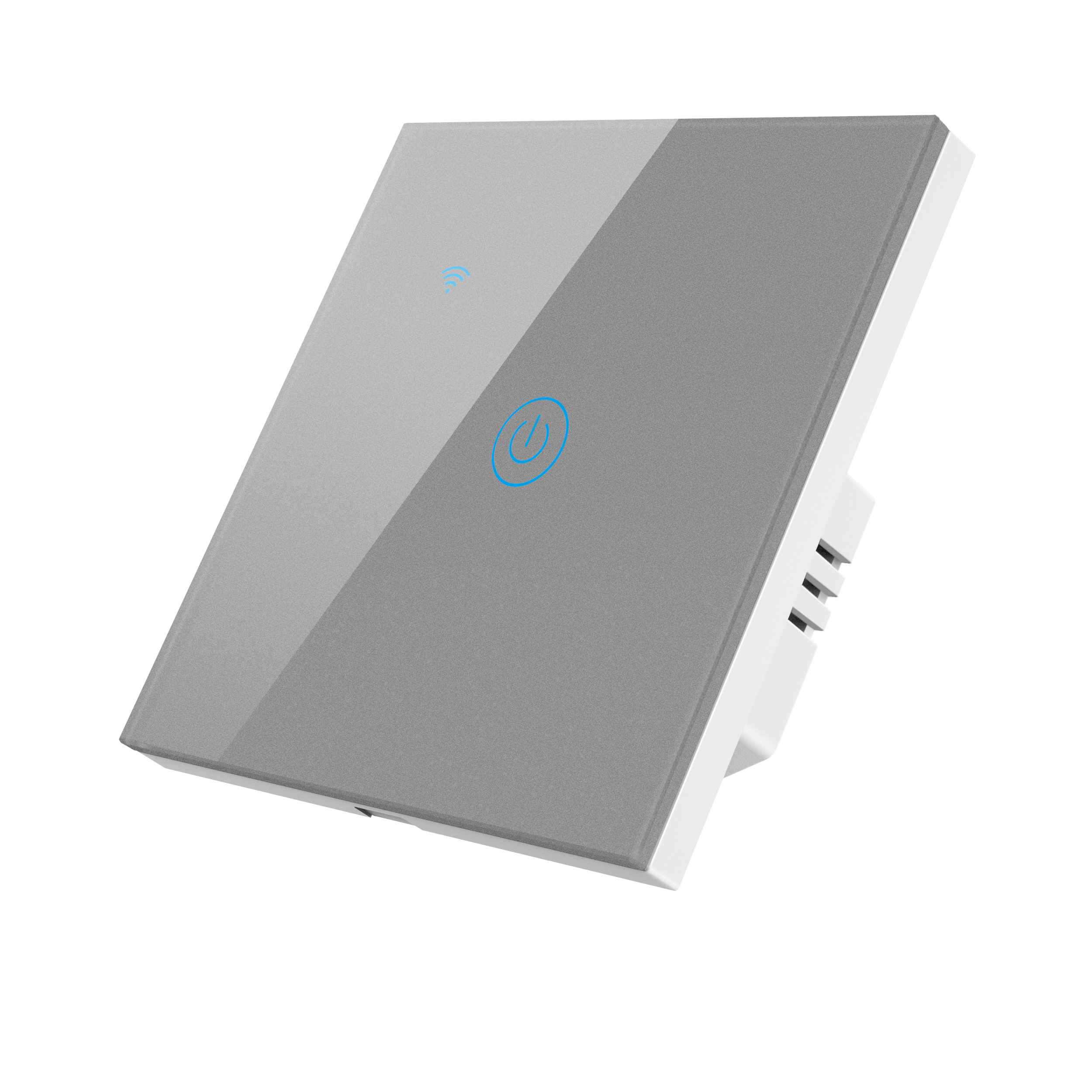
One to four gangs are available on the same 86 mm faceplate, so a project can standardise on one SKU family and cover single-pole bathroom lighting through to four-zone living areas. Finishes run white, black and champagne gold — the champagne variant matters more than it sounds, because hotel interior packages increasingly specify warm metallics and will reject a project on a pure-white-only range.
Technical specification
| Item | Specification |
|---|---|
| Model | DS-101BW (1–4 gang) |
| Standard / format | EU 86 × 86 mm back box |
| Panel size | 86 × 86 mm, 35 mm overall thickness, ~49 mm rear depth |
| Faceplate | Tempered glass, capacitive touch keys |
| Rated voltage | AC 100–240 V, 50/60 Hz |
| Max load | 600 W per gang |
| Max current | 10 A |
| Wireless | Wi-Fi 2.4 GHz + BLE |
| Wiring terminals | L1, L2, L3, L4, L and N |
| Colours | White / Black / Champagne gold |
| Voice ecosystems | Amazon Alexa, Google Assistant |
| Certification | CE, RoHS, FCC, ETL |
Note on ratings: the electrical figures above are the shared DS-101 platform values published in our DS-101 JL English datasheet and detail pages. Where a tender requires a stamped declaration per SKU, confirm the final rating on the datasheet issued with your quotation — do not copy the platform table into a tender response without that confirmation.
Why a glass front, and where it fails
Glass is chosen for two reasons that have nothing to do with aesthetics. First, it does not yellow or scuff the way lacquered plastics do after a few years of cleaning chemicals — relevant in hotels where rooms are wiped daily. Second, a sealed glass faceplate with no mechanical travel has no gap for dust or steam ingress at the key, which is why glass touch panels dominate bathroom and kitchen specifications.
What glass does not fix is the mounting surface. A glass panel is unforgiving of a box that is set 2 mm out of plane or a wall that is not flat: the panel will show a shadow line, and on a four-gang unit that line is 86 mm long. On retrofit projects, insist on a box alignment check during the site survey rather than discovering it at handover.
Wiring layout and load planning
The rear terminal block is laid out as L4, L3, L2, L1, L, N. Each L terminal drives one lighting circuit; L is the permanent live feed and N is the neutral. Two practical points come up on almost every project:
- Neutral is required. This is a neutral-referenced design — there is no single-live-wire workaround on the BW platform. If a site has switch drops with live only, that is a different product decision, and it should be resolved at survey stage, not on site.
- 600 W per gang is a switching limit, not a suggestion. Four gangs at 600 W is 2,400 W on one 86 mm faceplate. The heat has to go somewhere. For high-wattage circuits — water heaters, large resistive loads, big commercial lighting banks — use a contactor driven by the switch rather than the switch itself.
Where this SKU earns its place
Hotel and serviced apartment refurbishment
Room-by-room replacement is the classic use case. The existing 86 mm boxes stay, the wiring stays, and the only change is the device. Four-gang units cover entrance, bedside and desk lighting groups; scenes and schedules are pushed from the app rather than rewired. Because commissioning uses BLE locally, a technician can pair a room without the hotel Wi-Fi credentials being available yet — which in practice removes the single biggest scheduling conflict on a fit-out programme.
Residential upgrade and rental stock
In rented flats the appeal is reversibility: a glass touch panel replaces the original rocker without touching the wiring, so a landlord can install it and, if required, put the original switch back at the end of a tenancy. The 1- and 2-gang versions are the volume movers here.
Clinics, offices and small retail
Where a facility wants scheduled lighting — reception lighting on at 07:30, signage off at 22:00 — timer and schedule functions in the app do the job without a building management system. The 4-gang unit maps cleanly onto a four-zone open-plan floor plate.
Commissioning and app control
Devices are commissioned through the Smart Life / Tuya ecosystem. The sequence is the same one that has become standard across the category: hold the key to enter pairing mode, connect over BLE, enter the 2.4 GHz network credentials, assign the device to a room. Alexa and Google Assistant are supported once the account is linked. Multi-user sharing matters for the hotel scenario — housekeeping and maintenance need access without sharing the owner’s login.
OEM / ODM programme
For distributors and private-label brands, the 86 mm glass platform is available with customisation at the points that actually differentiate a product on a shelf:
- Laser-etched logo on the glass faceplate
- Custom colour box and multilingual manual (EN / DE / FR / ES available on request)
- Neutral packaging for marketplace sellers, retail packaging for distribution
- Firmware-level brand configuration within the app ecosystem
Tooling for private-mould variants is quoted separately and depends on volume; the standard 86 mm glass housing can be branded without new tooling, which is usually the fastest route to market for a first container.
Procurement checklist
- Confirm neutral availability at every switch drop before committing to the BW platform.
- Measure rear box depth — target 50 mm usable; flag anything below 45 mm.
- Fix the gang mix per room type rather than ordering a flat blend of 1–4 gang.
- Decide the finish split by project package; champagne gold is a project-driven SKU, not a stock item.
- Confirm certification documentation required by the destination market (CE / RoHS for EU, FCC / ETL for North American tenders).
- Request a sample unit and test it on the target network with the target app version before volume release.
Next step
If you are specifying 86 mm glass touch switches for an EU renovation, a hotel roll-out or a private-label launch, send us the room-type schedule, the gang mix, the finish split and your target certification set. We will come back with a quotation, the SKU-level datasheet for each gang count, and a sample lead time. Mixed containers with the 118 mm US-format range can be consolidated in a single shipment to reduce freight cost per unit.
Request a quotation, datasheet and sample for DS-101BW → include your project country, estimated annual volume and required certification, and we will respond with availability and pricing.
Related Articles
- Touch-Free by Design: The 400 W Wave-Sensor Wi-Fi Wall Switch for Hotels, Clinics and High-Traffic Projects
- Socket with a Clamp: Fitting a Smart Socket Where There Is No Box
- British Standard 5-Hole Smart Sockets: One Plate for Every Plug in the Room
- DS-1539WN Smart WiFi Wall Socket: In-Situ Replacement in 86mm Box with Child Safety Shutter
- WiFi Smart Wall Socket: Tuya 16A with PD20W Fast Charging
You Might Also Like
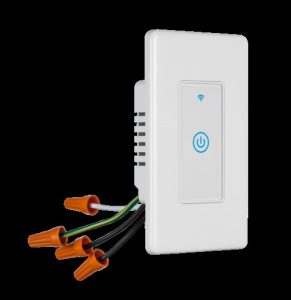 eWeLink US WiFi Touch Switch with Face Cover, 1–3 Way | XingLiao Price range: $11.82 through $13.61
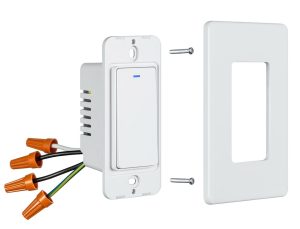 eWeLink US WiFi Button Switch 1200 W, FCC | XingLiao$11.07
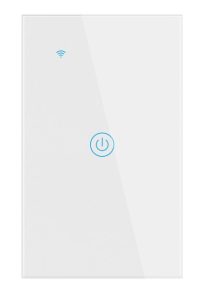 eWeLink US WiFi Touch Switch, Single Live Wire Universal, FCC | XingLiao Price range: $12.12 through $13.91
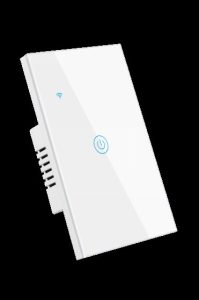 eWeLink US WiFi Touch Switch 1–4 Gang, Neutral Wire, FCC | XingLiao Price range: $10.78 through $12.12
Frequently Asked Questions
Is 86mm Glass Smart Wall Switch worth buying?
Based on the breakdown in this article, 86mm Glass Smart Wall Switch offers a solid mix of features and value. If your main goal matches the key benefits described above, it is a practical choice for everyday use.
How do I choose the right 86mm glass smart wall switch for my needs?
Start with your core use case, then compare battery life, compatibility, and build quality as covered above. Choosing the right 86mm glass smart wall switch comes down to matching specs with how you actually use it.
Does 86mm glass smart wall switch require a companion app?
Most devices of this type pair with a free companion app for setup and firmware updates. A few advanced features may sit behind a paid plan, so check the official specs page before buying.
📌 This article is part of our Complete Smart Hub — more guides and buying tips inside.