A good doorbell camera mounted badly produces worse footage than a cheap one mounted well. Three variables decide it: how high the lens sits, which way it points, and what the light is doing behind the visitor. None of them need an electrician — just ten minutes with a tape measure before you drill.
This applies to wall-mounted models across our video doorbell range, including the X8 and the Battery U9.
Height: chest to eye level, not above the door
Most doorbells are fitted at roughly 1.2 to 1.5 metres from the ground — around chest height on an average adult. That puts the lens close enough to a visitor’s face to be useful while keeping the camera out of easy reach.
Higher than about 1.6 metres and you start photographing the tops of heads and hat brims. Lower, and the camera is easy to tamper with and the view fills with shoulders. If the only sensible mounting point is higher — a frame above the Door, for instance — look for a model with a wide vertical field of view, or use a wedge mount to tilt the lens down.
Angle: tilt down slightly, and decide what you want in frame
A lens pointed straight ahead catches faces well and parcels badly. A lens tilted down by 10 to 15 degrees catches both. The trade-off is a slightly distorted view of a tall visitor standing close.
Decide which matters more:
- Faces first — keep the lens level, useful where you mostly want to know who called.
- Parcels first — tilt down, useful where porch theft is the concern.
Wedge mounts solve this without moving the unit: a 15 or 30 degree shim under the bracket changes the angle and, usefully, can also turn the view along a side path.
Light: the backlit visitor problem
The classic failure is a doorbell facing east or west into low sun, or facing a bright street with the visitor silhouetted. The camera exposes for the bright background and the face goes dark.
Fixes, in order of effort:
- Move the unit to the shaded side of the door frame if the sun comes from one direction.
- Use the porch light after dark — a lit face in front of a dark street is far easier to read than the reverse.
- Choose a model with wide dynamic range or full-colour night vision for difficult entrances.
- Add a shade — even a small porch overhang above the camera reduces direct glare.
WiFi and power still constrain where it can go
The best camera position is useless if the WiFi signal there is dead. Before fixing the bracket, stand at the chosen spot with a phone on 2.4 GHz and check the signal. If it is weak, either move the router or extender, or pick a model that does not depend on your network — the monitor-based kits run their own radio link.
Special case: peephole cameras
A peephole doorbell has no mounting choice at all — it sits at viewer height, typically around 1.5 metres, and looks straight out. That is ideal for faces, poor for parcels, and the only realistic option when you cannot attach anything to the outside of the door or wall.
Check before you drill
- WiFi signal at the exact spot, on 2.4 GHz.
- Door thickness if you are fitting a peephole unit.
- Whether the surface is brick, render, wood or metal — each needs different fixings.
- Whether a wedge mount is needed for the angle you want.
- Local rules if you are in a managed building or a listed property.
FAQ
- What height should a Video doorbell be?
- Around 1.2 to 1.5 metres from the ground. Above 1.6 metres you mostly capture the tops of heads unless you tilt the lens down.
- Can I mount it on a metal door or frame?
- Yes mechanically, but metal can affect both the Wireless link and the WiFi signal. Test signal strength before fixing it permanently.
- Why is my footage washed out during the day?
- Usually direct sun or a bright background behind the visitor. Move the unit to the shaded side, add a shade, or use the porch light to balance the scene after dark.
- Do I need a wedge mount?
- If the door is set back in a recess, or you want to see along a path rather than straight ahead, a wedge mount is the simplest fix.
- Can it be stolen?
- Anything surface-mounted can be. Use the security screw where supplied, mount with proper fixings, and rely on cloud or card storage so footage survives the unit going missing.
- Does rain matter?
- On an exposed door, yes — choose a unit with an IP rating (such as the IP66 X8) rather than an indoor-rated model.
Related Articles
- Battery vs Wired Video Doorbell: Power, WiFi and Mounting Compared
- Solar Video Doorbell: Does the Panel Actually Keep It Charged?
- Peephole Video Doorbell: Turning Your Door Viewer Into a Camera
- Wireless Video Doorbell With Indoor Monitor: X3, X6, X7 and X8 Compared
- C06 Single Axis Gimbal Stabilizer: Achieve Smooth Pro-Level Video with Your Phone
You Might Also Like
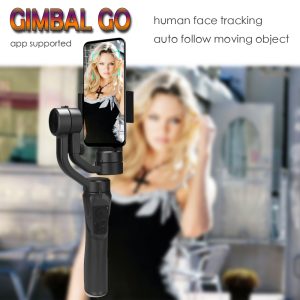 F6 3-Axis Handheld Smartphone Gimbal Stabilizer, APP Supported Face & Moving Object Tracking, Brushless Motor Phone Video Stabilizer for Vlog Travel Shooting Original price was: $69.96.$59.96Current price is: $59.96.
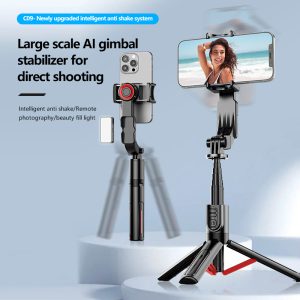 C09 AI Smartphone Gimbal Stabilizer, Portable Selfie Stick Tripod with Magnetic Fill Light & Bluetooth Remote, Intelligent Anti-Shake Handheld Video Stabilizer for Vlog Travel Shooting Original price was: $29.96.$21.99Current price is: $21.99.
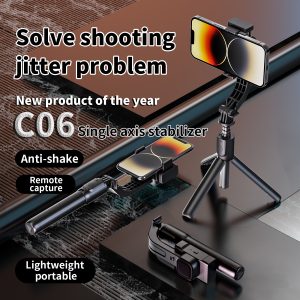 C06 Single Axis Gimbal Stabilizer, Phone Selfie Stick Tripod with Wireless Remote, Anti-Shake Handheld Video Stabilizer for Smartphone Vlog Live Streaming Price range: $13.96 through $17.96
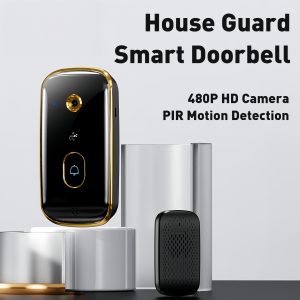 Smart Wireless Video Doorbell 480P HD PIR Motion Detection Infrared Night Vision Voice Change Original price was: $29.96.$26.99Current price is: $26.99.
Frequently Asked Questions
Is Where Mount Video worth buying?
Based on the breakdown in this article, Where Mount Video offers a solid mix of features and value. If your main goal matches the key benefits described above, it is a practical choice for everyday use.
How do I choose the right where mount video for my needs?
Start with your core use case, then compare Battery life, compatibility, and build quality as covered above. Choosing the right where mount video comes down to matching specs with how you actually use it.
Does where mount video require a companion app?
Most devices of this type pair with a free companion app for setup and firmware updates. A few advanced features may sit behind a paid plan, so check the official specs page before buying.
📌 This article is part of our Complete Doorbell Hub — more guides and buying tips inside.