Posted on — Leave a comment

Automatic Pet Feeder for Two Cats: Portion Control

If one cat is getting fat and the other is staying thin, the Feeder is almost never the problem — the feeding arrangement is. Free feeding lets whichever cat guards the bowl eat more, and a standard timed feeder does not fix that, because it still cannot tell which cat is eating.

Why the bowl arrangement matters more than the feeder

  • Free feeding rewards the pushy cat. Dry food left out all day goes to whoever defends it.
  • A single timed feeder is still a single bowl. The fast cat finishes its portion and eats the other’s share.
  • Portions on the bag are maintenance averages, not weight-loss targets. They assume an average, neutered, indoor cat — not your two cats.
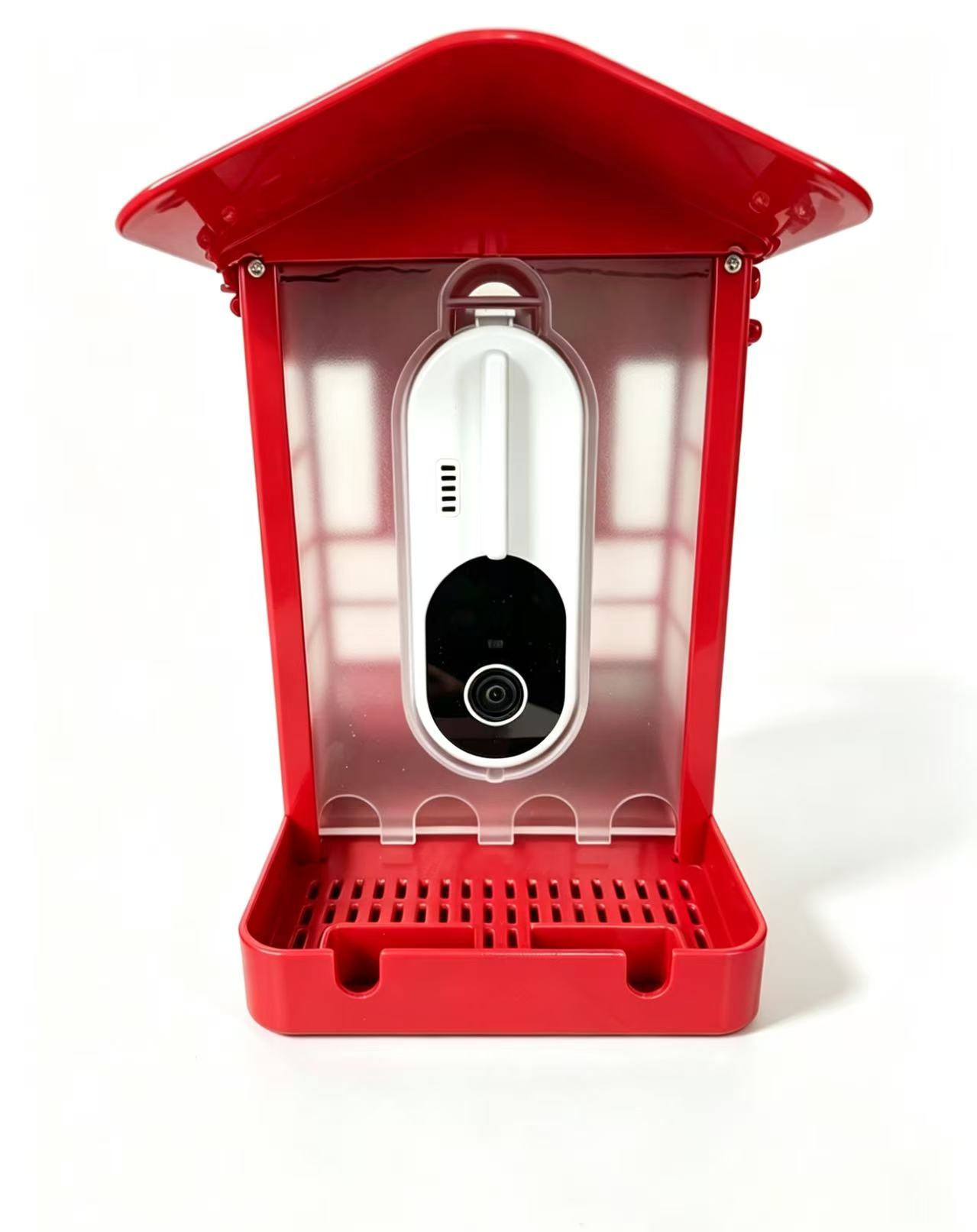
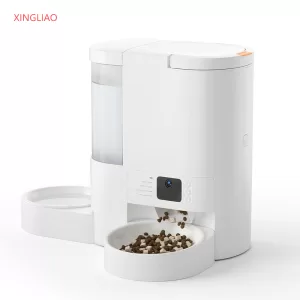
Automatic pet feeder with two bowls dispensing dry food

Four routes, in order of how well they actually work

Approach How it works Trade-off
Feed in separate rooms Two meals, two closed doors, 20–30 min each Most reliable, needs two people or a routine
Microchip or RFID selective feeder Lid opens only for the registered cat Real selective feeding; collars go missing, needs a settling-in period
Timed feeder with two bowls Drops both portions at once Simple, but does not stop food stealing
Slow feeder bowl Shape slows eating speed Helps gulping, not portion theft
Smart pet feeder app screen showing feeding schedule

Important safety note on getting a cat to lose weight

Do not simply halve the food. Cats that lose weight too quickly are at real risk of hepatic lipidosis, a serious liver condition. Get a target daily calorie figure and a safe rate of loss from a vet before changing the amount, then weigh weekly and score body condition rather than judging by eye.
Two cats waiting beside an automatic feeder

Getting the portions right

  1. Work from calories, not cups. Wet food is bulky but low in calories per gram, which is why it is usually the first lever for an overweight cat.
  2. Split the daily amount into more, smaller meals — cats that beg are usually cats that get one or two big meals.
  3. Keep the thin cat’s food out of reach rather than increasing it; an underweight cat may have a dental or thyroid issue worth checking.
  4. Recheck after four weeks. Adjust by small amounts, not big ones.
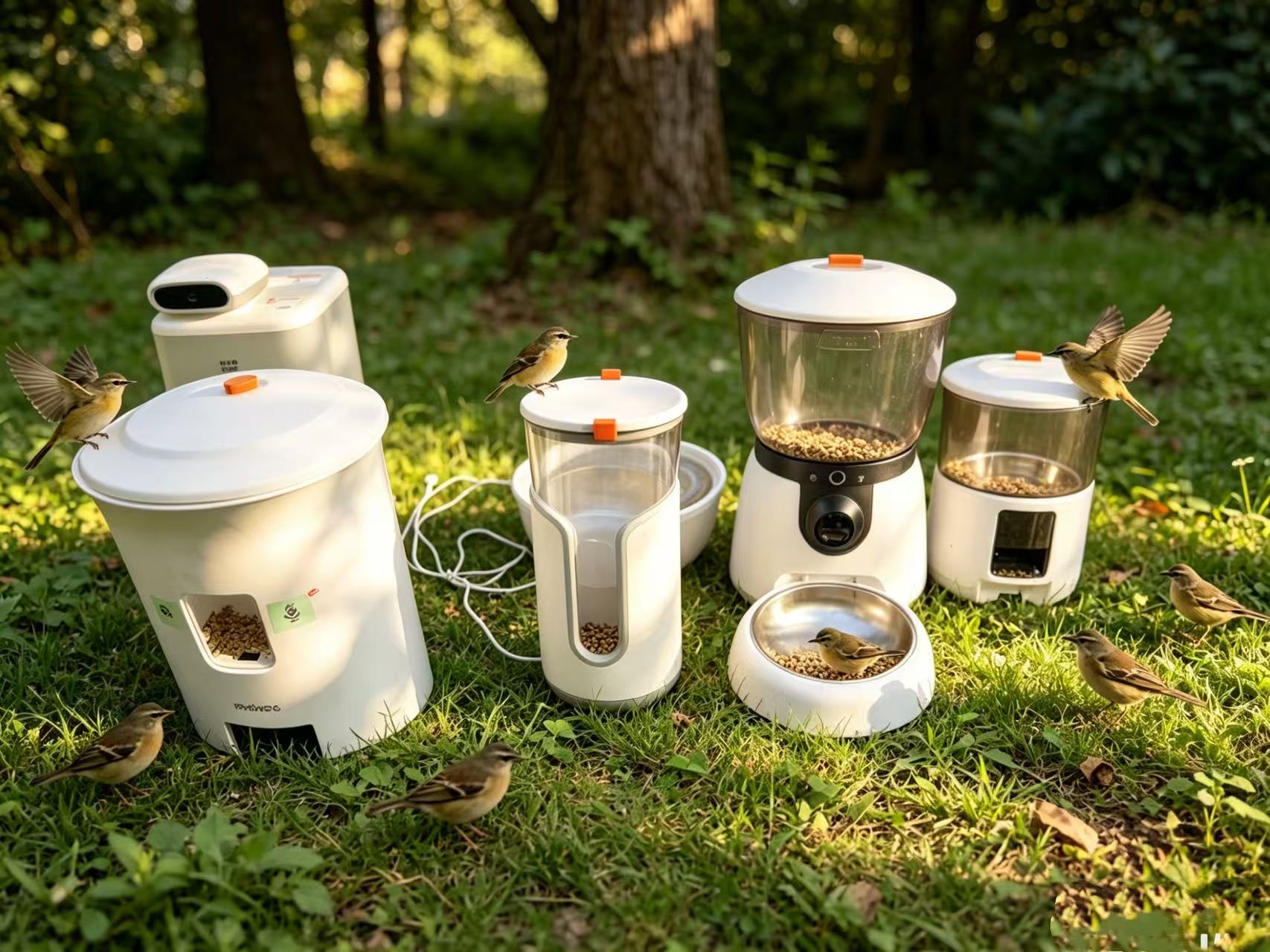
Automatic pet feeder portion size setting close up

Frequently Asked Questions

Will an automatic feeder stop one cat from eating the other’s food?

Not on its own. A standard feeder dispenses into an open bowl. You need either physical separation, or a feeder that only opens for a specific microchip or collar tag. Why Cameras Miss Faces but Doorbells Don’t

Is wet food or dry food better for weight control?

Wet food is generally better for an overweight cat because it delivers fewer calories per gram and adds water. It also spoils faster in a feeder, so Check how long the bowl can safely sit out. 4-Inch Tuya Smart Control Panel: What It Replaces

How fast should an overweight cat lose weight?

Slowly, and under veterinary guidance — rapid loss is genuinely dangerous for cats. Your vet should set the target rate based on current weight and body condition score. Smart Door Lock Buying Guide: Fingerprint vs Keypad

Do microchip feeders work for all cats?

They work well for most cats, but there is an adjustment period, some cats are wary of the lid mechanism, and collar-mounted tags can be lost. Keep the old routine available for the first week.

How many meals per day should cats get?

Many cats do better on three to four small meals than on one or two large ones, and it reduces begging. Match the total to the calorie target rather than the number of meals.

Can I use one feeder for two cats?

Yes, using a dual-bowl unit — but understand that it manages timing, not access. If one cat steals food, a dual bowl will not stop it.

What if a cat has a medical diet?

This is where selective feeders earn their cost, because a prescription diet must not be eaten by the other cat. Confirm the lid seals reliably before relying on it.

How do I track progress?

Weigh on the same kitchen or baby scale weekly, record it, and use a 9-point body condition score alongside the number. The scale alone can mislead when muscle mass changes.

Related Articles

You Might Also Like

Posted on — Leave a comment

Automatic Pet Feeder Portions: How to Calibrate and Schedule Meals

Portion size on an Automatic Pet feeder is a mechanical quantity, not a weight: each dispense turns an auger or drops a gate for a fixed time, so the same “1 portion” setting gives different gram weights for different kibble shapes. Calibrate once by dispensing ten portions and weighing them, then work out portions per day from your pet’s daily gram target. Most adult cats need roughly 45–65 g of dry food a day; portion counts per meal typically land between 1/8 and 1/4 cup for cats and 1/4 to 1 cup for small dogs.

Everything else — schedule, slow feeding, backup power — follows from that One calibration.

Calibrate your feeder once

  1. Run ten dispenses into a bowl and weigh the total in grams.
  2. Divide by ten to get grams per portion.
  3. Take your pet’s daily target from the food bag (per kg body weight) and divide by grams per portion.
  4. Round to whole portions, then split across meals.

Write the result on a sticker on the feeder. It saves you re-deriving it every time you change food — and changing kibble size or shape means calibrating again.

A starting schedule

  • Adult cat (4–5 kg): two to three meals; many cats do better with three or four small ones, which also reduces scarf-and-vomit.
  • Small dog (5–10 kg): two meals, roughly 12 hours apart.
  • Medium dog (10–25 kg): two meals, with the larger one in the morning if the dog is active during the day.
  • Puppies and kittens: three to four meals; check with your vet, and do not use a feeder to restrict a growing animal without advice.
  • Weight management: weigh the food, not the portions — a kitchen scale once a week catches creeping overfeeding.

Why feeders fail, and how to prevent it

  • Jamming: large or irregular kibble bridges over the auger. Use kibble within the size the manufacturer states, keep the hopper at least a third full but not packed, and avoid very oily coatings that cake.
  • Bridge over the chute: tap the hopper or give the bowl a shake if a meal did not dispense; check the app’s dispense confirmation rather than assuming it worked.
  • WiFi drop: schedules stored on the device keep running; cloud-only schedules stop. Always set the schedule in the device Where possible.
  • Power cut: use the battery backup (most mains models take D cells or a Li-ion pack) and check the low-battery warning before you travel.
  • Clock drift: after a power loss, confirm the feeder’s clock and the feeding times are still correct.

Multi-pet households

A single feeder does not solve competition. Options, in order of practicality: Why Cameras Miss Faces but Doorbells Don't

  • Microchip or collar-tag feeders that open only for the intended pet — the only reliable answer when one pet eats another’s food or is on prescription diet.
  • Dual-bowl timed feeders for two pets that eat at the same pace and the same food.
  • Two feeders in separate rooms, each with its own schedule, closed Door between them.

Wet food and ice packs

Standard dry-food feeders are not designed for wet food. If you need wet food on a schedule, use a feeder with a sealed compartment and ice packs, and limit the time food sits out — two hours is a common guideline for room-temperature wet food, less in hot weather. Clean the bowl and the chute daily when feeding wet food. Smart Plug Energy Monitoring: Find the Appliance That Costs You Most 4-Inch Tuya Smart Control Panel: What It Replaces

Travel checklist

  • Fill the hopper and note how many days it actually holds at your pet’s portions.
  • Test-run two full days before you leave, watching the dispense confirmations.
  • Fit fresh backup batteries and check the low-battery alert arrives on your phone.
  • Leave the feeder plugged in Where a pet cannot pull the cable.
  • Ask someone to check in physically for trips longer than two or three days — a feeder covers food, not health.
Frequently Asked Questions

How much food is one portion on an automatic feeder?

It depends on the feeder and the kibble — it is a volume of auger rotation, not a weight. Dispense ten portions, weigh them, divide by ten, and you have grams per portion for your food.

How many times a day should an automatic feeder dispense?

Two to three meals for most adult cats and dogs. Cats often do better with three or four small meals, which reduces rapid eating and regurgitation.

Can I use wet food in a pet feeder?

Only in models designed for it, with a sealed tray and ice packs. Standard dry-food hoppers will smear and spoil; limit wet food to a couple of hours at room temperature.

What happens if the WiFi or power fails while I am away?

Schedules stored on the feeder keep running, and battery backup keeps the mechanism alive. Cloud-dependent schedules stop, so set the schedule on the device and test the backup before you travel.

Why did my feeder skip a meal?

Usually a kibble bridge or a jam at the chute, or an empty hopper. Check the app’s dispense log, clear the chute, keep the hopper topped up and stay within the manufacturer’s kibble size range.

How do I stop one pet eating the other’s food?

Use a microchip or collar-tag feeder that opens only for the intended animal, or feed in separate rooms on separate schedules. A shared bowl will always be claimed by the faster eater.

Related guides

Browse pet feeders and daily smart devices · Ask us which feeder fits your pet

Related Articles

You Might Also Like